City BuddyCityBuddy
English
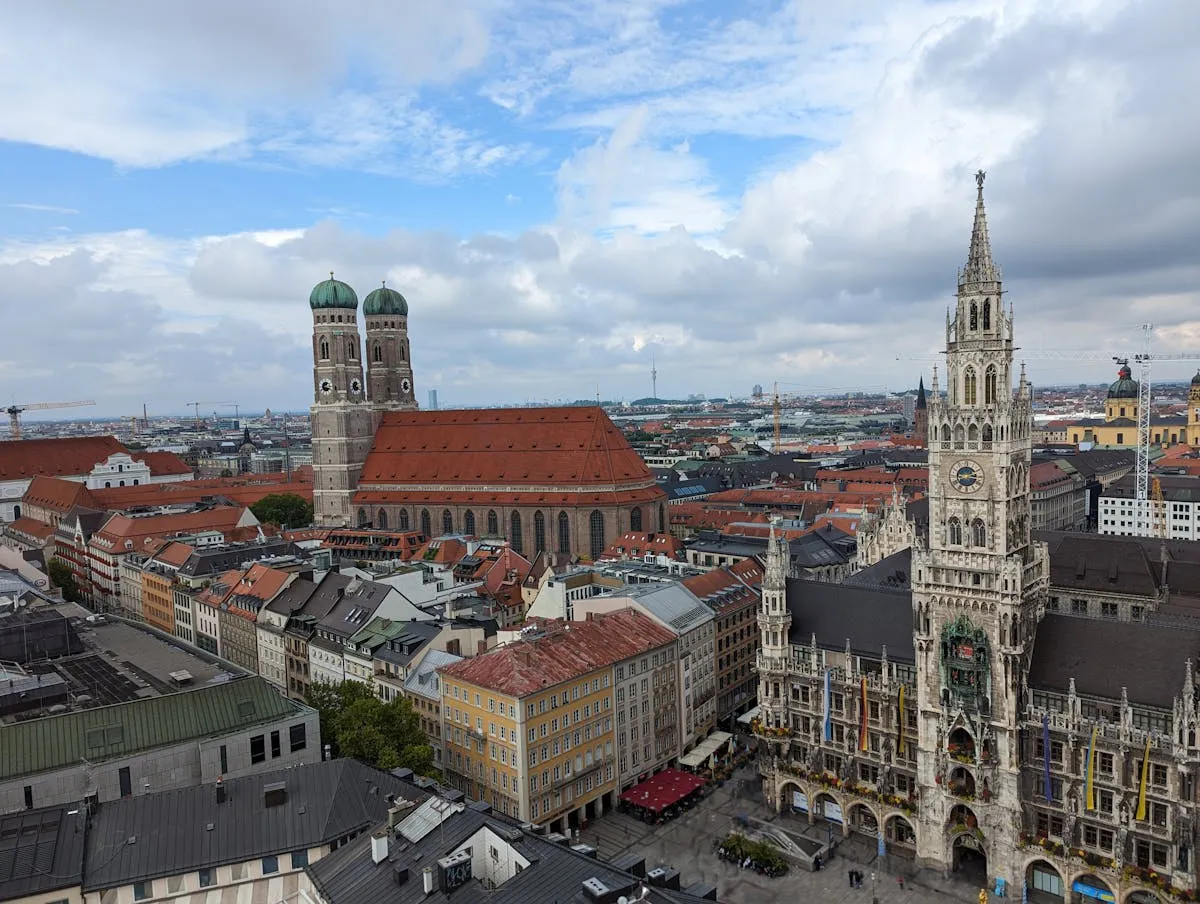
Stunning aerial view of Munich's Marienplatz with the New Town Hall and Frauenkirche under a vibrant sky.

3-Day Munich for Culture and History Enthusiasts with Local Flair

⚖️Balanced Mix🏛️Culture & History💎Hidden Gems & Local Spots
3 daysspring

Dive deep into Munich's rich history, vibrant culture, and local secrets with a perfect blend of iconic landmarks and hidden gems tailored for the curious explorer in spring.

Loading

Getting around

Munich's U-Bahn and S-Bahn crisscross the city, with the S-Bahn's central trunk under Marienplatz ideal for Day 1's historic highlights and Day 2's Residenz and Frauenkirche, where walking is best within the old town. Reach Schloss Nymphenburg via tram 17 or the U-Bahn to Rotkreuzplatz, and Olympiapark on the U3. The Deutsches Museum is a short tram ride from the centre, while the Englischer Garten and Schwabing galleries are walkable from the U6. At night, Free Now and Uber operate across the city, with fares around $3 per kilometer.

Budget Breakdown

$396Trip total · $132 per day

Where to stay tonight

Hotel in Altstadt-Lehel (historic city center) €60-90/night

This central area places you within walking distance of major historical sites and hidden gems like secret courtyards, perfect for this city's cultural and off-the-beaten-path exploration.

Search hotels in this area
Where to stay tonight

Hotel in Altstadt-Lehel (historic city center) €70-90/night

Central location offers easy access to museums, palaces, and hidden spots explored on Day 2.

Search hotels in this area

Where to stay tonight

Hotel in Maxvorstadt (central area between Old City and Schwabing) €60-90/night

Maxvorstadt places you near museums, Schwabing's cultural spots, and has excellent transit links for this day's activities.

Search hotels in this area

Must-try traditional foods & drinks

What to order in Munich, Germany, with a fun fact for each

Traditional Savory Dishes

Weißwurst

Weißwurst

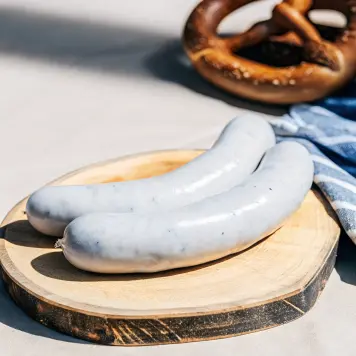
Weißwurst was invented in Munich in the 19th century and is traditionally eaten before noon, a custom that comes from the lack of preservatives in the original sausages.

Leberkäse

Leberkäse

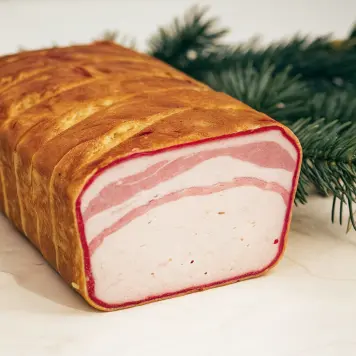
Leberkäse literally means "liver-cheese", yet many Bavarian varieties contain neither liver nor cheese, making the name a delicious misnomer.

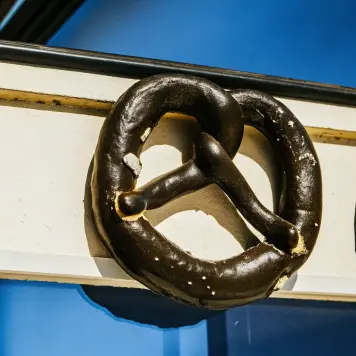
Pretzel

Pretzel

The classic Munich pretzel has a deep brown, glossy crust and a soft, doughy interior, with its knotted shape said to resemble arms folded in prayer.

Traditional Sweet Dishes

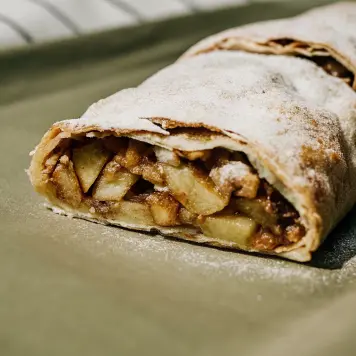
Apfelstrudel

Apfelstrudel

In Munich, apfelstrudel dough is traditionally stretched by hand until it is paper-thin, creating a flaky, cloud-like pastry.

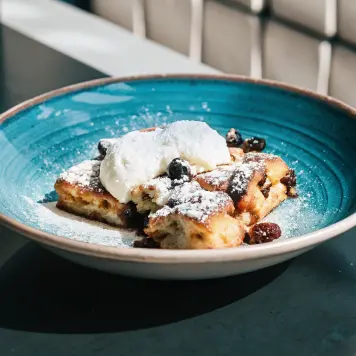
Kaiserschmarrn

Kaiserschmarrn

Kaiserschmarrn, whose name means "emperor's mess", was famously a favorite of Emperor Franz Joseph and is a shredded, caramelized pancake often studded with rum-soaked raisins.

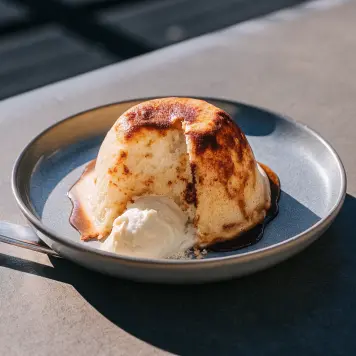
Dampfnudel

Dampfnudel

A dampfnudel is a steamed yeast dumpling that forms a golden, caramelized base when cooked in milk and butter, giving a delightful contrast between soft interior and crisp bottom.

Traditional Beverages

Beer (Weißbier)

Beer (Weißbier)

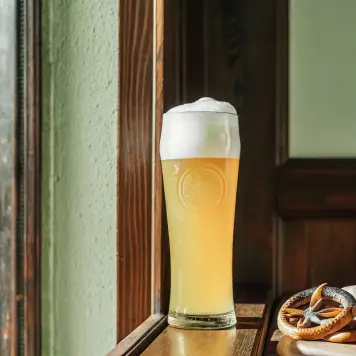
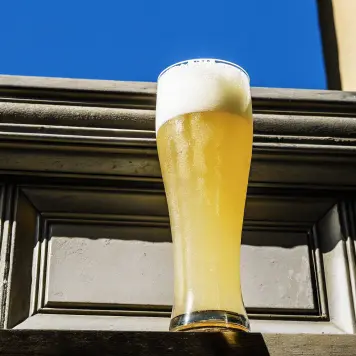
Munich Weißbier is a top-fermented wheat beer brewed with a high proportion of malted wheat, and its special yeast gives the beer distinctive banana and clove aromas.

Radler

Radler

The Radler was invented near Munich in the 1920s when a tavern owner mixed beer with lemon soda to serve thirsty cyclists, and the drink's name literally means "cyclist".

Glühwein

Glühwein

Glühwein, which means "glow wine" because it is heated until it steams, is the aromatic, spiced mulled wine that defines Munich's Christmas markets.

Export Your Trip

Get your trip plan as a PDF with maps and a CSV spreadsheet.

Download PDF

Selected based on proximity to your itinerary attractions and guest reviews

Search all hotels in Munich

Powered by agoda

Create another trip plan