 CityBuddy
 English
Things to Do in Lefkáda, Greece
Photo made by Gintare K. on Pexels.com
When to visit
Plan your perfect trip to Lefkáda, Greece
Get a complete travel plan built just for you in under 30 seconds, with daily routes, local food tips, budget estimates and more.
Are any of these especially important to you?
Select all that apply
Getting around
How do you want to move between places?
Plan language: EnglishMost popular attractions in Lefkáda, Greece
The top things to do in Lefkáda, Greece start with a plunge into Porto Katsiki Beach, a mile-long slice of white pebbles backed by 300-foot cliffs. Hike inland to Dimosari Waterfalls, where cool water cascades 25 meters through forest pools. End days watching sunset from Egremni Beach and its turquoise shallows.
1. Porto Katsiki Beach
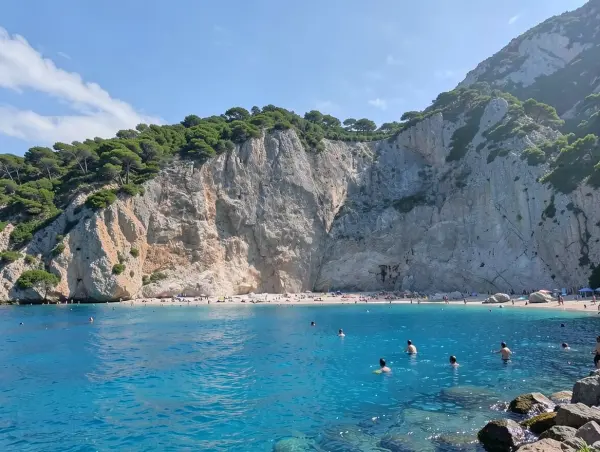
Turquoise water cupped by soaring white cliffs and a 300-step descent. You pick your way down carved stairs to a pebble shore where goats watch from the rocks above.
Quick facts: Over 300 steps are chiseled into a chalk-white cliff that drops straight into a shockingly blue sea. The water deepens within a few strokes of shore, so the cove stays brilliantly clear even at the height of summer.
Highlights: Wild goats have patrolled these white ledges for generations, and their ancient name for the cove is still what everyone uses today. Kneel at the waterline and the rolling pebbles click and grind with every wave, a sound that echoes up the entire staircase.
2. Egremni Beach
You'll trade 350 stairs for a stretch of cobalt water so clear you can count pebbles under your feet. The payoff is a long drift along white stones with the cliff echoing your every splash.
Quick facts: Climbing down calls for 350 steady steps hewn into the cliffside, and the payoff is a 2-kilometer ribbon of white pebbles. A 2015 earthquake sent that path tumbling into the sea, but a three-year rebuild brought the shoreline back in 2018.
Highlights: From the clifftop you can clock the exact 350 steps, and the prize below is a stretch long enough to stroll a full kilometer before the stones soften into sand. Dive off the northern rocks and the water snaps from pale aquamarine to deep cobalt within seconds.
3. Kathisma Beach
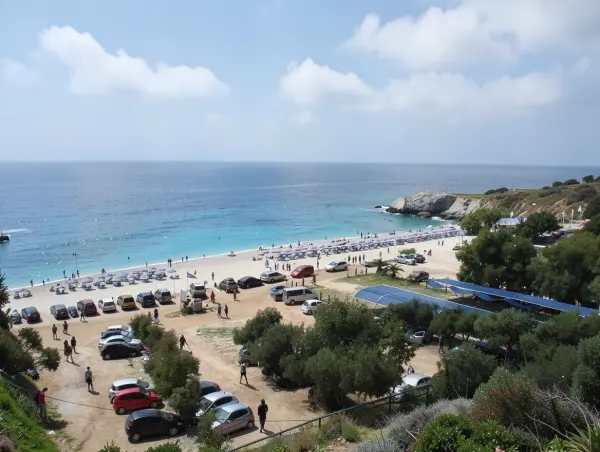
Turquoise water meets a towering white cliff wall here. Sun-baked pebbles, a long swim, then clifftop sunset drinks.
Quick facts: Roughly 1.5 kilometers of white pebbles curve along the base of tall cliffs, and the water shifts from pale aqua to deep sapphire within a few meters of shore. A permanent summer snack bar and a handful of tavernas perch at the top, so you can swim, then climb up for a meal with a view.
Highlights: At the southern end, a small clothing-optional stretch draws a relaxed, mixed crowd, a detail most day-trippers discover only by walking the full length of the shingle. Walk out a few strokes and the seabed drops abruptly, giving you effortless deep-water swimming right off the pebbles.
4. Agia Mavra Castle
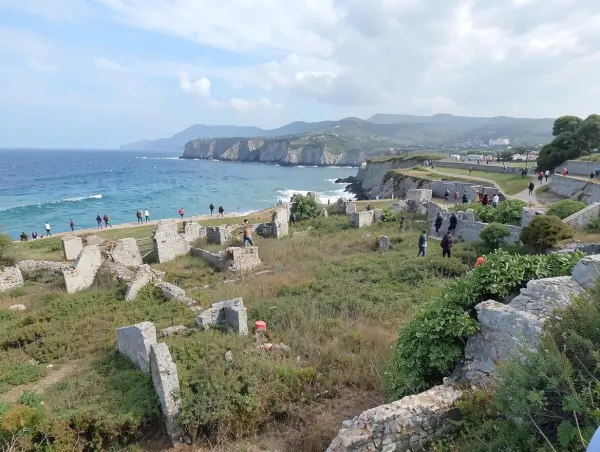
Stroll a stone causeway into a fortress that doubled as a prison and psychiatric hospital. Hear wind through empty cells and feel history in every worn stone step.
Quick facts: Four stone towers ring a 14th-century fortress that long guarded the narrow channel between the island and the mainland, changing hands among Franks, Venetians, Ottomans, and Britons. Those same halls later served as a jail and then a psychiatric hospital, with the last patients leaving around 1960.
Highlights: Search the dungeon walls for faint prisoner carvings, including a sailing ship scratched into the stone by someone waiting out their sentence. Shadows from the four towers stretch across the shallow lagoon at dusk, and the silence inside the empty courtyard makes the place feel frozen between its soldier past and its hospital years.
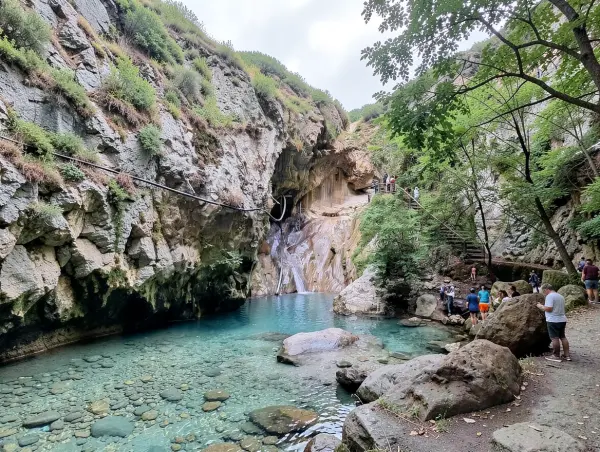
5. Dimosari Waterfalls
Reward a short jungle-like descent with a swim beneath a 25-meter cascade. Cool off in the jade pool while forest birds echo overhead.
Quick facts: A 15-minute winding descent through a shaded ravine leads to a cascade tumbling about 25 meters into a jade pool. Spring snowmelt makes the torrent flow at thunderous strength, while late summer reduces it to a gentle silver curtain.
Highlights: Wedging behind the falling water rewards you with a cold-air pocket and a small rock alcove few visitors ever notice. Forest birdsong and the crackle of spray bounce between the mossy walls, so the whole gorge feels like a private, dripping amphitheater.
6. Milos Beach
Calm, shallow water and a vine-shaded taverna make this east-coast cove a full-day favorite. Expect barefoot lunches, warm pebbles, and yachts bobbing a few strokes offshore.
Quick facts: A sheltered east-facing cove of smooth gray pebbles, the shore shelves so gently that the water stays waist-deep for the first 40 meters. The Greek name simply means 'mill', a nod to the old watermill whose stone channel still runs through the ravine behind the trees.
Highlights: At the north end, a cold mountain spring seeps up through the pebbles and paints ribbons of shivery water across the warm shallows, and kids spend hours tracing where the two meet. Lie down at the boundary line and your toes feel ice-cold while your back stays warm, a sensation most afternoon swimmers never notice.
7. Vasiliki Beach
Reliable daily wind, flat protected water, and a sunset that drops straight into the bay. Expect sails scattering the turquoise shallows and a beach town that winds down with the breeze.
Quick facts: That dependable afternoon wind arrives like clockwork around 1 PM and regularly tops 25 knots, turning the flat bay into a natural windsurfing classroom. Morning visitors find glassy calm water for swimming and paddleboarding before the sea breeze sweeps in and takes over.
Highlights: Instructors schedule beginner lessons around the wind's arrival because the bay stays flat and shallow until that reliable 1 PM gust flips it into a perfect training ground. At dusk the beachfront fills with riders gliding in as the low sun skims the water, a show you can watch right from the sand.
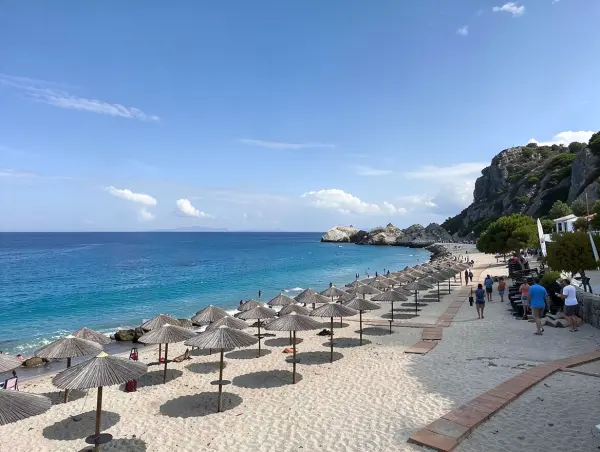
8. Kalamitsi Beach
Turquoise shallows and vine-shaded tavernas make this the most laid-back cove on the coast. Expect unhurried swims, grilled fish, and warm pebbles underfoot.
Quick facts: Two beachfront tavernas keep tables shaded by grapevines that crawl right over the sand. The bay drops off gradually, so swimmers can wade 50 meters out before the water reaches chest height.
Highlights: At the far south end, a rocky ledge doubles as a natural diving platform where locals leap into water glowing turquoise over smooth white pebbles. When the afternoon sea breeze dies down, the surface turns glassy and the pebbles stay visible at chest depth.
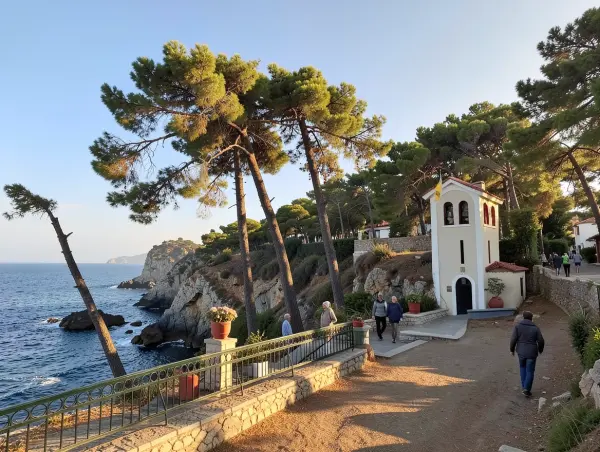
9. Faneromeni Monastery
Climb for a panorama of sea, white rooftops, and salt lagoon. Feel the cool cave air and light a candle beside the holy spring.
Quick facts: Some locals insist the miracle-working icon was painted by Saint Luke himself, carried here by monks fleeing the Eastern Mediterranean. Each September, hundreds of pilgrims climb the hill on foot for the feast of the Virgin, capping the day with a candlelit procession through town.
Highlights: A shepherd named Georgios reportedly found the sacred icon tucked inside a rocky cave, drawn there by a dream of flickering light. That cave still sits under the church, and you can descend into its cool, incense-scented darkness to see the spring locals swear never runs dry.
10. Lefkada Old Town
A maze of pastel lanes that survived the devastating 1953 earthquake. Sip local wine on a balcony while spontaneous violin melodies drift up from the cobbled alleys below.
Quick facts: Nearly 80 percent of its pastel facades were rebuilt after the 1953 earthquake, yet the hand-painted wooden balconies kept their original 19th-century flair. Musical DNA runs through every café and porch, with old men sparring over violin technique after coffee and roughly 60 traditional songs still passing from generation to generation at village feasts.
Highlights: The hand-carved balconies overhead double as earthquake engineering, their flexible wooden joints absorbing shocks that flattened the 20th-century concrete structures in the 1953 quake. Come back after dusk, when red-shaded lanterns light up those verandas and three generations of one family trade a single violin, spinning out melodies nobody ever bothered to record.
11. Karya Folklore Museum
A tiny hillside museum packs centuries of island craft into one stone house. Watch a live weaving demo, then wander through an untouched old kitchen and rooms of embroidered bridal treasure.
Quick facts: Two floors of a restored stone house hold embroidered dowries, handwoven textiles, and an original kitchen preserved exactly where it stood. Around 1,000 everyday objects survive here, from copper kettles and wooden chests to the delicate linens that once traveled with brides to their new homes.
Highlights: The rarest treat is the working loom where local women still throw the shuttle and guide threads through the traditional Karsaniko weave, the same technique their grandmothers used. Stand close enough to hear the rhythmic clack of the heddles, then catch the faint scent of beeswax and aging timber rising from the surrounding trousseau chests.
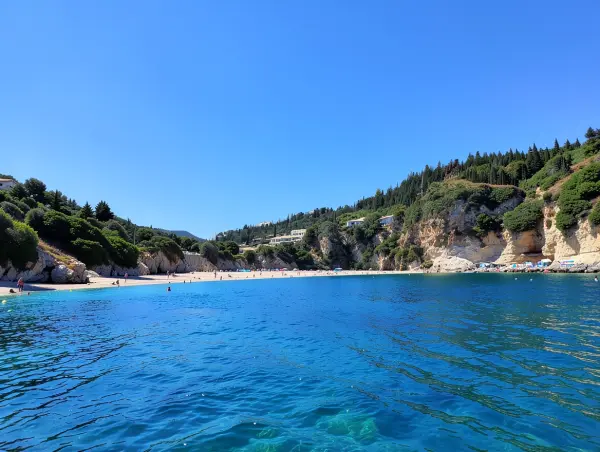
12. Agios Nikitas
For toes-in-the-sand taverna dinners and an Ionian sunset painting the sky orange, this hillside village delivers. Stroll the lanes, then wade into water clear enough to count pebbles underfoot.
Quick facts: Perched on a hillside with one of the only real sand beaches on this otherwise pebbly island, the little harbor still serves just fishing boats and small excursion craft. On summer evenings, the shoreline fills with people watching the sun sink into the Ionian Sea while two neighboring islands hover on the horizon.
Highlights: The beach quietly rebels against its island: it is a stretch of genuine sand on a coast famous for white pebbles, and winter storms redraw its outline every year. Sit at a taverna table with your toes buried in warm granules as fishing boats chug home past the tiny white chapel guarding the harbor mouth.
Where to Stay in Lefkáda, Greece
Selected by City Buddy based on guest reviews and proximity to top attractions
Search all hotels in Lefkáda, GreecePowered by agoda
Traditional Sweet Dishes
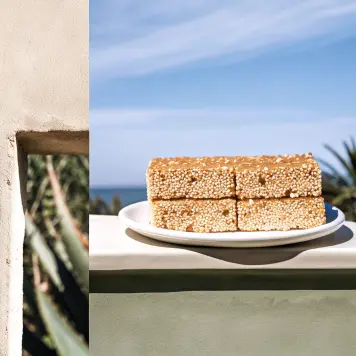
Pasteli
Pasteli is a brittle bar of sesame seeds bound with honey, and in Lefkada it is taken so seriously that it fills the display cases of the island's famous sweet shops. Locals still make it with mountain honey, which gives it a deep, floral flavor that shops elsewhere cannot match.
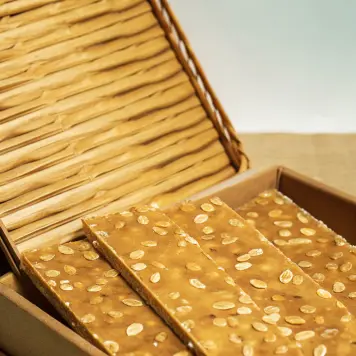
Mandolato
Mandolato is a crunchy nougat of toasted almonds and honey pressed between thin wafers, a craft the Venetians left behind in the Ionian islands. In Lefkada it is a beloved Christmas and wedding treat, and the candy makers slice it by hand with special diamond-shaped shears.
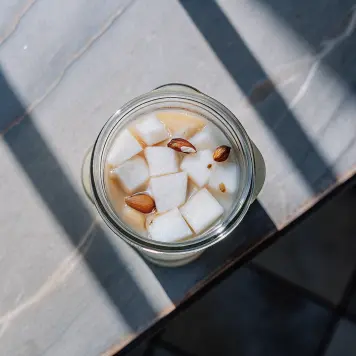
Koufeto
Koufeto is a spoon sweet made from a special white pumpkin that is first soaked in lime water so the pieces stay crisp inside the honeyed syrup. Whole almonds float in the jar, and one spoonful is served over a glass of cold water or next to strong Greek coffee.
Traditional Savory Dishes
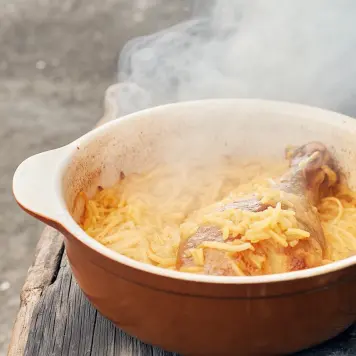
Sofigado
Sofigado is a slow-cooked stew of rabbit or pork buried under a mountain of sweet onions and tomato, and its name is thought to come from the Italian soffritto. On Lefkada it is simmered for hours in clay pots, and many tavernas still take advance orders because it cannot be hurried.
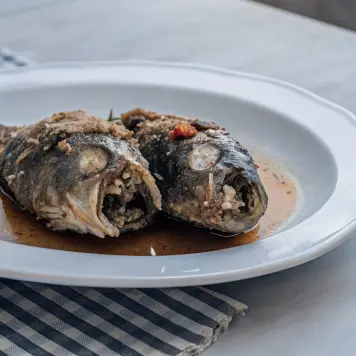
Savoro
Savoro is fried fish, often grouper or scorpionfish, bathed in a sharp sauce of garlic, vinegar, raisins, and bay leaves. This Venetian-era method preserves the fish for days, so Lefkada cooks serve it cold the next day and say it tastes even better then.
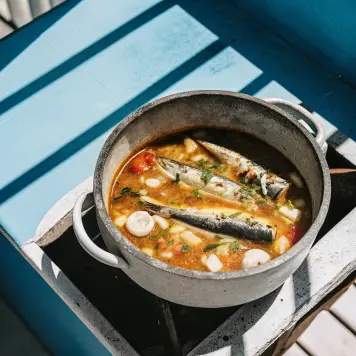
Kakavia
Kakavia is the traditional fisherman's soup built from the day's tiny catch, simmered with olive oil, onion, tomato, and wild herbs. Its name comes from the three-legged clay pot, called kakavi, that crew members once set directly over a fire on the deck of their boat.
Traditional Beverages
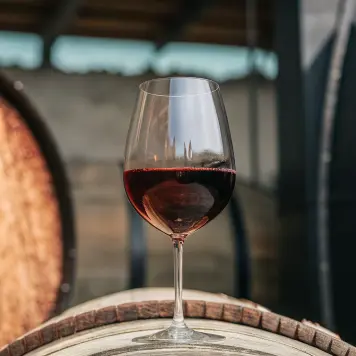
Vertzami Wine
Lefkada grows native grape varieties that are rare almost anywhere else, and the bold tannic red called Vertzami is the island's flagship. Vintners claim the grape loves the hot dry hillsides so much that a single bottle can taste dramatically different from one valley to the next.
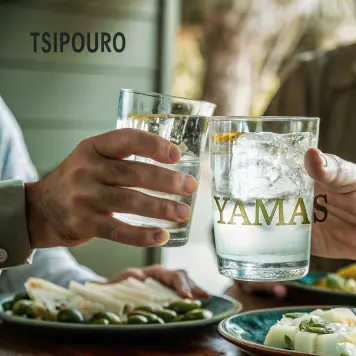
Tsipouro
Tsipouro is a strong, clear spirit distilled from the leftover grape pressings, and on Lefkada it is served ice cold with a plate of meze. Locals like to toast by clinking glasses and shouting Yamas while sipping it slowly, never fast.
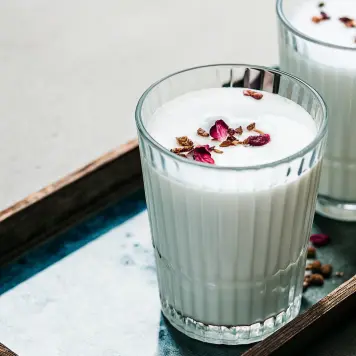
Soumada
Soumada is a sweet, milky-white almond syrup that is stirred into cold water and sometimes scented with rose or bitter almond. In the Ionian islands it is the classic summer refreshment, and Lefkada houses brew it for weddings and religious feasts to offer visitors who stop by.
Frequently Asked Questions about Lefkáda, Greece
Is Lefkáda, Greece safe?
How many days in Lefkáda, Greece?
Best time to visit Lefkáda, Greece?
Is Lefkáda, Greece expensive?
How to get around Lefkáda, Greece?
Get a PDF with the most popular attractions sent to your email
Get a PDF with all attractions, ratings, and tips. Perfect for offline use.
Most popular day trips
Nydri
Lively harbor town and gateway for island hopping to Meganisi and Ithaca
Porto Katsiki
Famous dramatic beach on the western cliffs, iconic turquoise water
Vasiliki
Southern port village known for windsurfing and boats to Kefalonia
Meganisi Island
Quiet green island with coves, tavernas, and relaxed swimming spots
Ithaca Island
Legendary home of Odysseus with bays, trails, and Vathy port
Rent a car in Lefkáda, Greece
Getting there
Train stations
No direct rail service; nearest major hub is Athens Larissa, reached by KTEL bus and ferry bridge
Fly into Aktio Airport (PVK) at Preveza, then cross the floating bridge to the island; renting a car is the easiest way to reach the beaches.
Find flights to Lefkáda, Greece
Click to get eSim for Lefkáda, Greece
The easiest and most affordable way to get mobile internet wherever you travel.
Useful information for Lefkáda, Greece
Overview for Lefkáda, Greece
Most popular itineraries for Lefkáda, Greece
Browse trip plans created by other travelers
6-Day Lefkada Autumn Escape
Discover the Ionian gem of Lefkada this autumn with turquoise beaches, mountain villages, and olive groves under mild seasonal skies.
4-Day Lefkada Island Autumn Escape
Chase turquoise waters, waterfall gorges, and Venetian charm across Lefkada's most stunning beaches and villages this golden autumn season.
7-Day Autumn Escape to Lefkada's Wild Beaches & Old Town
Trade the summer crowds for golden autumn light, warm Ionian seas, empty clifftop beaches, and honey-sweet mountain villages on Greece's wildest island.
Comments (7)
Mixed feelings honestly. The island is gorgeous and the food was solid but everything felt a bit expensive and touristy compared to mainland Greece. Went for 4 nights and that felt right, not longer.
Lefkada blew me away. The water at Porto Katsiki is genuinely the clearest I have ever seen, like unreal turquoise. Only downside was the drive down to the beach, those switchbacks are scary. Worth it though.
Skip the restaurants facing the marina in Lefkada town. Walk two streets back and pay half the price for better food. Try the place near the church, the moussaka there is legit homemade.
Wind was brutal. We picked a week in July and it was constantly gusty on the west coast beaches. Still beautiful but not the relaxing beach trip I pictured. Maybe check wind forecasts before booking.
Went in late September and it was perfect. Warm enough to swim every day but no crowds and prices dropped a lot compared to August. If you can pick when to go, do that.