 CityBuddy
 English
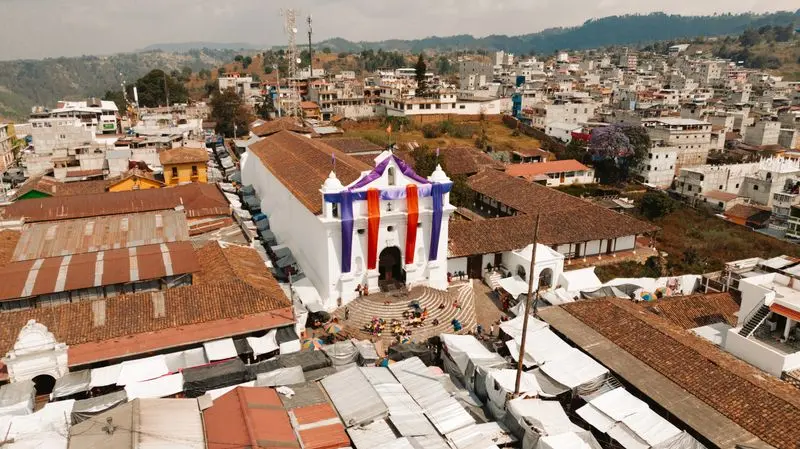
Things to Do in Chichicastenango, Guatemala
Photo made by K on Pexels.com
When to visit
Most popular attractions in Chichicastenango, Guatemala
Among the most interesting things to see in Chichicastenango, Guatemala, is the Santo Tomas Church with its 18 steps, which shamans climb for their rituals, and the Sunday Chichicastenango Market, which fills the square with more than two thousand stalls selling textiles and masks. Near the town also stands the sacred rock formation Pascual Abaj, where sacrificial ceremonies of Mayan descendants are still held to this day.
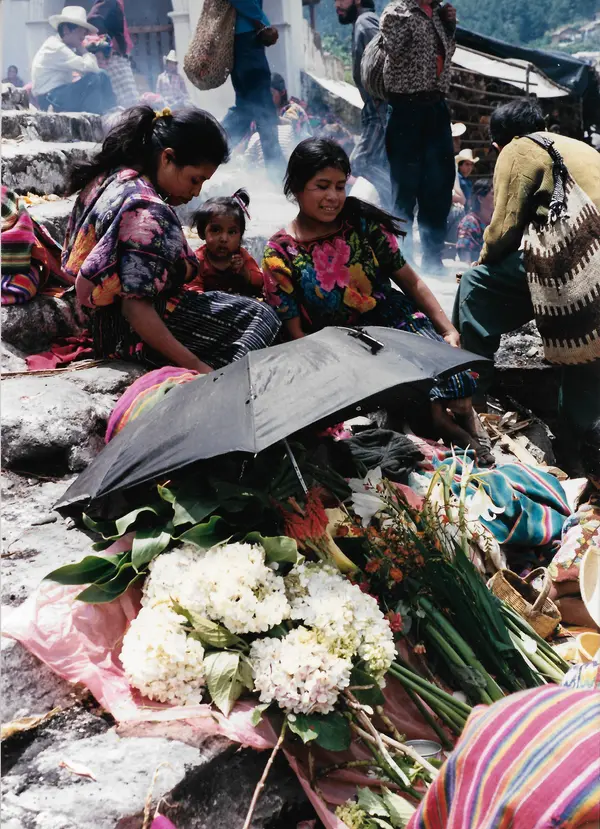
1. Chichicastenango Market
The largest indigenous market in Central America, which comes alive only twice a week. You will see Mayan ceremonies with incense right on the church steps and can buy everything from textiles to live chickens.
Quick facts: Twice a week, on Thursday and Sunday, up to 40,000 people from the surrounding mountains gather here to sell and buy everything from fruit to medicinal herbs. The market sits at an altitude of over 2,000 meters between two Baroque churches, where Catholic ceremonies blend with Maya rituals.
Highlights: On the steps of the Santo Tomás church, copal incense still burns to this day, and Maya shamans perform ceremonies here for a fee, while inside the church Christians pray, so both faiths coexist in a single space. It is not just about shopping; here a living religious and social theater unfolds that has no equal anywhere in Central America.
2. Museo Regional de Chichicastenango
Walk through centuries of K'iche' history in the spaces of a former Dominican monastery. You will see sacred masks, stelae, and ceramics you will not find anywhere else in Guatemala.
Quick facts: This museum is housed in a 16th-century building that originally served as a monastery for Dominican friars. Among other things, you will find a collection of Maya stelae, ceramics, and sacred objects used in ceremonies at the nearby Santo Tomás church.
Highlights: The museum's greatest treasure is the original collection of pre-Hispanic stelae and ritual vessels that reveal the daily life of the K'iche' long before the arrival of the Spaniards. Also valuable are the wooden masks from traditional dances that are still performed in the region today, each bearing the name and story of a specific character from Maya mythology.
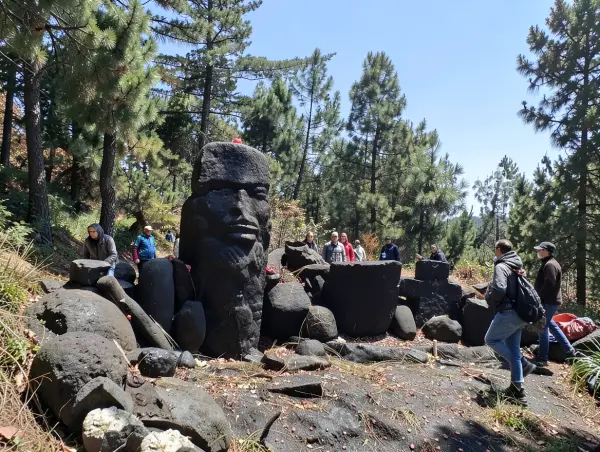
3. Pascual Abaj
Peek into living Mayan spirituality that still functions here today. You will see shamans, smoke, and offerings live and in person.
Quick facts: At this sacred site, Maya faith blends with Catholic tradition, and thousands of pilgrims from all over Guatemala come here every year. Rituals with palm leaves, flowers, cigarettes, and liquor have been performed around the stone deity for centuries.
Highlights: Local shamans (chuchkajau) perform ceremonies here for a fee of around 50 quetzals, during which they light candles in numbers corresponding to the Maya calendar. The smoke of copal resin mingles with the scent of freshly cut flowers that pilgrims place against the face of the stone deity.
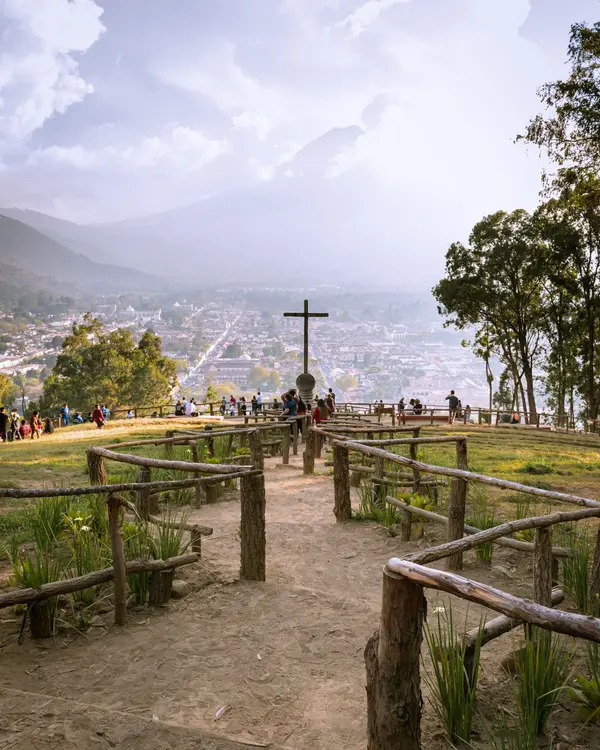
4. Cerro El Calvario
A peaceful spiritual peak above the bustling city with views of the surrounding mountains. You will walk among offerings and candles in a unique Mayan-Catholic atmosphere.
Quick facts: The chapel stands atop a hill above the town center and is dedicated to the Calvary, offering a view of the entire surroundings. Every Thursday and Sunday, processions of local believers make their way here, carrying statues of saints as part of the market below the hill.
Highlights: Unlike the main Santo Tomás church, here you will experience a much calmer and more personal spiritual atmosphere, where local Maya people light candles and leave flower offerings directly on the chapel steps. From the hill you can see all of Chichicastenango and the surrounding green hills, and if you climb up on Sunday morning, you will blend in with the crowds of pilgrims ascending in traditional dress.
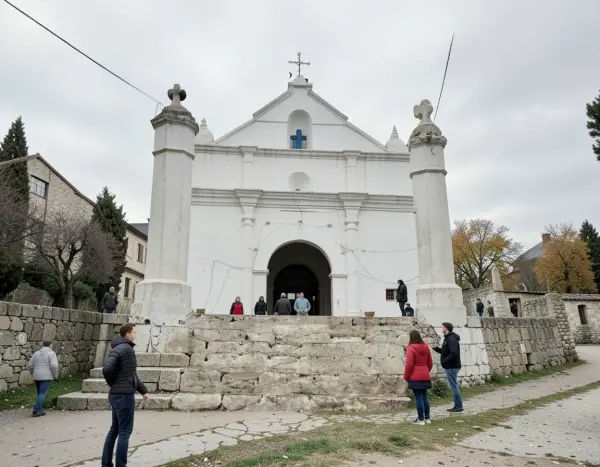
5. Iglesia del Calvario
A place where Catholic faith mixes with Mayan ceremonies right before your eyes. You will see copal smoke, colorful flowers, and rituals with no equal anywhere else in the world.
Quick facts: This white chapel stands on an elevated spot above the main square and is one of the most important spiritual points in the town. Local Maya communities practice syncretic ceremonies here that connect Catholic faith with pre-Columbian traditions.
Highlights: The steps leading to the chapel are often strewn with flowers, candles, and smoke from copal used by Maya shamans during rituals. Inside you will find a statue of Christ, to which believers come with requests and thanks, often accompanied by drums and prayers in the K'iche' language.
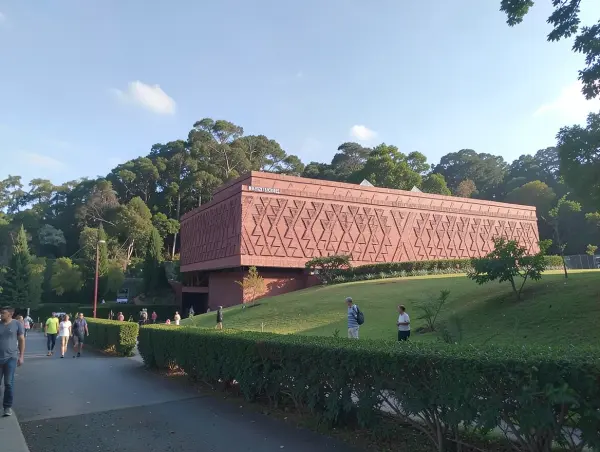
6. Museo Ixchel
Three thousand woven stories of Mayan communities in one place. You will see huipiles whose patterns encode the history and faith of entire generations.
Quick facts: The collection comprises over 3,000 textile artifacts, from everyday garments to ceremonial robes. More than 60 different traditional patterns from Maya communities across Guatemala are on display.
Highlights: Each huipil tells the story of its village origin; patterns have been passed down through communities for centuries and differ from town to town. Researchers have deciphered here that some motifs in the weaves mirror the Maya calendar and cosmological concepts.
Where to Stay in Chichicastenango, Guatemala
Selected by City Buddy based on guest reviews and proximity to top attractions
Search all hotels in Chichicastenango, GuatemalaPowered by agoda
Opening days in Chichicastenango, Guatemala
Which of the top sights close on which day of the week — the classic trip-ruiner, checked for you.
Monday: 2 of 4 top sights closed — plan museums for another day.
Closed on Monday · 2 closed, 2 open
Opening days from Google Maps (checked 2026-10-04). Public holidays, strikes and seasonal hours can differ — check the official website before you go.
Traditional Sweet Dishes
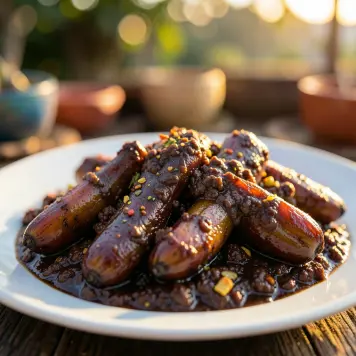
Plátanos en Mole
These sweet plantains are cooked in a rich, dark mole sauce made with chocolate and spices, a unique combination that reflects the blending of indigenous and Spanish culinary traditions in the highlands.
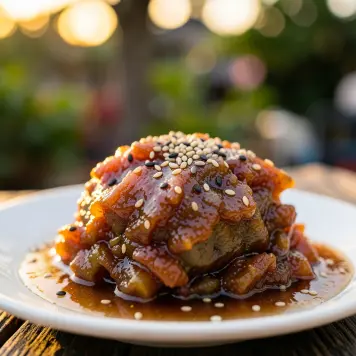
Dulce de Ayote
This traditional dessert is made by slowly cooking ayote, a local squash, in a thick brown sugar syrup until it becomes candied and tender, often served with a sprinkle of sesame seeds.
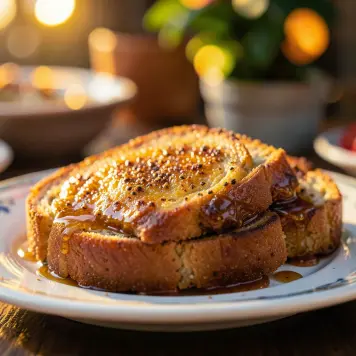
Torrejas
Torrejas are slices of bread soaked in a spiced honey or sugar syrup after being fried, and they are especially popular during Holy Week celebrations in Chichicastenango and across Guatemala.
Traditional Savory Dishes
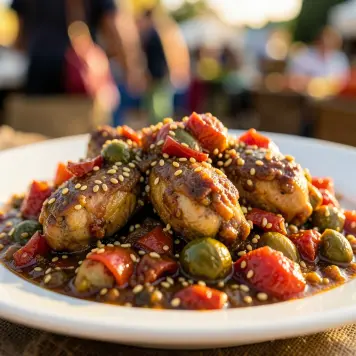
Pepián
This hearty stew is made with chicken or beef, roasted tomatoes, tomatillos, and ground sesame and pumpkin seeds, creating a thick, deeply flavorful sauce that is a centerpiece of Chichicastenango's Sunday market tradition.
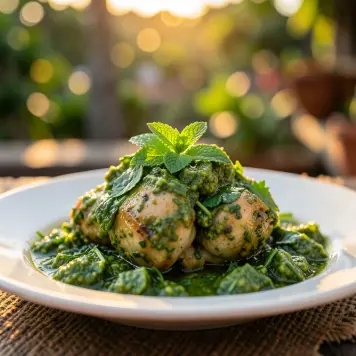
Jocón
Jocón is a green chicken stew thickened with fresh cilantro, mint, and tomatillos, and its vibrant color comes from being blended with green husk tomatoes native to the Guatemalan highlands.
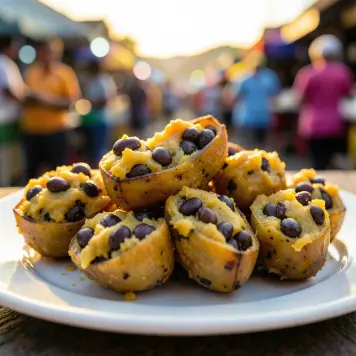
Rellenitos de Plátano
These savory-sweet treats are made from mashed plantains stuffed with seasoned black beans, then fried until golden and often served as a street food snack at the bustling market in Chichicastenango.
Traditional Beverages
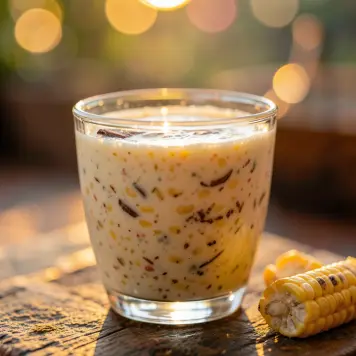
Atol de Elote
This warm, thick corn drink is made from fresh sweet corn blended with milk, cinnamon, and sugar, and it has been enjoyed in the Guatemalan highlands since pre-Columbian times.
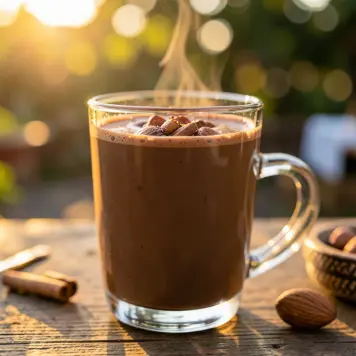
Chocolate Caliente
Chichicastenango is famous for its traditional Mayan-style hot chocolate, made from locally grown cacao ground with cinnamon, almonds, and sometimes chili, and it has been a sacred drink since ancient Maya rituals.
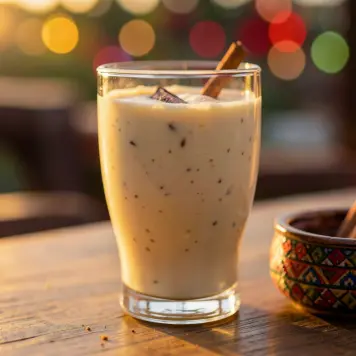
Rompope
This creamy Guatemalan eggnog is flavored with rum, vanilla, and cinnamon, and it is a beloved festive drink that is often homemade and shared during family celebrations and religious fiestas in the region.
Frequently Asked Questions about Chichicastenango, Guatemala
Is Chichicastenango in Guatemala safe?
How many days to spend in Chichicastenango?
When is the best time to visit Chichicastenango?
Is Chichicastenango expensive?
How to get around Chichicastenango?
Get a PDF with the most popular attractions sent to your email
Get a PDF with all attractions, ratings, and tips. Perfect for offline use.
Most popular day trips
Lake Atitlan
Stunning volcanic lake with Mayan villages and boat tours
Santiago Atitlan
Indigenous lakeside town known for Maximon and local textiles
Antigua Guatemala
Colonial city with cobblestone streets, ruins, and volcanoes
Quetzaltenango (Xela)
Highland city with hot springs and nearby volcano hikes
Santa Cruz del Quiche
Departmental capital with museums and archaeological sites
Getting there
Train stations
Guatemala has no active passenger rail network
Fly into La Aurora (GUA) in Guatemala City, then take a shuttle or bus 3 to 4 hours northwest to Chichicastenango via the Interamericana highway.
Useful information for Chichicastenango, Guatemala
Overview for Chichicastenango, Guatemala
Want a day-by-day plan for Chichicastenango, Guatemala? Open the trip planner
Plan your perfect trip to Chichicastenango, Guatemala
Get a complete travel plan built just for you in under 30 seconds, with daily routes, local food tips, budget estimates and more.
Are any of these especially important to you?
Select all that apply
Getting around
How do you want to move between places?
Plan language: English