 CityBuddy
 English
Things to Do in Muluppilagadu, India
Photo made by nathanielslens on Pexels.com
When to visit
Most popular attractions in Muluppilagadu, India
If you are seeking things to do in Muluppilagadu, India, begin at the historic Muluppilagadu Temple with its intricate wood carvings dating back 300 years. Then drive 20 minutes north to climb Ezhimala Hill for panoramic views of the Arabian Sea. End your day with a 2-hour boat ride through the peaceful Valiyaparamba Backwaters, spotting kingfishers and local fishing villages along the way.
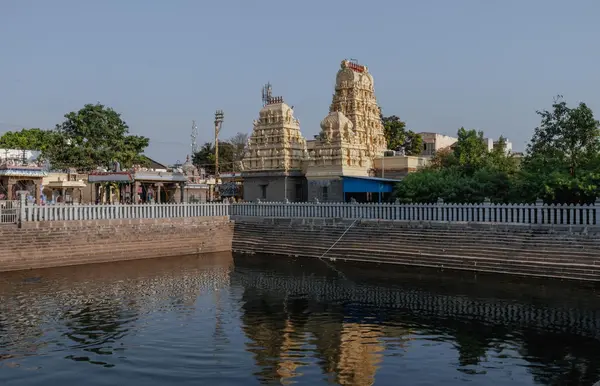
1. Muluppilagadu Temple
A serene riverside temple where you can witness centuries-old rituals in total peace. Experience the raw spiritual energy of a Swayambhu lingam as priests perform pujas to the sound of the backwaters lapping nearby.
Quick facts: Dedicated to Lord Shiva, this temple sits on the banks of the Kavvayi backwaters in northern Kerala. The presiding deity is a self-manifested (Swayambhu) Shiva lingam, which locals believe was discovered by a farmer plowing his field centuries ago.
Highlights: Unlike most Kerala temples with towering gopurams, the sanctum here is a small, low-ceilinged structure where you have to stoop to enter, creating an intimate encounter with the deity. During the annual Kalasham festival, the temple tanks are lit with over 10,000 oil lamps at once, their reflections rippling across the black water as priests chant ancient vedic hymns.
2. Pashambalathil Temple
Step into a place where centuries-old rituals still pulse with daily life, untouched by the modern world outside. The smell of sandalwood and flowers wraps around you as priests chant in languages preserved for millennia.
Quick facts: Centuries of worship have shaped this sacred space where ancient rituals continue uninterrupted. Local families have maintained the temple's traditions for generations, preserving a living link to the region's spiritual heritage.
Highlights: During the annual festival, a single oil lamp is carried in procession that has been burning continuously for over 100 years, always tended by the same family lineage. The flame travels through narrow village lanes while drummers perform rhythms passed down through 15 generations of local musicians.
3. Valiyaparamba Backwaters
Drift through 9 kilometers of pristine lagoons where egrets skim the water and toddy shops line the banks. You will float past thatched homes, spot kingfishers diving for prey, and share tea with fishermen who still use handwoven nets.
Quick facts: Three interconnected lagoons stretch across 9 kilometers of calm, brackish water fed by the Valiyaparamba River. More than 15 varieties of fish thrive here, making it a prime spot for catching pearl spot and kingfish straight from a local fishing canoe.
Highlights: During monsoon months, the backwaters rise by nearly 2 meters, flooding surrounding paddy fields and creating temporary waterways that connect villages normally separated by land. Local fishermen navigate this transformed landscape using bamboo poles to silently glide over submerged coconut groves.
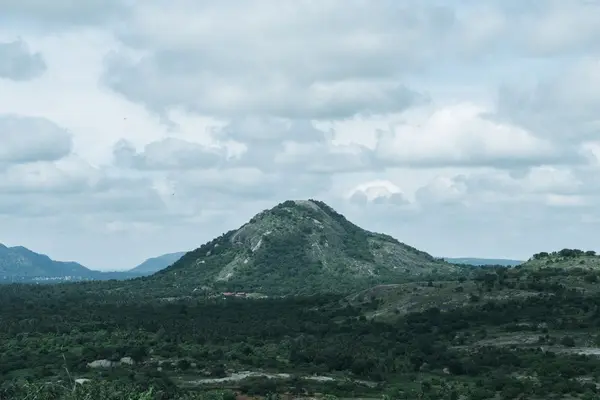
4. Ezhimala Hill
Ancient naval training grounds and a mysterious hidden tunnel await those who climb this coastal hill. Gaze across the Arabian Sea from the summit and explore caves where Chola sailors once studied the stars.
Quick facts: The hill rises 286 meters above sea level and served as a major naval training base for the Chola dynasty centuries ago. Its unique shape resembling a mouse's head gave the area its name, derived from the Malayalam words "ezhi" (mouse) and "mala" (hill).
Highlights: Hidden within the hill is a 150-foot ancient tunnel called the "Marmala Tunnel," which local legends say connected the hill to the Tipu Sultan Fort several kilometers away. Walk into the darkness carrying only a flashlight, and you'll feel the cool air shift as you stand in a passage carved by hand over 300 years ago.
5. Payyambalam Beach
Where golden sand meets roaring Arabian Sea waves for an unforgettable coastal escape. Feel the sea breeze on your face as you walk the long shoreline under towering palm trees.
Quick facts: Three kilometers of golden sand stretch along the Arabian Sea here, making it one of the longest beachfronts in Kannur district. A unique police museum stands right on the beach, housing confiscated artifacts and vintage weapons.
Highlights: At sunset, the entire beach transforms as hundreds of local families gather for evening cricket matches right on the wet sand, their laughter mixing with the crash of waves. The giant bronze hands sculpture called "Sreebuddha" rises from the shoreline like hands emerging from the sea, a striking photo moment that catches the golden hour light perfectly.
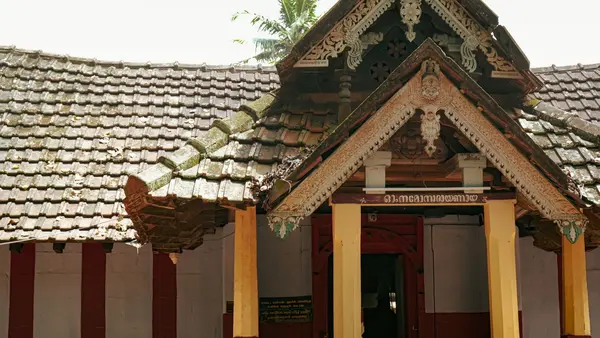
6. Parassinikadavu Muthappan Temple
Where gods are reflected in mirrors and monkeys are fed like royalty. Witness ancient Theyyam dance rituals along the banks of the Valapattanam River.
Quick facts: Devotees line up daily for the ritual feeding of hundreds of monkeys who gather at the temple grounds. Unlike most Hindu temples where the head priest is a Brahmin, here a member of the local tribal community performs the sacred rituals.
Highlights: Every evening, the temple comes alive with a mesmerizing performance of Theyyam, a 2,000-year-old ritual dance where performers transform into living deities through elaborate costumes and trance-like movements. The main deity is never represented by a carved statue but by a bronze mirror called a valkannadi, which reflects the face of each devotee as they stand before it.
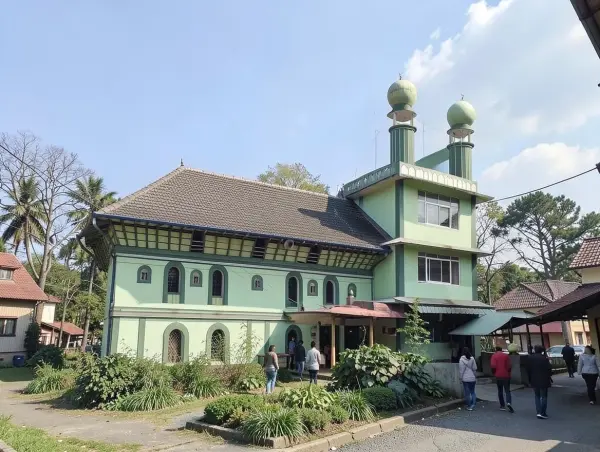
7. Pazhayangadi Mosque
A dazzling white mosque where pilgrims leave thousands of miniature wooden horses as offerings. Watch sunlight dance across three onion domes while absorbing centuries of Sufi devotion.
Quick facts: Three graceful domes and a towering minaret mark this whitewashed Muslim shrine in Kerala's Kannur district. Devotees offer small wooden horses as votive offerings, a tradition tied to the mosque's association with a revered Sufi saint.
Highlights: The mosque's striking architectural style blends Islamic domework with traditional Kerala elements, creating a pure white silhouette against the green landscape. Tiny hand-carved wooden horses left by thousands of devotees line the inner walls, each one representing a prayer or wish made at the shrine.
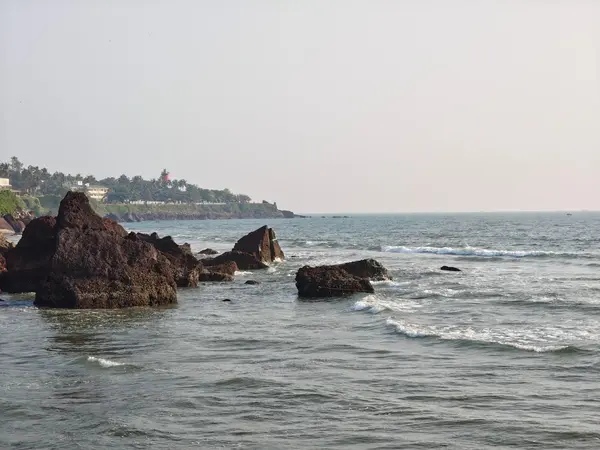
8. Kannur Lighthouse
Climb 90 spiral steps for a jaw-dropping view where the Arabian Sea crashes against rocky cliffs. Feel the ocean breeze at the top as fishing boats dance on the turquoise water below.
Quick facts: Perched on a rocky cliff overlooking the Arabian Sea, this lighthouse has guided ships through the treacherous waters off Kerala's coast since the early 1900s. Its distinctive red and white bands make it instantly recognizable to sailors approaching the port of Kannur from miles away.
Highlights: Unlike most lighthouses you can only view from below, this one lets you climb all the way to the top for a 360-degree panorama where the Lakshadweep Sea meets coconut-fringed shores. On clear days, you can spot the distant outline of the Mappila Bay fishing fleet heading out for the morning catch, their wooden hulls bobbing against the horizon.
Where to Stay in Muluppilagadu, India
Selected by City Buddy based on guest reviews and proximity to top attractions
Search all hotels in Muluppilagadu, IndiaPowered by agoda
Opening days in Muluppilagadu, India
Which of the top sights close on which day of the week — the classic trip-ruiner, checked for you.
Good news: all 4 top sights with known hours are open every day of the week.
Closed on Monday · 0 closed, 4 open
Nothing closes on Monday — all 4 sights with known hours are open.
Opening days from Google Maps (checked 2026-08-06). Public holidays, strikes and seasonal hours can differ — check the official website before you go.
Traditional Sweet Dishes
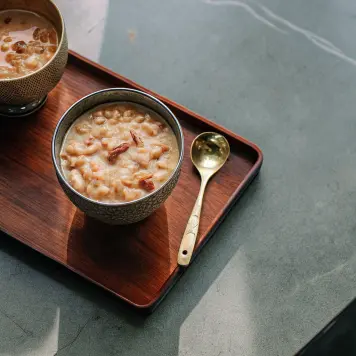
Payasam
Payasam is a creamy rice pudding made with coconut milk and jaggery, and it is an essential offering in Kerala temples during festivals and special occasions.

Unniyappam
Unniyappam are small, round, deep-fried fritters made from rice flour, jaggery, banana, and coconut pieces, and their name literally means "small rice cake" in Malayalam.

Ada Pradhaman
Ada Pradhaman is a rich Kerala dessert made with rice flakes cooked in thickened coconut milk and sweetened with jaggery, often served as the grand finale of a traditional Sadya feast.
Traditional Savory Dishes
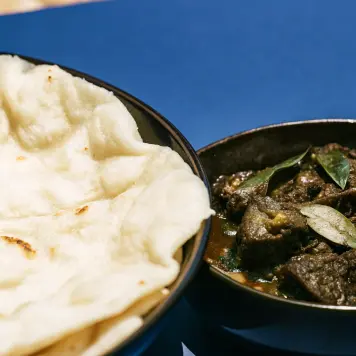
Kerala Porotta with Beef Fry
Kerala porotta is a flaky, layered flatbread made with refined flour and oil, and it is famously paired with spicy, tender beef fry cooked with coconut slices and curry leaves.
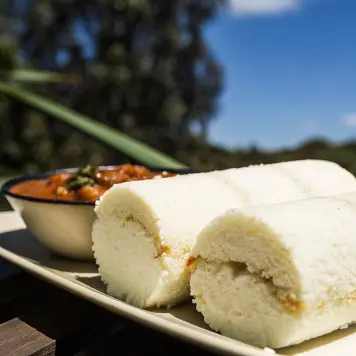
Puttu and Kadala Curry
Puttu is a steamed cylindrical rice cake layered with grated coconut, and it is a beloved breakfast staple in Muluppilagadu when served with spicy black chickpea curry.

Meen Pollichathu
Meen Pollichathu features fresh pearl spot fish marinated in a spicy masala paste, wrapped in a banana leaf, and roasted to perfection, giving it a unique smoky aroma.
Traditional Beverages
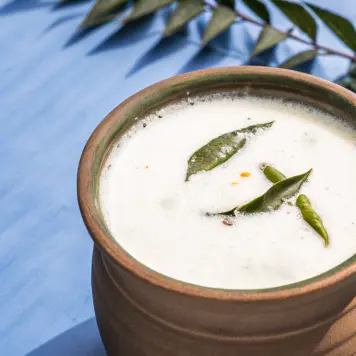
Sambharam (Spiced Buttermilk)
Sambharam is a refreshing traditional buttermilk drink tempered with ginger, green chili, and curry leaves, and it is consumed daily in Kerala to aid digestion and beat the tropical heat.

Kerala Black Tea
Kerala's black tea is grown in the lush highland estates of Munnar and Wayanad, and the local tradition involves brewing it strong with milk and sugar for a bold, comforting cup.
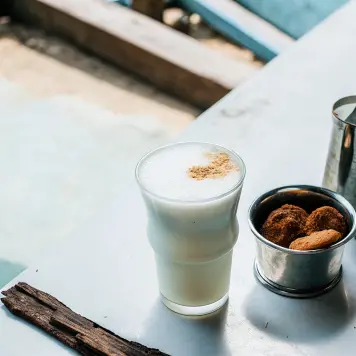
Palm Toddy (Kallu)
Palm toddy is a mildly fermented traditional drink tapped from coconut or palm trees, and it is often enjoyed fresh in coastal villages like Muluppilagadu with spicy fried snacks.
Frequently Asked Questions about Muluppilagadu, India
Is Muluppilagadu, India safe?
Best time to visit Muluppilagadu, India?
How many days in Muluppilagadu, India?
Is Muluppilagadu, India expensive?
How to get around Muluppilagadu, India?
Get a PDF with the most popular attractions sent to your email
Get a PDF with all attractions, ratings, and tips. Perfect for offline use.
Most popular day trips
Muzhappilangad Drive-in Beach
India's only drive-in beach with scenic coastal views
Madayi Para
Ancient rock hill with a historic mosque and panoramic views
Valapattanam
Quiet riverside town famous for boat building and fishing
Getting there
Airports
Train stations
Shoranur-Mangalore line, Konkan Railway
From Kannur airport, take a prepaid taxi or bus to Muluppilagadu. The train station is well connected to major Indian cities.
Useful information for Muluppilagadu, India
Overview for Muluppilagadu, India
Want a day-by-day plan for Muluppilagadu, India? Open the trip planner
Plan your perfect trip to Muluppilagadu, India
Get a complete travel plan built just for you in under 30 seconds, with daily routes, local food tips, budget estimates and more.
Are any of these especially important to you?
Select all that apply
Getting around
How do you want to move between places?
Plan language: English