 CityBuddy
 English
Tourist scams and rip-offs in Bali, Indonesia: how to avoid them
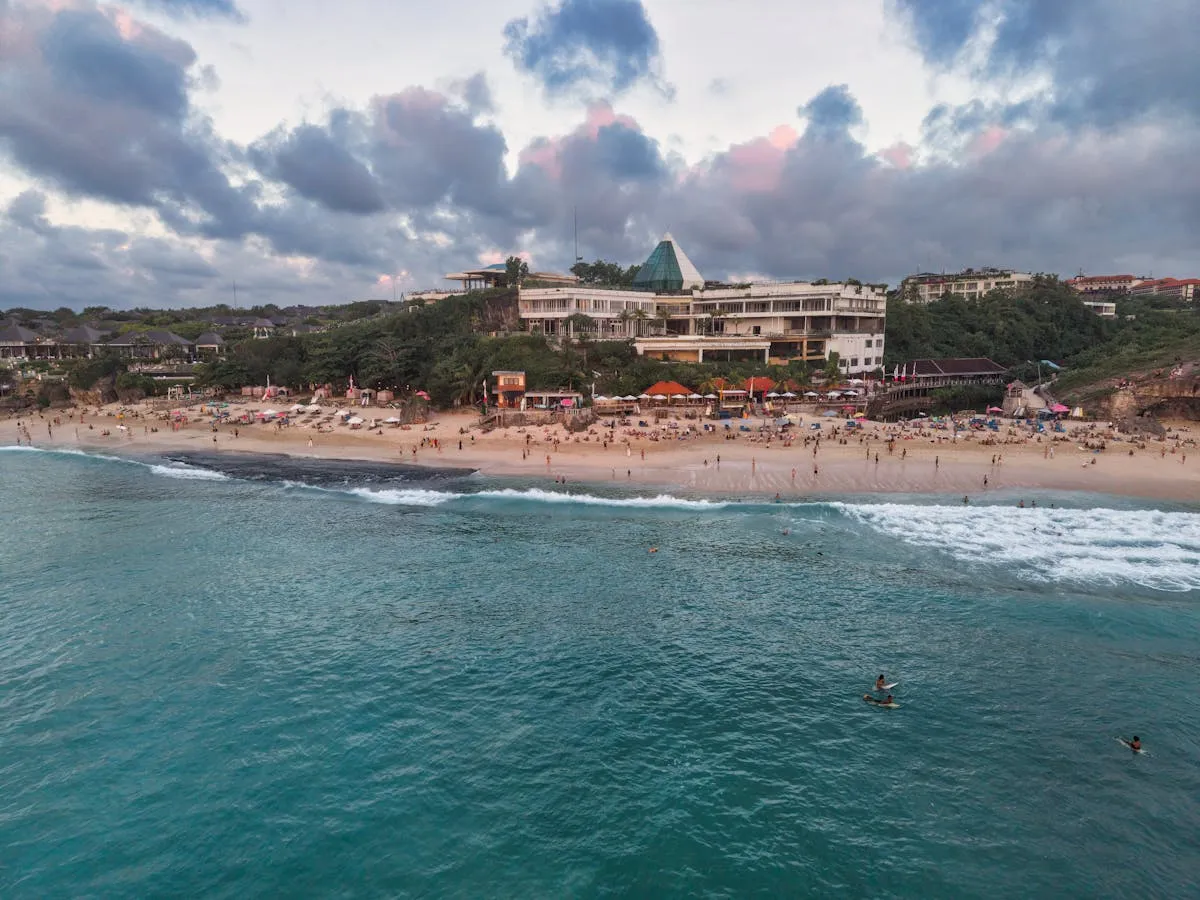
Photo made by Tom Fisk on Pexels.com
Bali is generally safe and welcoming for tourists, but petty scams and overcharging are common around transport and attractions. The biggest thing to watch is taxi and ride-hailing overcharging, especially from unlicensed drivers at the airport and popular tourist spots. Use official ranks and apps, agree on prices in advance, and keep valuables secure in crowded areas.
Updated October 2026
Common scams in Bali, Indonesia and how to avoid them
1. Airport driver overcharging
How it works: Unlicensed drivers approach arrivals with fixed prices far above the metered or official rank fare. They quote in dollars or inflated rupiah amounts and pressure tourists who do not know the going rate.
How to avoid it: Walk past all touts to the official taxi counter inside the terminal. Use Blue Bird, Gojek, or Grab where permitted.
2. Taxi meter refusal
How it works: Some taxi drivers outside tourist areas refuse to use the meter and quote a flat price 2 to 3 times the metered fare. Others say the meter is 'broken'.
How to avoid it: Insist on the meter or a fixed price agreed before starting. Use ride-hailing apps where the fare is set upfront.
3. Temple sarong rental upsell
How it works: At temples like Tanah Lot or Uluwatu, vendors may claim entry requires buying overpriced sarongs and sashes, or that you must rent from them specifically at inflated prices.
How to avoid it: Official sarong rentals are cheap and available at the entrance. Ignore street vendors claiming you cannot enter without their item.
4. Money changer rate tricks
How it works: Some exchange booths, especially in tourist strips, advertise a good rate but add hidden fees, count notes quickly to shortchange you, or use a 'no commission' sign while paying a worse rate.
How to avoid it: Use major bank ATMs or well-known bank exchange counters. Count your money carefully and walk away if the deal seems too good.
5. Scooter rental damage claim
How it works: Some rental shops inspect the scooter after return and claim damage you did not cause, demanding cash payment. Others hold your passport as deposit and refuse to return it.
How to avoid it: Take dated photos of the scooter before riding. Never leave your passport; offer a photocopy or deposit instead.
6. Gemstone and gold deals
How it works: Vendors sell 'gold' jewelry, gemstones, or antiques claiming real value at bargain prices. Items are often plated, synthetic, or fake and worthless on resale.
How to avoid it: Treat such purchases as souvenirs only at souvenir prices. Do not expect investment value or authenticity certificates.
7. Bill padding at tourist spots
How it works: Some restaurants in busy tourist areas add items you did not order to the bill, or apply a service charge plus a separate 'tip line' to double collect. Menu prices may be quoted in dollars at poor rates.
How to avoid it: Review the itemized bill carefully. Ask for prices to be shown in rupiah. Do not tip on top of an added service charge.
Official tickets for the top sights in Bali, Indonesia
Skip street sellers: book official tickets and tours with free cancellation.
From the airport to the city centre
Ngurah Rai International Airport (DPS)
Fair taxi price (official, daytime): 150,000 Rp - 300,000 Rp (€7.5 - €15). Use the official taxi counter inside the arrivals terminal. Blue Bird and other metered taxis from the official rank charge a fair fare. Refuse drivers who approach you before the rank with "fixed" high prices.
Best alternative: Official airport bus (Perama or Trans Sarbagita) to central Denpasar or Kuta area (50,000 Rp (€2.47), about 45 min)
Public transport: tickets, validation and fines
- Single ticket
- 7,000 Rp (€0.35) (Trans Sarbagita single ride fare for local bus on Denpasar routes)
- Validation rules
- Tap your card or ticket when boarding. On Gojek and Grab rides, the fare is set in the app. For bemos and angkot, negotiate the fare before boarding, as there is no formal ticketing system.
- Paying by card
- Gojek and Grab apps work with international cards and charge the app fare. Local buses mostly take cash. No widespread daily fare caps are published.
Tipping and service charges
Tipping: Not required but appreciated. 5 to 10 percent at tourist restaurants is common. Taxi drivers and tour guides may be tipped a small amount for good service. No pressure to tip beyond that.
Cover and service charges: Many restaurants add a service charge of 5 to 10 percent plus local tax, shown on the bill. Check the bill before paying; this charge replaces the need for a separate tip. Some places add it without saying, so always review the receipt.
Cards, ATMs and currency exchange
Prefer ATMs attached to major banks over standalone machines in minimarts or tourist strips, which can charge higher fees. Always choose to be charged in Indonesian rupiah and decline dynamic currency conversion offered by the ATM or card terminal. Many local merchants and small stalls take cash only, so carry some rupiah in small notes.
Areas where extra care is advised
- Kuta / Legian nightlife corridors: Around the main nightlife streets late at night, keep bags and phones secured and stick to licensed taxis or ride-hailing apps rather than accepting rides from strangers.
- Ubud markets: Around the central market and monkey forest road, keep wallets in front pockets and be firm but polite when declining persistent street vendors.
Emergency number
112
Planning your budget?
Frequently Asked Questions about Bali, Indonesia
Is Bali, Indonesia safe for tourists?
How much is a taxi from the airport to the centre of Bali, Indonesia?
Do I need to validate public transport tickets in Bali, Indonesia?
Is tipping expected in Bali, Indonesia?
What is the emergency number in Bali, Indonesia?
Based on widely reported traveler experiences and official advice. Prices are approximate and change; check current fares on arrival. Updated October 2026.