 CityBuddy
 English
Tourist scams and rip-offs in Kobe, Japan: how to avoid them
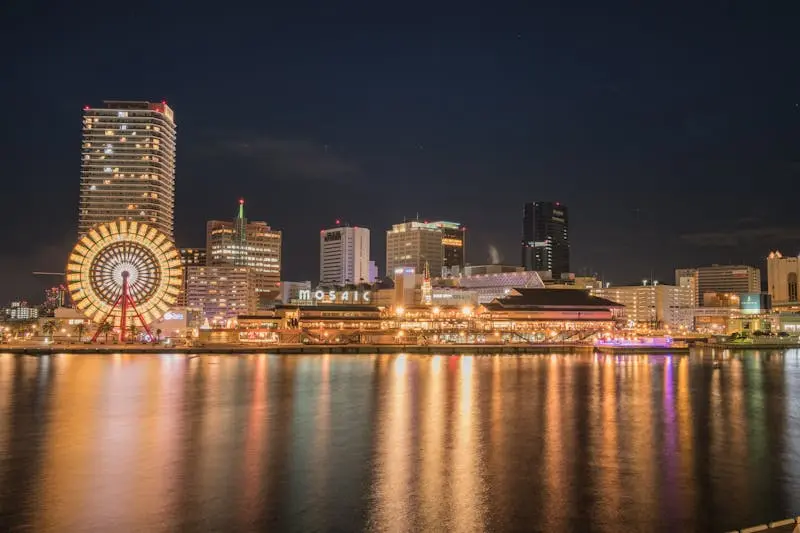
Photo made by Pixabay on Pexels.com
Kobe is a low-crime, orderly Japanese city where scams against tourists are rare but not absent, mainly around transport and nightlife. The biggest practical risks are taxi metering from the airport, ticket validation mistakes on transit, and ATM currency conversion fees. Follow official taxi ranks, validate your transit ticket, and decline dynamic currency conversion at ATMs.
Updated October 2026
Common scams in Kobe, Japan and how to avoid them
1. Unlicensed drivers at airport
How it works: Occasional reports of drivers approaching arriving passengers inside Kobe Airport or nearby, offering a flat fare well above the meter. They bypass the official taxi rank and are not city-licensed drivers.
How to avoid it: Walk straight to the official taxi rank outside arrivals and take a metered taxi. Do not follow anyone offering a fixed price inside the terminal.
2. Hidden otoshi seating charge
How it works: Some izakaya and smaller bars automatically bring a small appetizer and add a seating charge (otoshi) to the bill without clearly announcing it. Tourists may be surprised by an extra line item.
How to avoid it: Check the door board or menu for seating charge wording before sitting. Ask about it at entry if you do not read Japanese.
3. Booth and machine exchange markups
How it works: Currency exchange counters and unattended machines near major stations post wide buy-sell spreads and add fees, especially late at night when banks are closed and travelers have no alternative.
How to avoid it: Use bank-attached ATMs (Post, Seven Bank) for cash and always choose JPY. Avoid exchange booths except in an emergency.
4. Dynamic currency conversion at ATMs
How it works: Some international-card ATMs offer to charge you in your home currency instead of JPY. The conversion rate is poor and adds hidden cost to every withdrawal.
How to avoid it: Always choose to be charged in JPY and decline the conversion offer. Use bank-attached ATMs that do not present this option.
5. Ticket validation confusion on buses
How it works: Tourists unfamiliar with Japanese city buses board without taking a numbered boarding ticket or tapping an IC card, then cannot pay the correct zone-based fare when alighting, leading to overpayment or disputes.
How to avoid it: Tap your IC card on entry and exit, or take a numbered ticket on boarding and pay the displayed fare when alighting. Ask the driver if unsure.
Official tickets for the top sights in Kobe, Japan
Skip street sellers: book official tickets and tours with free cancellation.
From the airport to the city centre
Kobe Airport (UKB)
Fair taxi price (official, daytime): ¥3,000 - ¥3,500 (€17 - €20). Kobe Airport is a short ride to central Kobe. Use the official taxi rank outside arrivals; taxis are metered and regulated. Refuse any driver soliciting inside the terminal or offering a flat fare well above the meter reading. Kobe Airport is a smaller domestic airport; most international visitors arrive via Kansai or Itami.
Best alternative: Port Liner automated guideway train from Kobe Airport to Sannomiya station (¥340 (€1.94), about 18 min)
Public transport: tickets, validation and fines
- Single ticket
- ¥200 (€1.14) (Single ride on Kobe city subway or city bus within central zones)
- Validation rules
- Kobe's subway uses ticket gates that validate automatically when you insert a ticket or tap an IC card. Buses require tapping your IC card when boarding and alighting, or taking a numbered boarding ticket for cash fares. Do not exit without paying the correct fare on buses.
- Paying by card
- ICOCA, Suica, and other major Japanese IC cards work across Kobe subway, buses, and JR lines. Contactless credit cards are not yet accepted for gates on most Kobe transit; buy a ticket or use an IC card.
Tipping and service charges
Tipping: No tipping is expected or customary in Japan. Do not tip in restaurants, taxis, or tours. Leaving cash on the table can cause confusion and is sometimes politely refused or returned.
Cover and service charges: Most Kobe restaurants do not add cover or service charges. Some izakaya and bars add a small seating charge (otoshi) shown on the menu or at entry; check the door board or menu before sitting down. Menus without prices are very rare and best avoided.
Cards, ATMs and currency exchange
Use ATMs at Japan Post Bank, Seven Bank, or major city banks, which accept international cards. Always select to be charged in JPY and decline dynamic currency conversion when offered. Avoid unattended currency exchange machines near tourist spots that post poor rates and high fees. Airport exchange counters generally give worse rates than local ATMs.
Areas where extra care is advised
- Sannomiya nightlife district: Late at night, keep bags zipped and agree prices before ordering in bars. Reports of overcharging are occasional but consistent.
- Nankinmachi (Chinatown): Crowded during festivals; keep wallets secure and check prices on menus before ordering at street stalls.
Emergency number
110
Planning your budget?
Frequently Asked Questions about Kobe, Japan
Is Kobe, Japan safe for tourists?
How much is a taxi from the airport to the centre of Kobe, Japan?
Do I need to validate public transport tickets in Kobe, Japan?
Is tipping expected in Kobe, Japan?
What is the emergency number in Kobe, Japan?
Based on widely reported traveler experiences and official advice. Prices are approximate and change; check current fares on arrival. Updated October 2026.