 CityBuddy
 English
Things to Do in Kumano, Japan
Photo made by Marcu Ioachim on Pexels.com
When to visit
Plan your perfect trip to Kumano, Japan
Get a complete travel plan built just for you in under 30 seconds, with daily routes, local food tips, budget estimates and more.
Are any of these especially important to you?
Select all that apply
Plan language: EnglishMost popular attractions in Kumano, Japan
Things to do in Kumano, Japan include trekking the ancient Kumano Kodo Pilgrimage Routes which span over 200 kilometers through sacred mountains. Visit Kumano Nachi Taisha, a grand shrine near the stunning 133-meter Nachi Falls. Seiganto-ji Temple sits nearby, offering tranquil views and spiritual history.
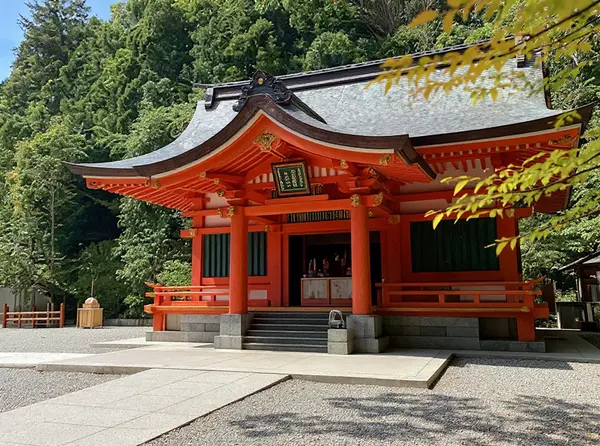
1. Kumano Nachi Taisha
Nature meets spirituality in a dramatic 133-meter waterfall shrine. Experience sacred rituals and pristine forest paths with every step.
Quick facts: A giant sacred waterfall named Nachi Falls, standing at 133 meters, majestically flows behind the main shrine, creating a dramatic natural backdrop. This site forms part of the Kumano Kodo pilgrimage route, which has drawn over 1 million pilgrims yearly for centuries.
Highlights: Visitors step into a spiritual realm where the roar of the waterfall blends with the ancient cypress trees, believed to be the dwelling of ancestral spirits. Unique rituals include adorning the waterfall with shimenawa ropes, symbolizing purification and divine protection through the seasons.
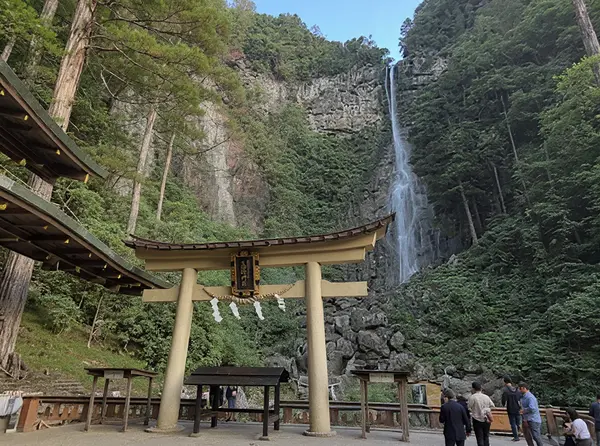
2. Nachi Falls
Towering at 133 meters, a powerful cascade of water awaits. Experience a sacred ritual and tranquil forest views that refresh your spirit.
Quick facts: The waterfall drops 133 meters making it one of Japan’s tallest single-drop waterfalls. It attracts nearly 1.2 million visitors annually who come to admire its uninterrupted cascade and misty spray.
Highlights: Spraying water from the falls is believed to bring good fortune and health, inspiring a unique ritual where visitors catch droplets on leaves to sprinkle on themselves. In autumn, the surrounding forest bursts into fiery red and gold hues, framing the waterfall in breathtaking seasonal color.
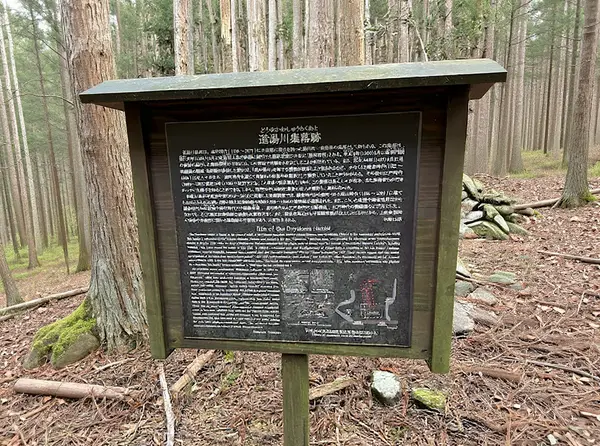
3. Kumano Kodo Pilgrimage Routes
Trace footsteps of centuries-old pilgrims through serene forests. Experience tranquil mountain paths and sacred traditions first-hand.
Quick facts: Ancient paths cross through dense cedar forests and connect three major shrines across 100 kilometers of rugged terrain. Pilgrims have walked these routes for over 1,000 years, tracing footsteps of emperors and monks alike.
Highlights: Walking along moss-covered stone steps, travelers can hear the distant ringing of a bell from Kumano Hayatama Taisha shrine, a ritual believed to cleanse the soul. A secretive mountain herb, "kumano-cha," grows only here and locals brew it into a calming tea cherished by pilgrims.
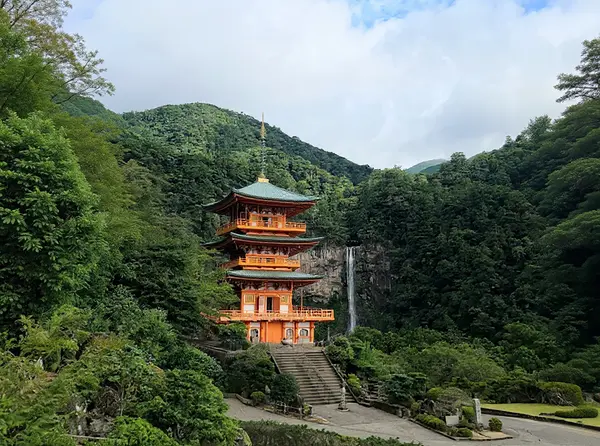
4. Seiganto-ji Temple
Experience a unique blend of vibrant architecture and nature’s power. Walk beneath cascading water and soak in ancient spiritual vibes.
Quick facts: Seiganto-ji is part of a sacred pilgrimage route with roots extending over 1,200 years. Visitors often pass through a waterfall nearby, believed to purify the body and spirit before entering the temple.
Highlights: The temple's vibrant red pagoda stands just 15 meters from a dramatic waterfall, an unusual combination that creates a magical misty atmosphere. Legend says the waterfall was revealed by a monk striking a rock with his staff, adding a mystical aura to the site.
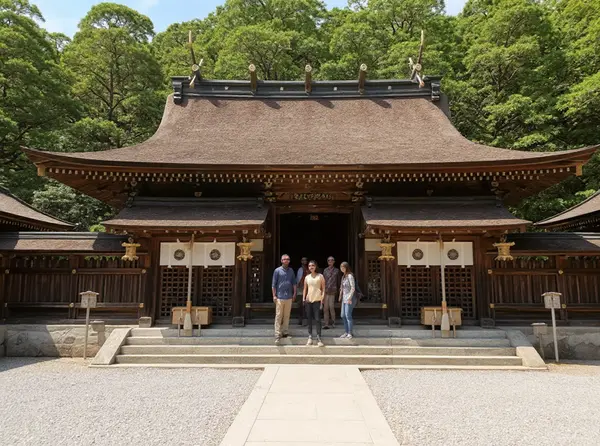
5. Hongu Taisha Shrine
Experience a sacred pilgrimage site with deep spiritual vibes. Walk under ancient cedars and witness unique fire-walking rituals.
Quick facts: The shrine is part of a network of Kumano Sanzan with three major shrines attracting over 2 million pilgrims annually. Visitors can find ancient cedar trees over 800 years old lining the approach road, creating a majestic natural tunnel.
Highlights: A mysterious ritual is performed every 60 years where priests walk 30 kilometers barefoot over fire to renew the shrine's spiritual power. The shrine's thatched roof, one of Japan's largest, covers an area measuring 39 by 11 meters, creating a stunning architectural silhouette against the forest backdrop.
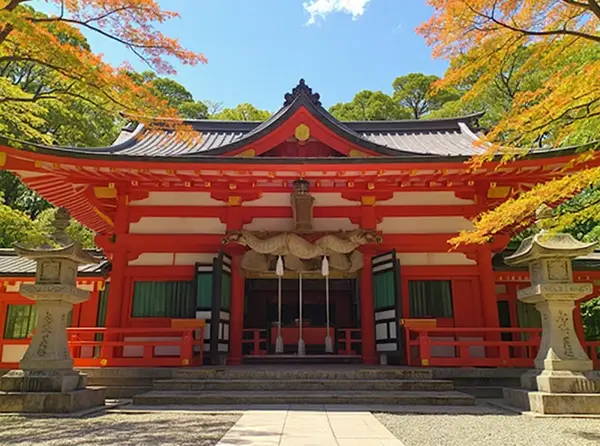
6. Kumano Hayatama Taisha
Step into a spiritual sanctuary surrounded by ancient cedar trees. Experience captivating rituals where tradition meets nature.
Quick facts: Imagine walking under a grand cedar tree that is over 800 years old standing at the shrine’s entrance. The shrine houses a precious artifact: the sacred mirror representing the spirit of the sun goddess Amaterasu, a key figure in Japanese mythology.
Highlights: A sacred ritual called the "Fire Festival" lights up the shrine every summer with torchlight processions attracting over 30,000 people. The shrine’s architecture blends harmoniously with the ancient forest surrounding it, creating a serene atmosphere that feels like stepping back in time.
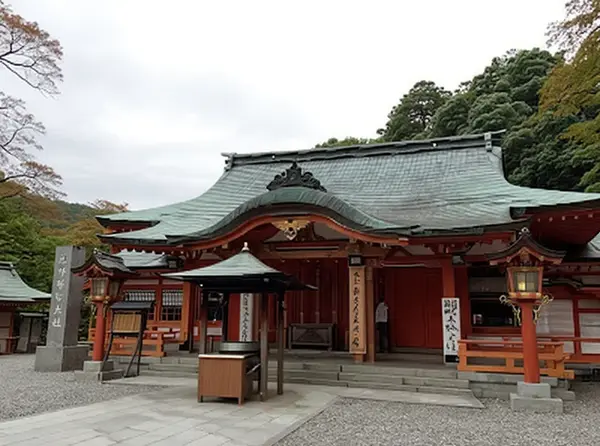
7. Kumano Nachi Taisha Treasure Hall
Explore centuries-old sacred artifacts and serene chants. Feel the calm spirit through ancient statues and scrolls.
Quick facts: The Treasure Hall houses over 100 religious artifacts including ancient sutras and statues dating back to the 10th century. Visitors can see scrolls and reliquaries that have been carefully preserved through centuries of pilgrimages.
Highlights: Among the exhibits, a 14th-century statue of a deity carved from camphor wood stands out with intricate details on its robes. A quiet room allows visitors to experience traditional Buddhist chanting through ambient audio, creating an immersive spiritual atmosphere.
Where to Stay in Kumano, Japan
Selected by City Buddy based on guest reviews and proximity to top attractions
Search all hotels in Kumano, JapanPowered by agoda
Traditional Sweet Dishes
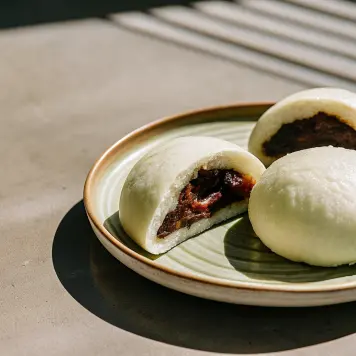
Kumano Manju
Kumano Manju is a steamed bun filled with sweet red bean paste, traditionally enjoyed during festivals and pilgrimages in the Kumano region. Its fluffy texture and rich flavor make it a beloved local treat.
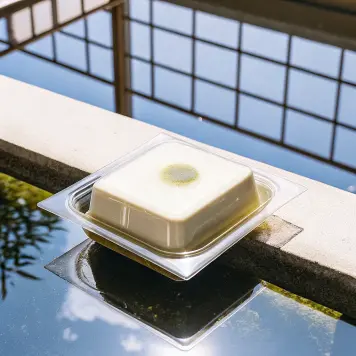
Uiro
Uiro is a jelly-like sweet made from rice flour and sugar, often flavored with subtle regional ingredients like yuzu or matcha. It is admired for its smooth, chewy texture and delicate sweetness.
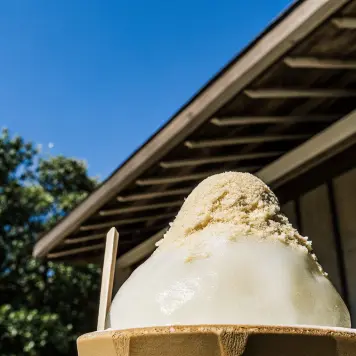
Kuzumochi
Kuzumochi is a refreshing dessert made from kudzu starch, served chilled with kinako (roasted soybean flour) and kuromitsu syrup. It is a traditional sweet that offers a cool relief in Kumano's warmer months.
Traditional Savory Dishes
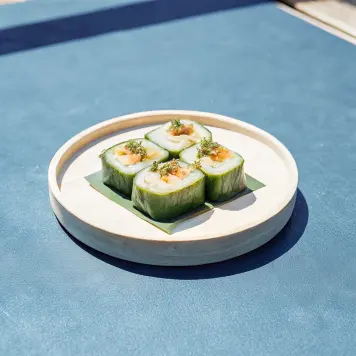
Mehari-zushi
Mehari-zushi is a traditional Kumano sushi wrapped in pickled mustard leaves, known for its tangy and savory flavor profile. This dish originated as a portable meal for workers and pilgrims, embodying the local culinary tradition.

Kumano Saba-zushi
Kumano Saba-zushi features vinegared mackerel atop sushi rice wrapped in kelp, reflecting the region's rich fishing culture. It is praised for its umami-packed taste and was historically made for long journeys.
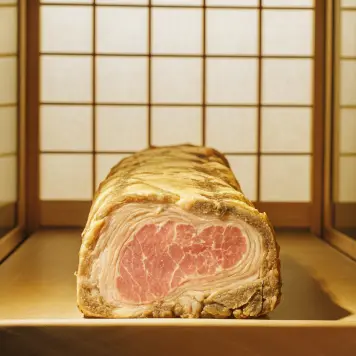
Yamato Beef
Yamato Beef from the Kumano area is celebrated for its tenderness and rich marbling, often grilled or prepared in sukiyaki style. This premium beef highlights the excellence of Kumano's livestock farming.
Traditional Beverages

Kumano Umeshu
Kumano Umeshu is a sweet plum wine made with locally harvested ume plums, offering a perfect balance of tartness and sweetness. It is a traditional drink enjoyed for its refreshing taste and digestive benefits.

Kumano Sake
Kumano Sake is brewed using pristine water from the Kumano mountains, renowned for its clean and crisp flavor profile. This sake represents the region's dedication to high-quality rice wine production.

Sansho Tea
Sansho Tea is made from the aromatic pepper leaves native to Kumano, prized for its unique citrusy and spicy flavor. It is traditionally consumed for its warming and medicinal properties.
Frequently Asked Questions about Kumano, Japan
Is Kumano, Japan safe for travelers?
How many days should I spend in Kumano, Japan?
What is the best time to visit Kumano, Japan?
Is Kumano, Japan expensive for tourists?
How do I get around Kumano, Japan?
Get a PDF with the most popular attractions sent to your email
Get a PDF with all attractions, ratings, and tips. Perfect for offline use.
Most popular day trips
Kumano Nachi Taisha
Famous shrine known for Nachi Waterfall, the tallest waterfall in Japan.
Kawayu Onsen
Popular hot spring area located along the river, great for relaxation.
Getting there
Airports
Train stations
JR Kisei Line
From Kansai Airport, take the train to Shin-Osaka, then JR Kisei Line to Kumano Station.
Find flights to Kumano, Japan
Click to get eSim for Kumano, Japan
The easiest and most affordable way to get mobile internet wherever you travel.
Comments (9)
Not many ATMs around, so carry enough cash when heading to the rural parts of Kumano or you'll be stuck.
Stayed in Kumano for a weekend, weather was muggy but locals are super friendly. Town feels a bit sleepy though, maybe better for a chill getaway.
Kumano's nature trails are stunning but be ready for sudden rain even in spring. Loved the peaceful vibe but plan for at least 3 days to explore well.
The seafood in Kumano was fresh but pricey. Street food options are limited, so bring snacks if you want to save money.
If you buy bus tickets from the local shop rather than the bus driver, you save 20%. It isn’t obvious so watch out for this little trick.