 CityBuddy
 English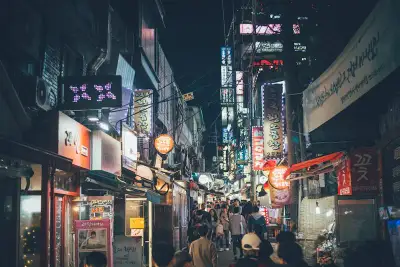
Things to Do in Shinjuku, Japan
Photo made by Tan Danh on Pexels.com
When to visit
Shinjuku is the #2 city for nightlife in the world, based on our data across hundreds of destinations.
Most popular attractions in Shinjuku, Japan
The best things to do in Shinjuku, Japan range from tranquil escapes to neon-lit adventures. Walk the 58-acre Shinjuku Gyoen National Garden, blending French and Japanese landscape styles. Ride the free elevator 202 meters up the Tokyo Metropolitan Government Building for panoramic city views. Then duck into Omoide Yokocho, a narrow alley of 60 tiny grills serving yakitori since World War II.
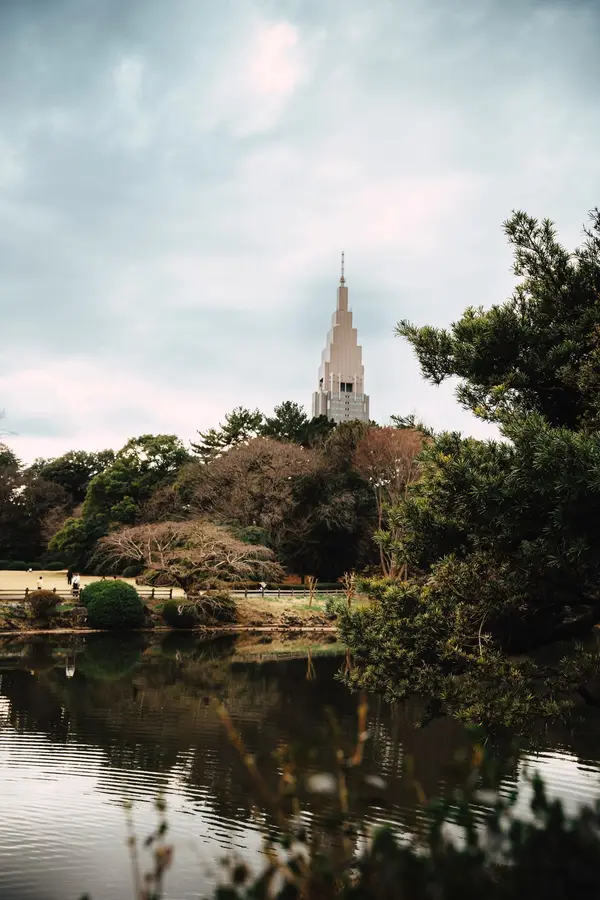
1. Shinjuku Gyoen National Garden
Escape Tokyo's neon chaos into 58 hectares of serene gardens where cherry blossoms and ancient pines frame three perfectly curated landscapes. Wander between a French formal garden, a Japanese tea house, and an English meadow in a single afternoon.
Quick facts: Across its 58 sprawling hectares, three distinct garden styles coexist: a formal French garden, an English landscape garden, and a traditional Japanese garden with a large pond. Over 20,000 trees from around the world thrive here, including some 1,500 cherry trees that burst into bloom each spring.
Highlights: A rare surviving example of an early 20th century large-scale landscape garden in Tokyo, it was once the private residence of a feudal lord before being given to the imperial family. The traditional Japanese garden section features a wooden pavilion where you can sit and watch koi fish swirl beneath you while sipping matcha tea served by kimono-clad attendants.
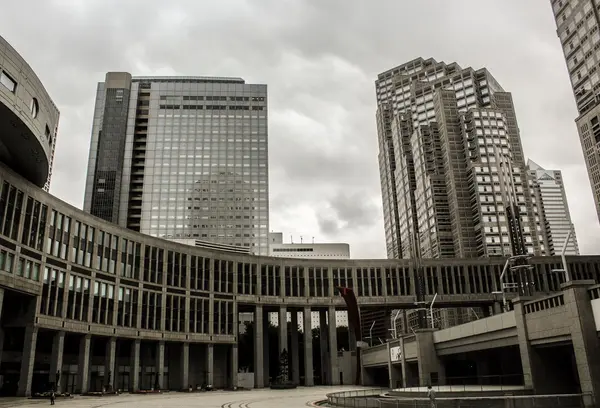
2. Tokyo Metropolitan Government Building
Two free observation decks with Tokyo's best skyline views. Ride the elevator up 45 floors and watch Mount Fuji appear on the horizon as the city sprawls beneath you.
Quick facts: Free observation decks on the 45th floor of both towers offer panoramic views stretching all the way to Mount Fuji on clear days. The building was designed to resemble a Gothic cathedral, with its twin towers rising 243 meters and its facade covered in 12,000 mirrored windows.
Highlights: Head up just before sunset and watch Tokyo transform from the 45th floor as the city lights flicker on below while the sky still holds color. The south observation deck stays open until 11 PM and offers a completely different mood at night, with far fewer crowds and the cityscape glittering like a circuit board.
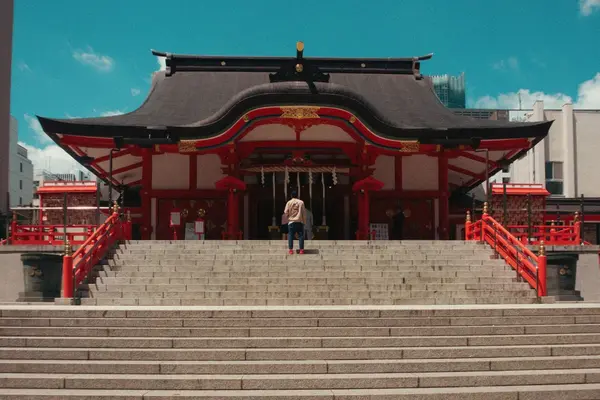
3. Hanazono Shrine
Find a pocket of serenity amid Shinjuku's neon chaos at a shrine that has anchored this neighborhood since the 1600s. Wander past towering concrete, and discover locals tossing coins, clapping hands, and whispering wishes to the gods.
Quick facts: Hanazono Shrine hosts over 300 vendors during its annual flea markets, drawing thousands of bargain hunters each weekend. Dedicated to the gods of business prosperity and good fortune, this shrine sits in the middle of Shinjuku's modern high-rises and entertainment district.
Highlights: On New Year's Eve, the shrine's massive 500-kilogram bell is rung 108 times by volunteers, each strike symbolizing the cleansing of a human desire according to Buddhist tradition. The sound reverberates through the concrete canyons of Shinjuku, creating an surreal acoustic collision between ancient ritual and neon-lit modernity.
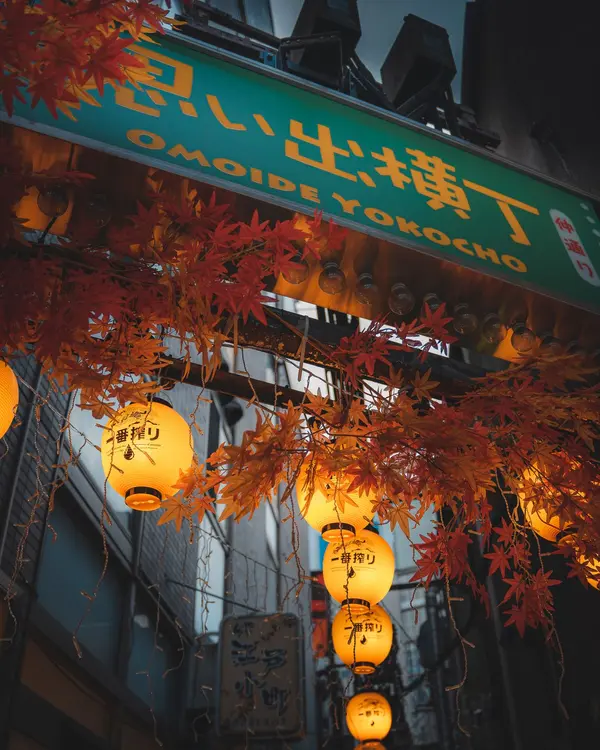
4. Omoide Yokocho
Step into a smoky, lantern-lit time capsule where Tokyo grills the best yakitori of your life. Squeeze onto a tiny counter stool, order skewers and cold beer, and watch the chefs fan glowing charcoal inches from your face.
Quick facts: Roughly 60 tiny, smoky yakitori bars and restaurants are crammed into this narrow alley network near Shinjuku Station. Locals have been squeezing onto stools here since the postwar black market days of the 1940s, when the area first sprang up.
Highlights: One of the last surviving pockets of old Tokyo, this alley somehow escaped the redevelopment that turned the surrounding neighborhood into a forest of glass skyscrapers. The air still smells of charcoal-grilled chicken and soy sauce, just as it did 70 years ago, and some shops still source their skewers from the same family-run suppliers.
5. Golden Gai
Over 200 tiny bars packed into six lantern-lit alleys where each space seats barely a handful. Wander narrow passages, duck into a 4-seat whiskey bar, and trade stories with locals until the wee hours.
Quick facts: Tucked between Shinjuku's skyscrapers, this maze of 200 tiny bars occupies six narrow alleys that survived postwar reconstruction. Most bars seat only 4-6 people, forcing strangers into close conversation over whiskey or sake.
Highlights: Many bars here are still run by aging owners who've tended the same counter for 50+ years, with some refusing to serve anyone who looks under 30. One bar has a house cat that decides when last call happens by jumping onto the customer's lap to signal it's time to leave.
6. Samurai Museum
Get closer to real samurai gear than anywhere else in Tokyo. You'll hold 700-year-old swords, try on armor, and watch live sword demonstrations daily.
Quick facts: Over 13,000 artifacts span 700 years of samurai history, from the Kamakura period through the Edo era. Visitors can handle real samurai swords and try on authentic armor under staff supervision.
Highlights: A retired samurai armor restorer personally maintains the collection and occasionally demonstrates the 45-minute process of dressing in a full suit of armor. The museum's wooden kendo floor still carries the scuff marks and dents from decades of practice by Tokyo's university kendo clubs.
7. Shinjuku Ni-chome
Nowhere else packs this much queer energy into a few neon-lit blocks. Hop between tiny bars where locals share plates of edamame and pour your next drink before you finish the first.
Quick facts: With over 300 bars, clubs, and small restaurants packed into just a few blocks, this tiny district has one of the highest concentrations of LGBTQ+ venues anywhere in the world. More than 30 percent of the bars here are tiny operations seating fewer than 10 people, making every night feel like a private party.
Highlights: Many of the bars are run by retired drag queens who have been pouring drinks in the same 10-seat counter since the 1980s, and they remember every regular by name. You can walk into a four-seat basement bar at midnight and find a 70-year-old former cabaret star singing Edith Piaf while mixing your highball.
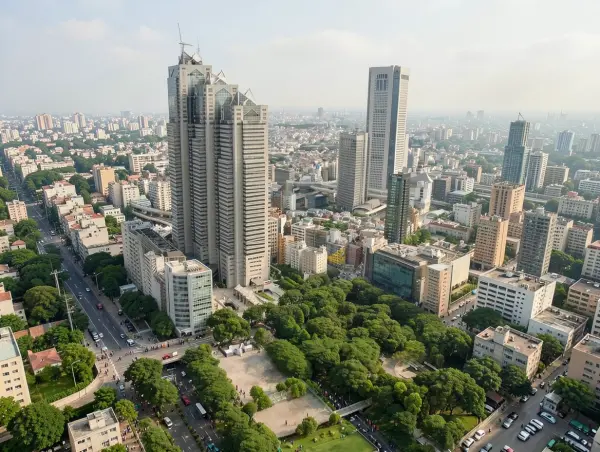
8. Shinjuku Central Park
A lush green escape sandwiched between skyscrapers, offering front-row seats to Tokyo's urban ballet. Grab a coffee, find a bench, and watch salarymen nap, crows plot, and cherry blossoms drift past concrete and glass.
Quick facts: Shinjuku's busiest commuter hub sits on one side of this green corridor, yet the park stays surprisingly quiet with over 700 cherry trees lining its paths. What was once a vacant lot awaiting a never-built sports stadium transformed into this 2.25-hectare stretch of greenery that connects two of the city's major skyscraper districts.
Highlights: On weekdays around lunch, you'll see office workers napping on the grass in their suits, a quiet Tokyo ritual that feels almost choreographed. The park also doubles as an open-air art gallery with rotating installations from the nearby Tokyo Opera City Gallery, so the sculptures change every few months.
Where to Stay in Shinjuku, Japan
Selected by City Buddy based on guest reviews and proximity to top attractions
Search all hotels in Shinjuku, JapanPowered by agoda
Opening days in Shinjuku, Japan
Which of the top sights close on which day of the week — the classic trip-ruiner, checked for you.
Monday: 1 of 8 top sights closed — plan museums for another day.
Closed on Monday · 1 closed, 7 open
Opening days from Google Maps (checked 2026-07-03). Public holidays, strikes and seasonal hours can differ — check the official website before you go.
Traditional Sweet Dishes
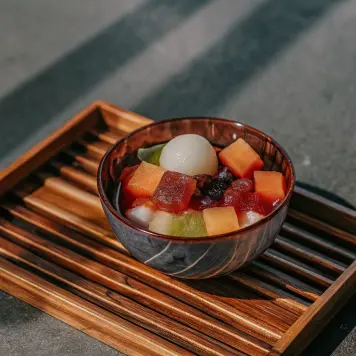
Anmitsu
Anmitsu features small cubes of agar jelly, sweet red bean paste, mochi, and fresh fruit all served with a drizzle of kuromitsu, a dark sugar syrup that originated as a medicine in the Edo period.
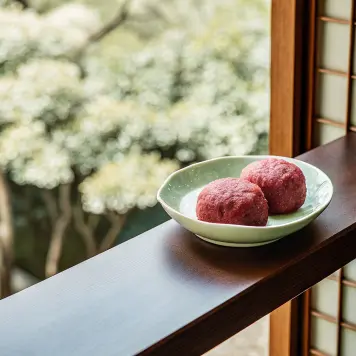
Ohagi (Botamochi)
Ohagi is a traditional sweet made from glutinous rice coated in sweet azuki bean paste, and its name changes to botamochi in spring depending on the seasonal flower in bloom.
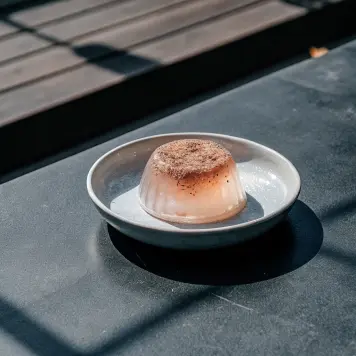
Kuzumochi
Unlike regular mochi made from rice, kuzumochi is made from kuzu (arrowroot) starch giving it a uniquely translucent, jelly-like texture, and it is often served with kinako (roasted soybean flour) and kuromitsu.
Traditional Savory Dishes
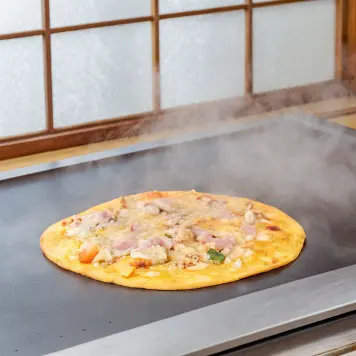
Monjayaki
Monjayaki is a thin, runny savory pancake cooked on a hot griddle that is famously associated with Tokyo's shitamachi (old town) culture, and Shinjuku has some of the best monjayaki specialty restaurants in the city.
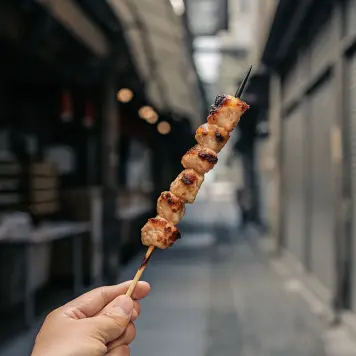
Yakitori
Shinjuku's Omoide Yokocho (Memory Lane) is legendary for its tiny yakitori stalls where skewers of chicken are grilled over charcoal, and the smoky alleyway has been a beloved dining destination since the post-war era.
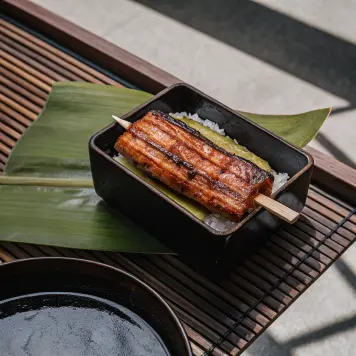
Unagi no Kabayaki
This dish features grilled eel glazed with a sweet soy-based sauce, and Shinjuku is home to some of Tokyo's most historic unagi restaurants that have been serving it continuously since the 1800s.
Traditional Beverages
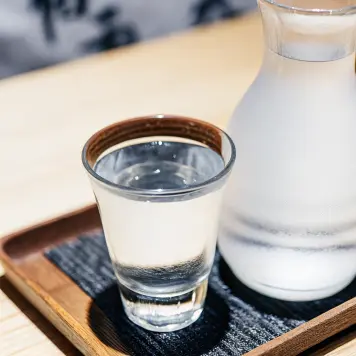
Sake
Sake is Japan's iconic rice wine, and Shinjuku's many izakaya (Japanese pubs) offer extensive sake selections where you can enjoy everything from fruity ginjo to rich, aged koshu varieties.
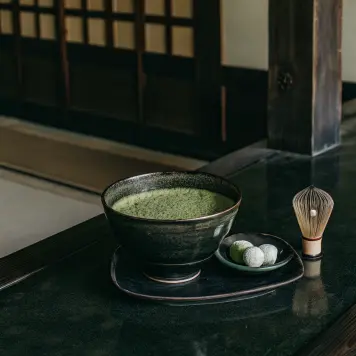
Matcha (Ceremonial Green Tea)
Matcha is a finely ground powder of specially grown green tea leaves, and Shinjuku's traditional tea houses offer this vibrant drink alongside the district's famous wagashi (Japanese sweets) for a perfect pairing.

Shochu
Shochu is a distilled spirit typically made from barley, sweet potato, or rice, and it is a staple at Shinjuku's drinking establishments where it is enjoyed on the rocks, with water, or mixed with hot water.
Frequently Asked Questions about Shinjuku, Japan
Is Shinjuku, Japan safe?
How many days in Shinjuku, Japan?
Best time to visit Shinjuku, Japan?
Is Shinjuku, Japan expensive?
How to get around Shinjuku, Japan?
Get a PDF with the most popular attractions sent to your email
Get a PDF with all attractions, ratings, and tips. Perfect for offline use.
Most popular day trips
Kamakura
Historic coastal town with Great Buddha statue and serene temples
Hakone
Hot spring resort with views of Mount Fuji and Lake Ashi
Yokohama
Port city with Chinatown, Minato Mirai waterfront and gardens
Getting there
Train stations
JR Yamanote Line, JR Chuo Line, Odakyu Line, Keio Line, Tokyo Metro Marunouchi Line
Highway bus connections to airports and other cities
From Haneda Airport take the Limousine Bus (45 min) or train via Yamanote Line. From Narita take the Narita Express (80 min) directly to Shinjuku Station.
Useful information for Shinjuku, Japan
Overview for Shinjuku, Japan
Want a day-by-day plan for Shinjuku, Japan? Open the trip planner
Plan your perfect trip to Shinjuku, Japan
Get a complete travel plan built just for you in under 30 seconds, with daily routes, local food tips, budget estimates and more.
Are any of these especially important to you?
Select all that apply
Getting around
How do you want to move between places?
Plan language: English