City BuddyCityBuddy
English
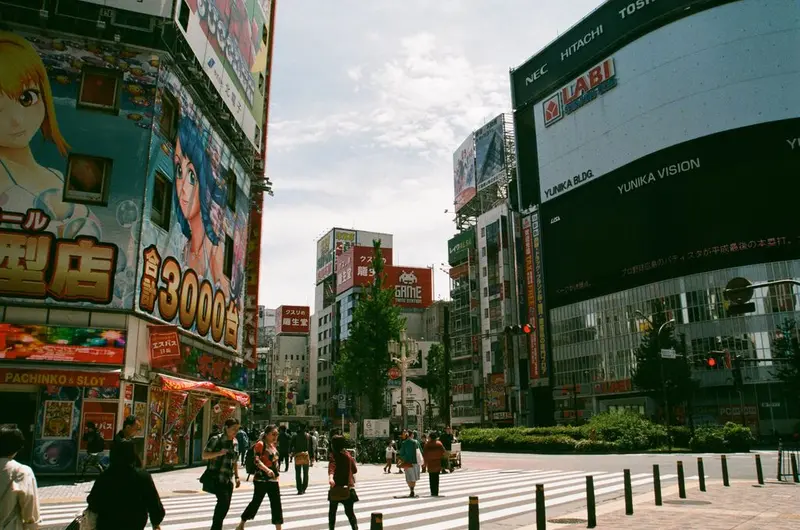
Bustling urban street in Shinjuku, Tokyo showcasing Japanese culture and vibrant billboards.

20-Day Autumn Family Adventure: Tokyo, Takayama & Hiroshima

⛰️Hiking & Outdoors⚖️Balanced Mix👨‍👩‍👧‍👦Family with Kids💎Hidden Gems & Local Spots
20 daysautumn

From neon-lit Tokyo to the alpine charm of Takayama and the poignant beauty of Hiroshima, this 20-day autumn journey blends kid-friendly discoveries, off-the-beaten-path gems, and breathtaking outdoor adventures for the whole family.

Our #1 travel tip

Book a FREE walking tour in Japan

Free walking tours. Yes, actually free. No credit card needed. No catch.

  • Local guide, 2-3 hours
  • 100% tip-based
  • You tip what feels right
Browse FREE walking toursAdrijana, founder of City Buddy

Loading

Budget Breakdown

$2,740Trip total · $137 per day

Where to stay tonight

Airbnb in Shinjuku (west side near the Tokyo Metropolitan Government Building, quieter than the east side and closer to the garden) $70-90/night

Keeps you near Shinjuku Gyoen and Omoide Yokocho while being a bit quieter for family sleep time.

Search hotels in this area
Metro15 minutes

Take the Toei Shinjuku Line from Shinjuku Station to Bakuro-yokoyama Station for the Historic Tokyo area. Alternatively, the JR Sobu Line from Shinjuku to Ryogoku Station takes 12 minutes and drops you near the Edo-Tokyo Museum for Day 2.

Where to stay tonight

Airbnb in Yanaka (quiet old town neighborhood north of Ueno Park) $70-100/night

Close to today's afternoon spots and offers a family sized apartment with kitchen for kids' snacks and early bedtimes.

Search hotels in this area
Train25 minutes

Take the JR Yamanote Line from Nippori Station to Harajuku Station for Day 3's parks and family fun. No reservation needed, just tap your Suica card. Exit the Omotesando exit for direct access to Meiji Jingu.

Where to stay tonight

Airbnb in Jiyugaoka (quiet residential neighborhood west of Shibuya) $70-90/night

Close to Todoroki Valley and full of independent shops and cafes, giving the family a calm base after busy days in central Tokyo.

Search hotels in this area
Train30 min

Take the Tokyu Toyoko Line from Jiyugaoka to Shibuya and transfer to the Yamanote Line for Odaiba. A Suica or Pasmo card works on all lines. Avoid the 8:00-9:00 am peak if possible.

Where to stay tonight

Hotel in Shibuya (major transit and entertainment hub southwest of central Tokyo) $80-120/night

Staying near Shibuya puts you right next to tonight's evening activity and the train connections to Day 5's neighborhood exploration are excellent from this station.

Search hotels in this area
Metro15 minutes

From Shibuya Station take the Tokyo Metro Ginza Line directly to Omotesando Station. No booking needed use your Suica or Pasmo card.

Where to stay tonight

Airbnb in Kichijoji (family-friendly western Tokyo suburb with park access) $70-100/night

Staying near Kichijoji lets you start Day 5 at the park and keeps you in a calm residential area with great food and shopping.

Search hotels in this area
Train20 minutes

Take the JR Chuo Line from Kichijoji Station direct to Shinjuku Station. From Shinjuku, change to the JR Yamanote Line for Harajuku Station near the Day 6 activities. Plan for 20 minutes train time plus 10 minutes to change platforms.

Where to stay tonight

Airbnb in Kiyosumi-Shirakawa (quiet residential area near the garden and Sumida River) $70-90/night

Close to Kiyosumi Teien and the Edo-Tokyo Museum, with family-friendly streets and local eateries away from Shibuya crowds.

Search hotels in this area
Train2 hours 30 minutes

Take the JR Tokaido Shinkansen from Tokyo Station to Takayama Station (limited express Hida requires a transfer at Nagoya). Book reserved seats online via JR SmartEX app at least one day ahead for family seating.

Where to stay tonight

Airbnb in Takayama Old Town (historic district near the Miyagawa River with traditional wooden houses and morning markets) $70-90/night

Close to the morning markets and old streets for Day 8 exploration, and many guesthouses offer private onsens for family use after a long travel day.

Search hotels in this area
Walking5-10 minutes

Since your accommodation is in Takayama Old Town, Day 8's activities are within easy walking distance. No transport needed; just step outside to explore the preserved streets and morning market stalls.

Where to stay tonight

Hotel in Sanmachi Suji area (historic heart of Takayama) $60-90/night

Walking distance to all today's activities and the morning market.

Search hotels in this area
Bus50 minutes

Take the Nohi Bus from Takayama Station to the Shirakawago bus stop. Reserve seats a day in advance at the station counter or online.

Where to stay tonight

Airbnb in Sannomachi area (historic wooden merchant district south of the river) $70-90/night

Central walking distance to both the Folk Village bus stop and the Showa Museum, with family sized apartments that give more space than a hotel room.

Search hotels in this area
Bus1 hour

Take the Nohi Bus from Takayama Bus Center to Hirayu Onsen, then transfer to the Kamikochi shuttle bus arriving at Kamikochi Bus Terminal. Book the Takayama Kamikochi Highway Bus online in advance as seats fill up in autumn.

Where to stay tonight

Bed & Breakfast in Sanmachi Suji area (the preserved old merchant district in central Takayama) $70-90/night

Staying in this area puts you steps from today's walking course and all the shrines and parks, and the historic atmosphere delights kids and adults alike.

Search hotels in this area
Train2.5 hours

Take the Limited Express Wide View Hida from Takayama Station to Gifu Station, then switch to the JR Tokaido Shinkansen bound for Hiroshima. Reserve your seats at the Takayama Station counter the day before, as the Hida train requires a reservation and fills up quickly with families.

Where to stay tonight

Airbnb in Takayama Old Town (historic district near the Miyagawa River) $70-100/night

Puts you steps from the morning market, festival hall, and family run soba restaurants with easy access to hiking trails.

Search hotels in this area
Train2.5 hours

Take the Limited Express Wide View Hida from Takayama to Nagoya (about 2.5 hours), then transfer to the Shinkansen to Hiroshima (another 1.5 hours). Book reserved seats online via JR Central two weeks ahead for a better rate.

Where to stay tonight

Hotel in Takayama Old Town (historic district along Sanmachi Suji) $70-90/night

Staying in the preserved merchant district lets you explore temples and craft shops on foot without needing transport.

Search hotels in this area
Bus25 minutes

Take the Nohi Bus from Takayama Station to Hida no Sato (Hida Folk Village). Buses run every 30 minutes and the trip takes 25 minutes. A one-day bus pass covers this route.

Where to stay tonight

Airbnb in Old Town (Kami Sannomachi area near the preserved merchant district) $70-90/night

Close to the morning temple trail and afternoon sake breweries, with plenty of family-run restaurants and convenience stores nearby.

Search hotels in this area
Train4.5 hours

Take the Hida Limited Express from Takayama Station to Nagoya, then transfer to the Shinkansen to Hiroshima Station. Reserve seats in advance at the JR ticket office or online, as the Hida train has limited non-reserved seating.

Where to stay tonight

Airbnb in Peace Memorial Park area (central Hiroshima near the A-Bomb Dome and river) $70-100/night

Keeps the family within walking distance of the park, museums, and restaurants with easy tram access from Hiroshima Station.

Search hotels in this area
Tram15 minutes

Take the Hiroshima Tram (Hiroden) from your accommodation in the Peace Memorial Park area to the Hiroshima Peace Memorial Museum area for Day 15. The tram runs frequently and costs about $2. No booking needed. The park, museum, and memorials are all within a compact walkable zone.

Where to stay tonight

Airbnb in Hiroshima Station area (convenient hub near tram lines and Shinkansen) $70-100/night

Close to tram access for Peace Park and easy ferry connection to Miyajima the next morning.

Search hotels in this area
Train25 minutes

Take the JR Sanyo Line from Hiroshima Station to Miyajimaguchi Station then walk 5 minutes to the ferry terminal for the 10 minute JR ferry to Miyajima. The whole journey takes about 45 minutes. Your JR Pass covers both the train and the JR ferry for free.

Where to stay tonight

Airbnb in Nagarekawa (entertainment district east of Peace Park) $70-90/night

Close to family-run udon shops and Hondori Shopping Arcade, with easy tram access to Miyajima ferry terminal.

Search hotels in this area
Train30 minutes

Take the JR Sanyo Line from Hiroshima Station to Hatsukaichi Station (covered by JR Pass) for Day 17's castle and garden area. Trains run every 15 minutes.

Where to stay tonight

Airbnb in Nagarekawa (lively dining district north of Hiroshima Castle) $70-90/night

Close to Mitaki-dera bus route and packed with family friendly izakayas and bakeries for evening exploring.

Search hotels in this area
Train45 minutes

Take the JR Sanyo Line from Hiroshima Station to Yagi Station (local train, no reservation needed). From Yagi you can walk or take a short taxi to the river cycling rental shops.

Where to stay tonight

Hotel in Kyobashi (east of Hiroshima Station near the river) $70-90/night

Close to the Ota River cycling paths and a short walk to the station and tram lines for easy access to tomorrow's departure.

Search hotels in this area
Train1.5 hours

Take the JR Sanyo Shinkansen from Hiroshima Station to Shin-yamaguchi Station. From Shin-yamaguchi transfer to the JR Yamaguchi Line to Yamaguchi Station. Total journey about 1.5 hours. Reserve seats on the shinkansen using the JR Pass; this leg is fully covered.

Where to stay tonight

Airbnb in Hatchobori (central dining and tram hub near Hiroshima Castle) $70-90/night

Close to the farewell dinner restaurants and a 10 minute tram ride from the Shinkansen station for departure day.

Search hotels in this area

Train5-15 minutes by tram plus 5 minutes walk

Take the Hiroshima tram (Hiroden Line 1 or 2) from Hatchobori to Hiroshima Station for the morning Shinkansen departure. Trams run every 5-7 minutes. Allow 30 minutes from your accommodation to the station platform.

Where to stay tonight

Airbnb in Hiroshima Station area (transport hub with direct bus to airport) $60-80/night

Being near Hiroshima Station means a short walk to the airport bus stop and easy last-minute shopping for souvenirs and snacks.

Search hotels in this area
Must-try traditional foods & drinks

What to order in Japan, with a fun fact for each

Traditional Savory Dishes

Sushi

Sushi

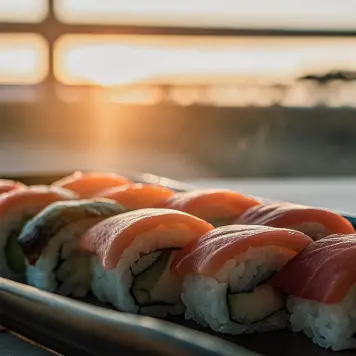
Edo-style sushi was designed to be eaten quickly by Tokyo workers, using vinegared rice and fresh, local fish to create a portable, elegant bite.

Tempura

Tempura

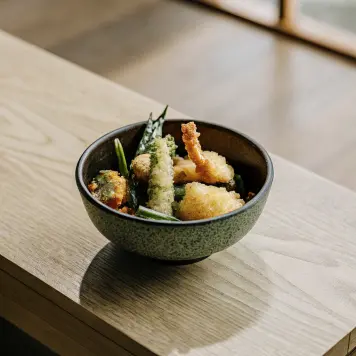
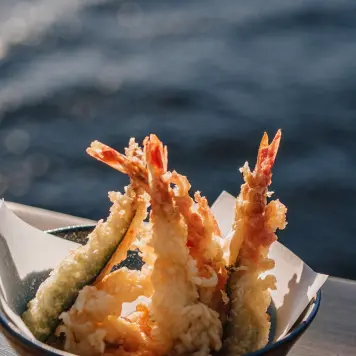
Introduced in the 16th century by Portuguese cooks, tempura became a Tokyo specialty known for its whisper-light batter fried at high heat to lock in a delicate crisp.

Ramen

Ramen

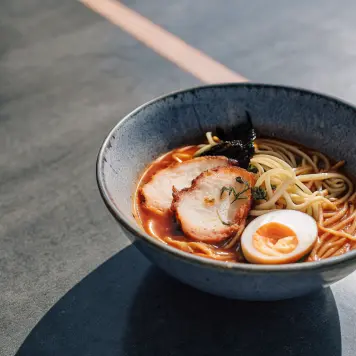
Ramen shops in Tokyo adapted Chinese noodles into many regional broths, and each shop often treats its recipe like a secret family tradition.

Hida Beef

Hida Beef

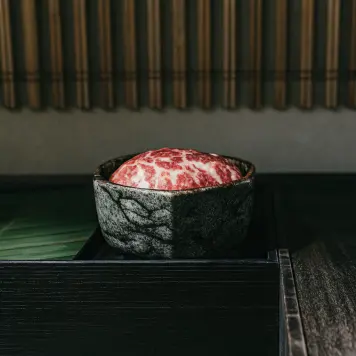
Hida Beef is a prized wagyu beef known for its tender texture and rich, marbled flavor, often grilled or served as sushi in Takayama.

Takayama Ramen

Takayama Ramen

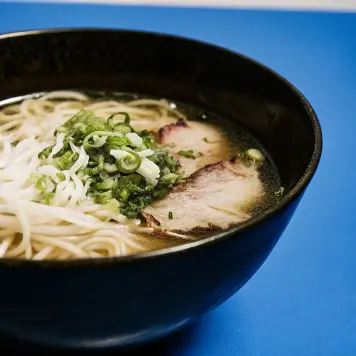
Takayama Ramen features a distinct soy-based broth with thin curly noodles, topped with green onions, char siu pork, and bamboo shoots, reflecting local tastes.

Sansai (Mountain Vegetable) Dishes

Sansai (Mountain Vegetable) Dishes

Sansai dishes use foraged mountain vegetables, celebrating the natural bounty of the nearby Japanese Alps in various stews and tempura.

Hiroshima-style Okonomiyaki

Hiroshima-style Okonomiyaki

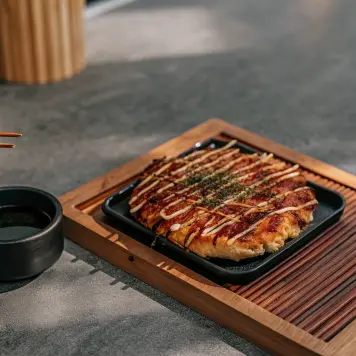
The Hiroshima-style pancake is layered with batter, large amounts of cabbage, pork, and often soba or udon noodles, distinguishing it from the Osaka version and making it a beloved local comfort food.

Kaki (Hiroshima Oysters)

Kaki (Hiroshima Oysters)

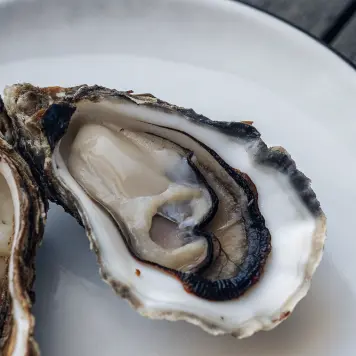
Hiroshima produces around half of Japan's oysters, and locals enjoy them fresh, grilled, deep-fried, or simmered in nabe during the winter season.

Anago Meshi

Anago Meshi

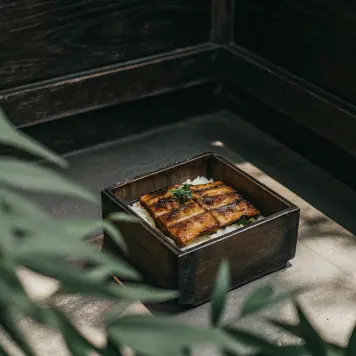
A specialty of Miyajima, anago meshi features grilled conger eel glazed with a sweet soy sauce over rice, commonly sold as a local bento and souvenir.

Traditional Sweet Dishes

Mochi

Mochi

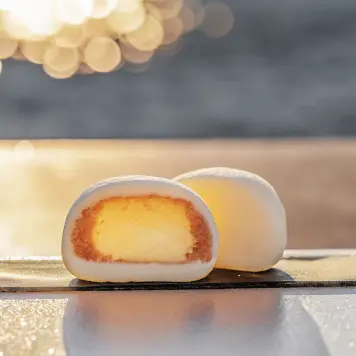
Mochi is pounded glutinous rice made into chewy cakes for New Year celebrations, and traditional mochitsuki gatherings turn the pounding into a lively community ritual.

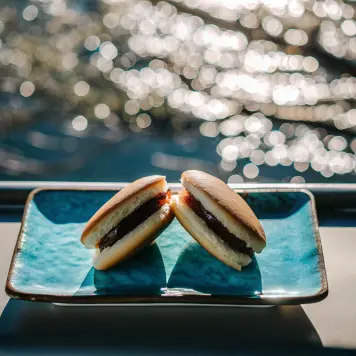
Dorayaki

Dorayaki

Dorayaki sandwiches sweet red bean paste between two fluffy pancakes, and folklore says its name comes from a stray gong left by a samurai, 'dora' meaning gong.

Taiyaki

Taiyaki

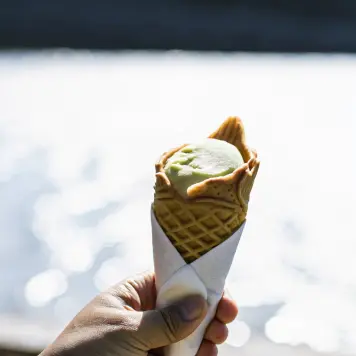
Taiyaki is a fish-shaped cake modeled on the auspicious sea bream, originally filled with red bean paste and now stuffed with everything from custard to savory fillings.

Sakuramochi

Sakuramochi

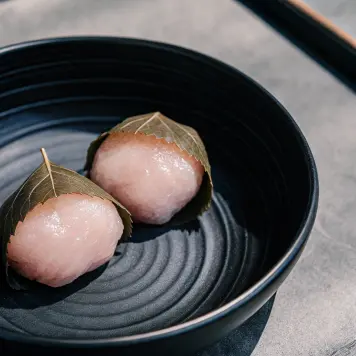
Sakuramochi is a pink rice cake wrapped in a pickled cherry blossom leaf, enjoyed during the cherry blossom season and famous for its delicate floral aroma.

Miso-dango

Miso-dango

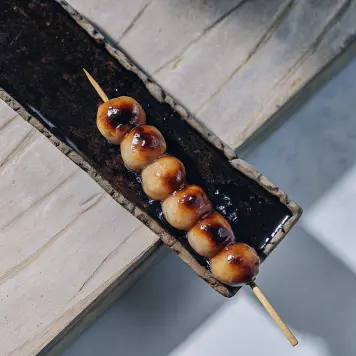
Miso-dango are skewered rice dumplings coated in a savory and sweet miso glaze, a unique twist compared to sweeter mochi varieties found elsewhere.

Hida no Yume

Hida no Yume

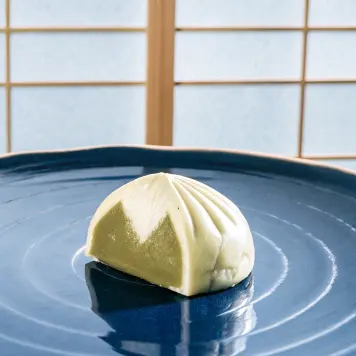
Hida no Yume is a chestnut-flavored confection representing the local produce, embodying the rich agricultural heritage of the Hida region.

Momiji Manju

Momiji Manju

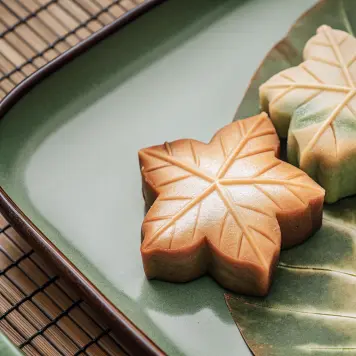
A maple-leaf-shaped cake filled with sweet red bean paste, Momiji Manju originated on Miyajima and became the region's most iconic souvenir sweet.

Hassaku Jelly

Hassaku Jelly

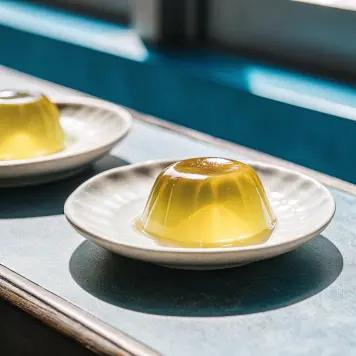
Made from hassaku, a tart citrus grown around Hiroshima, these jellies and candies capture the bright, tangy flavor local orchards are famous for.

Setouchi Lemon Cake

Setouchi Lemon Cake

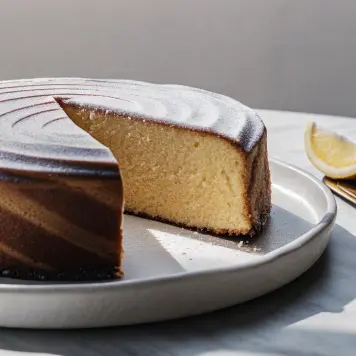
Using lemons grown on islands in the Seto Inland Sea, these light lemon cakes showcase Hiroshima's reputation for citrus and pair beautifully with tea.

Traditional Beverages

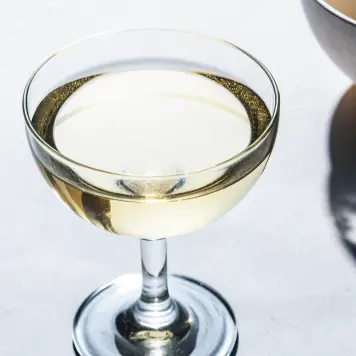
Sake

Sake

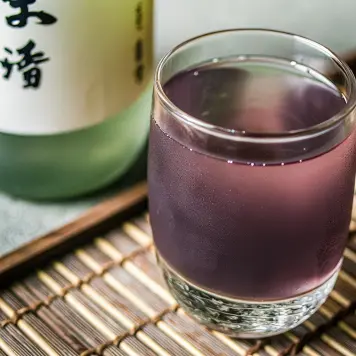
Tokyo breweries helped refine sake into a drink with wine-like complexity, and tasting notes can range from floral to umami-rich depending on rice polishing and yeast.

Green Tea

Green Tea

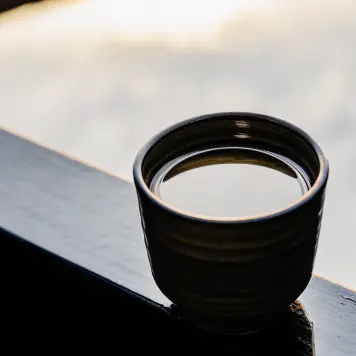
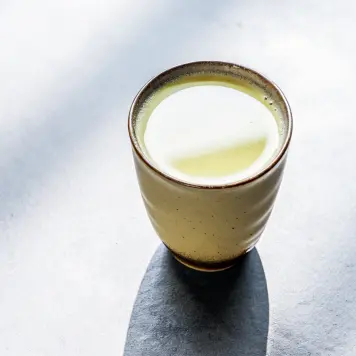
Sencha is steamed right after plucking to preserve its vivid green color and grassy aroma, and Tokyo's tea culture elevated tea into a moment of calm in busy city life.

Shochu

Shochu

Shochu is a distilled spirit distinct from sake, and in Tokyo you can explore varieties made from barley, sweet potato, or rice that each offer a different flavor profile.

Sake

Sake

Takayama is home to several traditional breweries crafting sake that pairs beautifully with the local cuisine, often enjoyed warm in winter.

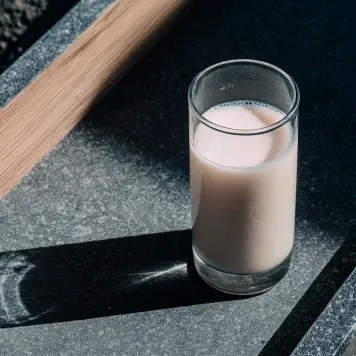
Amazake

Amazake

Amazake is a sweet, low-alcohol rice drink that has been consumed for centuries, prized for its nourishing sweetness and probiotic qualities.

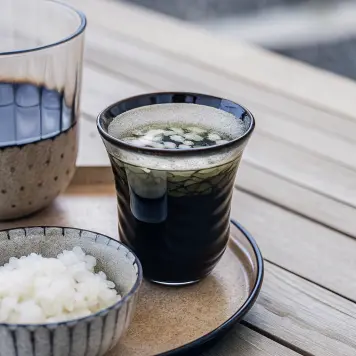
Wappa-meshi Tea

Wappa-meshi Tea

Wappa-meshi Tea is a local specialty where savory rice dishes are enjoyed with a brewed green tea poured over, creating a unique and comforting meal.

Saijo Sake

Saijo Sake

The Saijo area in Higashihiroshima is famous for its century-old breweries and mellow, well-balanced sake, making it one of Japan's most respected sake regions.

Setouchi Lemon Chu-hai

Setouchi Lemon Chu-hai

A refreshing highball made with local Setouchi lemons and shochu, lemon chu-hai highlights Hiroshima's citrus produce and is popular in summer festivals and izakayas.

Umeshu (Plum Wine)

Umeshu (Plum Wine)

Homemade and locally produced umeshu are common in Hiroshima, offering a sweet, fruity liqueur traditionally served on the rocks or with soda.

Export Your Trip

Get your trip plan as a PDF with maps and a CSV spreadsheet.

Download PDF

Selected based on proximity to your itinerary attractions and guest reviews

Search all hotels in Japan

Powered by agoda

Create another trip plan