City BuddyCityBuddy
English
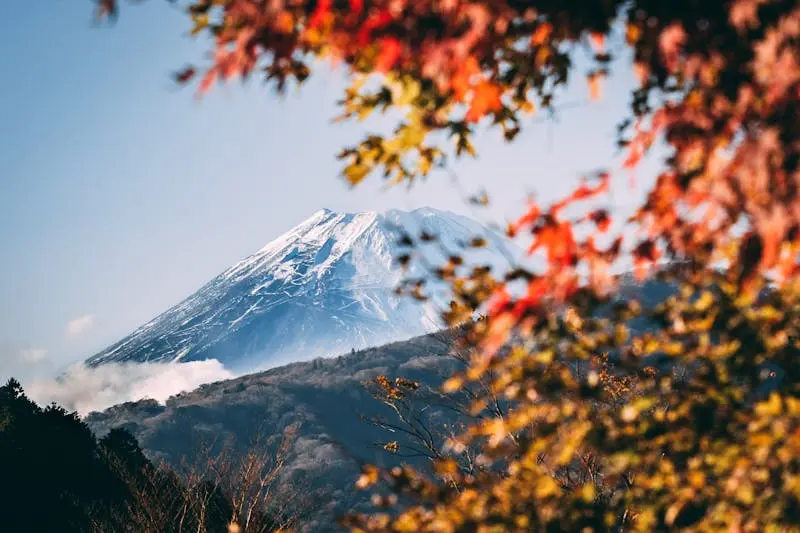
A serene view of Mount Fuji framed by vibrant autumn foliage under a clear blue sky.

14-Day Japan Spring Discovery for Hidden Gems Lovers

⚖️Balanced Mix💎Hidden Gems & Local Spots
14 daysspring

Explore Japan beyond the usual tourist path with secret courtyards, local hangouts, and offbeat spots in Tokyo, Takayama, Kanazawa, Kyoto, Hiroshima, Osaka, Hakone, and back to Tokyo.

Our #1 travel tip

Book a FREE walking tour in Japan

Free walking tours. Yes, actually free. No credit card needed. No catch.

  • Local guide, 2-3 hours
  • 100% tip-based
  • You tip what feels right
Browse FREE walking toursAdrijana, founder of City Buddy

Loading

Getting around

Your journey strings together long-haul Shinkansen legs between Tokyo, Takayama, Kanazawa, Kyoto, and onward to Hiroshima, Osaka, and Hakone before returning to Tokyo. From Tokyo Station take the Hokuriku Shinkansen to Toyama, then the limited express or highway bus to Takayama (about 4.5 hours total). Between Takayama, Kanazawa, and Kyoto, the highway bus from Takayama Nohi Bus Center to Kanazawa takes 2.5 hours, and from Kanazawa to Kyoto the Thunderbird limited express runs direct to Kyoto Station in about 2.5 hours. Within Tokyo, the JR Yamanote Line and Tokyo Metro Chiyoda and Hibiya lines cover most sights, while walking is best in Yanaka, Shimokitazawa, Asakusa, and the Gion district in Kyoto. In Kanazawa, buses loop between Kenroku-en, the Samurai District, and Higashi Chaya. A Japan Rail Pass makes the Shinkansen and intercity legs economical. Taxis via JapanTaxi, Uber, or DiDi cost roughly $1.20 per kilometer for late-night or off-route segments.

Budget Breakdown

$1,120Trip total · $80 per day

This plan belongs to another traveler, so it is read-only for you.

Where to stay tonight

Hotel in Shimokitazawa (bohemian neighborhood known for arts and vintage shops) $50-70/night

This area offers a local vibe with easy access to evening spots and alternative culture attractions visited during the day.

Search hotels in this area
Where to stay tonight

Hotel in Koenji (bohemian district known for art and music) $50-70/night

Staying in Koenji puts you in the heart of the underground scene with easy access to craft workshops and local eateries.

Search hotels in this area
Where to stay tonight

Hotel in Roppongi (upscale nightlife and business district) ¥5000-8000/night

This area offers easy access to the evening activity and good transport connections to the rest of Tokyo.

Search hotels in this area
Where to stay tonight

Hotel in Asakusa (historic district with traditional ambience and street food access) $50-70/night

Staying in Asakusa places you close to evening street food spots and offers an authentic old Tokyo vibe.

Search hotels in this area
Where to stay tonight

Hotel in Daikanyama (chic residential and shopping neighborhood) $60-90/night

Daikanyama is ideal for a quiet night close to your evening coffee spot and has easy train access to other parts of Tokyo.

Search hotels in this area
Train1h 20m

Take the JR Shinkansen from Tokyo Station to Kanazawa. Book tickets in advance for better fares and seat availability.

Where to stay tonight

Bed & Breakfast in Sanmachi Suji (historic district with traditional wooden houses) ¥5000-7000/night

Staying here places you right in the heart of Takayama's charming old town, perfect for early morning market visits and evening strolls.

Search hotels in this area
Where to stay tonight

Bed & Breakfast in Furumachi (historic neighborhood with traditional buildings) ¥5000-7000/night

Close to Hida Beef restaurants and within walking distance of the Folk Village and Shiroyama Park, offering authentic local charm.

Search hotels in this area
Where to stay tonight

Bed & Breakfast in Gion (historic geisha district known for traditional wooden machiya houses) $60-90/night

Staying in Gion offers easy access to the artisan workshops and immersive traditional ambiance after the day's activities.

Search hotels in this area
Bus1h 30m

Take an intercity bus from Kyoto to Kanazawa to reach the Samurai District. Booking tickets online in advance during peak season is recommended.

Where to stay tonight

Hotel in Kanazawa Central (near Kenroku-en Garden) $50-70/night

Convenient to major sights and quiet at night for restful stays.

Search hotels in this area
Where to stay tonight

Hotel in Katamachi (lively downtown area with dining and nightlife) $50-70/night

Staying in Katamachi places you close to dining options and Kanazawa Station for easy access to the next destination.

Search hotels in this area
Bus1 hour 30 minutes

Take the highway bus from Kanazawa Station to the Hidden Temples and Gardens area near Kyoto. Booking in advance is recommended for the best rates and seating.

Where to stay tonight

Hotel in Gion (historic geisha district and cultural heart of Kyoto) $50-80/night

Staying in Gion places you near the evening tea house scene and close to key temples for next morning.

Search hotels in this area
Where to stay tonight

Bed & Breakfast in Gion (historic geisha district) $60-90/night

Staying in Gion places you near the evening kaiseki ryori experience and offers charming old-world streets for off-the-beaten-path exploring.

Search hotels in this area
Where to stay tonight

Hotel in Arashiyama (scenic neighborhood known for bamboo groves and river views) $50-70/night

Staying here lets you experience peaceful evenings after the day’s activities and easy access to morning attractions.

Search hotels in this area
Where to stay tonight

Hotel in Kuramae (artisan and crafts district) $50-80/night

Staying here places you in the heart of local workshop culture and close to the spring festival location.

Search hotels in this area
Must-try traditional foods & drinks

What to order in Japan, with a fun fact for each

Traditional Savory Dishes

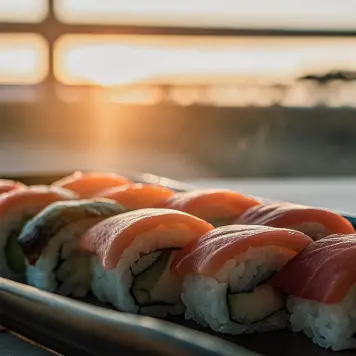
Sushi

Sushi

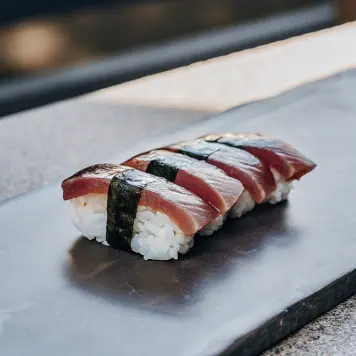
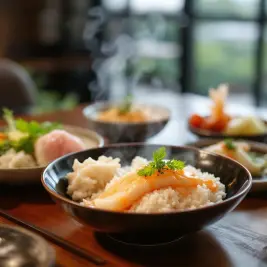
Sushi is a world-renowned Japanese dish that combines vinegared rice with various ingredients like raw fish, vegetables, and seaweed, representing the art of simplicity and freshness.

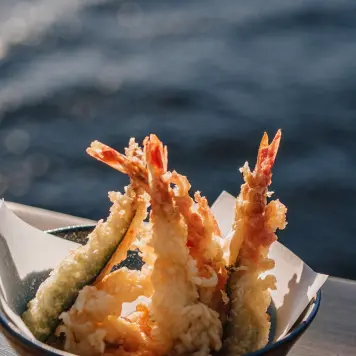
Tempura

Tempura

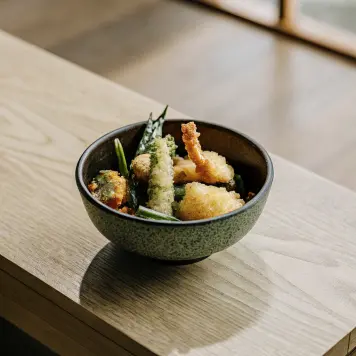
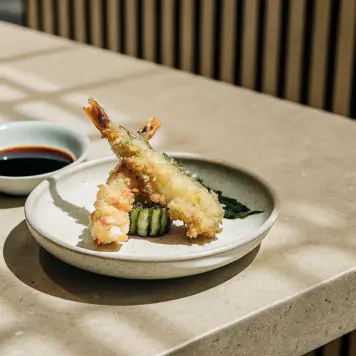
Tempura features seafood or vegetables lightly battered and deep-fried, introduced to Japan by Portuguese missionaries in the 16th century, now a staple of Japanese cuisine.

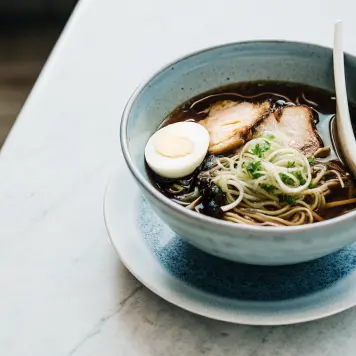
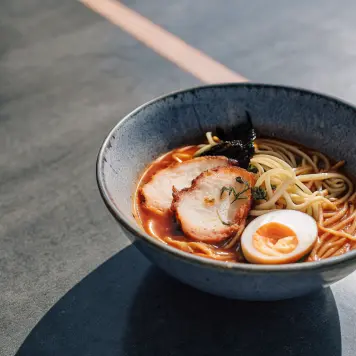
Ramen

Ramen

Ramen is a hearty noodle soup with broth varieties influenced by different regions of Japan, showcasing the country's evolving culinary creativity and comfort food culture.

Sushi

Sushi

Edo-style sushi was designed to be eaten quickly by Tokyo workers, using vinegared rice and fresh, local fish to create a portable, elegant bite.

Tempura

Tempura

Introduced in the 16th century by Portuguese cooks, tempura became a Tokyo specialty known for its whisper-light batter fried at high heat to lock in a delicate crisp.

Ramen

Ramen

Ramen shops in Tokyo adapted Chinese noodles into many regional broths, and each shop often treats its recipe like a secret family tradition.

Hida Beef

Hida Beef

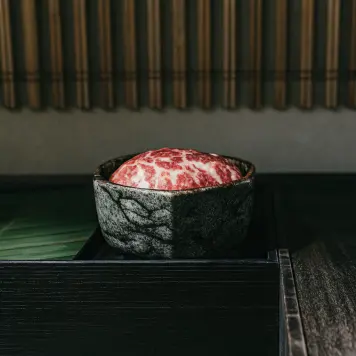
Hida Beef is a prized wagyu beef known for its tender texture and rich, marbled flavor, often grilled or served as sushi in Takayama.

Takayama Ramen

Takayama Ramen

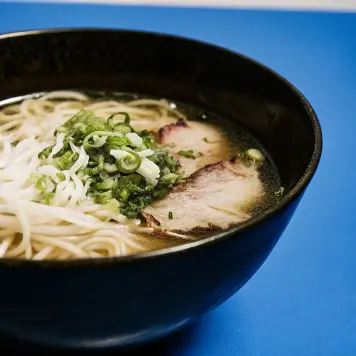
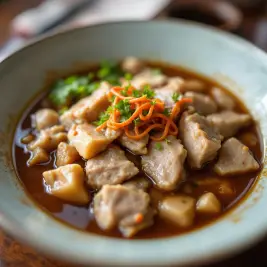
Takayama Ramen features a distinct soy-based broth with thin curly noodles, topped with green onions, char siu pork, and bamboo shoots, reflecting local tastes.

Sansai (Mountain Vegetable) Dishes

Sansai (Mountain Vegetable) Dishes

Sansai dishes use foraged mountain vegetables, celebrating the natural bounty of the nearby Japanese Alps in various stews and tempura.

kaga ryori

kaga ryori

Kaga ryori, the refined cuisine of the old Kaga domain, arranges many small courses that highlight local mountain vegetables, freshwater fish and seasonal presentation, turning a meal into a visual and seasonal tour.

jibuni

jibuni

Jibuni is a comforting Kanazawa stew of duck or chicken lightly dusted with flour, simmered in a savory dashi with soy and mirin, and it began as a favorite dish of samurai households.

seafood

seafood

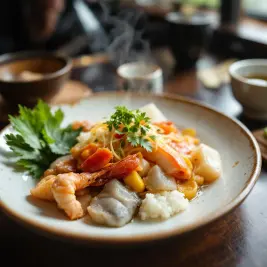
Sitting on the Sea of Japan gives Kanazawa access to prized catches like winter snow crab, fatty nodoguro and migrating yellowtail, and chefs often serve them simply so the pure ocean flavors stand out.

Kaiseki

Kaiseki

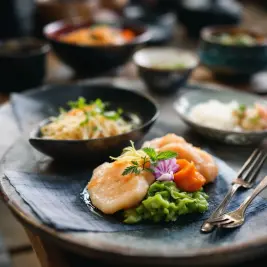
Kaiseki in Kyoto is a poetic multi-course meal where each dish is arranged like a painting, highlighting one perfect seasonal ingredient and a delicate balance of taste and texture.

Yudofu

Yudofu

Yudofu is humble simmered tofu served near Kyoto temples, often enjoyed straight from the pot in a kelp-infused broth to celebrate simplicity, purity and the monk's palate.

Obanzai

Obanzai

Obanzai is Kyoto's home-style cooking, made from small, seasonal ingredients sourced within the city and prepared with techniques passed down through generations, it embodies sustainable, everyday elegance.

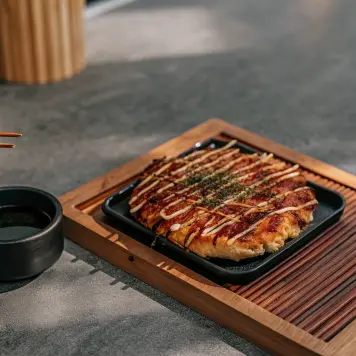
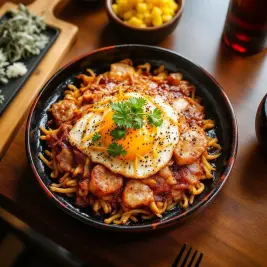
Hiroshima-style Okonomiyaki

Hiroshima-style Okonomiyaki

The Hiroshima-style pancake is layered with batter, large amounts of cabbage, pork, and often soba or udon noodles, distinguishing it from the Osaka version and making it a beloved local comfort food.

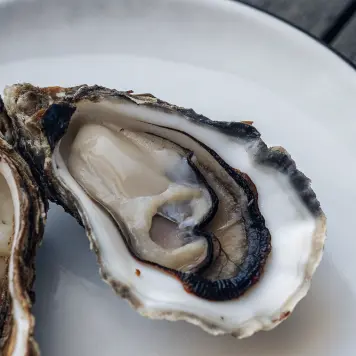
Kaki (Hiroshima Oysters)

Kaki (Hiroshima Oysters)

Hiroshima produces around half of Japan's oysters, and locals enjoy them fresh, grilled, deep-fried, or simmered in nabe during the winter season.

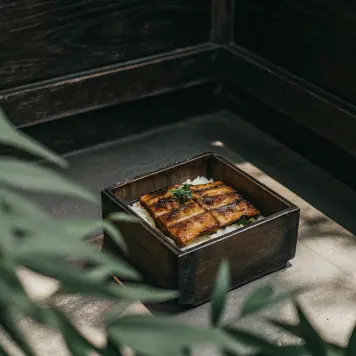
Anago Meshi

Anago Meshi

A specialty of Miyajima, anago meshi features grilled conger eel glazed with a sweet soy sauce over rice, commonly sold as a local bento and souvenir.

Okonomiyaki

Okonomiyaki

Osaka's okonomiyaki is a hearty, savory pancake loaded with cabbage, meat, and toppings, and many restaurants cook it on a hot griddle in front of you for a theatrical, communal meal.

Takoyaki

Takoyaki

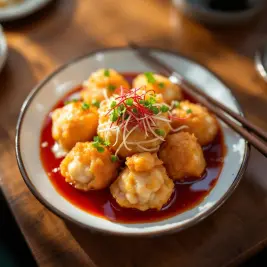
Takoyaki were perfected in Osaka, they are crisp-on-the-outside balls of batter filled with diced octopus, and the expert flipping technique creates a creamy center that locals prize.

Kushikatsu

Kushikatsu

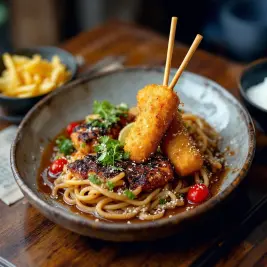
Kushikatsu are skewered, deep-fried bites that originated in Osaka's Shinsekai neighborhood, and there is strict sauce etiquette, so do not double-dip into the communal sauce.

Soba Noodles

Soba Noodles

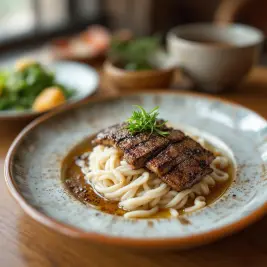
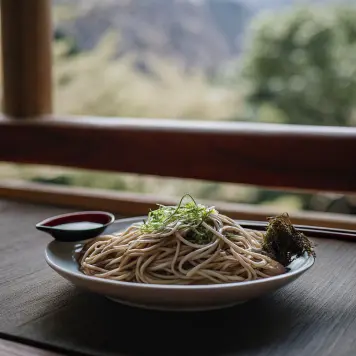
Hakone's mountainous region provides ideal conditions for buckwheat cultivation, making soba noodles a beloved local staple often served with a dipping sauce or in hot broth.

Onsen Tamago

Onsen Tamago

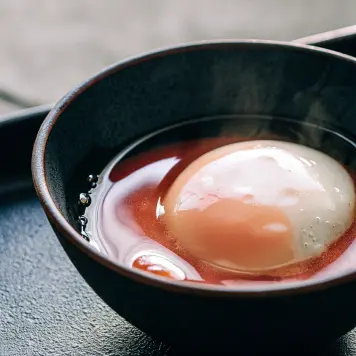
Onsen Tamago is a soft-cooked egg delicately prepared in the region's famous hot springs, resulting in a creamy texture that is distinctively enjoyed in Hakone.

Kaiseki Ryori

Kaiseki Ryori

Kaiseki Ryori is a traditional multi-course meal that showcases seasonal ingredients and artistic presentation, deeply rooted in Hakone's culinary heritage.

Sushi

Sushi

Edo-style sushi was designed to be eaten quickly by Tokyo workers, using vinegared rice and fresh, local fish to create a portable, elegant bite.

Tempura

Tempura

Introduced in the 16th century by Portuguese cooks, tempura became a Tokyo specialty known for its whisper-light batter fried at high heat to lock in a delicate crisp.

Ramen

Ramen

Ramen shops in Tokyo adapted Chinese noodles into many regional broths, and each shop often treats its recipe like a secret family tradition.

Traditional Sweet Dishes

Mochi

Mochi

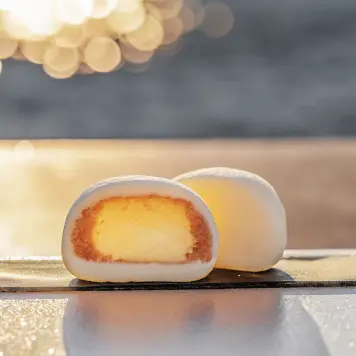
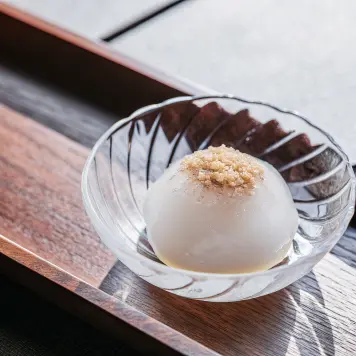
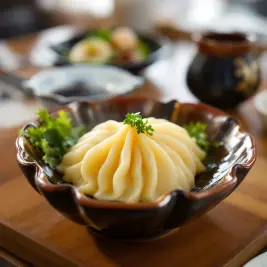
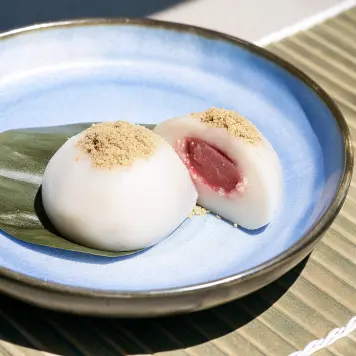
Mochi is a chewy rice cake made from pounded glutinous rice and enjoyed year-round, but especially during Japanese New Year celebrations as a symbol of good fortune.

Dorayaki

Dorayaki

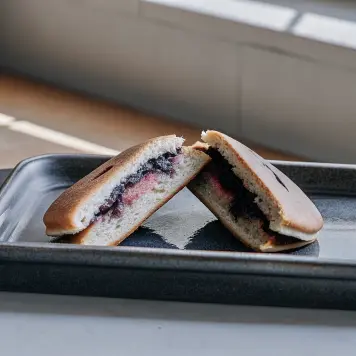
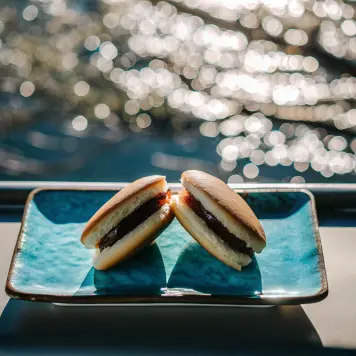
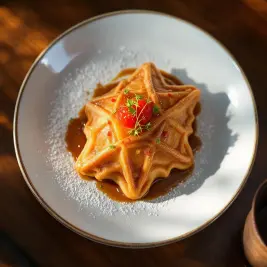
Dorayaki consists of two fluffy pancakes filled with sweet azuki bean paste, famously loved as the favorite snack of the cartoon character Doraemon.

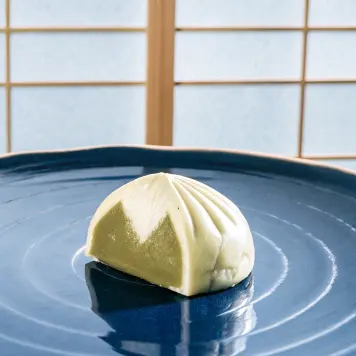
Matcha Wagashi

Matcha Wagashi

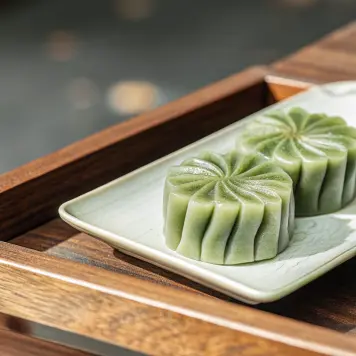
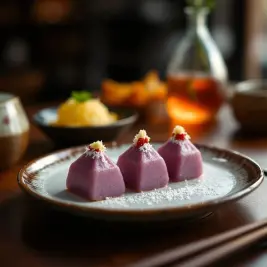
Matcha Wagashi are traditional Japanese sweets that incorporate powdered green tea, offering a perfect balance of bitterness and sweetness, often served during tea ceremonies.

Mochi

Mochi

Mochi is pounded glutinous rice made into chewy cakes for New Year celebrations, and traditional mochitsuki gatherings turn the pounding into a lively community ritual.

Dorayaki

Dorayaki

Dorayaki sandwiches sweet red bean paste between two fluffy pancakes, and folklore says its name comes from a stray gong left by a samurai, 'dora' meaning gong.

Taiyaki

Taiyaki

Taiyaki is a fish-shaped cake modeled on the auspicious sea bream, originally filled with red bean paste and now stuffed with everything from custard to savory fillings.

Sakuramochi

Sakuramochi

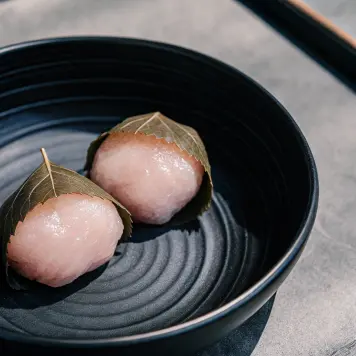
Sakuramochi is a pink rice cake wrapped in a pickled cherry blossom leaf, enjoyed during the cherry blossom season and famous for its delicate floral aroma.

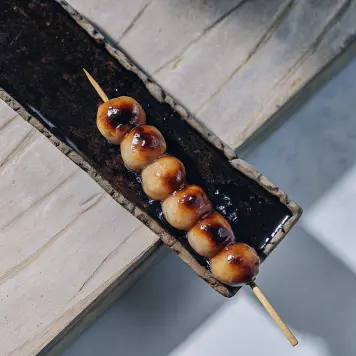
Miso-dango

Miso-dango

Miso-dango are skewered rice dumplings coated in a savory and sweet miso glaze, a unique twist compared to sweeter mochi varieties found elsewhere.

Hida no Yume

Hida no Yume

Hida no Yume is a chestnut-flavored confection representing the local produce, embodying the rich agricultural heritage of the Hida region.

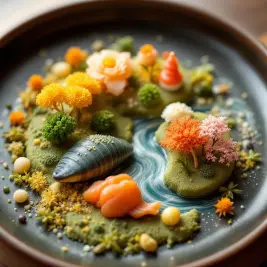
wagashi

wagashi

Kanazawa wagashi are edible miniatures of the seasons, crafted with local ingredients and precise knife work so each sweet looks like a tiny landscape from Kenrokuen Garden.

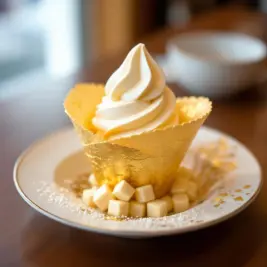
gold leaf soft ice cream

gold leaf soft ice cream

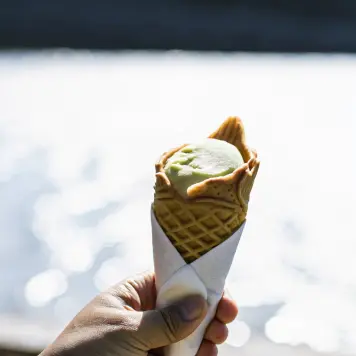
Kanazawa produces over 99% of Japan's gold leaf, and vendors sometimes wrap an entire soft-serve cone in a paper-thin sheet of edible gold, creating a shimmering treat that is more about spectacle than flavor.

Mochi

Mochi

Kyoto mochi is traditionally pounded by hand at festivals, producing a glossy, elastic texture that symbolizes good fortune and community spirit.

Yatsuhashi

Yatsuhashi

Yatsuhashi is a cinnamon-flavored Kyoto sweet shaped like a folded triangle, and the soft unbaked version wrapped around sweet red bean paste is a must-try local specialty.

Wagashi

Wagashi

Kyoto wagashi are miniature seasonal landscapes you can eat, crafted to mirror flowers, leaves and festivals and designed to complement the bitterness of matcha during tea ceremonies.

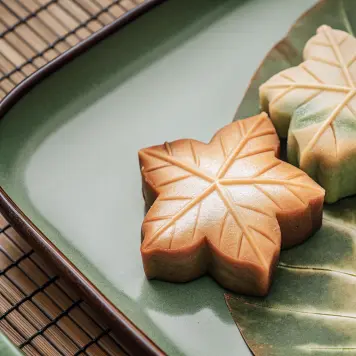
Momiji Manju

Momiji Manju

A maple-leaf-shaped cake filled with sweet red bean paste, Momiji Manju originated on Miyajima and became the region's most iconic souvenir sweet.

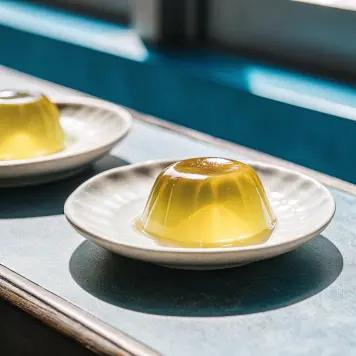
Hassaku Jelly

Hassaku Jelly

Made from hassaku, a tart citrus grown around Hiroshima, these jellies and candies capture the bright, tangy flavor local orchards are famous for.

Setouchi Lemon Cake

Setouchi Lemon Cake

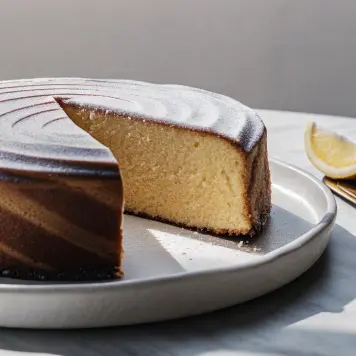
Using lemons grown on islands in the Seto Inland Sea, these light lemon cakes showcase Hiroshima's reputation for citrus and pair beautifully with tea.

Mochi

Mochi

In Osaka mochi is often pounded fresh at festivals and New Year celebrations, its chewy texture celebrated as a symbol of good luck and community.

Daifuku

Daifuku

Daifuku is soft mochi stuffed with sweet red bean paste, and Osaka vendors popularized fruity versions like ichigo daifuku that burst with seasonal flavor.

Taiyaki

Taiyaki

Taiyaki looks like a fish because fish symbolize good fortune, and Osaka vendors fill them with everything from classic sweet red bean to creamy custard and savory fillings.

Kuzumochi

Kuzumochi

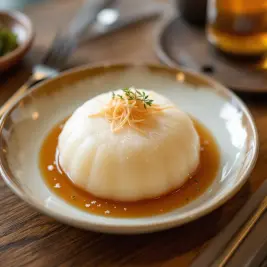
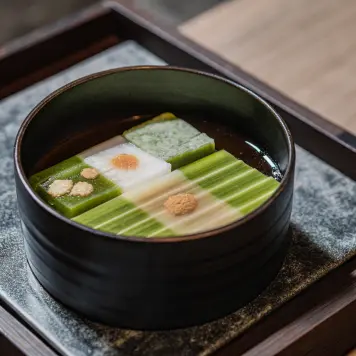
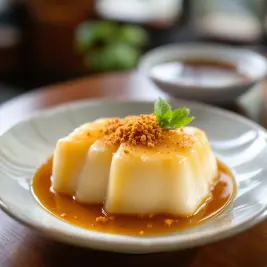
Kuzumochi is a jelly-like sweet made from the starch of the kudzu plant, enjoyed for its smooth texture and subtle sweetness, often served with kinako (roasted soybean flour).

Yuba Sweets

Yuba Sweets

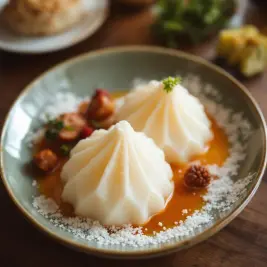
Yuba, or tofu skin, is creatively used in desserts in Hakone, combining the delicate soy flavor with sweet ingredients to highlight local soy culture.

Mitarashi Dango

Mitarashi Dango

Mitarashi Dango are skewered rice dumplings coated with a sweet soy glaze, a popular treat at Hakone's traditional tea houses and festivals.

Mochi

Mochi

Mochi is pounded glutinous rice made into chewy cakes for New Year celebrations, and traditional mochitsuki gatherings turn the pounding into a lively community ritual.

Dorayaki

Dorayaki

Dorayaki sandwiches sweet red bean paste between two fluffy pancakes, and folklore says its name comes from a stray gong left by a samurai, 'dora' meaning gong.

Taiyaki

Taiyaki

Taiyaki is a fish-shaped cake modeled on the auspicious sea bream, originally filled with red bean paste and now stuffed with everything from custard to savory fillings.

Traditional Beverages

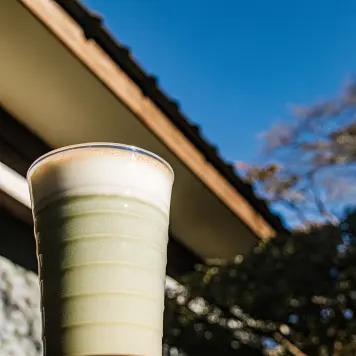
Matcha

Matcha

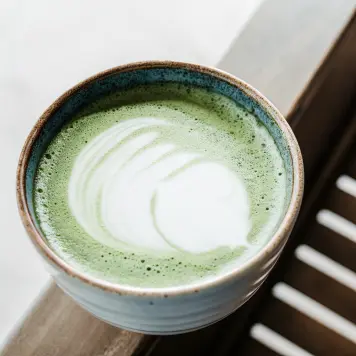
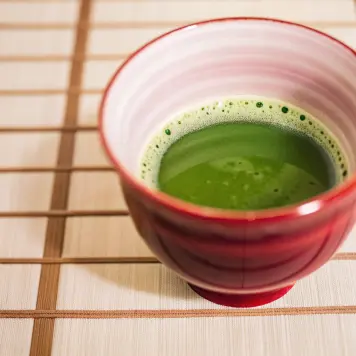
Matcha is finely ground powdered green tea, used in traditional Japanese tea ceremonies and prized for its vibrant color, rich flavor, and health benefits.

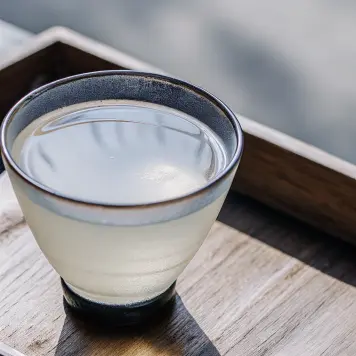
Sake

Sake

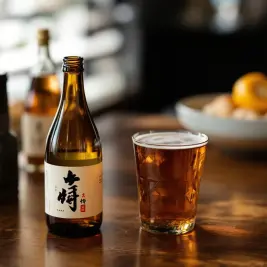
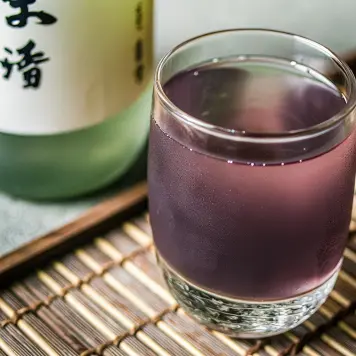
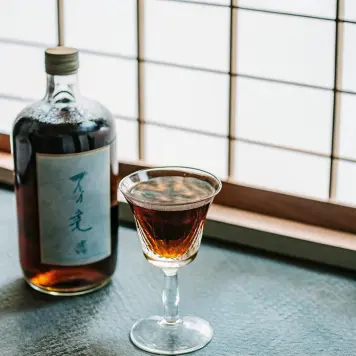
Sake is a traditional Japanese rice wine made through fermenting polished rice, enjoyed hot or cold, and often served during celebrations and rituals.

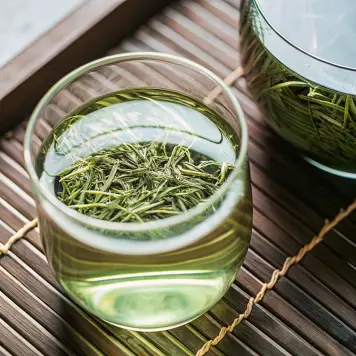
Sencha

Sencha

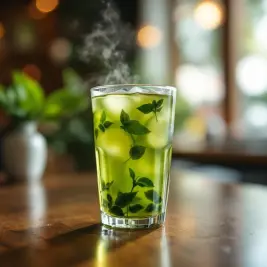
Sencha is the most commonly consumed green tea in Japan, known for its fresh, grassy flavor and is enjoyed daily by many Japanese people.

Sake

Sake

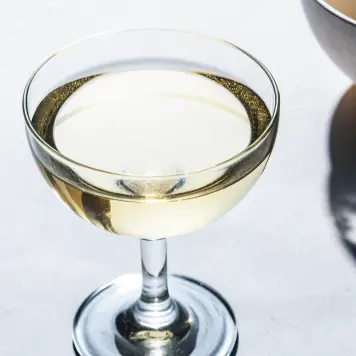
Tokyo breweries helped refine sake into a drink with wine-like complexity, and tasting notes can range from floral to umami-rich depending on rice polishing and yeast.

Green Tea

Green Tea

Sencha is steamed right after plucking to preserve its vivid green color and grassy aroma, and Tokyo's tea culture elevated tea into a moment of calm in busy city life.

Shochu

Shochu

Shochu is a distilled spirit distinct from sake, and in Tokyo you can explore varieties made from barley, sweet potato, or rice that each offer a different flavor profile.

Sake

Sake

Takayama is home to several traditional breweries crafting sake that pairs beautifully with the local cuisine, often enjoyed warm in winter.

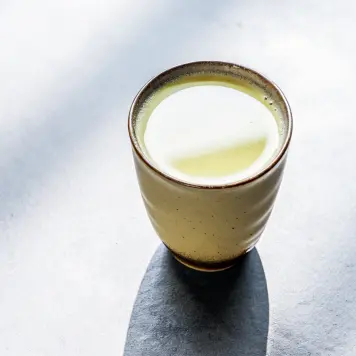
Amazake

Amazake

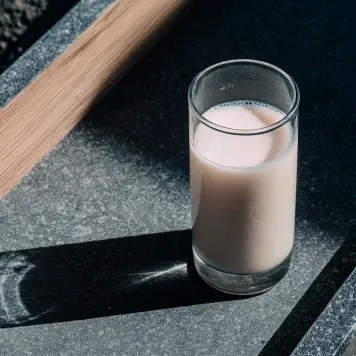
Amazake is a sweet, low-alcohol rice drink that has been consumed for centuries, prized for its nourishing sweetness and probiotic qualities.

Wappa-meshi Tea

Wappa-meshi Tea

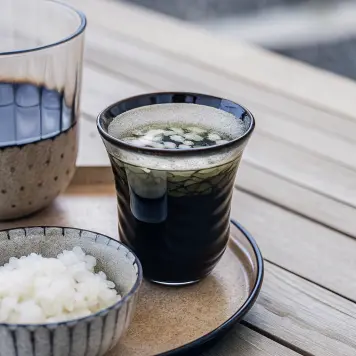
Wappa-meshi Tea is a local specialty where savory rice dishes are enjoyed with a brewed green tea poured over, creating a unique and comforting meal.

sake

sake

Kanazawa and nearby Ishikawa breweries use soft, mineral-rich mountain water and cold winters to slow fermentations, producing elegant, complex sake that pairs naturally with local seafood and Kaga cuisine.

green tea

green tea

Kanazawa tea is central to its tea ceremony culture, with shade-grown leaves producing a rich umami and silky texture that is often enjoyed in the refined setting of Kenrokuen or a tea house.

Matcha

Matcha

Kyoto's matcha, especially from Uji, is prized for its bright green color and savory umami, and in the tea ceremony it is whisked into a froth to create a meditative moment of flavor and focus.

Sake

Sake

In Kyoto's Fushimi district the soft groundwater creates silky, mellow sake, and centuries-old breweries still use traditional wooden fermentation methods to produce nuanced flavors.

Saijo Sake

Saijo Sake

The Saijo area in Higashihiroshima is famous for its century-old breweries and mellow, well-balanced sake, making it one of Japan's most respected sake regions.
Setouchi Lemon Chu-hai

Setouchi Lemon Chu-hai

A refreshing highball made with local Setouchi lemons and shochu, lemon chu-hai highlights Hiroshima's citrus produce and is popular in summer festivals and izakayas.

Umeshu (Plum Wine)

Umeshu (Plum Wine)

Homemade and locally produced umeshu are common in Hiroshima, offering a sweet, fruity liqueur traditionally served on the rocks or with soda.

Green tea

Green tea

In Osaka, green tea, especially matcha and sencha, is commonly paired with sweets and street food, its bright bitterness cutting through rich flavors.

Sake

Sake

Sake in Osaka is often enjoyed alongside hearty street dishes, and local festivals showcase brewers who craft styles meant to stand up to robust, savory foods.

Umeshu

Umeshu

Umeshu, a sweet and tart plum liqueur, is a favorite in Osaka bars, where some shops age ume in spirits for years to create deep, honeyed flavors.

Hakone Sake

Hakone Sake

Hakone's pure mountain water contributes to the distinct smoothness and flavor of its locally brewed sake, a prized drink among visitors and locals alike.

Green Tea

Green Tea

Green tea is integral to Hakone's culture, often enjoyed during tea ceremonies and paired with the region's sweets for a balanced taste experience.

Yamato Umeshu

Yamato Umeshu

Yamato Umeshu is a plum wine that offers a sweet and tart flavor, made from local ume plums harvested in the Hakone area for a unique regional twist.
Sake

Sake

Tokyo breweries helped refine sake into a drink with wine-like complexity, and tasting notes can range from floral to umami-rich depending on rice polishing and yeast.

Green Tea
Green Tea
Sencha is steamed right after plucking to preserve its vivid green color and grassy aroma, and Tokyo's tea culture elevated tea into a moment of calm in busy city life.

Shochu

Shochu

Shochu is a distilled spirit distinct from sake, and in Tokyo you can explore varieties made from barley, sweet potato, or rice that each offer a different flavor profile.

Export Your Trip

Get your trip plan as a PDF with maps and a CSV spreadsheet.

Download PDF

Selected based on proximity to your itinerary attractions and guest reviews

Search all hotels in Japan

Powered by agoda

Create another trip plan