City BuddyCityBuddy
English
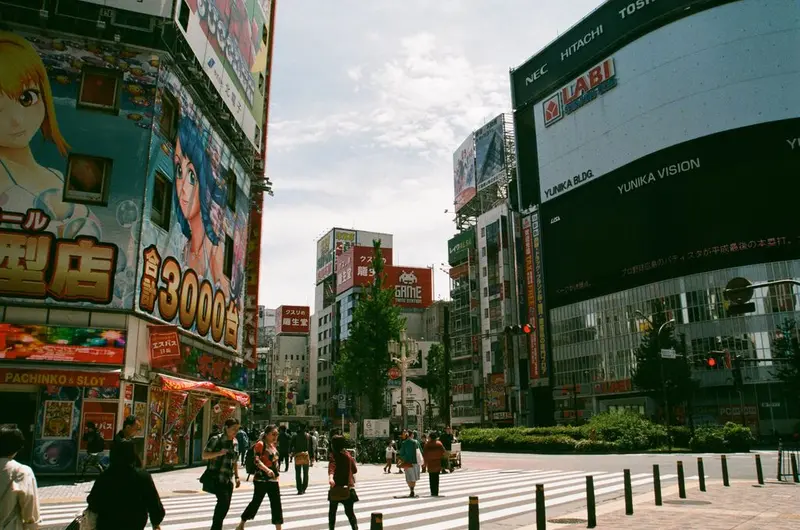
Bustling urban street in Shinjuku, Tokyo showcasing Japanese culture and vibrant billboards.

14-Day Off-the-Beaten-Path Japan: Tokyo, Kyoto & Osaka Explorer

⚖️Balanced Mix💎Hidden Gems & Local Spots
14 daysspring

Discover Japan's hidden gems in spring with secret viewpoints, local hangouts, and tranquil courtyards across Tokyo, Kyoto, and Osaka. Experience authentic culture away from the crowds.

Our #1 travel tip

Book a FREE walking tour in Japan

Free walking tours. Yes, actually free. No credit card needed. No catch.

  • Local guide, 2-3 hours
  • 100% tip-based
  • You tip what feels right
Browse FREE walking toursAdrijana, founder of City Buddy

Loading

Budget Breakdown

$1,610Trip total · $115 per day

Where to stay tonight

Hotel in Yanaka (traditional neighborhood with easy access to local gems) $70-90/night

Staying in Yanaka keeps you close to the authentic local shopping street and offers a peaceful atmosphere after busy exploration.

Search hotels in this area
Where to stay tonight

Hotel in Bunkyo (historic district with quiet neighborhoods near Nezu Shrine) ¥8000-10000/night

Ideal for easy access to day activities with a calm atmosphere away from heavy tourist hubs, yet well connected.

Search hotels in this area
Where to stay tonight

Hotel in Shimokitazawa (bohemian neighborhood known for vintage shops and theaters) $70-90/night

Staying here places you at the heart of Tokyo's underground arts scene with easy metro access to other areas visited this day.

Search hotels in this area
Where to stay tonight

Hotel in Yanaka (historic neighborhood with a local vibe) ¥8000-9000/night

Staying here keeps you close to hidden gems and less touristy spots explored during the day.

Search hotels in this area
Where to stay tonight

Hotel in Gion (historic geisha district in Kyoto) $70-90/night

Staying in Gion puts you close to evening cultural experiences and easy access to central Kyoto attractions.

Search hotels in this area
Train30 minutes

Take the local train from Gion area to the eastern temples area for Day 6. Purchase tickets on-site or use an IC card for convenience.

Where to stay tonight

Hotel in Higashiyama (historic district near many temples and traditional streets) $60-90/night

This area provides easy access to spiritual sites and quieter local neighborhoods perfect for an off-the-beaten-path traveler.

Search hotels in this area
Where to stay tonight

Bed & Breakfast in Gion (historic geisha district with traditional atmosphere) ¥7000-9000/night

Gion places you close to Pontocho's evening scene and within easy reach of Philosopher's Path and Nishijin for daytime explorations.

Search hotels in this area
Where to stay tonight

Bed & Breakfast in Arashiyama (scenic district known for bamboo groves and temples) ¥7000-9000/night

This area offers tranquil lodging away from crowded central Kyoto, aligning with the day's serene activities.

Search hotels in this area
Where to stay tonight

Bed & Breakfast in Kokyo (historic district near Kyoto Imperial Palace) $70-90/night

Staying near the Imperial Palace allows easy access to this day’s main sights and tranquil neighborhoods loved by locals.

Search hotels in this area
Where to stay tonight

Hotel in Namba (vibrant entertainment and dining area in Osaka) $70-90/night

This area offers convenient access to Osaka's nightlife, food markets, and efficient transport for exploring the city on the next day.

Search hotels in this area

Train30 minutes

Use the JR or subway lines to reach Historic Sights and Local Life area in Osaka. Purchase tickets in advance for smoother travel.

Where to stay tonight

Hotel in Tennoji (historic district with easy access to temples and markets) $70-90/night

Staying in Tennoji puts you close to Shitennoji Temple and the vibrant local market scenes, perfect for exploring off-the-beaten-path spots.

Search hotels in this area
Where to stay tonight

Hotel in Kita (Umeda area with great city access) $70-90/night

Staying in Kita puts you near major transport hubs and close to the Umeda Sky Building for morning views.

Search hotels in this area

Where to stay tonight

Hotel in Chuo Ward (central business district close to Osaka Castle) $70-90/night

Staying here places you in the heart of the historical and cultural sights visited today, with easy subway access to nightlife and next day departure points.

Search hotels in this area
Where to stay tonight

Hotel in Namba (vibrant entertainment and shopping district) $70-90/night

Staying in Namba is ideal for easy access to the morning shrine visit and final day shopping and dining.

Search hotels in this area
Must-try traditional foods & drinks

What to order in Japan, with a fun fact for each

Traditional Savory Dishes

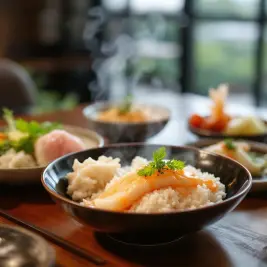
Sushi

Sushi

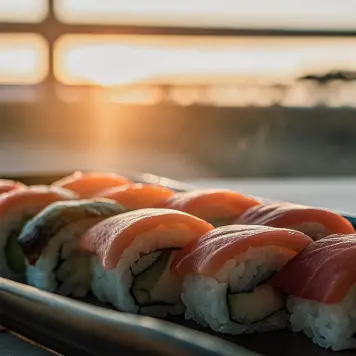
Edo-style sushi was designed to be eaten quickly by Tokyo workers, using vinegared rice and fresh, local fish to create a portable, elegant bite.

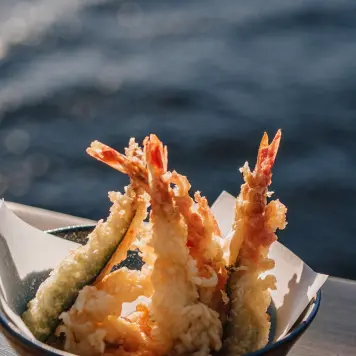
Tempura

Tempura

Introduced in the 16th century by Portuguese cooks, tempura became a Tokyo specialty known for its whisper-light batter fried at high heat to lock in a delicate crisp.

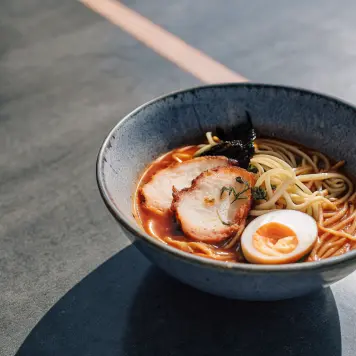
Ramen

Ramen

Ramen shops in Tokyo adapted Chinese noodles into many regional broths, and each shop often treats its recipe like a secret family tradition.

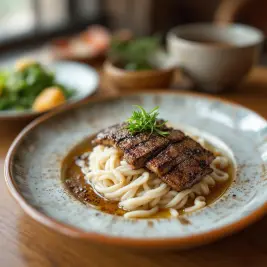
Kaiseki

Kaiseki

Kaiseki in Kyoto is a poetic multi-course meal where each dish is arranged like a painting, highlighting one perfect seasonal ingredient and a delicate balance of taste and texture.

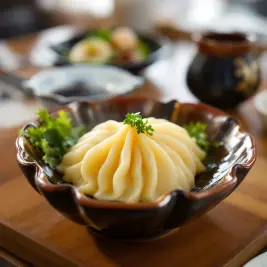
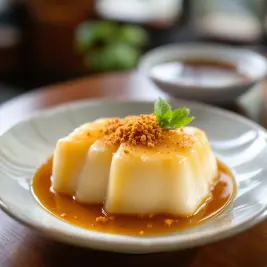
Yudofu

Yudofu

Yudofu is humble simmered tofu served near Kyoto temples, often enjoyed straight from the pot in a kelp-infused broth to celebrate simplicity, purity and the monk's palate.

Obanzai

Obanzai

Obanzai is Kyoto's home-style cooking, made from small, seasonal ingredients sourced within the city and prepared with techniques passed down through generations, it embodies sustainable, everyday elegance.

Okonomiyaki

Okonomiyaki

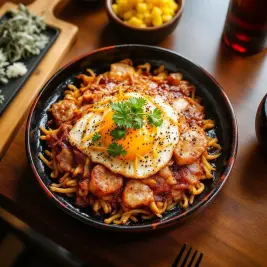
Osaka's okonomiyaki is a hearty, savory pancake loaded with cabbage, meat, and toppings, and many restaurants cook it on a hot griddle in front of you for a theatrical, communal meal.

Takoyaki

Takoyaki

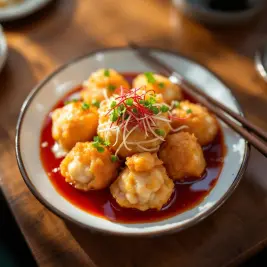
Takoyaki were perfected in Osaka, they are crisp-on-the-outside balls of batter filled with diced octopus, and the expert flipping technique creates a creamy center that locals prize.

Kushikatsu

Kushikatsu

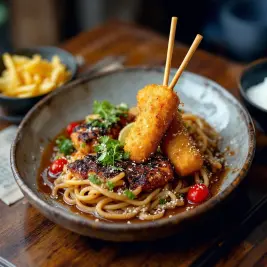
Kushikatsu are skewered, deep-fried bites that originated in Osaka's Shinsekai neighborhood, and there is strict sauce etiquette, so do not double-dip into the communal sauce.

Traditional Sweet Dishes

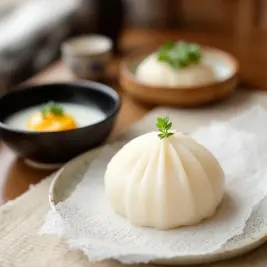
Mochi

Mochi

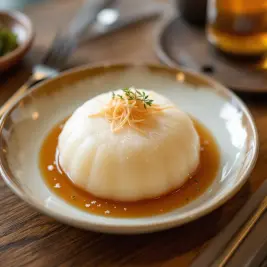
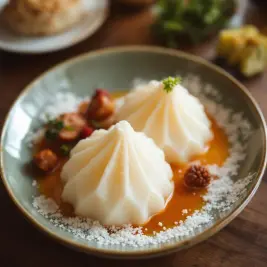
Mochi is pounded glutinous rice made into chewy cakes for New Year celebrations, and traditional mochitsuki gatherings turn the pounding into a lively community ritual.

Dorayaki

Dorayaki

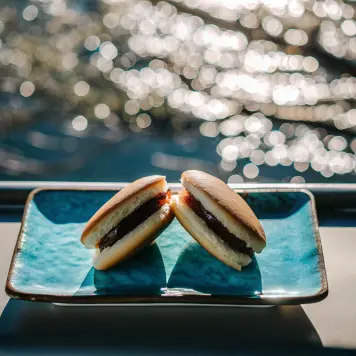
Dorayaki sandwiches sweet red bean paste between two fluffy pancakes, and folklore says its name comes from a stray gong left by a samurai, 'dora' meaning gong.

Taiyaki

Taiyaki

Taiyaki is a fish-shaped cake modeled on the auspicious sea bream, originally filled with red bean paste and now stuffed with everything from custard to savory fillings.

Mochi

Mochi

Kyoto mochi is traditionally pounded by hand at festivals, producing a glossy, elastic texture that symbolizes good fortune and community spirit.

Yatsuhashi

Yatsuhashi

Yatsuhashi is a cinnamon-flavored Kyoto sweet shaped like a folded triangle, and the soft unbaked version wrapped around sweet red bean paste is a must-try local specialty.

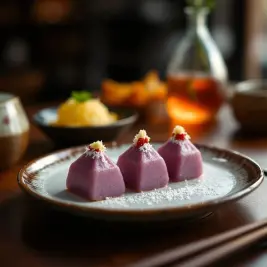
Wagashi

Wagashi

Kyoto wagashi are miniature seasonal landscapes you can eat, crafted to mirror flowers, leaves and festivals and designed to complement the bitterness of matcha during tea ceremonies.

Mochi

Mochi

In Osaka mochi is often pounded fresh at festivals and New Year celebrations, its chewy texture celebrated as a symbol of good luck and community.

Daifuku

Daifuku

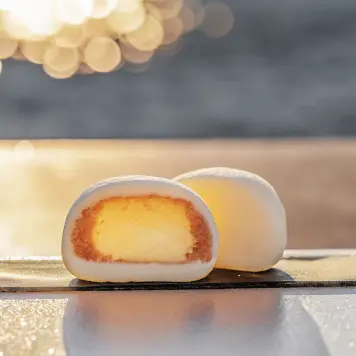
Daifuku is soft mochi stuffed with sweet red bean paste, and Osaka vendors popularized fruity versions like ichigo daifuku that burst with seasonal flavor.

Taiyaki

Taiyaki

Taiyaki looks like a fish because fish symbolize good fortune, and Osaka vendors fill them with everything from classic sweet red bean to creamy custard and savory fillings.

Traditional Beverages

Sake

Sake

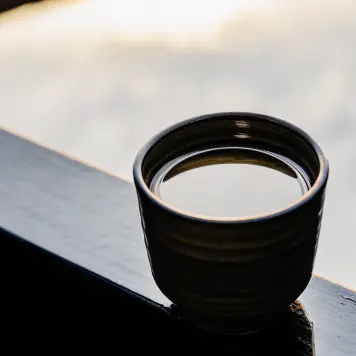
Tokyo breweries helped refine sake into a drink with wine-like complexity, and tasting notes can range from floral to umami-rich depending on rice polishing and yeast.

Green Tea

Green Tea

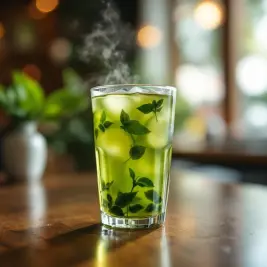
Sencha is steamed right after plucking to preserve its vivid green color and grassy aroma, and Tokyo's tea culture elevated tea into a moment of calm in busy city life.

Shochu

Shochu

Shochu is a distilled spirit distinct from sake, and in Tokyo you can explore varieties made from barley, sweet potato, or rice that each offer a different flavor profile.

Matcha

Matcha

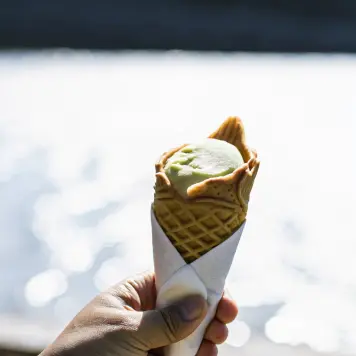
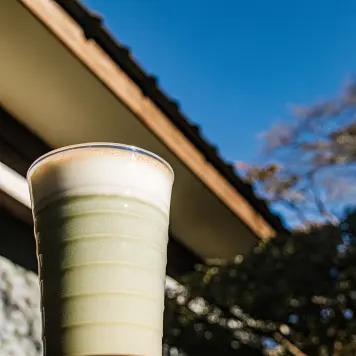
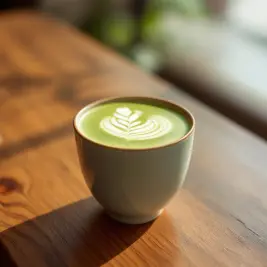
Kyoto's matcha, especially from Uji, is prized for its bright green color and savory umami, and in the tea ceremony it is whisked into a froth to create a meditative moment of flavor and focus.

Sake

Sake

In Kyoto's Fushimi district the soft groundwater creates silky, mellow sake, and centuries-old breweries still use traditional wooden fermentation methods to produce nuanced flavors.

Green tea

Green tea

In Osaka, green tea, especially matcha and sencha, is commonly paired with sweets and street food, its bright bitterness cutting through rich flavors.

Sake

Sake

Sake in Osaka is often enjoyed alongside hearty street dishes, and local festivals showcase brewers who craft styles meant to stand up to robust, savory foods.

Umeshu

Umeshu

Umeshu, a sweet and tart plum liqueur, is a favorite in Osaka bars, where some shops age ume in spirits for years to create deep, honeyed flavors.

Export Your Trip

Get your trip plan as a PDF with maps and a CSV spreadsheet.

Download PDF

Selected based on proximity to your itinerary attractions and guest reviews

Search all hotels in Japan

Powered by agoda

Create another trip plan