 CityBuddy
 English
Things to Do in Vientiane, Laos
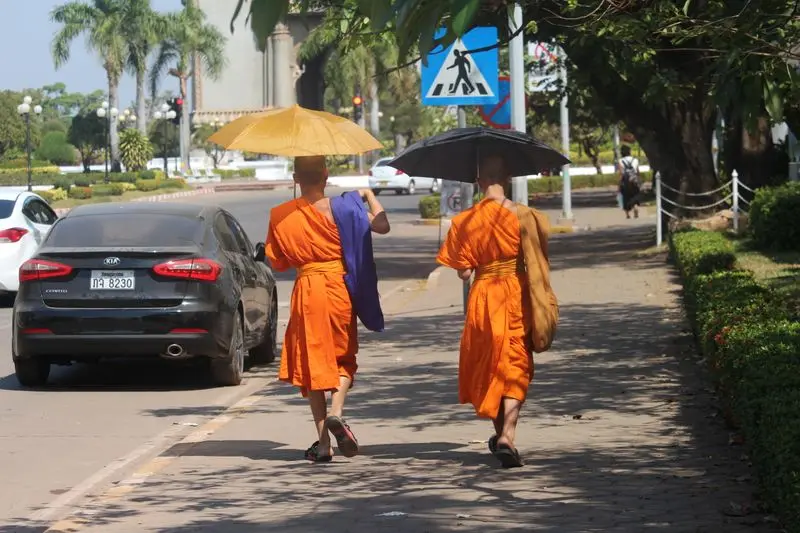
Photo made by Elizabeth Dove on Pexels.com
When to visit
Most popular attractions in Vientiane, Laos
The top things to do in Vientiane, Laos take you to the city's gilded spiritual heart, the three-century-old Pha That Luang, whose 45-meter-tall stupa is the country's national symbol. Nearby stands the Patuxai Victory Monument, an Arc de Triomphe-like memorial built in 1969. Buddha Park, or Xieng Khuan, contains more than 200 concrete sculptures and is located 25 kilometers southeast of the city.
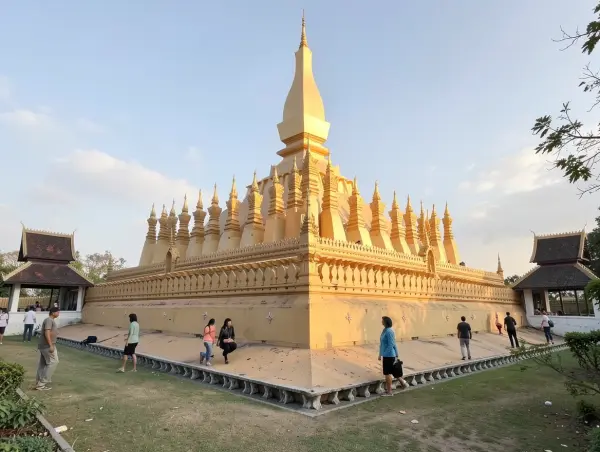
1. Pha That Luang
Laos's most sacred stupa, where every devotee bows in reverence. Golden spires, a peaceful courtyard, and a spectacular sight under special lighting.
Quick facts: The golden stupa was built in the 16th century by King Setthathirath, with a structure 45 meters tall and 45 meters wide. This stupa is a symbol of Laos's national identity and is counted among the country's most sacred Buddhist monuments.
Highlights: On the stupa's pyramid-shaped base there is a structure with petals like a banana flower, which can only be seen here. French architects rebuilt it in the 1930s, and because the original structure was gilded with gold, it was called the 'Great Golden Stupa'.
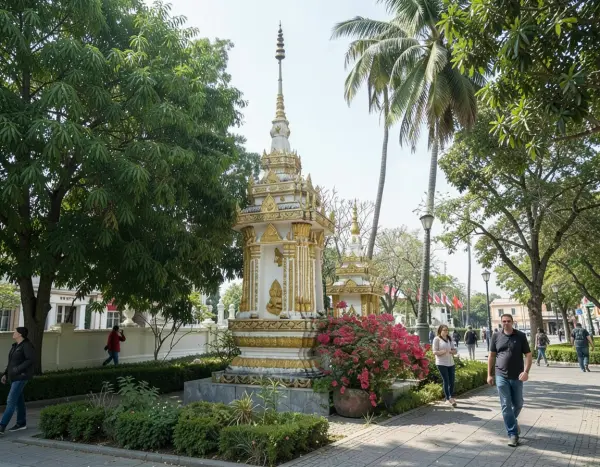
2. Wat Si Saket
This temple filled with thousands of Buddha statues is Vientiane's oldest surviving monument. Its open galleries and cement roofs will transport you to a different world.
Quick facts: Over six thousand Buddha statues adorn the walls of this temple, made from silver, wood, and clay. Because of the thousands of statues, it is also called the 'Temple of a Million Buddhas'.
Highlights: During the attack on the city in 1828, this was the only temple that survived, and that is why today the original architectural style here can be seen completely preserved. As you walk through the main hall inside, ceilings filled with the golden and clay bodies of thousands of Buddha statues surround you from all sides, a sight that cannot be found anywhere else in all of Southeast Asia.
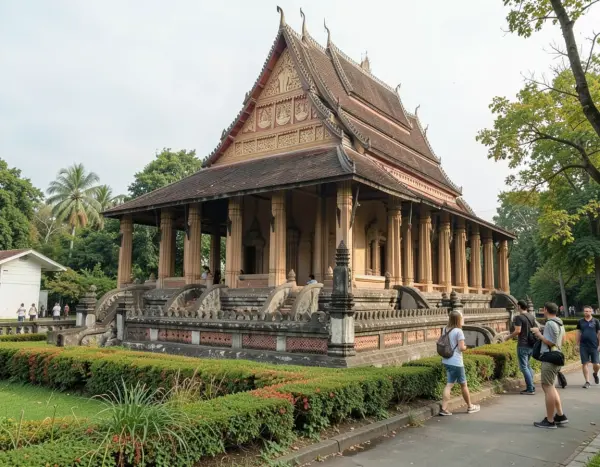
3. Haw Phra Kaew
Witness the grandeur of a centuries-old royal temple with your own eyes. Get lost among ancient Buddha statues and Ramayana carvings.
Quick facts: This was originally the private temple of the Lao royal family, where only the king and his family were allowed entry for worship. After it was destroyed by the Siamese army in 1828, it was rebuilt in 1936, and now a museum of ancient Buddha statues and religious artifacts operates here.
Highlights: Look at the carved wooden panels beneath the temple's roof, in which scenes from the Ramayana are carved with such fine detail that every panel tells a different story. There is a standing Buddha statue inside that is over 2,000 years old and cannot be found anywhere else in the world; seeing it makes you understand why this place is called a museum.
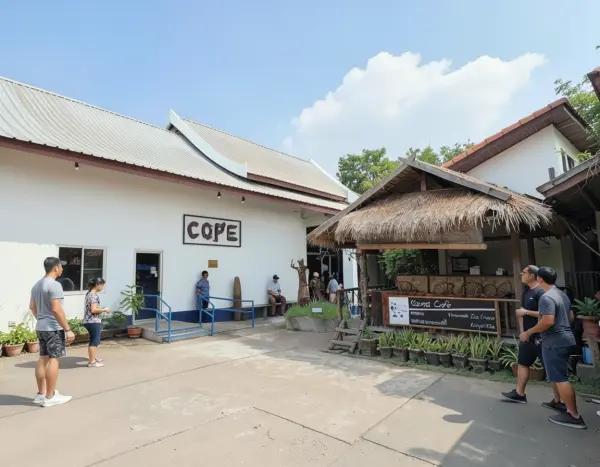
4. COPE Visitor Centre
Witness the story of human strength emerging from the remnants of war. Experience the museum, cafe, and rehabilitation center all together here.
Quick facts: This COPE Visitor Center is both a museum and a cafe dedicated to the rehabilitation and support of people affected by cluster bombs in Laos. Many of the artificial limbs and wheelchairs displayed here were used by victims who faced this country's history with nearly 80 million bombs.
Highlights: The most special thing is that the cafe here is also part of the museum, where you can enjoy fresh Lao coffee while viewing the exhibition, and every purchase directly helps the victims. In the educational displays inside the museum, you can see real cluster bomb fragments that have been transformed into metal artworks here as symbols of peace.
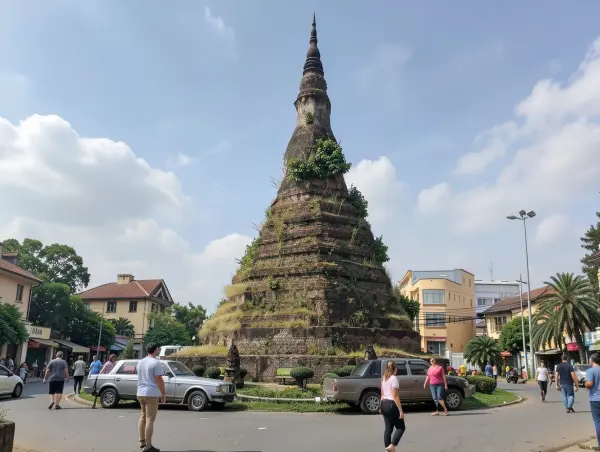
5. That Dam Stupa
This black stupa linked to the ancient Naga legend is Vientiane's most mysterious site. Viewing it from the nearby night market will help you understand the city's history in a new light.
Quick facts: This is the only stupa that to this day remains dedicated to the worship of the snake goddess Naga, known as 'That Dam'. The city's own legend says that a seven-headed Naga lived here and protected the city from Siamese invaders.
Highlights: Before being looted during the Siamese army's invasion in 1828, this stupa was covered with a layer of gold, and today the gold hidden beneath its black surface remains an unsolved mystery. Local legend tells that when a crisis befalls the city, the Naga sleeping inside the stupa awakens and comes to protect Vientiane.
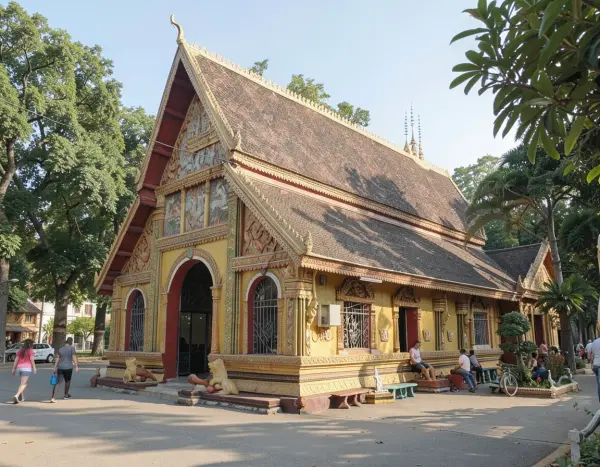
6. Wat Si Muang
Vientiane's holiest temple, where people come for the famous story of the city's protection. Enter the main stupa, light a candle, and walk around the ancient pillar to make a wish.
Quick facts: One of Vientiane's most sacred temples, where locals pray for good fortune and the fulfillment of their wishes. Inside the main stupa there is an ancient pillar, which is said to protect the city, and devotees who come here walk around it making their wishes.
Highlights: Inside the dome of this temple there is a massive yellow pillar connected to a Lao national legend. According to the story, a pregnant woman sacrificed her life beneath this pillar to wish for the city's fortune, and even today devotees light candles before it, urging their wishes to be fulfilled.
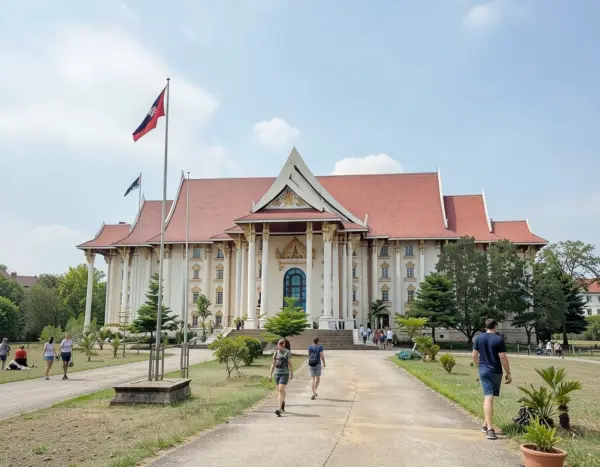
7. Lao National Museum
This museum, which brings together Laos's struggle and identity under one roof, takes you on a journey through time. From revolutionary photographs to traditional artifacts, every corner opens a new chapter.
Quick facts: The items displayed here include old weapons, traditional garments, and photographs connected to Laos's independence struggle. This three-story building built in French colonial style is itself a part of history.
Highlights: On the upper floor, a wall of old photographs takes you straight back to the revolutionary era of the 1970s, where every frame tells a story. Looking at the old typewriters and radios kept in the lower gallery, it feels as if time has stood still.
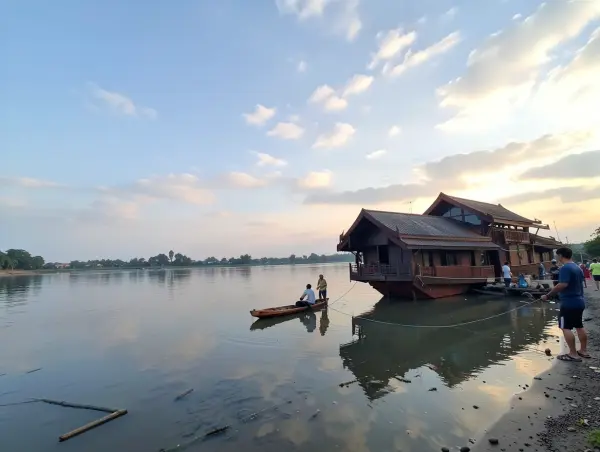
8. Mekong Riverside Park
A unique blend of strolling along the Mekong River and having fun. Rides, street food, and sunset views all in one place.
Quick facts: This park located on the banks of the Mekong River offers trampolines, a small train, and many kinds of games for children. As evening falls, lights come on here and the lights of Thailand can be seen across the river.
Highlights: After the sun sets, the real magic here begins, when the twinkling lights of the tall Ferris wheel reflect in the river's water. Thailand's border is so close that you can hear Laos's songs on one side and Thai radio stations on the other, all at the same time.
Where to Stay in Vientiane, Laos
Selected by City Buddy based on guest reviews and proximity to top attractions
Search all hotels in Vientiane, LaosPowered by agoda
Opening days in Vientiane, Laos
Which of the top sights close on which day of the week — the classic trip-ruiner, checked for you.
Good news: all 8 top sights with known hours are open every day of the week.
Closed on Monday · 0 closed, 8 open
Nothing closes on Monday — all 8 sights with known hours are open.
Opening days from Google Maps (checked 2026-10-13). Public holidays, strikes and seasonal hours can differ — check the official website before you go.
Traditional Sweet Dishes
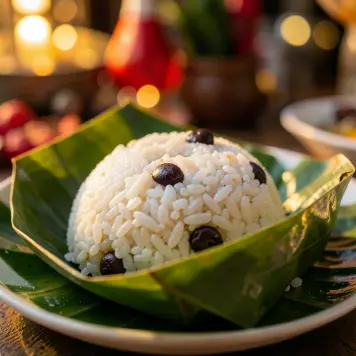
Khao Tom (Sticky Rice in Banana Leaf)
This sweet dessert features sticky rice mixed with coconut milk and sugar, sometimes with black beans or taro, all steamed inside banana leaves. It is a popular street food treat often enjoyed during Lao New Year celebrations.
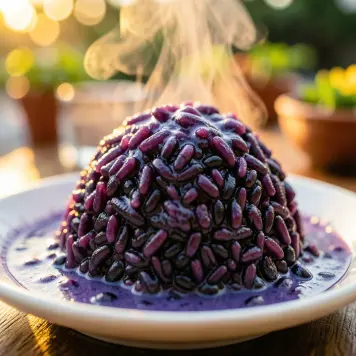
Khao Niao Tuai (Steamed Black Sticky Rice with Coconut)
This deep purple dessert is made from black sticky rice cooked in sweetened coconut milk, giving it a rich, creamy texture. The purple color comes from natural anthocyanins in the black rice, which are also powerful antioxidants.
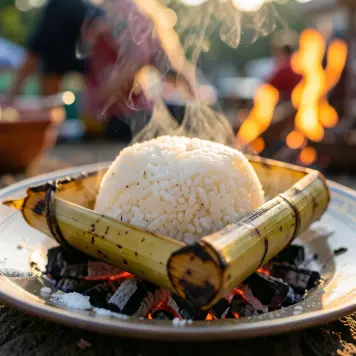
Khao Lam (Bamboo Sticky Rice)
Khao Lam is sticky rice mixed with coconut milk and sugar, packed inside bamboo tubes and roasted over an open fire. The bamboo imparts a subtle, smoky aroma and the dessert is a beloved roadside snack found throughout Vientiane.
Traditional Savory Dishes
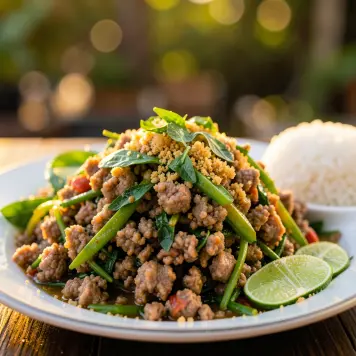
Laap (Lao Meat Salad)
Laap is considered the national dish of Laos, made with minced meat, herbs, lime juice, and toasted rice powder. In Vientiane, a raw or rare version called laap dip is also popular, often served with sticky rice and fresh vegetables.
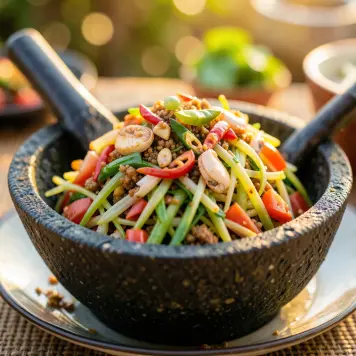
Tam Mak Hoong (Green Papaya Salad)
This fiery salad is made by pounding shredded green papaya with tomatoes, garlic, chilies, lime, and fermented fish sauce in a large mortar. Unlike the Thai version, Lao tam mak hoong often includes paa daek (fermented fish paste) and crab, giving it a distinctly pungent and savory character.
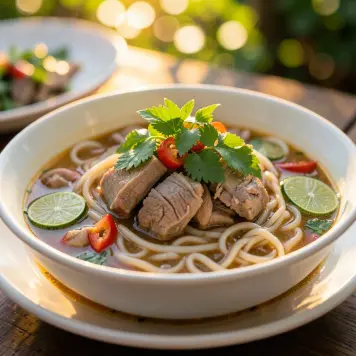
Khao Piak Sen (Lao Rice Noodle Soup)
This comforting soup features thick, handmade rice noodles in a rich chicken or pork broth, topped with fresh herbs, lime, and chili. The name literally translates to "wet rice noodle," and each bowl is made from scratch, with the chewy noodles being the soul of the dish.
Traditional Beverages
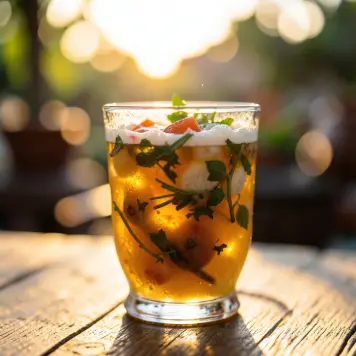
Lao-Lao (Lao Rice Whiskey)
Lao-Lao is a traditional rice whiskey distilled from sticky rice, often produced in small village stills across Laos. It is typically served at ceremonies and celebrations, and in Vientiane it is often mixed with herbs or fruits for a flavorful local punch.
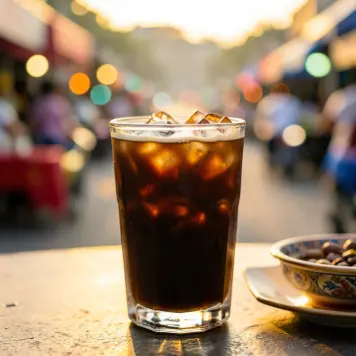
Oliang (Lao Iced Coffee)
Oliang is a strong iced coffee made with dark-roasted beans and often sweetened with condensed milk. It is a beloved morning pick-me-up in Vientiane, served at countless roadside stalls and cafes throughout the city.
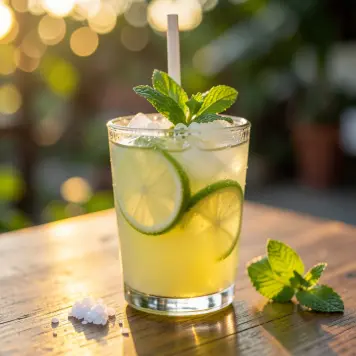
Nam Mak Nao (Lime Juice)
This refreshing drink combines fresh lime juice, sugar, and water, and is often served with a sprinkle of salt or a sprig of mint. It is a simple yet essential thirst-quencher in the tropical heat of Vientiane, enjoyed by locals and visitors alike.
Frequently Asked Questions about Vientiane, Laos
Is Vientiane, Laos safe to visit?
Get a PDF with the most popular attractions sent to your email
Get a PDF with all attractions, ratings, and tips. Perfect for offline use.
Most popular day trips
Vang Vieng
Karst mountain scenery, tubing on Nam Song River, caves and lagoons
Buddha Park (Xieng Khuan)
Outdoor sculpture park with over 200 Hindu and Buddhist statues
Luang Prabang
UNESCO World Heritage town with temples, waterfalls and night market
Nam Ngum Reservoir
Large lake with boat tours, floating villages and island restaurants
Si Phan Don (Four Thousand Islands)
Mekong river islands with waterfalls and relaxing riverside atmosphere
Getting there
Train stations
Vientiane to Boten (China-Laos Railway), connecting to Bangkok via Nong Khai
Vientiane to Nong Khai (Thailand) line
Taxis and tuk tuks are plentiful from the airport to the city center, roughly a 15 minute ride. The Chinese-built railway station connects Vientiane north to Chinese borders and international routes.
Useful information for Vientiane, Laos
Overview for Vientiane, Laos
Want a day-by-day plan for Vientiane, Laos? Open the trip planner
Plan your perfect trip to Vientiane, Laos
Get a complete travel plan built just for you in under 30 seconds, with daily routes, local food tips, budget estimates and more.
Are any of these especially important to you?
Select all that apply
Getting around
How do you want to move between places?
Plan language: English