 CityBuddy
 English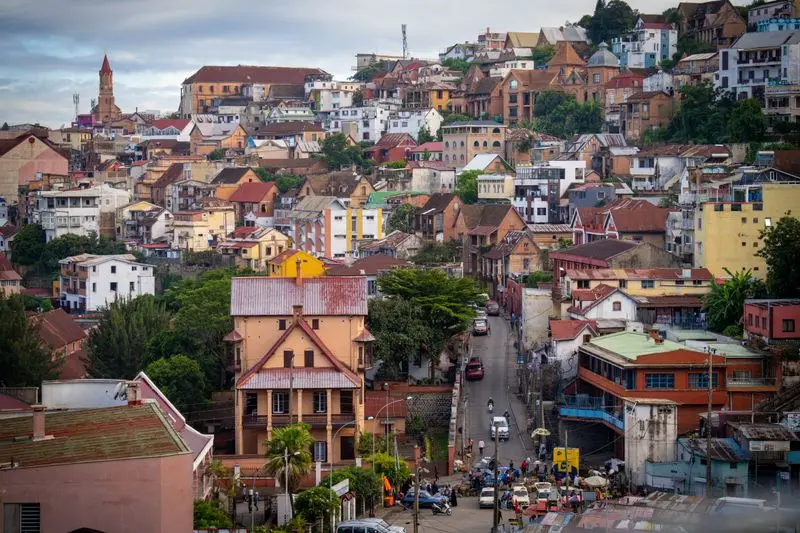
Things to Do in Antananarivo, Madagascar
Photo made by Chen EdisoN on Pexels.com
When to visit
Plan your perfect trip to Antananarivo, Madagascar
Get a complete travel plan built just for you in under 30 seconds, with daily routes, local food tips, budget estimates and more.
Are any of these especially important to you?
Select all that apply
Getting around
How do you want to move between places?
Plan language: EnglishMost popular attractions in Antananarivo, Madagascar
When searching for tips on what to do in Antananarivo on Madagascar, start at the Rova of Antananarivo, where the royal palace from 1610 stands with the mausoleum of Queen Ranavalona. Two streets further, Andafiavaratra Palace will surprise you with a collection of royal treasures, but also head to the Analakely market, which hundreds of microbuses reach from the center.
1. Andafiavaratra Palace
The seat of the last queen, visited by only a few hundred people a year. Personal objects from a hundred years ago lie here as if the owner had just stepped out a moment ago.
Quick facts: His Malagasy name literally means "the place where the wind rules" and perfectly reflects its position on an exposed hill. The last reigning queen left her wedding dress, gloves and photographs in these rooms, where they still lie to this day just as she left them.
Highlights: The greatest secret is the personal photo albums, which visitors can leaf through with their own hands, and a room tidied as if the queen had just stepped out of it. From the balcony you look out over the gentle hills where the last ruler walked before French troops sent her into exile in 1896.
2. Tsimbazaza Zoo
In a few hours you will walk through an entire island of lemurs, chameleons, and rare tortoises. The paths between the enclosures will lead you into a world you will not find anywhere else on the planet.
Quick facts: On a plot of just a few hectares, around 80 species of Madagascan animals live here, from royally blue chameleons through fossas to the largest lemur, the indri. The botanical part of the park hides a herbarium with about 80 thousand plant specimens documenting the island flora, roughly seventy percent of which exists nowhere else.
Highlights: The aye-aye, a nocturnal lemur with a long, spider-like finger, hunts for grubs by tapping on bark right in front of visitors' eyes, even though back home in the rainforest people consider it a bad omen. Toward evening, the unmistakable song of the indri rings out, its echo spreading across the quieting park and evoking in the soul the atmosphere of distant rainforests.
3. Analakely Market
Vanilla, spices, and carvings straight from the trader, and prices can be haggled down to half. You walk between fragrant piles and take home trophies and new recipes.
Quick facts: Vanilla from the east coast plantations, which the stalls here offer, covers about 80% of the world's natural production. Roughly 300 merchants sell spices, vegetables, raffia fabrics and wooden carvings here, and every price can be bargained down by up to half.
Highlights: In the side passage, a vanilla auction takes place every morning, where the price per gram rises within one minute and the winner pays cash on the spot. Bags of vanilla are placed on a large metal scale, and the air smells so strongly of sweet vanilla that your head spins.
4. Cathedral of the Immaculate Conception
The neogothic on the island will surprise you with living African spirituality. Inside, you will hear masses in Malagasy and see stained glass with baobab trees.
Quick facts: Soft light filters through over 24 colorful stained glass windows, tracing patterns on the stone floors that change with every hour; Sunday masses are held here in both French and Malagasy. The neo-Gothic structure of pale tuff stands on a hilltop above the city, and from its 35-meter tower you can see the entire metropolis.
Highlights: Since 1989 the church has kept the relics of the blessed Victoire Rasoamanarivo; her modest grave lies right by the side altar beneath a baobab wood sculpture. During Sunday mass the a cappella choir sings psalms in Malagasy, and the sound of the valiha carries out to the neighboring streets.
5. Mahamasina Municipal Stadium
A football evening full of drums, smoke shows, and chants you will not hear on TV. Take a seat in the lively section and feel the euphoria at every home goal.
Quick facts: Over 22,000 fans fit in the stands, and at big concerts a standing crowd joins them out on the pitch. The home national football team Baréa plays its matches here, and the stadium also hosts big concerts and political rallies.
Highlights: The south section holds the loudest bunch of fans, who drum and dance nonstop through the whole match. When the home team scores a goal, yellow smoke rises above the stands and the whole arena immediately sings the same chant.
6. Lake Anosy
A fountain in the middle of the lake plays with light in the evening, and a flock of birds fills the shores with life. An hour-long walk along the water will give you the most beautiful shots and a moment of true peace.
Quick facts: In the middle of the water surface stands a three-tier fountain from 1930, which lights up with colorful spotlights after dark. A flock of several dozen ducks and swans lives here all year round and swims up to strollers for crumbs.
Highlights: The colorful reflections of the three-tier fountain drift across the water surface in the evening, and on a windless night falling droplets reflect the palace light like thousands of small coins. You will find the fewest people here at dawn, when a pair of swans has the water all to themselves and only the crunch of gravel underfoot comes from the garden.
7. Lemurs' Park
A unique chance to stand face to face with a lemur in a natural forest and feed it from your hand. Friendly troops will run up to you, and the guide will tell the story of each one.
Quick facts: On just five hectares of forest live about 90 lemurs representing nine species, from snow-white sifakas to red ruffed lemurs. The botanical zone comprises over 400 endemic plant species, and every guest first completes a short training session before stepping among the animals.
Highlights: Instead of cages there is an open forest where more than 90 individuals leap freely, and white sifakas can cover five meters in a single jump right above your head. Most of the residents come from the hands of smugglers, which is why the guides know every lemur by name, history, and favorite treats.
8. Is'Art Galerie
The only showcase of young Malagasy art in the capital. You will see works you cannot buy anywhere else and talk with the artists themselves.
Quick facts: Annual attendance reaches about 30,000 visitors, and the walls feature more than 40 names of Malagasy artists, from young debutants to established masters. Nearly half of the exhibited canvases find buyers even before the official opening of the exhibition.
Highlights: The most electrifying are the openings, during which artists paint live to the sounds of the valiha, a traditional Malagasy zither. Several hundred guests watch in a single hall as a canvas goes from an empty frame to a finished painting in the course of one evening.
Where to Stay in Antananarivo, Madagascar
Selected by City Buddy based on guest reviews and proximity to top attractions
Search all hotels in Antananarivo, MadagascarPowered by agoda
Traditional Sweet Dishes
Koba
Koba is a sweet treat of ground peanuts and rice flour, wrapped in banana leaves and slowly simmered. The longer it cooks, the darker the banana leaf bundle becomes, and many families make it for festive gatherings.
Bonbon coco
Bonbon coco is a homemade coconut candy made from grated coconut and caramelized sugar. It is a beloved street food in Antananarivo, often sold in small paper twists by vendors.
Mofo gasy
Mofo gasy is a sweet fried rice bread often eaten for breakfast. It pairs perfectly with ranonapango, the traditional rice water drink, and has a soft, cake-like center.
Traditional Savory Dishes
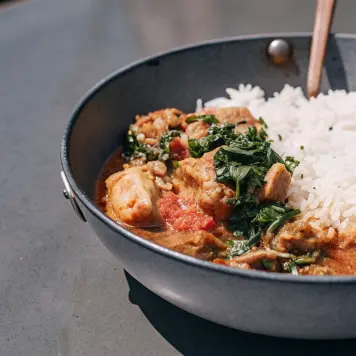
Romazava
Romazava is considered the national dish of Madagascar, a hearty stew of zebu beef and leafy greens. It is typically cooked with garlic, ginger, and tomato, and eaten with rice.
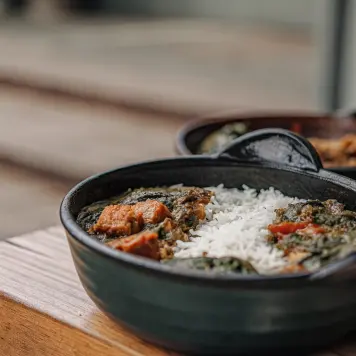
Ravitoto
Ravitoto is made from mashed cassava leaves cooked with pork and sometimes coconut milk. It is a rustic highland favorite around Antananarivo, usually served with white rice and herbs.
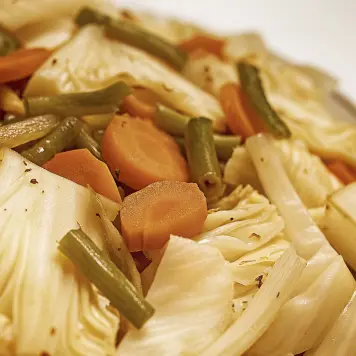
Achards
Achards are tangy pickled vegetables, a legacy of the Malagasy Chinese community in Antananarivo. Carrots, cabbage, and green beans are marinated with spices to accompany nearly every meal.
Traditional Beverages

Ranonapango
Ranonapango is the starchy, milky water left after rice is cooked or rinsed. It is chilled and served alongside mofo gasy, and beloved by children as a sweet, comforting drink.

Rhum arrange
Rhum arrange is a spiced rum infused with tropical fruits and spices such as lychee, vanilla, and wild coffee. It is a popular aperitif served in many bars and restaurants of Antananarivo.
Cafe au lait
Madagascar grows prized robusta coffee, and Antananarivo's mornings begin with cafe au lait. Many locals enjoy it strong, while sweet cane sugar softens its bold flavor.
Frequently Asked Questions about Antananarivo, Madagascar
Is Antananarivo on Madagascar safe for tourists?
How many days are enough for visiting Antananarivo?
When is the best time of year to visit Antananarivo?
Is Antananarivo on Madagascar expensive?
What is the best way to get around Antananarivo?
Get a PDF with the most popular attractions sent to your email
Get a PDF with all attractions, ratings, and tips. Perfect for offline use.
Most popular day trips
Ambohimanga Royal Hill
Sacred royal hill with shrines and sweeping city views.
Lemurs' Park
Private reserve home to nine lemur species on guided walks.
Peyrieras Reserve
Butterfly farm and reptile park in lush eastern rainforest.
Andasibe-Mantadia National Park
Indri lemur habitat with night walks in protected forest.
Getting there
Airports
Train stations
Toamasina east coast line; historic route toward Antsirabe
Prebook a taxi or airport shuttle from Ivato to the center, about 45 minutes; agree on the fare first.
Click to get eSim for Antananarivo, Madagascar
The easiest and most affordable way to get mobile internet wherever you travel.
Comments (6)
Tana totally surprised me. Cooler than I expected up here and market days were electric. Four days felt just right, food was cheap and the street music is constant.
Honestly a bit let down. Rain hit every afternoon and pousse-pousse drivers triple prices once they see a tourist. Next time I would fly straight to the parks.
Loved the energy but the traffic is chaos and the air gets rough. Still, sunset from the old Rova hill made the whole trip worth it.
Big tip: do all your eating at the brochette stalls a couple blocks off the main drag. Same zebu and rice for half what the cafes near the center charge.
Land with cash already broken up. Shopkeepers and cabbies never have change for a 20k note, and sort a Telma sim at the airport before leaving the arrivals hall.