 CityBuddy
 English
Things to Do in Madagascar
Photo made by Pincalo on Pexels.com
When to visit
Plan your perfect trip to Madagascar
Get a complete travel plan built just for you in under 30 seconds, with daily routes, local food tips, budget estimates and more.
Are any of these especially important to you?
Select all that apply
Getting around
How do you want to move between places?
Plan language: EnglishMost popular attractions in Madagascar
When you think about the things you can do in Madagascar, you cannot imagine anything more magnificent than a walk among the 30-meter-tall baobabs at the Avenue of the Baobabs. Be sure to visit Isalo National Park with its canyons and natural pools. And for the perfect getaway, there is also the island of Nosy Be with its turquoise waters and more than 20 diving spots.
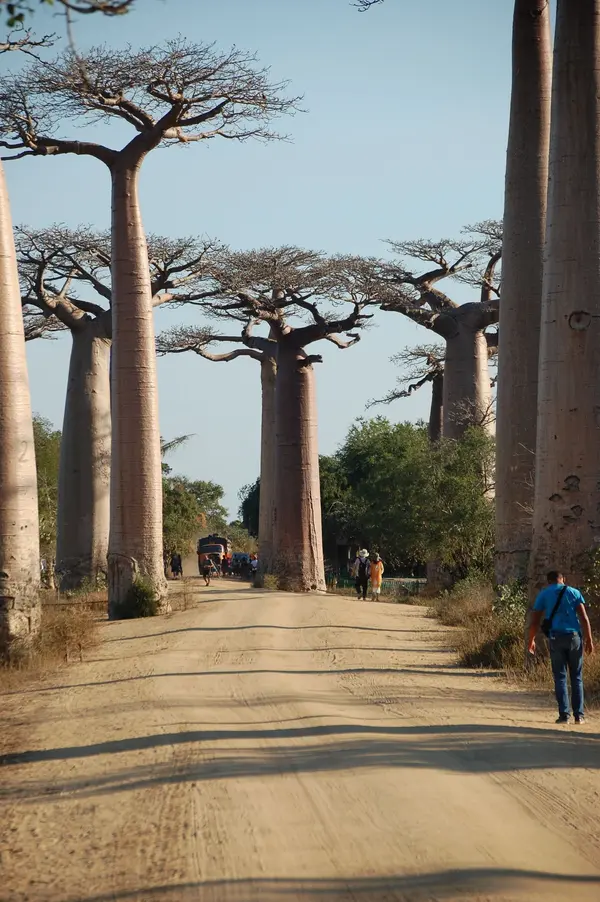
1. Avenue of the Baobabs
Morondava
A unique avenue of giant trees that you will not find anywhere else in the world. Stroll among the giant baobabs at sunset and feel a silence broken only by the rustling of leaves in the wind.
Quick facts: Some baobabs are over 800 years old and have enormous trunks that can hold up to 120,000 liters of water. Most of these giants grow up to 30 meters tall, and during the dry season they shed their leaves and look as if they are growing with their roots pointing upward.
Highlights: At sunset the trees turn into silhouettes against the orange sky, creating a scene as if painted by Salvador Dali himself. During the full moon, honey lemurs come out of the forest to feed on the baobab flowers, a rare and magical sight.
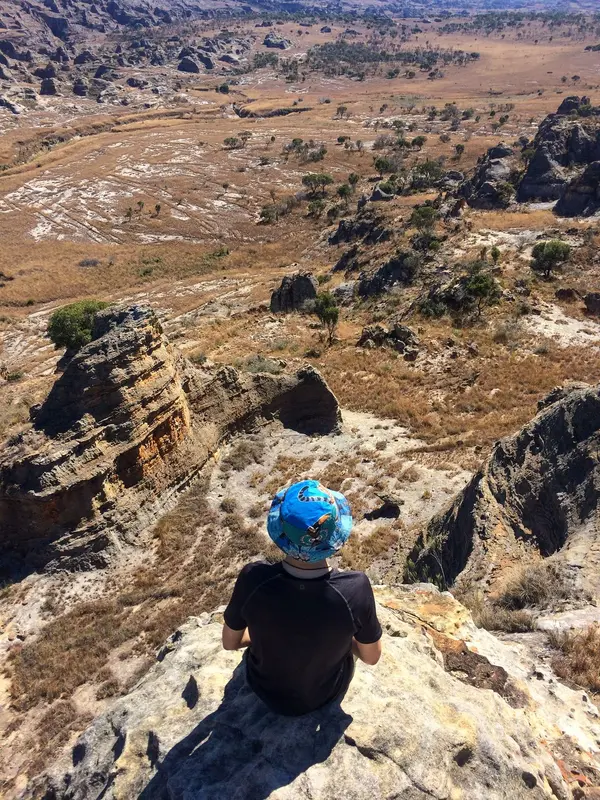
2. Isalo National Park
Ranohira
Discover the wild beauty of canyons and natural pools shaped by erosion over millions of years. You will walk past lemurs, swim in a natural pool, and admire the views from rocky plateaus.
Quick facts: This 81,500-hectare park in southern Madagascar was formed about 200 million years ago, when the sandstones took on their present shape. Each year it is visited by around 50,000 travelers, who are attracted by the breathtaking canyons, natural pools, and endemic plant species.
Highlights: The park is home to the ring-tailed lemur, which in the wild is found only in Madagascar, and you often encounter its groups while walking through the canyons. In the heart of the park lies a natural pool named Piscine Naturelle, where you can refresh yourself in crystal-clear water in the middle of the dry savanna landscape.
3. Nosy Be
Nosy Be
An island that smells of ylang-ylang and where humpback whales leap out of the water just a stone's throw from the shore. You will swim along coral reefs, stroll through vanilla plantations, and in the evening eat freshly caught seafood at sunset.
Quick facts: It lies off the northwestern coast of Madagascar and is known for its ylang-ylang plantations, which give the island a sweet scent of tropical roses. Every year it attracts more than 120,000 visitors, who come for the lemurs, humpback whales, and breathtaking beaches.
Highlights: In the bay of the Nosy Be island, more than 7,000 humpback whales gather between June and September, one of the largest concentrations on the planet. Local fishermen can bring a boat among them almost silently, so you hear the breathing of a 15-meter giant barely ten meters away.
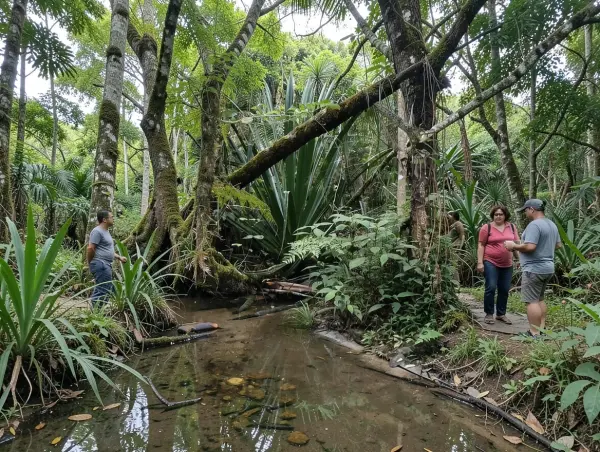
4. Andasibe-Mantadia National Park
Andasibe
The only place in the world where you will see and hear the indri in its natural habitat. At sunrise you will be awakened by its enchanting call, then you will chase glimpses of dozens of lemur species through the dense rainforest.
Quick facts: The largest lemur in the world lives here, the indri, whose deafening morning songs can be heard more than three kilometers away. The park protects one of the last patches of lowland rainforest in Madagascar, where more than 100 species of orchids have been discovered.
Highlights: Before sunrise, a surreal choir of indris echoes through the forest, which locals describe as the songs of ancestral spirits. Scientists have discovered that these lemur songs serve to mark territory and have been passed down among families for many generations.
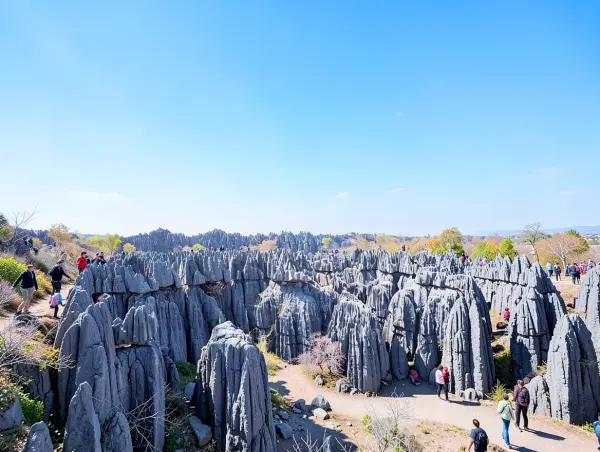
5. Tsingy de Bemaraha National Park
Antsalova
Climb among the sharp limestone needles that reach to the sky like knives. Walk across hanging bridges and discover the secretive world of lemurs and rocky labyrinths.
Quick facts: The park covers 157,000 hectares of limestone rock formations shaped by underground rivers over millions of years. Eleven species of lemurs live here, including the rare white lemur, which you can find only in this area.
Highlights: In the park there are conical limestone needles up to 120 meters high, between which hang suspension bridges that sway as much as 60 meters above the ground. Beneath the surface hides a network of caves and underground rivers where the blind fish Typhleotris madagascariensis lives.
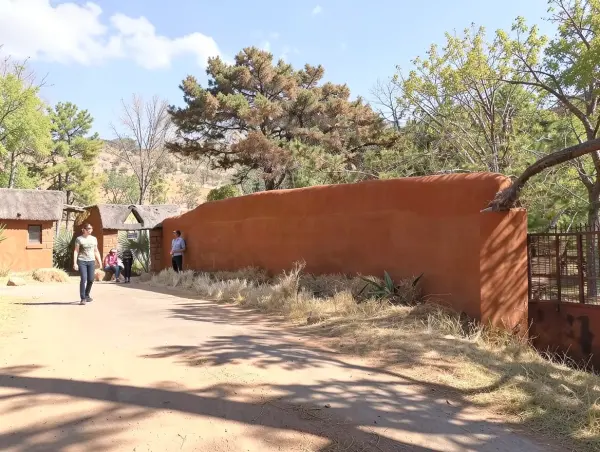
6. Lemurs' Park
Antananarivo
The only place in the world where you can walk freely among wild lemurs without fences. In the embrace of the Madagascan forest you will feel the wild within arm's reach.
Quick facts: More than 60 lemurs of seven different species live here, freely jumping around the 5 hectares of forest. The founders opened the park in 2000 with the aim of protecting these endangered animals from the loss of their natural habitat.
Highlights: Visitors can feed the lemurs right from their hand, as the animals are completely accustomed to human presence. A special feeling is when a black-and-white ruffed lemur jumps onto your shoulder while you feed it a piece of banana.
7. Analakely Market
Antananarivo
The true heart of everyday life in the capital, where scents of vanilla, dried fish, and cinnamon mingle. A stroll among the stalls will give you a taste of a genuine Madagascan adventure.
Quick facts: Every day more than 10,000 sellers and buyers meet here, creating a lively trading hub in the middle of Antananarivo. The market has been operating since 1932 and offers everything from fresh spices to handcrafted wooden masks.
Highlights: Under huge canvas canopies stretched right across the main street, sellers display felted textiles and unique items made from zebu horn. Climb the nearby steps of Place de l'Indépendance, from where the whole market is visible as a colorful mosaic of bright roofs and bustling people.
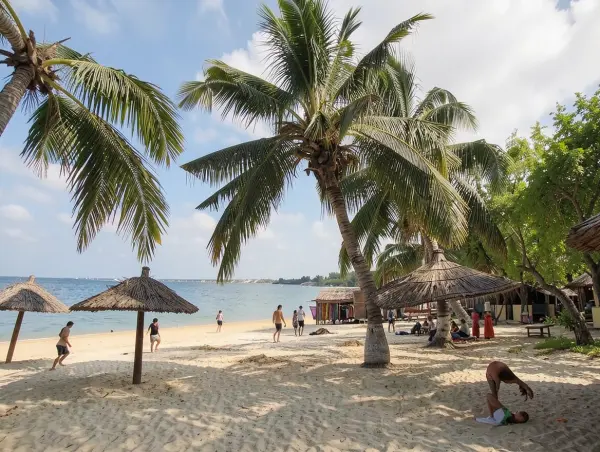
8. Ifaty Beach
Ifaty
Escape to a tropical paradise where turquoise seas meet endless palm plantations. Breathtaking sunsets, coral reefs, and unique wildlife await you.
Quick facts: In Ifaty Bay lies one of the largest coral reefs in the southwestern Indian Ocean, stretching more than 20 kilometers along the coast. More than 130 species of coral and almost 500 species of fish live in the surrounding waters, and humpback whales also linger here during the season.
Highlights: When you walk along the beach at low tide, you can observe colorful sea stars and small octopuses in the shallows, hiding among the rocky pools. Right here, among the mangroves and dunes, lives the rare Verreaux's sifaka, a species of lemur found only in Madagascar.
9. Parc National de Ranomafana
Ranomafana
Step into a world where lemurs leap among the bamboo and the rare golden lemur enjoys deadly shoots. Stroll along winding rainforest trails full of hidden waterfalls and the shrieks of wild animals.
Quick facts: This rainforest in southeastern Madagascar is home to more than 12 species of lemurs, including the rare bamboo lemur. In 1990 it was placed on the UNESCO World Heritage list, as it hides incredible biodiversity with over a hundred endemic species of plants and animals.
Highlights: In 1986 scientists discovered here a completely new species of mammal, the golden bamboo lemur, which nobody had known until then. Its main diet contains enough cyanide to kill most other animals, and the lemur digests it without difficulty.
Where to Stay in Madagascar
Selected by City Buddy based on guest reviews and proximity to top attractions
Search all hotels in MadagascarPowered by agoda
Popular Cities in Madagascar


Traditional Sweet Dishes
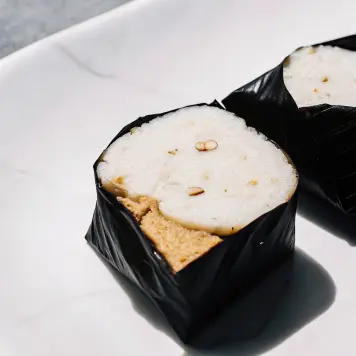
Koba Akondro
Koba Akondro is a steamed banana and peanut cake wrapped in banana leaves. It is often sold as a popular street food snack across Madagascar.
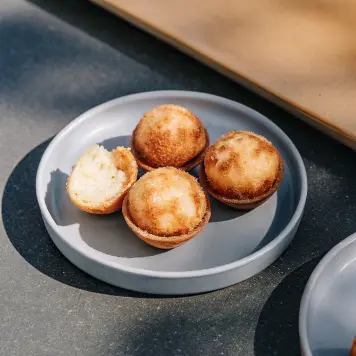
Mofo Gasy
Mofo Gasy are small, sweet rice flour fritters traditionally cooked in half-spherical pans. They are a beloved breakfast treat often eaten with coffee.
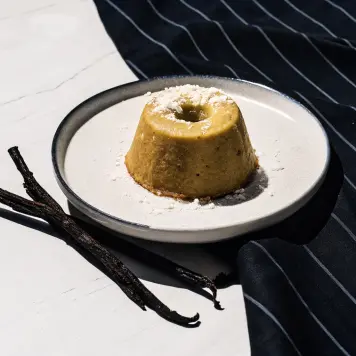
Mokary
Mokary is a dense, sweet cassava cake that is often flavored with coconut milk and vanilla. It is a staple dessert at celebrations and family gatherings.
Traditional Savory Dishes
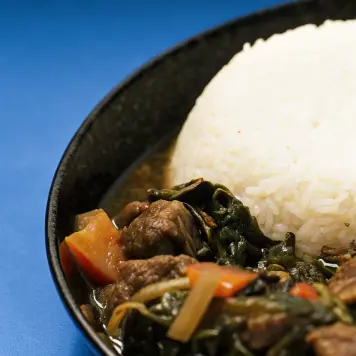
Romazava
Romazava is the national dish of Madagascar, a hearty meat and greens stew often made with zebu beef. It is typically served over a mound of steamed rice.
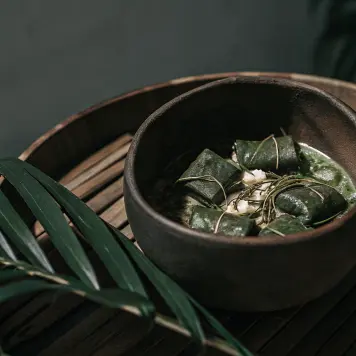
Ravitoto
Ravitoto is a savory dish made from pounded cassava leaves cooked with coconut milk and pork or beef. The pounding of the leaves gives the dish a uniquely creamy, rich texture.
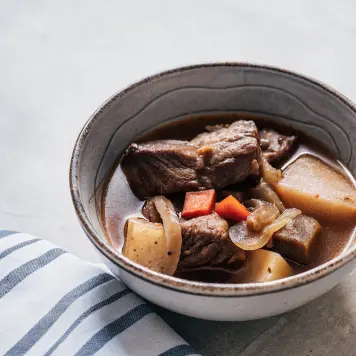
Lasopy
Lasopy is a traditional Malagasy vegetable soup made with cabbage, potatoes, carrots, and often zebu beef bones. It was influenced by French colonial cuisine but adapted to local ingredients.
Traditional Beverages
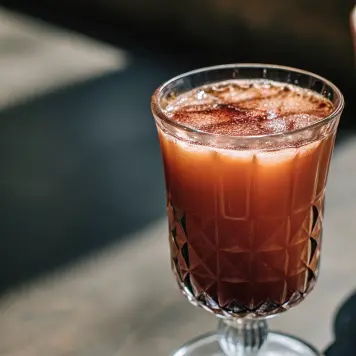
Ranonapango
Ranonapango is a simple yet beloved drink made from burnt or toasted rice steeped in hot water. It has a slightly smoky, nutty flavor and is commonly enjoyed after meals.
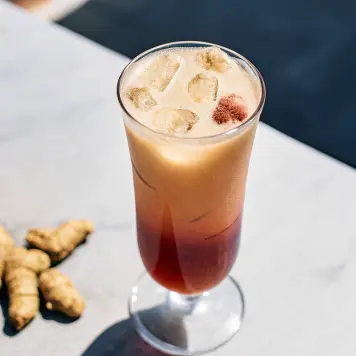
Betsabetsa
Betsabetsa is a traditional homemade ginger drink, often sweetened with sugar and served chilled. It is widely believed to aid digestion and provide natural energy.

Trembo
Trembo is a traditional palm wine tapped from the sap of coconut or raffia palm trees. It is naturally fermented and has a mildly sweet, effervescent taste, popular in coastal regions.
Frequently Asked Questions about Madagascar
Is Madagascar a safe destination for travelers?
How many days do you recommend for visiting Madagascar?
When is the best time to visit Madagascar?
Is Madagascar an expensive travel destination?
What is the easiest way to get around Madagascar?
Get a PDF with the most popular attractions sent to your email
Get a PDF with all attractions, ratings, and tips. Perfect for offline use.
Most popular day trips
Antananarivo
Capital city with royal palaces, bustling markets, and unique cultural heritage.
Antsirabe
Highland city known for thermal springs, rickshaws, and gemstone workshops.
Nosy Be
Island paradise with beaches, lemurs, snorkeling, and vanilla plantations.
Morondava
Gateway to the Avenue of the Baobabs and stunning sunset landscapes.
Antsiranana (Diego Suarez)
Northern port city with dramatic bays,Emerald Sea, and rainforests.
Getting there
Airports
Train stations
Antananarivo to Toamasina (east coast line)
Fianarantsoa to Manakara (south east scenic line)
Ivato Airport is 15 km from central Antananarivo. Taxis are available but negotiate the fare in advance. Pre-book a transfer for safety.
Click to get eSim for Madagascar
The easiest and most affordable way to get mobile internet wherever you travel.
Visa & entry
Seychelles, Mauritius, Comoros, Kenya, some African nations
Most nationalities including USA, Canada, UK, EU, Australia, and Asian countries need a visa.
Visa on arrival available at Ivato Airport for most tourists. Fee is around 35 EUR for 30 days. Pay in local currency or EUR.
Comments (6)
Skip the taxi brousse if you can afford a private driver. The local buses are crammed, break down constantly, and add hours to your trip. Split a 4x4 with other travelers, way more worth it.
Download Maps.me offline before you go. Google Maps is useless there. Also bring cash from the airport ATM. Most towns have zero working card machines and the exchange rate at hotels is a total ripoff.
Loved the landscapes but Antananarivo was honestly chaotic and overwhelming. The food scene outside the capital is way better. Street markets near the coast had fresh seafood for cheap.
The baobabs at sunset are unreal. But honestly the roads are terrible. We budgeted 2 hours for a drive that took 6. Plan extra time everywhere or you'll stress yourself out.
Best trip of my life and I've been to 30 countries. The people are so warm, the nature is raw and untouched. Stay at least 2 weeks, anything less and you'll regret rushing.