 CityBuddy
 English
Things to Do in Ranohira, Madagascar
Photo made by Mario Spencer on Pexels.com
When to visit
Plan your perfect trip to Ranohira, Madagascar
Get a complete travel plan built just for you in under 30 seconds, with daily routes, local food tips, budget estimates and more.
Are any of these especially important to you?
Select all that apply
Getting around
How do you want to move between places?
Plan language: EnglishMost popular attractions in Ranohira, Madagascar
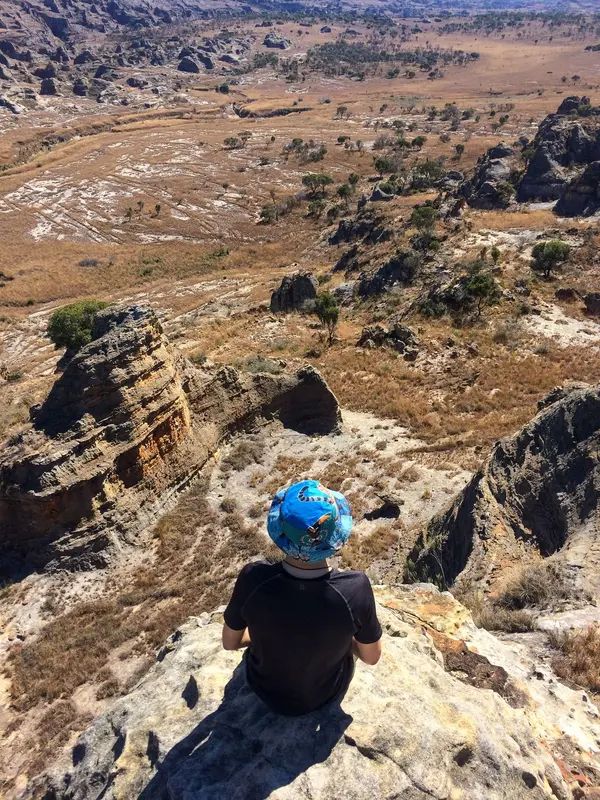
When thinking about things to do in Ranohira, Madagascar, head to Isalo National Park, whose sandstone cliffs reach 1,268 meters and blend into the savanna. Cool off in Piscine Naturelle, a natural pool among the rocks, and then walk through Canyon des Singes, a canyon with trails about 8 kilometers long.
1. Isalo National Park
A walk through the canyon leads to a pool where you swim in the middle of a rocky desert. The view from the cliff falls on the savanna and colonies of lemurs while the wind carries the scent of hot stone.
Quick facts: Sandstone cliffs up to 300 meters high hide canyons with natural pools and waterfalls. More than 350 plant species and large colonies of ring-tailed lemurs make this landscape a habitat rarely encountered.
Highlights: In the middle of the dry canyon, the Piscine Naturelle pool suddenly opens up, several meters deep, fed by an underground spring throughout the year. A dip in that pool, after a half-hour descent through narrow passages in the rock, feels like a reward the rock keeps only for those who reach it.
2. Isalo Massif
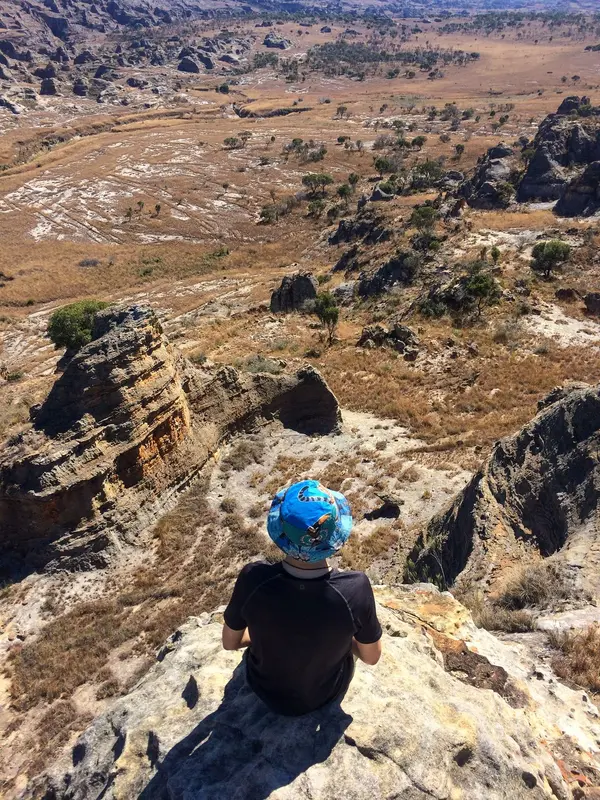
Sand towers and hidden pools make the walk here similar to a walk on another planet. In 4 hours you experience canyons, cool pools, and lemurs jumping right above your head.
Quick facts: Wind and rain over millions of years turned 81,540 hectares of sandstone into a city of sand with towers, arches, and crevices. Ring-tailed lemurs and sifakas live on those cliffs, and at the bottom of the canyons hide pools of cold water that never dry up.
Highlights: In the middle of a landscape that looks scorched and barren in July, narrow sandy corridors hide springs that do not dry up even in the driest part of the year. A jump into the cold pool below the sandstone walls, while sifakas watch you from above, is one of those details remembered for months after returning.
3. Canyon des Singes
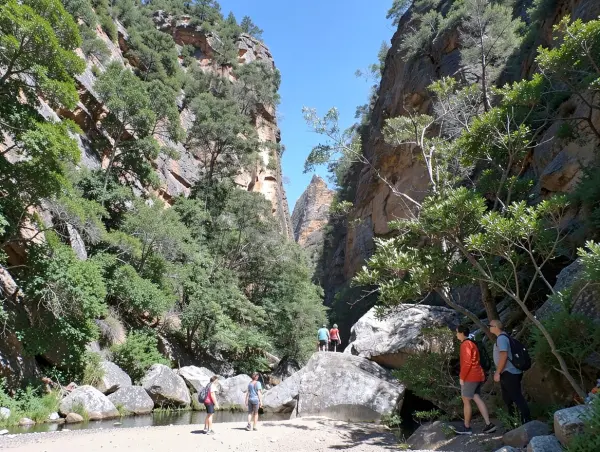
Red sandstone walls hide fossils older than 70 million years. Walk through two kilometers of canyon past pools of water and herds of lemurs.
Quick facts: The vertical sandstone walls preserve dinosaur fossils and petrified wood, and among the finds are bone fragments more than 70 million years old. A two-kilometer-long gorge cuts through a dry deciduous forest inhabited by lemurs, endemic birds, and reptiles found nowhere else on the planet.
Highlights: At the bottom of the canyon, where pools of turquoise water gather after rain, you can swim in a natural pool below cliffs up to 300 meters high. Paleontologists found entire nests of fossilized dinosaur eggs here, so as you hike you look at the same rock layers through which scientists have searched for traces of prehistoric life for centuries.
4. Piscine Naturelle
In dry sandstone canyons water springs up and fills a natural pool for a rest after a long trek. Jumps off the rock and calm green water stay in memory.
Quick facts: The water in the natural pool springs from the depths of the sandstone massif and stays below 20 degrees, so swimming is pleasant even when the mercury tops 35. Local guides check the level every day, because in the dry season the amount of water can drop by a third in just two weeks.
Highlights: In the midday hour, light breaks through a narrow gap in the sandstone and casts green reflections on the bottom, so the water takes on a shade of liquid emerald. A jump from the rock of about three meters leads straight into the cold jet that springs from the cave at the bottom, the very same jet that carved out this pool over millennia.
Where to Stay in Ranohira, Madagascar
Selected by City Buddy based on guest reviews and proximity to top attractions
Search all hotels in Ranohira, MadagascarPowered by agoda
Traditional Sweet Dishes
Koba
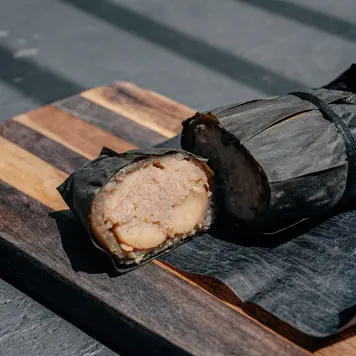
Koba is a dense, sweet cake made from mashed bananas, ground peanuts and rice flour, wrapped in banana leaves and slowly steamed until caramelized. Travelers often find it sold along roadsides near Ranohira as a filling, energy-packed snack.
Bonbon coco
Bonbon coco are chewy candies made from fresh grated coconut cooked down with sugar until golden and crunchy. They are a favorite treat at Ranohira's weekly market, where coconut is a prized island ingredient.
Mofo gasy
Mofo gasy are small, golden rice flour doughnuts that are deep fried and dusted with sugar, served hot with coffee. Their name literally means "Malagasy bread," and they are an iconic morning sweet across the island.
Traditional Savory Dishes
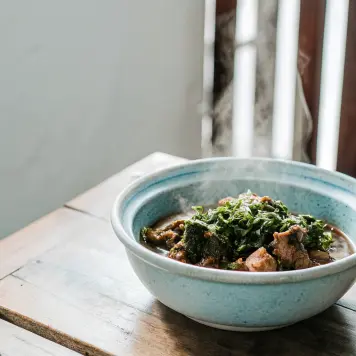
Romazava
Romazava is a hearty stew of zebu beef simmered with aniseed and generous piles of chopped leafy greens. Around Ranohira, where zebu cattle thrive on the highland pastures, this dish is the pride of many family tables.
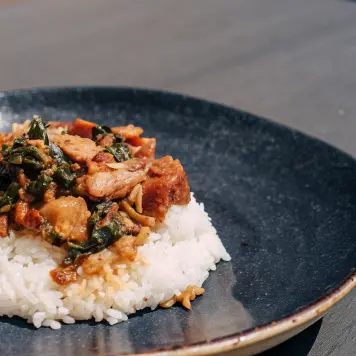
Ravitoto
Ravitoto is made by pounding cassava leaves into a coarse paste and cooking it with salted pork and coconut milk. The bitter, earthy greens contrast perfectly with the rich meat, and it is traditionally served heaped over plain rice.
Mofo anana
Mofo anana are savory fritters of rice flour mixed with finely chopped greens and onion, then fried into crispy patties. They turn leftover greens into a beloved street food that appears at roadside stalls in Ranohira.
Traditional Beverages
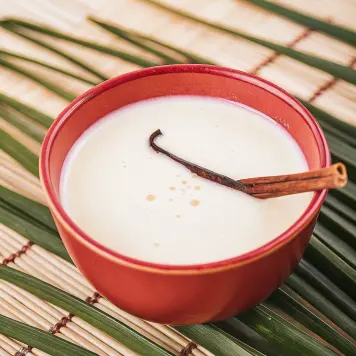
Ranonapango
Ranonapango is a cooling drink made from the starchy water left after boiling rice, often sweetened with vanilla sugar. In highland homes it is served to help settle the stomach and to refresh after a long day in the fields.
Betsa-betsa
Betsa-betsa is a lightly fermented drink made from fresh sugar cane juice, with a slightly sour, sparkling kick. It is a rustic refresher that rural communities like Ranohira enjoy especially during the hot harvest months.
Café au lait
Madagascar grows its own fragrant arabica coffee, and in Ranohira it is traditionally brewed strong and drunk with sweetened warm milk. This milky coffee is the standard companion to morning mofo gasy and lively market conversation.
Frequently Asked Questions about Ranohira, Madagascar
Is Ranohira, Madagascar safe for foreigners?
How many days are needed to tour Ranohira?
When is the best time to visit Ranohira?
Is Ranohira, Madagascar expensive for tourists?
How do you get around Ranohira and its surroundings?
Get a PDF with the most popular attractions sent to your email
Get a PDF with all attractions, ratings, and tips. Perfect for offline use.
Most popular day trips
Isalo National Park
Sandstone massif with canyons, natural pools, and endemic lemurs.
La Fenetre de l'Isalo
Famous rock window viewpoint, beautiful at sunset over the plains.
Canyon des Rats and Piscine Naturelle
Guided day hike to a narrow canyon and a refreshing natural pool.
Zombitse-Vohibasia National Park
Dry forest refuge for endemic birds, lemurs, and rare tortoises.
Ambalavao and Anja Reserve
Ring-tailed lemur reserve, Antemoro paper, and a big zebu market.
Getting there
Airports
Train stations
Access is by road only, via Route Nationale 7 (RN7); the historic Fianarantsoa line does not connect
Fly to Toliara or Fianarantsoa, then take a 4x4 or bush taxi on RN7; the road is paved but winding.
Click to get eSim for Ranohira, Madagascar
The easiest and most affordable way to get mobile internet wherever you travel.
Comments (7)
Stayed two nights in Ranohira and honestly could've stayed a week. The silence was unreal, just zebu carts and kids waving at the car.
Honestly underwhelmed. Dust, flies, one guesthouse that felt overpriced for what it was. Could've skipped it and not missed much.
Caught it in November, rain turned the red roads into mud soup. Boots saved me, cute town but everything shut down by 5pm.
Market is Monday only, get there before 9am. Carry small bills. Nobody in Ranohira will break a 20,000 ariary note.
Simple guesthouse, unbelievably kind hosts, and the night sky out there is pure magic. Wish I'd planned one more day.