 CityBuddy
 English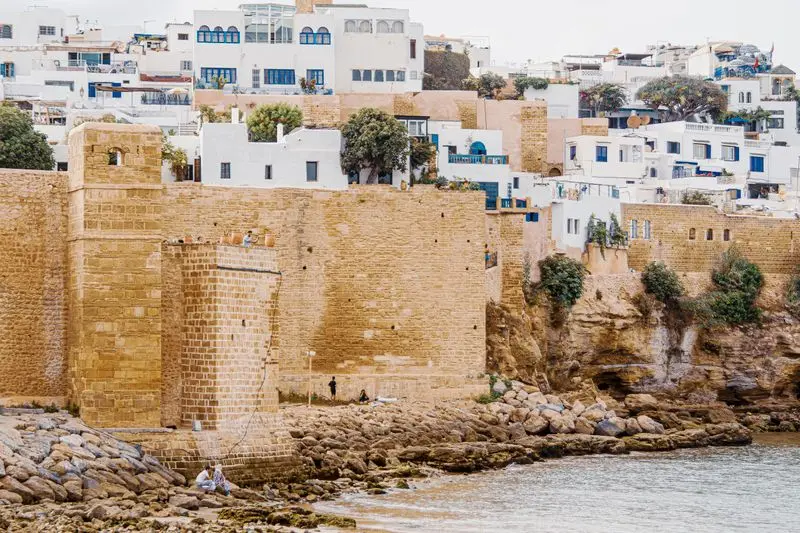
Things to Do in Rabat, Morocco
Photo made by Jean Marc Bonnel on Pexels.com
When to visit
Plan your perfect trip to Rabat, Morocco
Get a complete travel plan built just for you in under 30 seconds, with daily routes, local food tips, budget estimates and more.
Are any of these especially important to you?
Select all that apply
Plan language: EnglishRabat is the #1 city for English speakers in the world, based on our data across hundreds of destinations.
Most popular attractions in Rabat, Morocco
The finest things to do in Rabat, Morocco start at its 12th century landmarks. Climb the 44 meter Hassan Tower, built to be the world's tallest minaret. Adjacent, the Mausoleum of Mohammed V entombs the modern king and his father. Then stroll the Kasbah of the Udayas' cobalt doorways above the Atlantic.
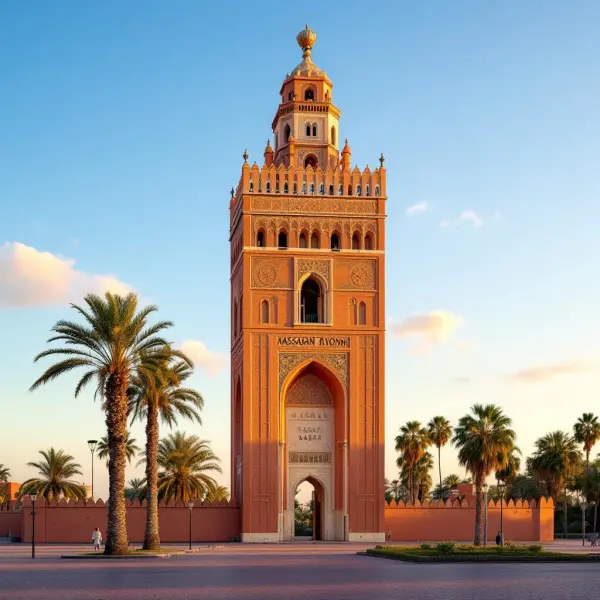
1. Hassan Tower
A minaret that stopped rising halfway is oddly more stirring than any finished tower. Stand where the earthquake felled the mosque and feel 800 years of history in the sea breeze.
Quick facts: Only about 44 meters of red sandstone ever rose toward a planned 86, halting for good the day the sultan who ordered it died in 1199. The prayer hall it fronts would have seated 20,000 worshippers, and roughly 200 columns still lie where the 1755 earthquake threw them down.
Highlights: Run your fingers along the carved capitals and you'll trace horseshoe arches and geometric patterns still crisp after more than 800 Moroccan summers. Roughly 200 column stumps lie exactly where the earthquake flung them, so the whole esplanade reads like a photograph frozen mid-disaster.
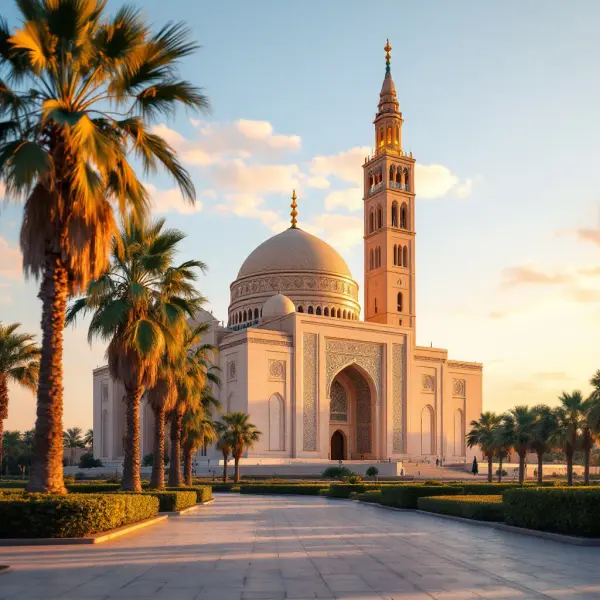
2. Mausoleum of Mohammed V
Step into a gleaming white hall where three royal tombs rest beneath a green-tiled crown. Feel the hush as horse guards and sunlight turn a quick stop into a quiet ceremony.
Quick facts: A gleaming white hall capped with a vivid green tiled roof holds the tombs of three Moroccan royals, side by side under one roof. Roughly 700 craftsmen layered in zellige mosaic, carved stucco, and Portuguese marble, and everyone who enters kicks off their shoes before crossing the carpet.
Highlights: Silver rifles catch the light as turbaned Royal Guards on horseback patrol the marble esplanade, a vigil that has run 24 hours a day for over 50 years. Look up from the white-wrapped tomb and you'll see a gilded brass chandelier suspended over the crowd, while the kaleidoscopic floor tiles each took craftsmen weeks to shape by hand.
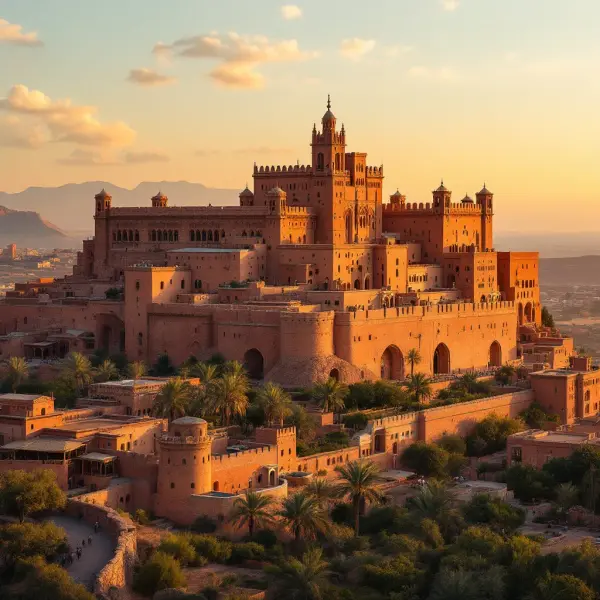
3. Kasbah of the Udayas
Wander a blue washed fortress village where every alley ends in ocean light. Climb the ramparts for mint tea with the river mouth spilling out below.
Quick facts: Nine centuries of Atlantic winds have shaped this hillside stronghold, whose monumental horseshoe gate from 1195 guards lanes washed in soft blue and white. Mint tea steams in a cliffside café above the river mouth, while stray cats patrol the tiled courtyards below.
Highlights: A defensive trick hides in the old gate's design: the main street bends sharply so attackers could never glimpse the end, yet today that bend shelters a row of blue washed houses where a lifetime of laundry dries in the sun. Past the last house the cliff edges down to a dizzying view, where surfers, ferries, and fishing boats all churn the same strip of Atlantic.
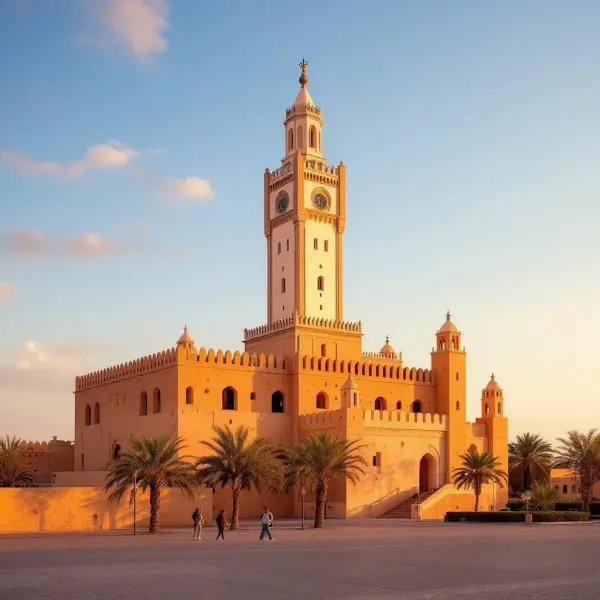
4. Chellah
Climb to where storks rule crumbling Roman walls and medieval tombs. Hear the spring, meet the resident cats, and watch the sun paint the old stones gold.
Quick facts: Massive stork nests crown the ruined minaret and ramparts, their beaks clacking loudly across the gardens. Roman excavations here uncovered a temple, baths, and a forum that predate the medieval Merenid tombs built on the same sacred ground.
Highlights: The sacred spring inside the walls is said to cure infertility, and local women still tie green ribbons on the ancient fig trees beside it. On a quiet afternoon, you can watch eels glide through the same pool where Romans once left offerings to their gods.
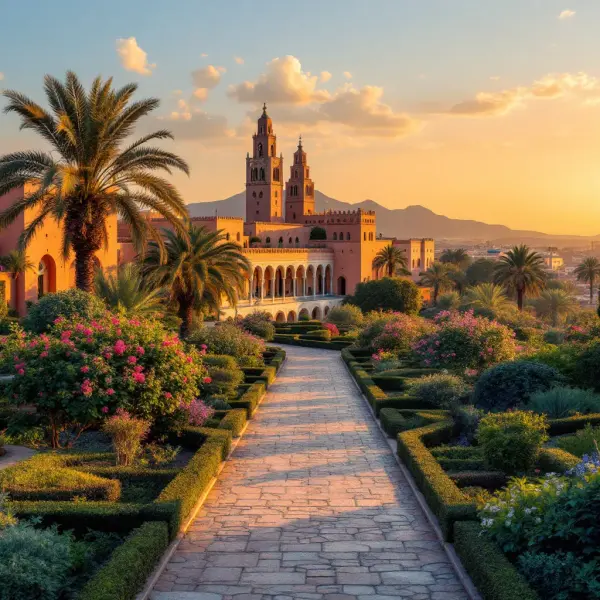
5. Andalusian Gardens
Escape the rampart crowds into a scented pocket of orange trees and fountains. You'll wander shaded tile paths to a terrace overlooking the river meeting the Atlantic.
Quick facts: Roughly 6,000 square meters of terraced greenery hang above the Bou Regreg river mouth, planted with orange, lemon, and cypress trees alongside jasmine and bougainvillea. Spanish-born landscape architect Jean-Claude Forestier arranged the beds around a clover-shaped central fountain in the early 1920s, reinterpreting the Moorish garden style of his native Seville.
Highlights: At roughly 6,000 square meters the whole garden fits inside a city block, but only from the far corner terrace does the river reveal itself sliding into the open Atlantic below. Clover-shaped fountains trickle nonstop while pigeons burst from the cypress tops, and the air carries orange blossom scent from March onward, like a private courtyard tucked between old walls.
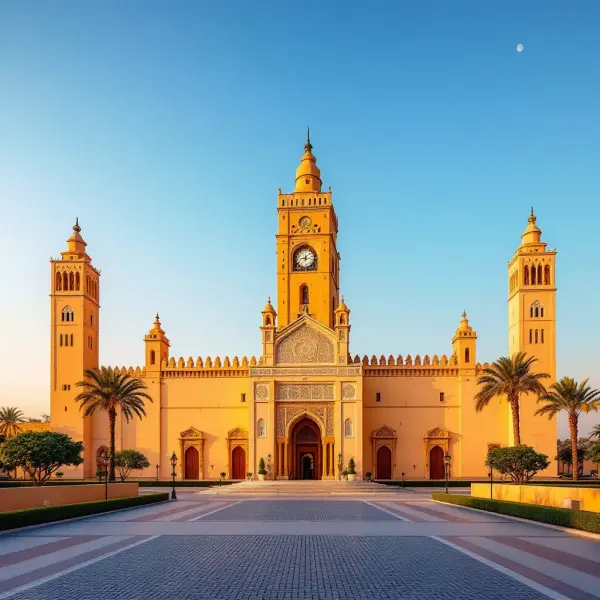
6. Royal Palace of Rabat
Stand at the gates of a working royal residence and watch a real cavalry parade. Pink walls, tiled fountains and gleaming sabres make this the easiest royal encounter in the city.
Quick facts: Sixty hectares of gardens and ceremonial squares spread around the residence where Morocco's king conducts official business. Mounted Royal Guard cavalry in crimson-and-gold uniforms trot past the gates each afternoon, a parade that visitors watch for free.
Highlights: Unlike most working palaces, the vast columned courtyard is open for strolling, letting visitors walk the same marble esplanade where visiting heads of state are received. Hanging around until the 5 pm cavalry change means catching sabres glinting and horses side-stepping to drumrolls right at the main gates.
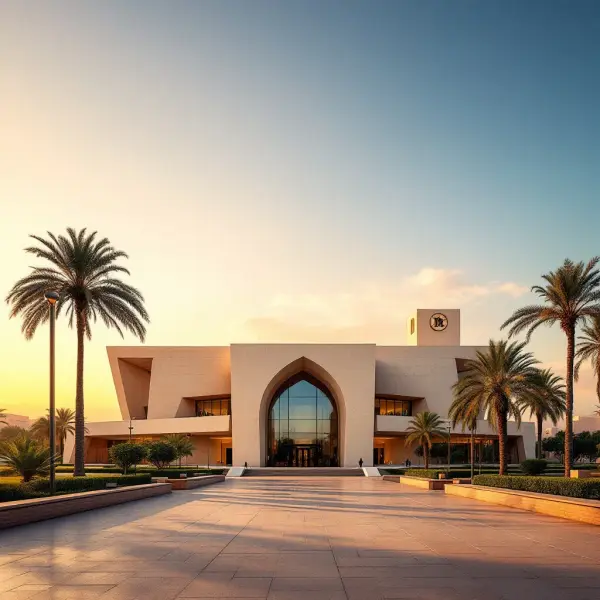
7. Mohammed VI Museum of Modern and Contemporary Art
Modern Moroccan masters hang beside international stars in one purpose-built space. Stroll the glassy galleries, then claim a bench on the rooftop terrace for skyline views.
Quick facts: Some 2,000-plus works make up the permanent collection, with roughly 400 pieces rotating through the galleries at any one time. The institution counted as the country's first purpose-built showcase for modern and contemporary art when it debuted a decade ago.
Highlights: A bronze mashrabiya-style lattice wraps the facade, so afternoon sun paints lacy shadows across the courtyard before you even buy a ticket. Inside, look for works where Moroccan painters traded European oils for natural pigments, including robes dyed with henna and saffron from the Atlas foothills.
Where to Stay in Rabat, Morocco
Selected by City Buddy based on guest reviews and proximity to top attractions
Search all hotels in Rabat, MoroccoPowered by agoda
Traditional Sweet Dishes
Chebakia
Chebakia is a flower shaped sesame cookie that is fried and then soaked in warm honey and orange blossom water. It is a signature treat during Ramadan, traditionally served alongside harira soup to break the fast.
Kaab el Ghazal
Kaab el Ghazal, which means gazelle horns, are delicate crescent pastries with a thin, crisp shell and a fragrant almond paste filling scented with orange blossom water and cinnamon. Their elegant shape is said to mimic the curved horns of a gazelle.
Sellou
Sellou is a rich, crumbly sweet made from roasted flour, toasted almonds, sesame seeds, and honey blended with butter and anise. It is pressed into balls or cones and is especially cherished in Rabat homes during Eid and Ramadan for its energy and long shelf life.
Traditional Savory Dishes
Couscous
Couscous is Morocco's national dish, made of steamed semolina grains topped with a slow cooked stew of vegetables and lamb or chicken. In Rabat, Friday couscous is a beloved weekly family ritual served at midday.
Pastilla
Pastilla is a savory sweet feast of flaky warqa pastry filled with spiced pigeon or chicken, toasted almonds, and a dusting of cinnamon and sugar. It brilliantly blends sweet and savory, a hallmark of Moroccan festive cooking served at weddings and celebrations.
Tagine
A tagine is a slow cooked stew named after the conical clay pot in which it simmers, locking in moisture and flavor. Popular Rabat versions pair chicken with preserved lemon and green olives, or feature lamb with prunes and almonds.
Traditional Beverages
Moroccan Mint Tea
Moroccan mint tea, or atay, is a strong green tea brewed with fresh spearmint and plenty of sugar, poured from a height to create a frothy top. It is the ultimate symbol of hospitality and is served to guests throughout the day, with three glasses said to mean life, love, and death.
Fresh Orange Juice
Rabat is famous for its dazzlingly fresh orange juice, squeezed to order from sweet, sun ripened Moroccan oranges. Street stalls and cafes across the city serve it ice cold, making it a vibrant everyday refreshment.
Sbiten
Sbiten is a warming, spiced winter drink made from milk simmered with dates, nuts, cinnamon, and orange blossom water. It is traditionally sold by street vendors on cold evenings and is prized for its cozy, comforting sweetness.
Frequently Asked Questions about Rabat, Morocco
Is Rabat, Morocco safe?
How many days in Rabat, Morocco?
Best time to visit Rabat, Morocco?
Is Rabat, Morocco expensive?
How to get around Rabat, Morocco?
Get a PDF with the most popular attractions sent to your email
Get a PDF with all attractions, ratings, and tips. Perfect for offline use.
Most popular day trips
Casablanca
Morocco's largest city with the stunning Hassan II Mosque on the coast
Meknes
Imperial city with grand gates, the mausoleum, and historic medina
Fes
Ancient capital known for its vast medieval medina and tanneries
Chefchaouen
Picturesque blue-washed mountain town in the Rif hills
Tangier
Cosmopolitan port city at the Strait of Gibraltar, great for a day visit
Rent a car in Rabat, Morocco
Getting there
Train stations
ONCF main line connecting Casablanca, Kenitra, Tangier, Meknes, and Fes
Serves the southern districts with the same ONCF corridor routes
From Rabat-Sale Airport take a short taxi into the center. From Casablanca airport, use the direct ONCF train to Rabat Ville station for the easiest transfer.
Find flights to Rabat, Morocco
Click to get eSim for Rabat, Morocco
The easiest and most affordable way to get mobile internet wherever you travel.
Comments (5)
Cheapest tagine of my whole trip was in a random spot near the medina walls. The city felt more workaday than touristy, which I actually liked. Good base for day trips too.
Most museums here close 12 to 2:30 for lunch and shut Mondays too. Plan mornings instead, and carry small bills because vendors never have change for a 200 dirham note.
Was expecting more energy honestly. Things shut down early and by Sunday the old town felt dead. Safe and clean for sure, but if you only have a week I'd spend it in Fes.
Skip the seafood places right at the Kasbah gate. Walk two blocks downhill and the same fish plate costs half. Locals eat at the spots with no English menus.
Rabat surprised me honestly. Way chillier than Marrakech with a fraction of the crowds. Three days felt right, the medina is small but that coastal walk at sunset is for real.