 CityBuddy
 English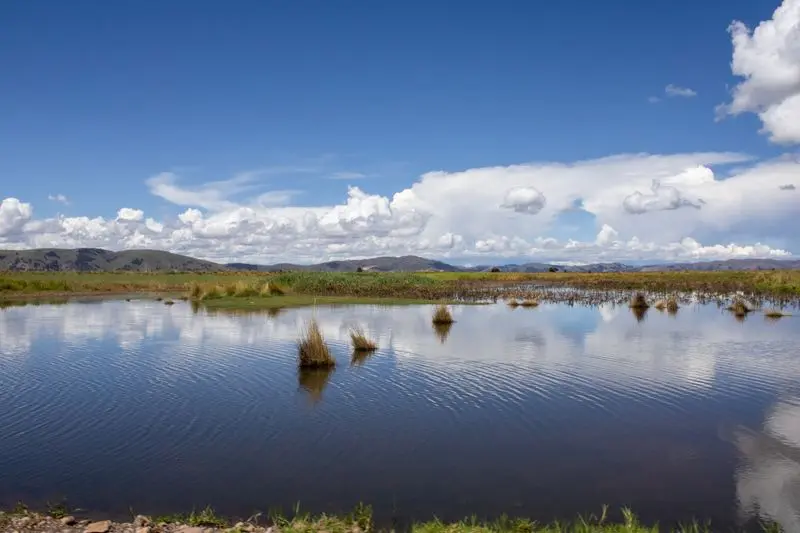
Things to Do in Puno, Peru
Photo made by Jesse Benjamin Lara Serna on Pexels.com
When to visit
Most popular attractions in Puno, Peru
The best things to do in Puno, Peru center around Lake Titicaca, the world's highest navigable lake at 3,812 meters. Take a boat to the Uros Floating Islands, where 1,200 residents live on layered totora reeds. Then visit Taquile Island, a 45-minute ride away, known for its intricate handwoven textiles and ancient Inca terraces.
1. Lake Titicaca
Nowhere else on earth can you sleep on an island made of reeds that floats on the world's highest navigable lake. Feel the spongy totora reeds beneath your feet as Uros families invite you into their centuries-old floating way of life.
Quick facts: Straddling the border of Peru and Bolivia at 3,812 meters above sea level, it's the highest navigable lake in the world. The lake contains 41 islands, many of which are floating islands handwoven from totora reeds by the Uros people.
Highlights: The Uros people build entire islands from totora reeds that grow in the lake, and they've lived this way for centuries to escape conflicts on shore. You can actually walk on these springy islands and feel them shift under your feet while women weave reed dolls and men repair their homes with fresh reeds every few weeks.
2. Uros Floating Islands
Step onto a man-made island handwoven from lake reeds that floats on the highest navigable lake in the world. You'll meet local families, ride a traditional reed boat, and feel the spongy ground shift beneath your feet.
Quick facts: These 70-plus islands are handwoven from interlocking layers of tortora reeds that grow in the lakebed, requiring constant maintenance as the reeds rot from the bottom up. Each island has its own school, and some even have solar panels and soccer fields that float right on the water.
Highlights: The islands absorb water like a sponge underfoot, so you literally feel the ground squish and shift as you walk across 6 to 8 feet of tightly packed reeds. Families rotate home building every few years because the reeds underneath decompose, meaning every home eventually gets rebuilt from scratch on fresh layers.
3. Taquile Island
A lake island where textiles tell stories and men knit by the shoreline. Watch handwoven masterpieces come to life while soaking in cobalt-blue waters 3,812 meters above sea level.
Quick facts: The island's 2,000 residents run their entire community through a unique rotational system where everyone takes turns in leadership roles, from fishing to weaving quality control. Handwoven textiles from Taquile have been recognized by UNESCO as a Masterpiece of the Oral and Intangible Heritage of Humanity, with patterns that encode centuries of Andean symbolism and community history.
Highlights: Men on Taquile learn to knit from childhood, often working on traditional looms while walking or chatting, a reversal of gender roles rare in the Andes. Every textile's pattern reveals the wearer's marital status, community role, and even whether they're single or looking , a wearable social profile woven in sheep's wool and natural dyes.
4. Plaza de Armas
The beating heart of Puno where lake culture meets high-altitude colonial history. Watch Andean dancers spin across ancient stones while vendors sell giant choclo corn fresh from the steamer.
Quick facts: Peru's highest main square sits at 3,860 meters above sea level, making even a casual stroll feel like a workout. The square has witnessed everything from indigenous rebellions to declarations of independence, all framed by colonial arches and the towering Cathedral of Puno.
Highlights: From the square's central fountain, you get a direct view of the Cathedral's intricate mestizo-baroque facade, carved from local volcanic stone by indigenous hands. Each Sunday morning, the plaza transforms into a riot of color as dozens of folk dance groups in Sequins and feathers compete for space, their bells and music echoing off the colonial arches.
5. Puno Cathedral
A masterpiece of Andean baroque architecture where indigenous symbols hide in plain sight on the stone facade. Step inside to witness 17 colonial-era paintings and a radiant silver altar beneath soaring domes.
Quick facts: The exterior appears carved from a single block of stone thanks to its stunning Renaissance and Baroque fusion facade made of volcanic rock. Inside, the cathedral houses 17 oil paintings from the Cusco School of painting and a silver-plated altar that gleams under the dome's natural light.
Highlights: Look closely at the facade's intricate carvings and you'll spot Andean symbols like the chakana (Inca cross) and puma heads woven into the Catholic imagery, a subtle act of indigenous resistance. The cathedral's builders used local pink volcanic stone that shifts color throughout the day, turning a deep rose at sunset and silvery grey under the midday sun.
6. Sillustani
Watch the sunset paint 12-meter stone towers in gold at a sacred burial site overlooking a high-altitude lake. You'll wander among ancient tombs that predate the Incas, with condors circling overhead and the Andes stretching endlessly behind them.
Quick facts: Perched on a peninsula jutting into Lake Umayo, this pre-Inca burial complex contains funerary towers called chullpas that rise up to 12 meters tall. The Colla people constructed these towers between the 12th and 15th centuries, placing their mummified elite inside facing east toward the rising sun.
Highlights: Unlike the Incas who later conquered them, the Colla people built their chullpas with stones interlocked so precisely that you can't slide a piece of paper between them, yet they used no mortar whatsoever. Stand inside one of the tallest towers at sunset and the wind whips through the narrow entrance creating a low hum, exactly as the builders intended for their conversations with the dead.
7. Museo Carlos Dreyer
Unearth 10,000 years of Peruvian highland culture under one colonial roof. Gaze at eerie mummies, golden Qulla crowns, and the personal treasures of a German explorer who made Puno his home.
Quick facts: The museum sits inside a 17th-century colonial mansion that once belonged to Spanish nobility. Its collection spans 10,000 years of regional history, from pre-Inca stone carvings to eerie colonial-era religious art.
Highlights: Tucked in a quiet corner, a single room holds the personal collection of gold and silver artifacts that Carlos Dreyer himself excavated from nearby Sillustani burial towers. The light catches the polished metal just so, revealing intricate geometric patterns the Qulla people hammered into breastplates and crowns over 800 years ago.
8. Arco Deustua
Stand beneath 11-meter granite arches that mark a turning point in Peru's independence. Watch the walls glow orange at golden hour while locals sell anticuchos from carts at the base.
Quick facts: Four massive stone arches rise 11 meters high, carved from pink granite hauled from 40 kilometers away. The monument commemorates the 1824 Battle of Junín, one of the final conflicts in Peru's war for independence from Spain.
Highlights: Unlike the flashier monuments in other Andean cities, this one is made of colossal pink granite blocks that glow burnt orange at sunset. Locals gather here every evening for impromptu street food stalls and domino games, making it a living community space rather than a static monument.
Where to Stay in Puno, Peru
Selected by City Buddy based on guest reviews and proximity to top attractions
Search all hotels in Puno, PeruPowered by agoda
Opening days in Puno, Peru
Which of the top sights close on which day of the week — the classic trip-ruiner, checked for you.
Saturday: 1 of 4 top sights closed — plan museums for another day.
Closed on Saturday · 1 closed, 3 open
Opening days from Google Maps (checked 2026-06-29). Public holidays, strikes and seasonal hours can differ — check the official website before you go.
Traditional Sweet Dishes
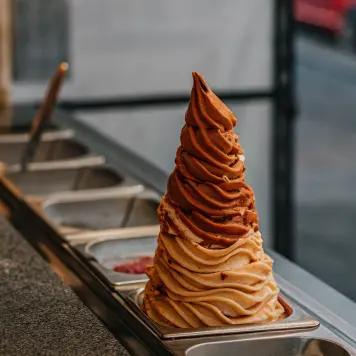
Queso Helado
Despite its name meaning "frozen cheese," Queso Helado contains no cheese at all. It is a creamy cinnamon-vanilla frozen dessert made from milk, coconut, and sugar, traditionally shaved into layers and sold by street vendors in Puno.
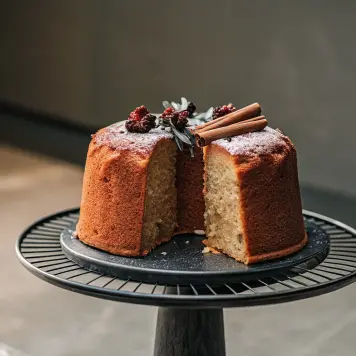
Torta de Quinua
This dense, sweet cake is made from quinua, a sacred Andean grain that has been cultivated on the altiplano around Lake Titicaca for thousands of years. It is often flavored with cinnamon, cloves, and dried fruits.
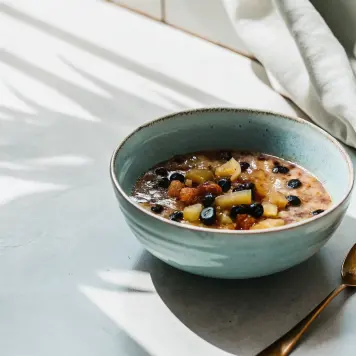
Mazamorra de Frutas
This thick, warm fruit pudding is made with local Andean fruits like aguaymanto and tuna (cactus fruit). It is sweetened with chancaca, a traditional unrefined cane sugar, and thickened with cornstarch or chuño flour.
Traditional Savory Dishes
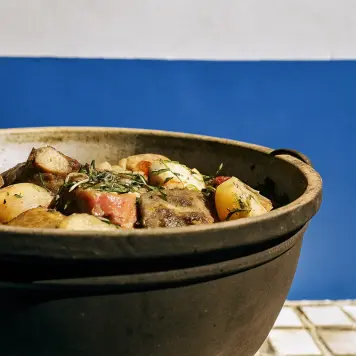
Pachamanca
Pachamanca means "earth pot" in Quechua, as the dish is cooked by burying marinated meats, potatoes, and herbs in a pit with hot stones. It is a ceremonial feast that honors Pachamama, the Earth Mother goddess revered by Andean communities around Lake Titicaca.
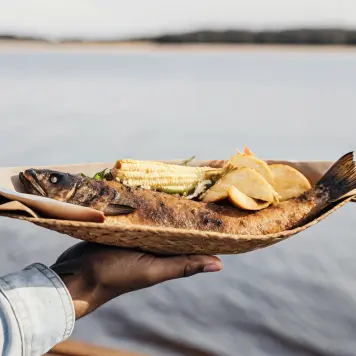
Trucha Frita
Lake Titicaca, the highest navigable lake in the world, is the source of the rainbow trout used in this dish. The trout is typically seasoned with local herbs like muña (Andean mint) and served with giant corn and fried potatoes.
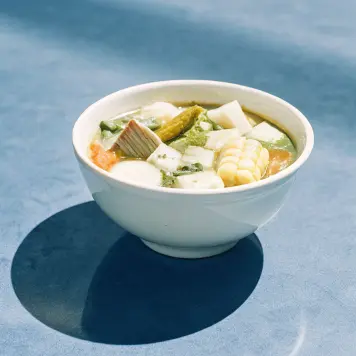
Chairo
Chairo is a hearty soup containing freeze-dried chuño potatoes, llama or sheep meat, and vegetables like corn and lima beans. It dates back to pre-Columbian times and was a staple for the Quechua and Aymara people of the highlands.
Traditional Beverages
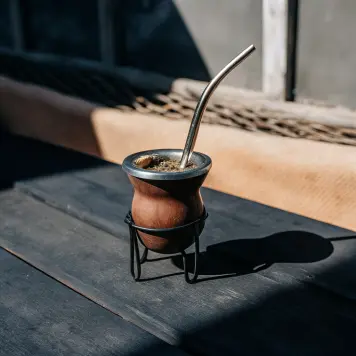
Mate de Coca
This herbal tea made from coca leaves is a traditional remedy for altitude sickness, which is essential in Puno at 3,830 meters above sea level. Locals have chewed and brewed coca leaves for thousands of years for energy and to aid digestion.

Chicha de Quinua
Unlike the corn-based chicha found elsewhere in Peru, this Puno version is fermented from quinua and has a slightly thicker, creamier texture. It is often consumed during festivals and is believed to have been a sacred drink in Inca rituals.
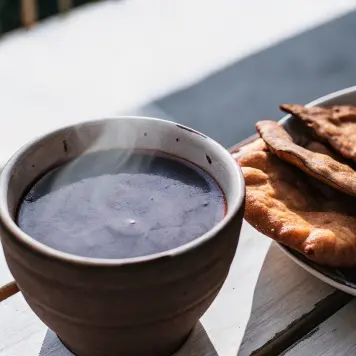
Api con Sopaipillas
Api is a thick, warm purple corn drink flavored with cinnamon, cloves, and fruit peel, commonly sold by street vendors at dawn in Puno's markets. It pairs perfectly with crispy fried sopaipillas (sweet pumpkin pastries) for a classic highland breakfast.
Frequently Asked Questions about Puno, Peru
Is Puno, Peru safe for tourists?
How many days in Puno, Peru are enough?
What is the best time to visit Puno, Peru?
Is Puno, Peru expensive to visit?
How to get around Puno, Peru?
Get a PDF with the most popular attractions sent to your email
Get a PDF with all attractions, ratings, and tips. Perfect for offline use.
Most popular day trips
Lake Titicaca (Uros Floating Islands)
Iconic floating islands made of totora reeds on Lake Titicaca.
Sillustani Burial Towers
Pre-Inca chullpa burial towers on a peninsula overlooking Lake Umayo.
Amantani Island
Peaceful island with homestays and stunning lake views.
Chucuito
Small town with the Temple of Fertility and Inca stone structures.
Getting there
Airports
Train stations
Cusco to Puno (PeruRail / Andean Explorer service)
Fly into Juliaca Airport (JUL) 50 km away. Buses and taxis connect to Puno in about 1 hour. Or arrive by train from Cusco for a scenic route.
Useful information for Puno, Peru
Overview for Puno, Peru
Want a day-by-day plan for Puno, Peru? Open the trip planner
Plan your perfect trip to Puno, Peru
Get a complete travel plan built just for you in under 30 seconds, with daily routes, local food tips, budget estimates and more.
Are any of these especially important to you?
Select all that apply
Getting around
How do you want to move between places?
Plan language: English