City BuddyCityBuddy
English
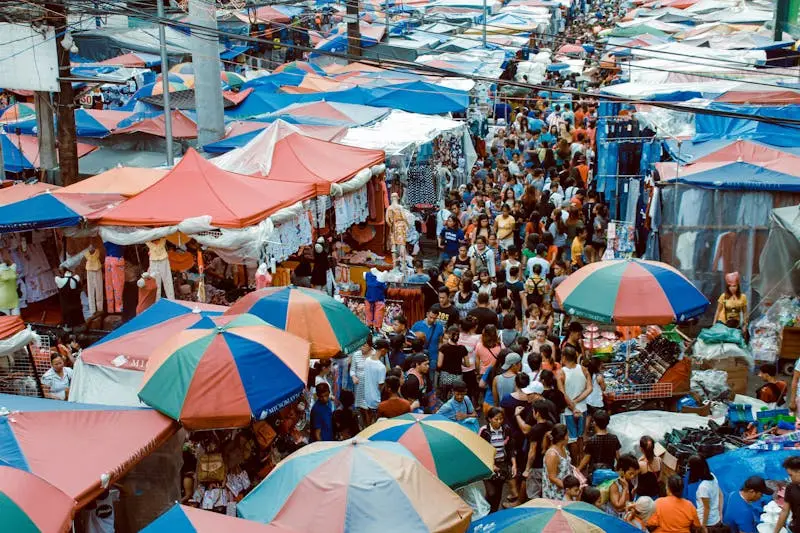
A bustling street market in Manila with colorful tents and a lively crowd shopping outdoors.

14-Day Authentic Philippines Adventure for Budget Backpackers

⚖️Balanced Mix🎒Budget Travel💎Hidden Gems & Local Spots
14 daysautumn

Discover the Philippines off the beaten path from Manila's local streets to Balabac's rugged islands and Boracay's hidden coves in this budget-friendly, authentic 14-day journey.

Our #1 travel tip

Book a FREE walking tour in Philippines

Free walking tours. Yes, actually free. No credit card needed. No catch.

  • Local guide, 2-3 hours
  • 100% tip-based
  • You tip what feels right
Browse FREE walking toursAdrijana, founder of City Buddy

Loading

Budget Breakdown

$571Trip total · $41 per day

Where to stay tonight

Hostel in Poblacion (eclectic nightlife hub in Makati) $15-25/night

Close to Salcedo Market and local bars for easy evening access and social atmosphere.

Search hotels in this area
Van6-7 hours

Take a van from Manila to El Nido. Book tickets via van companies in Cubao or online in advance to secure a seat for early morning departure.

Where to stay tonight

Hostel in El Nido Town Proper (compact town center near the bay) $10-20/night

Staying in the town center keeps you close to docks for island tours and street food spots for dinner.

Search hotels in this area

Where to stay tonight

Hostel in El Nido town center (lively backpacker hub with easy beach access) $10-20/night

Staying in the town center lets you walk to eateries and rental shops and access the tricycle terminal conveniently.

Search hotels in this area

Where to stay tonight

Hostel in El Nido Town Center (main hub for travellers and access to island tours) $20-30/night

Staying central allows easy access to morning departures to lagoons and islands, plus close proximity to local eateries and budget-friendly shops.

Search hotels in this area

Where to stay tonight

Hostel in Noblecilla Street (central Coron town near local markets and eateries) $15-25/night

Staying near Noblecilla Street puts you within walking distance of local markets, eateries, and secret spots loved by locals, perfect for budget backpackers.

Search hotels in this area
Boat1 hour

Travel from Coron town to the lakes and lagoons area by public boat. Depart from the Coron pier early morning to catch a good schedule. Booking at the local port or via hostel is recommended.

Where to stay tonight

Hostel in Coron Town Proper (center of local life and access point for island tours) $15-25/night

Staying central in Coron Town makes it easy to reach the pier and night market without extra transport costs.

Search hotels in this area

Where to stay tonight

Hostel in Balabac town center (main village area near port) $10-20/night

Staying here keeps you close to local life and easy access to ferries and markets without tourist crowds.

Search hotels in this area
Boat1 hour

Take a booked boat ride from Balabac to nearby islands for island hopping tours starting next day. Reserve in advance through local operators or your accommodation.

Where to stay tonight

Hostel in Balabac town (main hub for island tours and local community) $15-25/night

Staying in Balabac town puts you close to departure points for island hopping and offers affordable, basic hostels where you can meet fellow travelers.

Search hotels in this area

Where to stay tonight

Hostel in Kayangan Beach vicinity (backpacker-friendly area close to the beach) $15-30/night

Perfect for budget travelers wanting quick access to Kayangan Beach and local eateries.

Search hotels in this area

Where to stay tonight

Hostel in Balabac town proper (small fishing town and gateway to local islands) $15-25/night

This area offers easy access to transport, local eateries, and a backpacker-friendly vibe for resting after island exploring.

Search hotels in this area
Ferry4-5 hours

Book the early morning ferry from Balabac to Cebu City in advance through local travel agents or your hostel. The journey is scenic but can be rough; bring sea sickness tablets.

Where to stay tonight

Hostel in Barangay Mabolo (residential area with budget accommodations) $10-20/night

Affordable hostels here offer easy access to public transport and local eateries for a budget-conscious traveler.

Search hotels in this area
Jeepney30 minutes

Take a jeepney from Barangay Mabolo to the city proper for your city and culture exploration day. Jeepneys run frequently from early morning.

Where to stay tonight

Hostel in Cebu City center (historic and bustling downtown) $15-25/night

Ideal location to explore major sights including Magellan's Cross and Fort San Pedro on foot, with plenty of budget-friendly hostels and eating options nearby.

Search hotels in this area

Where to stay tonight

Hostel in Busay (quiet hillside village with local vibe) $10-15/night

Close to Kawasan Falls trek start and Sirao Garden, perfect for offbeat exploration and budget stays.

Search hotels in this area
Ferry1 hour

Take an early ferry from Cebu to Caticlan to reach Boracay. Book tickets at the port or online in advance during high season.

Where to stay tonight

Hostel in Station 1 (quiet area near the northern end of White Beach) $15-25/night

Station 1 offers affordable hostels, proximity to less crowded beaches, and is a good base for exploring hidden spots on Boracay.

Search hotels in this area

Where to stay tonight

Hostel in Station 2 (central backpacker area near nightlife) $15-25/night

This area is ideal for accessing pubs, meeting other travelers, and is close to local eateries and transport to quieter beaches.

Search hotels in this area

Where to stay tonight

Hostel in Bulabog (quiet neighborhood near Mount Luho and sailing spots) $10-15/night

Close to Mount Luho trailhead and sunset sail departures, ideal for exploring without long transport times.

Search hotels in this area

Where to stay tonight

Hostel in Boracay Station 2 (central area near D'Mall) $20-30/night

Offers budget-friendly hostels close to Bulabog Beach and easy access to food and last-minute shopping areas for departure day convenience.

Search hotels in this area
Must-try traditional foods & drinks

What to order in Philippines, with a fun fact for each
Traditional Savory Dishes

adobo

adobo

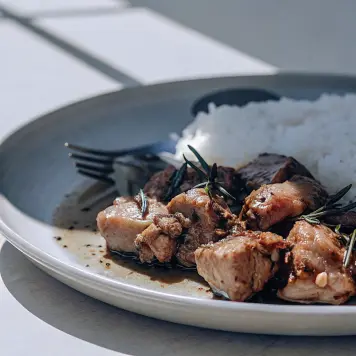
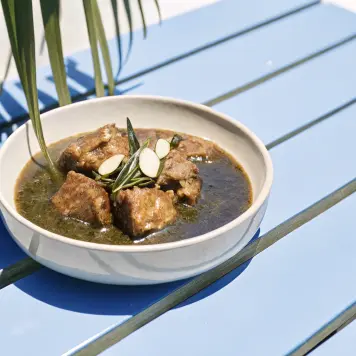
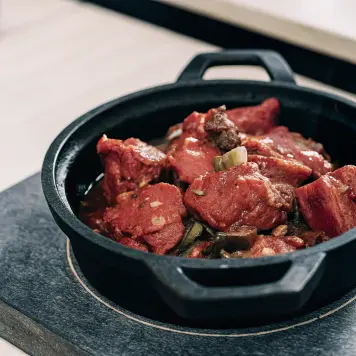
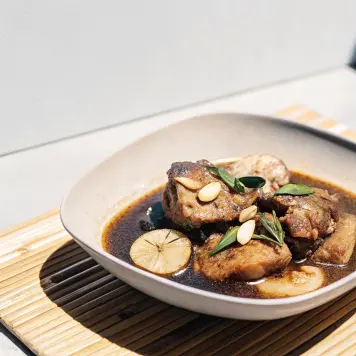
Adobo is more a method than a single recipe, vinegar and soy sauce preserve and flavor meat, and nearly every Filipino family in Manila guards a version they call their own.

sisig

sisig

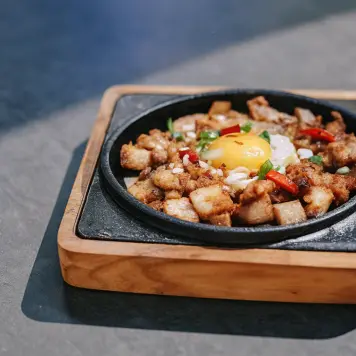
Sisig began as a resourceful Kapampangan dish made from pig's head and ears, it was revived as a sizzling, tangy bar favorite in Manila and is often finished with a raw egg on the hot plate.

lechon

lechon

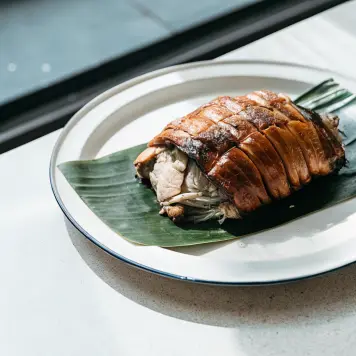
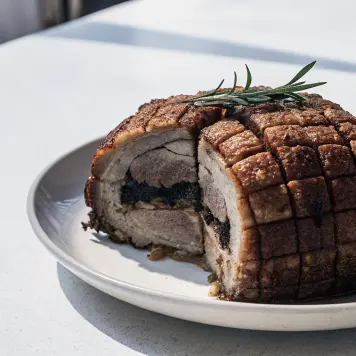
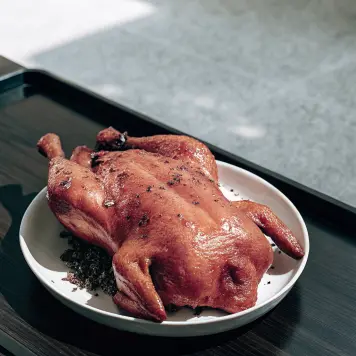
Lechon, a whole roasted pig with crackling skin and juicy meat, is the unmistakable centerpiece of Filipino fiestas and its carving announces celebration across Manila.

Kinilaw

Kinilaw

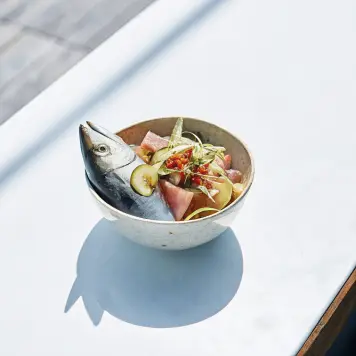
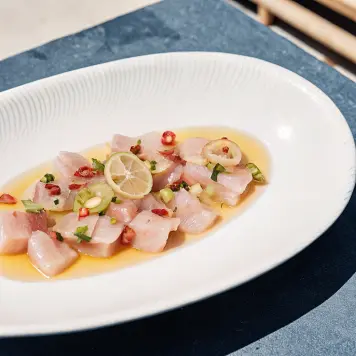
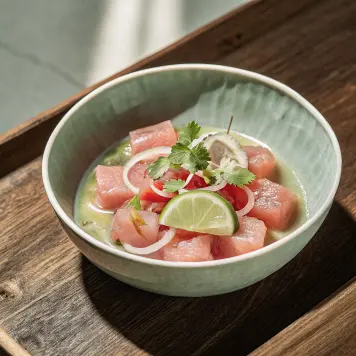
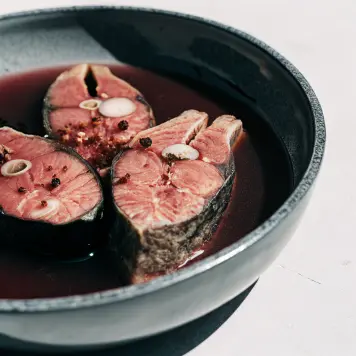
Kinilaw is a Filipino ceviche made with raw fish marinated in vinegar, calamansi, and spices, showcasing the freshness of El Nido's seafood. It is a traditional appetizer that highlights local ingredients.

Adobo

Adobo

Adobo is a quintessential Filipino dish made by marinating meat in vinegar, soy sauce, garlic, and spices before simmering it to tender perfection. It is widely savored across the Philippines, including El Nido.

Inihaw na Isda

Inihaw na Isda

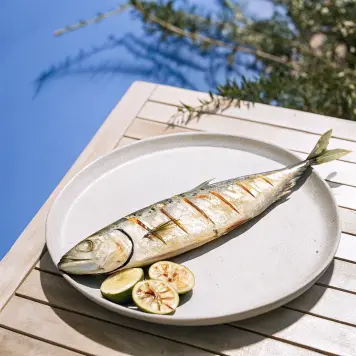
Inihaw na Isda is grilled fish, often marinated in a mixture of calamansi, garlic, and salt, then cooked over charcoal. This dish celebrates El Nido's coastal bounty and is a favorite among locals and visitors.

Adobo

Adobo

Adobo uses vinegar, soy, garlic, and peppercorns to preserve and flavor meat, and each cook in Coron treats adobo like a personal signature with small but telling twists.

Sinigang

Sinigang

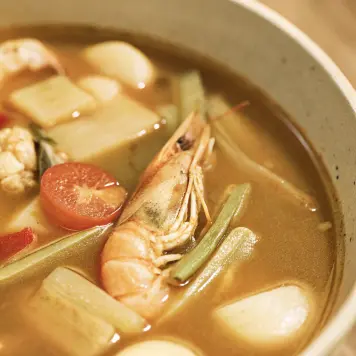
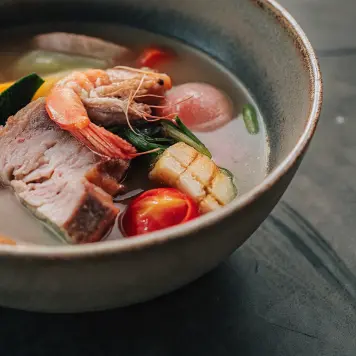
Sinigang is a tangy sour soup traditionally soured with tamarind or local fruits, and in Coron it often stars fresh seafood from nearby waters for an extra briny lift.

Kinilaw

Kinilaw

Kinilaw is the Filipino ceviche that highlights the ocean's freshness, marinating raw fish in vinegar or calamansi with chili and ginger for a bright, uncooked bite.

Kinilaw na Isda

Kinilaw na Isda

Kinilaw na Isda is a traditional Filipino ceviche using fresh fish marinated in vinegar, ginger, and onions, a savory dish enjoyed by locals in Balabac.

Inun-unan

Inun-unan

Inun-unan is a Filipino fish stew cooked with vinegar, garlic, ginger, and chili, a staple savory dish for the people of Balabac.

Lechon Manok

Lechon Manok

Lechon Manok is a popular roasted chicken dish marinated in a mixture of local spices and herbs, known for its crispy skin and flavorful meat in Balabac.

Lechon

Lechon

Cebu lechon is famed nationwide for its paper-crisp skin and herb-stuffed cavity, it is often eaten without sauce to savor the complex roast flavors developed from an open-pit technique.

Sutukil (grill/soup/ceviche)

Sutukil (grill/soup/ceviche)

Sutukil is a Cebuano market tradition named for its three preparation styles, sugba, tuwa, and kilaw, where customers choose fresh seafood and watch it become grilled, stewed, or ceviche right before their eyes.

Puso (hanging rice)

Puso (hanging rice)

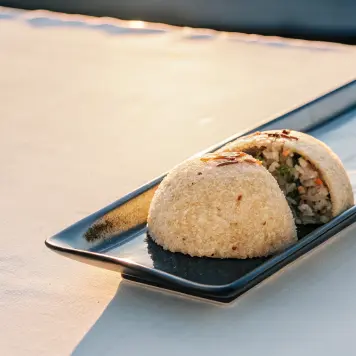
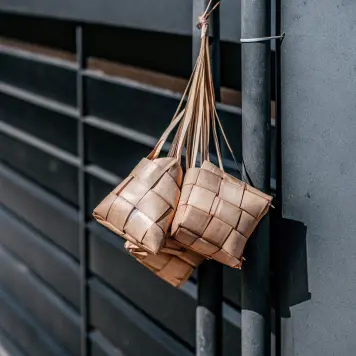
Puso, or hanging rice, is glutinous rice expertly woven into diamond-shaped coconut leaf pouches, it was invented as a portable, mess-free staple for fishermen and street food lovers.

Adobo

Adobo

Adobo is considered the unofficial national dish of the Philippines, made with meat marinated in vinegar, soy sauce, garlic, and spices, offering a savory and tangy flavor loved across Boracay.

Sinigang

Sinigang

Sinigang is a sour soup made with tamarind broth and typically includes pork, shrimp, or fish, and fresh vegetables, delivering a comforting and tangy taste prized in Boracay.

Lechon Kawali

Lechon Kawali

Lechon Kawali is a crispy deep-fried pork belly dish known for its crunchy skin and juicy meat, a favorite savory treat among locals and tourists in Boracay.

Traditional Sweet Dishes

halo-halo

halo-halo

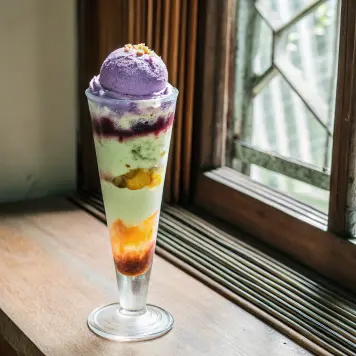
Halo-halo literally means 'mix', it evolved from Japanese shaved ice and Filipino sweet preserves, and today its rainbow layers topped with leche flan or ube ice cream are a summer symbol across Manila.

leche flan

leche flan

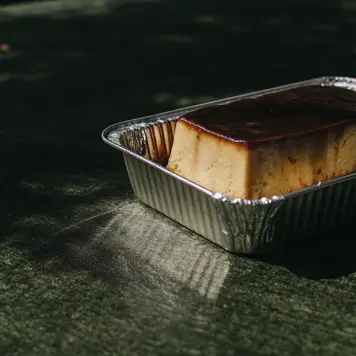
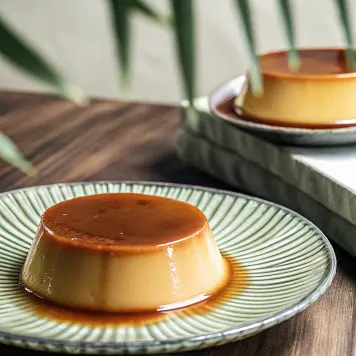
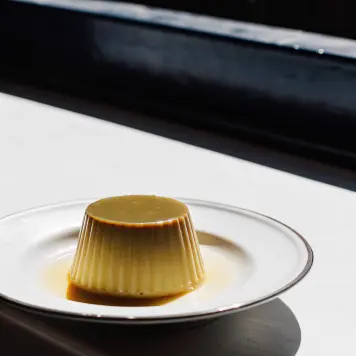
Leche flan in the Philippines is denser and richer than its Spanish cousin because cooks use many egg yolks and condensed milk, and it is traditionally steamed in a tin mold called a llanera for a silky, custardy texture.

ube halaya

ube halaya

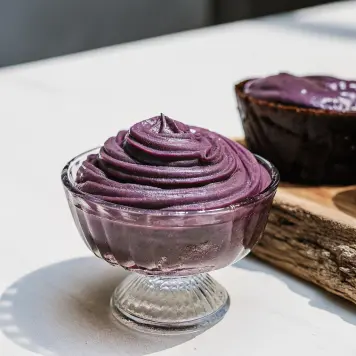
Ube halaya is a vivid purple jam made from purple yam, its color and nutty-sweet flavor turned it into a signature ingredient that elevates everything from halo-halo to pastries and ice cream.

Bibingka

Bibingka

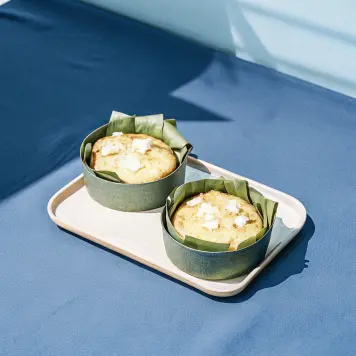
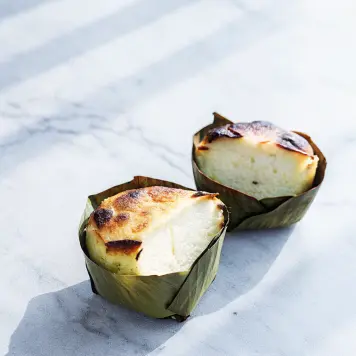
Bibingka is a traditional Filipino rice cake cooked in clay pots lined with banana leaves, offering a unique smoky aroma and soft texture. It is especially popular during the Christmas season in El Nido.

Leche Flan

Leche Flan

Leche Flan is a rich and creamy caramel custard dessert enjoyed throughout the Philippines, including El Nido. It is made from eggs, milk, and sugar, creating a smooth and sweet treat.

Turon

Turon

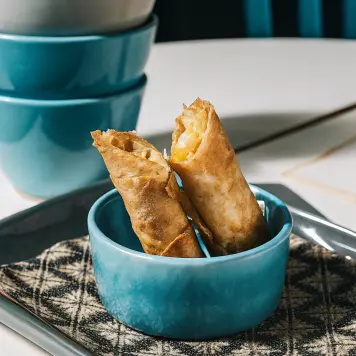
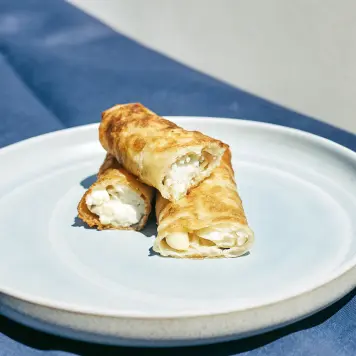
Turon is a popular street food snack made by wrapping sliced bananas and jackfruit in a spring roll wrapper, then frying it to a crispy golden brown. It is a beloved sweet treat reflecting local flavors.

Halo-halo

Halo-halo

Halo-halo means "mix" and is famous for its rainbow of layers, shaved ice, and sweet bites, making it the perfect cold puzzle to solve on a hot Coron afternoon.

Leche flan

Leche flan

Leche flan is a silky, caramel-topped custard with Spanish roots, and in Coron it often shows up as a rich finish to meals or a glossy topping in halo-halo.

Turon

Turon

Turon is a crunchy banana spring roll made with saba bananas and caramelized sugar, it tastes like a portable banana pie that sizzles on street-side griddles.

Tupig

Tupig

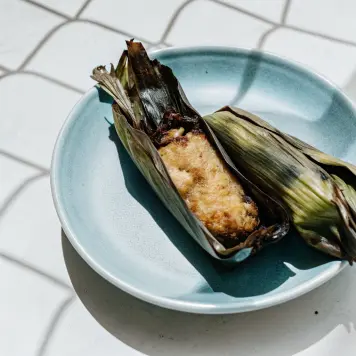
Tupig is a traditional Filipino dessert made from glutinous rice and coconut, wrapped in banana leaves and grilled to perfection in Balabac, giving it a unique smoky flavor.

Cassava Cake

Cassava Cake

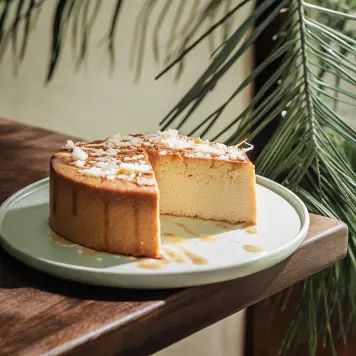
Cassava Cake is a beloved sweet treat in Balabac, made from grated cassava, coconut milk, and sugar, often topped with a creamy custard layer.

Pinasugbo

Pinasugbo

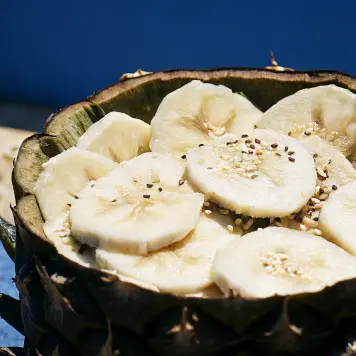
Pinasugbo consists of thinly sliced bananas fried until crispy, coated in caramelized sugar, and sprinkled with sesame seeds, a popular sweet snack in Balabac.

Mango float

Mango float

Mango float is a no-bake chilled dessert that celebrates Cebu's famed sweet Carabao mangoes, using layers of cream and graham crackers to make a velvety, mango-forward treat chilled to soft, spoonable perfection.

Leche flan

Leche flan

Leche flan in Cebu is famously silky because cooks often steam it in a shallow tin for gentle heat, producing a glossy caramel-topped custard that is a staple at fiestas and family celebrations.

Puto Maya

Puto Maya

Puto Maya is sticky ginger-scented rice traditionally wrapped in banana leaves and served with hot tsokolate and ripe mango, making it a comforting Cebuano breakfast that pairs sweet and spicy notes.

Bibingka

Bibingka

Bibingka is a type of rice cake baked in clay pots lined with banana leaves, traditionally enjoyed during Christmas season but loved year-round in Boracay for its soft, fluffy texture and slightly smoky flavor.

Buko Pie

Buko Pie

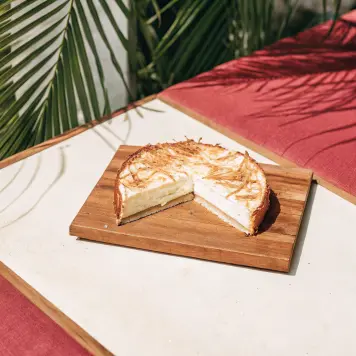
Buko Pie is a classic Filipino coconut custard pie that is rich and creamy, made with young coconut meat, and popular in Boracay as a sweet tropical treat.

Halo-Halo

Halo-Halo

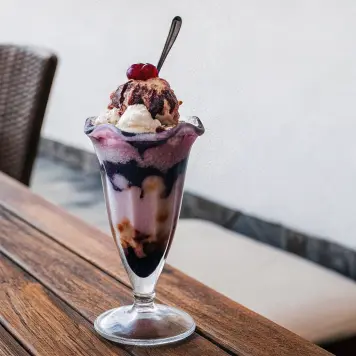
Halo-Halo is a famous Filipino shaved ice dessert mixed with various sweet beans, fruits, jellies, and topped with leche flan or purple yam, perfect for the tropical climate of Boracay.

Traditional Beverages

sago't gulaman

sago't gulaman

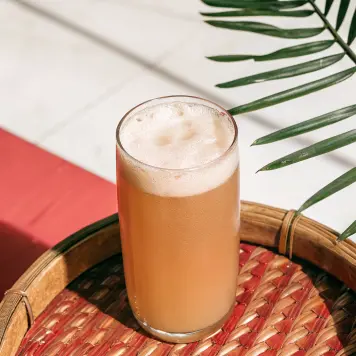
Sago't gulaman pairs chewy tapioca pearls with jiggly agar jelly in a sweet brown sugar syrup, it became a beloved street drink because it is both refreshing and texturally playful.

buko juice

buko juice

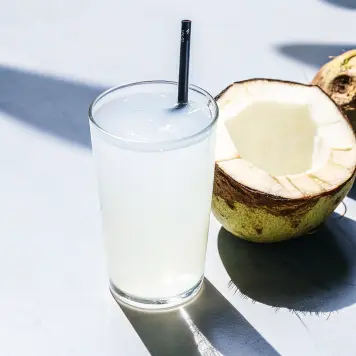
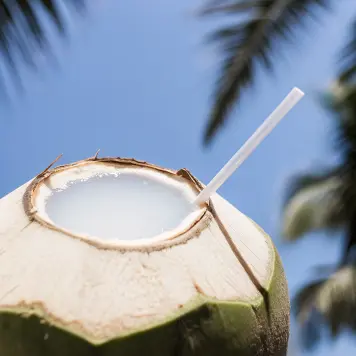
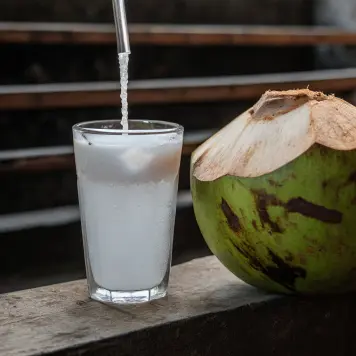
Buko juice is the clear, slightly sweet water from young coconuts, sold straight from halved shells by vendors and prized as a natural electrolyte on hot Manila days.

tuba

tuba

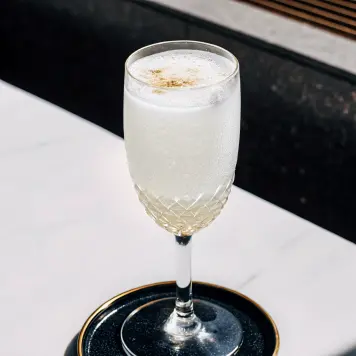
Tuba is freshly tapped coconut sap that ferments into a mildly alcoholic palm wine, it has long been woven into Filipino rituals and fiestas and can be distilled into the stronger spirit lambanog.

Buko Juice

Buko Juice

Buko Juice is refreshing young coconut water served directly from the green coconut, a popular natural drink in El Nido. It is both hydrating and rich in electrolytes.

Calamansi Juice

Calamansi Juice

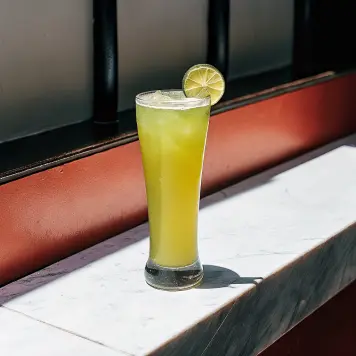
Calamansi Juice is a tangy and sweet beverage made from the small local lime called calamansi, often enjoyed chilled to beat the tropical heat. It is a staple refreshment in El Nido.

Sago't Gulaman

Sago't Gulaman

Sago't Gulaman is a traditional Filipino sweet beverage made with tapioca pearls and jelly, sweetened with brown sugar syrup. This drink is commonly enjoyed as a cooling treat in El Nido.

Tuba

Tuba

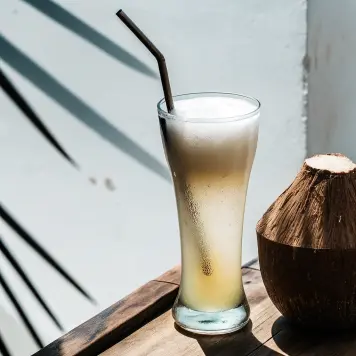
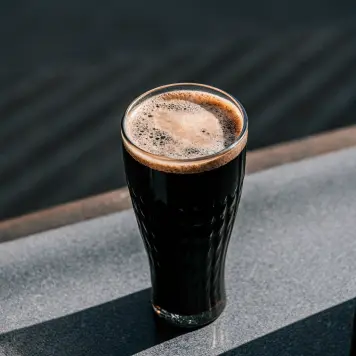
Tuba is a coconut palm sap wine tapped fresh from the tree, it can be enjoyed sweet and frothy straight away or left to ferment into a stronger, tangy drink.

Calamansi juice

Calamansi juice

Calamansi juice is a tiny citrus powerhouse, its bright, aromatic juice is the island's go-to for refreshing drinks and for giving seafood an instant lift.

Sago't gulaman

Sago't gulaman

Sago't gulaman mixes chewy tapioca pearls with jelly and sweet syrup, it is a wildly satisfying, textured thirst-quencher beloved at market stalls.

Tuba

Tuba

Tuba is a traditional fermented coconut wine, widely consumed in Balabac during celebrations and social gatherings.

Kapeng Barako

Kapeng Barako

Kapeng Barako is a strong Filipino coffee variety known for its bold flavor, often brewed fresh in Balabac homes and cafes.

Sago't Gulaman

Sago't Gulaman

Sago't Gulaman is a refreshing Filipino drink made with tapioca pearls, jelly, and sweet syrup, commonly enjoyed in Balabac to beat the tropical heat.

Tuba (coconut wine)

Tuba (coconut wine)

Tuba is freshly tapped coconut sap that ferments into a tangy, mildly alcoholic drink, it is often enjoyed fresh at dawn and holds deep ties to local rituals and community life.

Lambanog

Lambanog

Lambanog is a potent distilled spirit made from coconut sap, sometimes called Filipino coconut vodka, and it has a long history as a festive, locally crafted liquor that can also be infused with fruits or spices.

Coconut water

Coconut water

Fresh coconut water from Cebu is prized as nature's instant rehydration, sold roadside in the shell and enjoyed straight from the nut to cool down and replenish electrolytes in tropical heat.

Calamansi Juice

Calamansi Juice

Calamansi Juice is a refreshing citrus drink made from local calamansi limes, known for its perfect balance of sour and sweet flavors, and a popular thirst quencher in Boracay.

Tuba

Tuba

Tuba is a traditional Filipino palm wine made from the sap of coconut trees, enjoyed especially during local festivals and gatherings in Boracay.

Sago't Gulaman

Sago't Gulaman

Sago't Gulaman is a popular Filipino sweet drink with tapioca pearls and jelly, typically served cold with brown sugar syrup, making it a favorite cool refreshment in Boracay.

Export Your Trip

Get your trip plan as a PDF with maps and a CSV spreadsheet.

Download PDF

Selected based on proximity to your itinerary attractions and guest reviews

Search all hotels in Philippines

Powered by agoda

Create another trip plan