 CityBuddy
 English
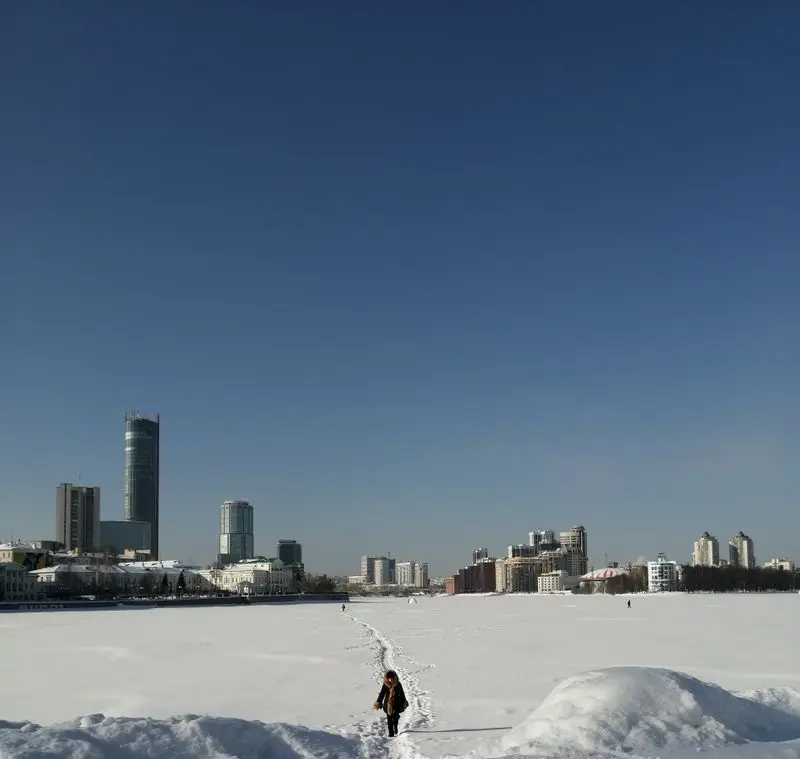
Things to Do in Yekaterinburg, Russia
Photo made by Наталья Селезнева on Pexels.com
When to visit
Most popular attractions in Yekaterinburg, Russia
The question
1. Church of All Saints
You can get there for free, and this trip is a must for anyone who wants to understand Russian history of the 20th century. You will see the site of the execution of the royal family, a memorial hall, and a panorama of the city from the church bell tower.
Quick facts: On this site on July 17, 1918, the last Russian emperor Nicholas II and his family were executed. The church was built in 2003 directly above the very room where everything happened, so the building actually covers the site of the tragedy rather than just standing next to it.
Highlights: Under the main altar, the concrete foundation of the Ipatiev House, where the tragedy occurred, has been preserved, and you can approach it closely through a special glass opening in the floor. The blood-red plaque with the inscription 'Here...' and the black memorial slabs create the feeling that you are standing right on the border between two eras.
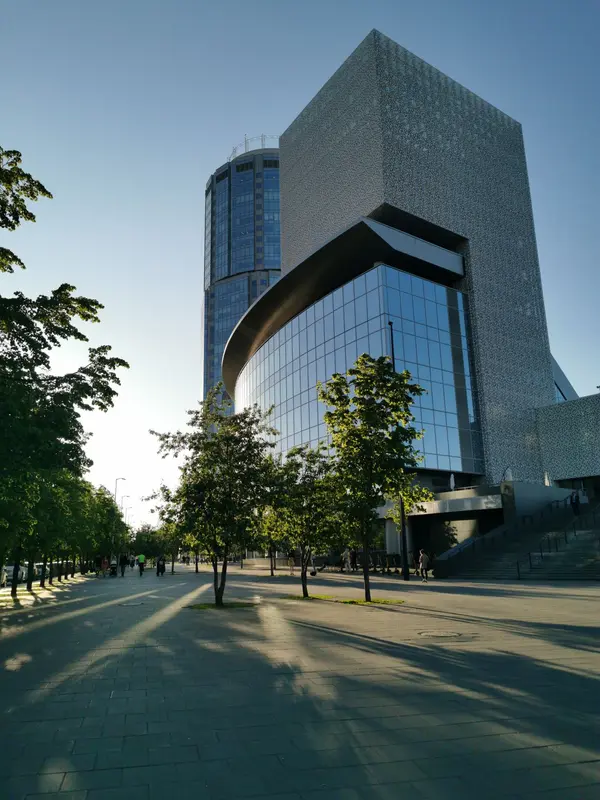
2. Yeltsin Center
...
Quick facts: Inside there is a museum dedicated to the first president of Russia, with interactive halls and archival materials. The panoramic hall on the top floor opens a view of the city from above, and there is also a cinema, a library, and a cafe.
Highlights: The real secret of this place...
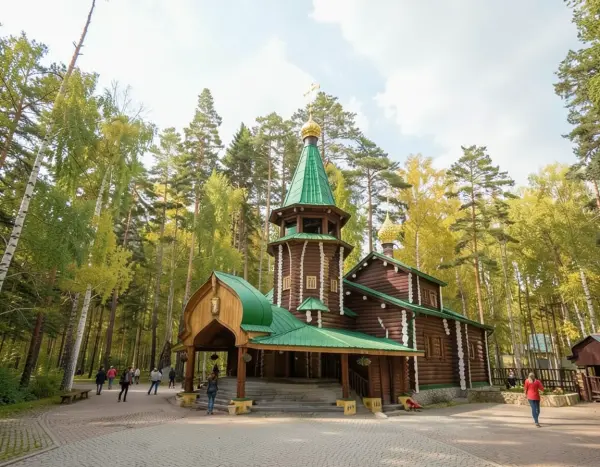
3. Ganina Yama Monastery
Pay tribute to the memory of the imperial family and see a unique architectural ensemble of seven churches. Stroll along a quiet forest path, feel the reverence and silence that are absent from the urban bustle.
Quick facts: Seven wooden churches are built here in honor of each member of the royal family, each consecrated in their memory. The forest massif hides the place where the remains of the Romanovs were destroyed on the night of July 17, 1918.
Highlights: Right on the spot where bodies were thrown into the abandoned mine stands a church, and under its altar the wooden decking over the very pit has been preserved. At night, in the light of lanterns, the mica windows of the seven churches cast warm golden glows on the snow, creating an almost unreal atmosphere.
4. Museum of the History of Stone-Cutting and Jewelry Art
Immerse yourself in the world of Ural stone, where malachite turns into masterpieces. You will walk through an underground labyrinth, see the recreated imperial hall, and marvel at the painstaking work of the craftsmen.
Quick facts: In the Ural underground Labyrinth, items made of malachite, jasper, and rhodonite mined in the vicinity of Yekaterinburg are displayed. Visitors will see the famous imperial malachite hall, recreated from Hermitage drawings, with columns and vases made of solid blocks of stone.
Highlights: Inside is hidden a working exhibition mine, descending into which you can examine real specimens of Ural stone in their natural setting. On the third floor there is a workshop where the ancient technique of stone carving is demonstrated live using simple tools, just as it was done a hundred years ago.

5. Plotinka
The oldest spot in the city, where its history begins. You will see a water cascade, the monument to Tatishchev and de Villemin, and the endless flow of city dwellers.
Quick facts: The city pond, on whose embankment this square stands, gave life to all of Yekaterinburg as a factory settlement in 1723. Today, two main arteries of the city converge here: Lenin Avenue and the historical dam, from which a panorama of the Vysotsky skyscraper and the Iset Tower opens.
Highlights: Under the square, a hydraulic structure with working sluices that change the water level in the pond still operates. In the warm season, from this point you can watch fishermen on boats casting their lines right at the walls of the old dam, while people roller-skate along the edge of the square.
6. Yekaterinburg Zoo
Get to know the unique world of wildlife in the heart of the city. Encounters with exotic animals, fascinating shows, and unforgettable experiences for the whole family await you.
Quick facts: This zoo is home to more than 300 species of animals, including rare Amur tigers and Far Eastern leopards. Here you can see an amazing collection of birds of prey, from sea eagles to owls, which delight visitors all year round.
Highlights: The special pride of the zoo is its famous pair of polar bears, which attracts the attention of all guests. In spring, adorable bear cubs appear here, which can be observed in a special enclosure with transparent walls.
Where to Stay in Yekaterinburg, Russia
Selected by City Buddy based on guest reviews and proximity to top attractions
Search all hotels in Yekaterinburg, RussiaPowered by agoda
Opening days in Yekaterinburg, Russia
Which of the top sights close on which day of the week — the classic trip-ruiner, checked for you.
Monday: 1 of 5 top sights closed — plan museums for another day.
Closed on Monday · 1 closed, 4 open
Opening days from Google Maps (checked 2026-11-25). Public holidays, strikes and seasonal hours can differ — check the official website before you go.
Traditional Sweet Dishes
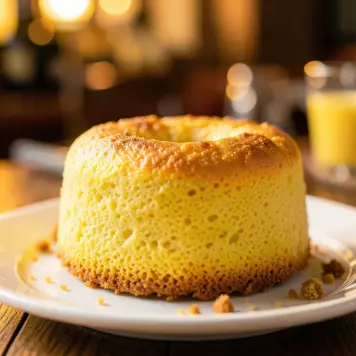
Ptichye Moloko (Bird's Milk Cake)
This airy souffle cake was first created in a Moscow restaurant and became so beloved nationwide that Yekaterinburg bakeries still craft their own famous versions. Its name comes from an old Slavic legend about a bird's milk that was impossible to obtain.

Ural Pelmeni Sweet Dumplings
In the Ural region, some families prepare pelmeni with sweet berry fillings like cherry or currant as a festive dessert variation. These sweet dumplings are often served with honey or sour cream for a comforting winter treat.

Vatrushka with Ural Berries
This open-faced sweet pastry is traditionally filled with tvorog, but Yekaterinburg bakers love to top it with wild Ural berries like lingonberries and cloudberries. The berries add a bright tartness that balances the rich, creamy cheese filling.
Traditional Savory Dishes
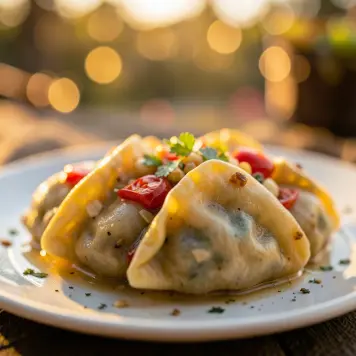
Ural Pelmeni
Pelmeni are considered the signature dish of the Ural region, where the cold climate made frozen dumplings a practical and hearty staple. Hunters and travelers would carry them in sacks, and they remain a beloved comfort food in Yekaterinburg homes today.
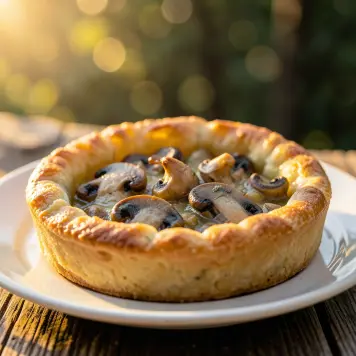
Shangi with Mushrooms
Shangi are round open-faced pies traditional to the Ural and Siberian regions, typically filled with potato or mushrooms. In Yekaterinburg they are often baked with wild forest mushrooms, a nod to the abundant taiga that surrounds the city.
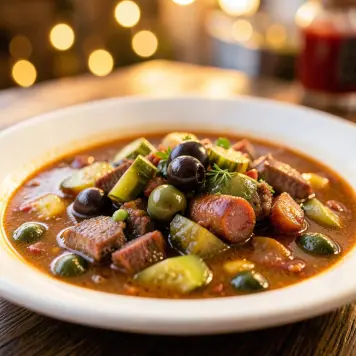
Solyanka Uralskaya
This thick and hearty soup combines pickled cucumbers, olives, and several types of meat and sausage in a tangy broth. The Ural version is known for being especially rich and warming, perfect for the city's long, cold winters.
Traditional Beverages

Mors
Mors is a traditional Russian berry drink made by crushing fresh berries and mixing them with water and honey or sugar. In Yekaterinburg it is commonly prepared with Ural lingonberries or cranberries, giving it a refreshingly tart flavor.

Kvass
Kvass is a fermented drink made from rye bread that has been enjoyed in Russia for over a thousand years. Yekaterinburg's street vendors and cafes serve cold kvass in the summer, and locals consider it the unofficial taste of warm weather.

Ivan Chai (Fireweed Tea)
This herbal tea brewed from fireweed leaves has deep roots in the Ural region, where it was historically harvested and traded. Unlike black tea, it contains no caffeine and offers a mild, slightly sweet flavor that is prized by locals.
Frequently Asked Questions about Yekaterinburg, Russia
Is Yekaterinburg safe for tourists?
How many days do you need for a trip to Yekaterinburg?
What is the best time to visit Yekaterinburg?
Is Yekaterinburg expensive for tourists?
How to get around Yekaterinburg?
Get a PDF with the most popular attractions sent to your email
Get a PDF with all attractions, ratings, and tips. Perfect for offline use.
Most popular day trips
Sysert
Birthplace of writer Bazhov, with scenic lake and mining heritage.
Ganina Yama
Monastery site of the Romanovs, surrounded by forests and chapels.
Kungur Ice Cave
Famous ice cave with impressive chambers and frozen formations.
Getting there
Train stations
Trans-Siberian Railway, main lines to Moscow and Perm
Suburban lines to Sysert and Nevyansk
From Koltsovo Airport, take the express train or a taxi about 40 minutes to the center. The central train station connects to the Trans-Siberian Railway.
Useful information for Yekaterinburg, Russia
Overview for Yekaterinburg, Russia
Want a day-by-day plan for Yekaterinburg, Russia? Open the trip planner
Plan your perfect trip to Yekaterinburg, Russia
Get a complete travel plan built just for you in under 30 seconds, with daily routes, local food tips, budget estimates and more.
Are any of these especially important to you?
Select all that apply
Getting around
How do you want to move between places?
Plan language: English