 CityBuddy
 English
Things to Do in Rwanda
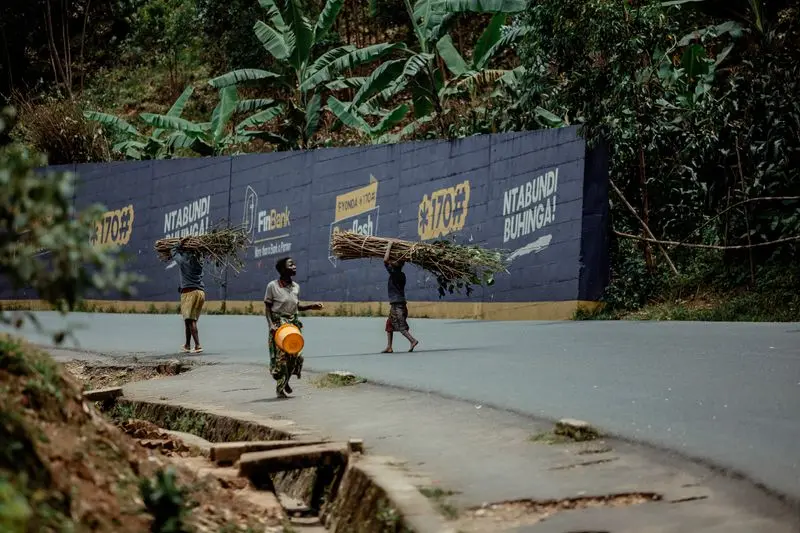
Photo made by Chris wade NTEZICIMPA on Pexels.com
When to visit
Most popular attractions in Rwanda
Top things to do in Rwanda start with a sobering visit to the Kigali Genocide Memorial, where over 250,000 names line the walls. Afterwards, lift your spirits at Inema Arts Centre, a hillside compound with more than 40 local artists, or browse colonial-era artefacts at Kandt House Museum, five minutes from downtown.
1. Kigali Genocide Memorial
Kigali
Quick facts: Over 250,000 genocide victims are buried here in 85 mass graves, with some 30,000 additional bodies still being discovered each year across the country. The memorial's walls display thousands of photographs of victims, alongside personal belongings like clothing and identification cards that families donated.
Highlights: The Children's Room hits hardest: giant panels list 300 children by name, showing each one's favorite food, last words, and cause of death. You'll see a photo of a 2-year-old who loved bananas and died from a machete wound to the head, making the scale of loss feel deeply personal.
2. Inema Arts Centre
Kigali
Watch working artists create, then grab a spray can and leave your own mark. Live music, cold drinks, and open studios make this the creative heart of the city.
Quick facts: Five resident artists keep open studios here where visitors can watch canvases come to life. A 100-meter graffiti wall lets anyone pick up a spray can and add their own mark for free.
Highlights: On Friday gallery nights, live Rwandan musicians jam among the paintings while the smell of grilled brochettes drifts from the courtyard. The main hall turns into a packed dance floor by midnight, and strangers often end up painting side by side before the night is over.
3. Rwanda Art Museum
Kigali
One visit shows why a generation of artists deserves its own hall of fame. Expect bold canvases, intimate sculptures, and galleries that still hum with summit-era history.
Quick facts: Sculptures, paintings, and mixed-media works from dozens of living artists fill roughly 200 pieces in a venue that once housed global leaders. The building still carries traces of its past life as a Commonwealth summit media center, with exposed broadcast cables tucked into the gallery walls.
Highlights: Upstairs, a solo room traces gorilla portraitist Marshal Kurirwa's evolution through sketches, studies, and finished canvases, showing how he spent over a decade perfecting every fur strand. Several wall labels read "purchased directly from the artist's studio," a curatorial habit that keeps steady income flowing to living creators.
4. Kandt House Museum
Kigali
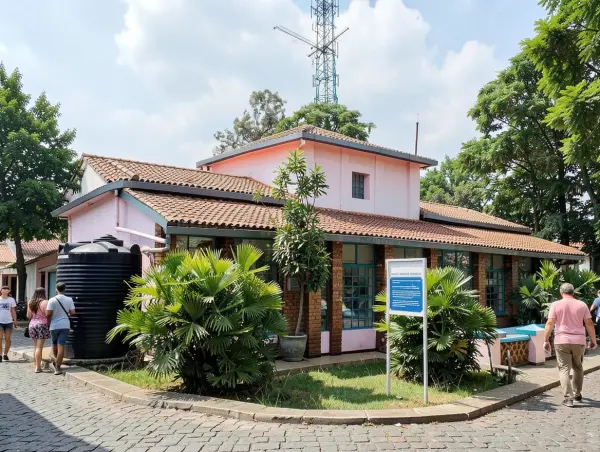
Meet the explorer who founded a capital while chasing the source of the Nile. Stuffed lions share his hilltop home with antique desks and sweeping valley views.
Quick facts: The German physician-explorer who founded the capital in 1907 raised this residence on the hilltop he chose as his base. Hundreds of preserved animals, from a gaping crocodile to iridescent blue butterflies, now fill the same rooms where he once lived.
Highlights: The same winding wooden staircase Kandt climbed daily still leads upstairs, and his writing desk and gramophone sit among the glass cases as if he just stepped out. Step onto the wraparound porch and the green valleys he surveyed over a century ago spread out before you, a panorama that convinced him to stake his claim here.
5. Kigali Convention Centre
Kigali
Quick facts: At 108 meters tall, this dome-shaped structure is Africa's largest elliptical dome building, visible from nearly every corner of the city. More than 2,000 solar panels line its roof, powering the building's daily operations while dramatically reducing its carbon footprint.
Highlights: At night, the building pulses with programmable LED lights that shift through colors and patterns, transforming into a glowing lantern above the city skyline. Locals gather on nearby hills just to watch the light shows, which sometimes sync with national holidays or major events happening inside.
6. Nyungwe National Park
Nyungwe
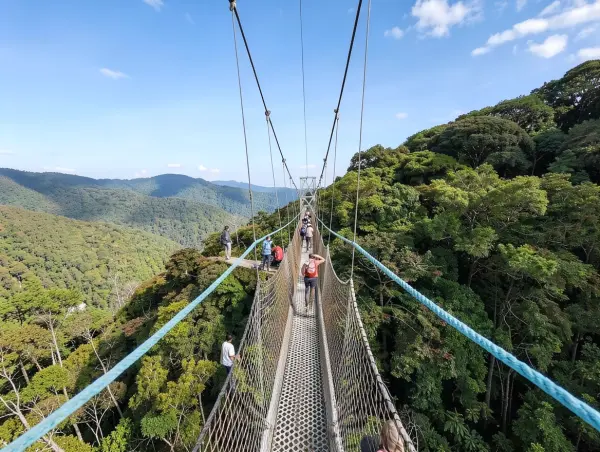
Chimpanzee hoots echo below a rope bridge suspended 70 meters above the treetops. From the swaying walkway, watch apes fashion tools while butterflies drift past your face.
Quick facts: About 1,000 square kilometers of protected forest shelter 13 primate species and more than 300 bird varieties, including several found nowhere else on Earth. A 160-meter suspension bridge floats 70 meters above the treetops, letting visitors peer down at chimps foraging below.
Highlights: Some 400-strong troops of black-and-white colobus monkeys roam these trees, among the largest gatherings ever documented anywhere. Witness them launching 15 meters between branches while chimpanzees weave fresh leafy nests overhead each night.
7. Akagera National Park
Akagera
One game loop can deliver lions, elephants, and rhinos in a single day. Expect boat rides, sunrise hot-air balloons, and wildlife that shifts with the seasons.
Quick facts: Home to over 500 bird species and the Big Five, the park spans about 1,100 square kilometers of open savanna and papyrus-lined wetlands. Lions had been wiped out by poaching, then in 2017 eight individuals were flown in from South Africa, restoring the park's Big Five status.
Highlights: At dusk, herds of hippos grunt and snort in the papyrus-fringed lakes, their low bellows echoing across the floodplain as the sky burns orange. The first rhino born in the park in years arrived in 2019 as a calf named Amahoro, which translates to 'peace', after conservationists flew in his mother.
8. Volcanoes National Park
Muhanga
Come face to face with a silverback gorilla in misty bamboo forest. Track a habituated family through the vines, then spend a silent hour watching them live.
Quick facts: Slopes here shelter the last few hundred mountain gorillas on Earth, and tracking them draws around 1,000 daily visitors despite the steep permit price. Each habituated gorilla family is watched by dedicated trackers who know individual animals by name and personality.
Highlights: The lush highland forest here holds the grave of famed primatologist Dian Fossey, whom visitors can reach on foot through the same trails she once patrolled. On any given trek, you might sit quietly for an hour while a silverback grooms his family just meters away, the air thick with the smell of wet earth and the grumble of low purrs.
9. Lake Kivu
Kibuye
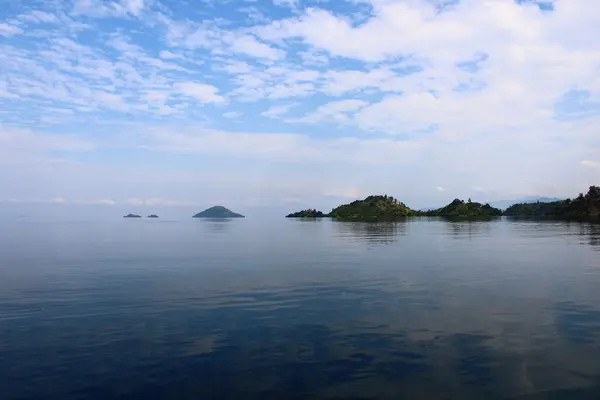
Africa's most electric lake hums with methane-fueled power plants beneath its waves. Kayak glassy water, hop islands, and catch the richest sunsets around.
Quick facts: Soak in this: the surface floats 1,463 meters above sea level on the Congo-Nile watershed and plunges to a maximum depth of 485 meters. Deep under those calm waves, roughly 300 cubic kilometers of dissolved carbon dioxide and methane linger, a reserve geologists track closely for its rare eruption risk.
Highlights: Six kilometers from shore, a floating platform siphons methane from the deep and converts it into around 26 megawatts for the national grid. Kayak over the surface and you will spot telltale bubbles rising from a gas reserve that researchers say could power the region for decades if tapped with care.
10. Kimironko Market
One stop buys you fresh fruit, handwoven baskets, and hot street snacks all in the same hour. You will leave with more than a bargain; you will carry away the full sensory chaos of daily life here.
Quick facts: Roughly 3,000 vendors pack the market each day, selling everything from handwoven agaseke baskets to piles of fresh chili peppers. The market reportedly moves through tons of produce weekly, making it one of the largest supply points for restaurants across the capital.
Highlights: Ask for the honey lady in the back corner, who uncaps her hive frames and lets you dip a finger straight into warm, comb-dripping honey for a tasting. She sells her harvest in reused soda bottles, and regulars say her batch from eucalyptus groves tastes like lemongrass with a slow, smoky finish.
11. Twin Lakes
A pair of sky-blue lakes ringed by emerald hills for an unforgettable escape.
Quick facts: Each year, farmers pull 200,000 tons of tilapia and
Highlights: Watch canoe paddlers push off at dawn when mist sits low, and you might see papyrus harvesters cutting reeds.
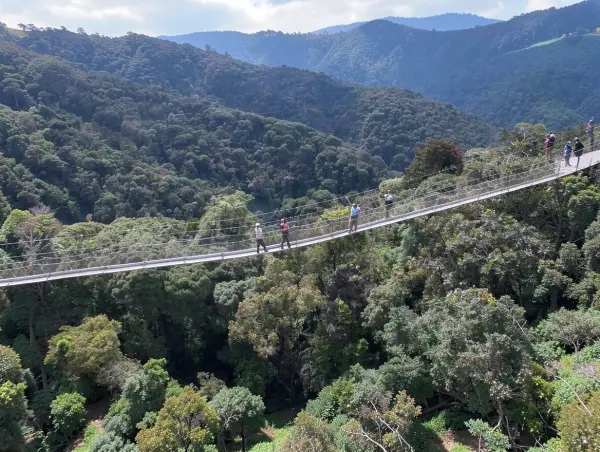
12. Nyungwe Forest Canopy Walkway
Walk above the clouds on a swinging rope bridge suspended in one of Africa's oldest rainforests. Expect treetop-level encounters with chimps, colobus monkeys, and birds that rarely touch the ground.
Quick facts: Rwanda's oldest montane rainforest spans 1,019 square kilometers and shelters 13 primate species, including the entire habituated troop of chimpanzees that researchers track daily. The 160-meter suspended walkway hangs 50 meters above the forest floor, giving visitors a rare view of orchids and birds living in the treetop layer.
Highlights: Rainbow-glossed sunbirds zip past your face at eye level as you cross the 160-meter span that towers 50 meters over the valley floor. Look down through the mesh and you can spot the rare half-moon and von Hoehnel's turacos flashing crimson wing patches between the fig branches below.
Where to Stay in Rwanda
Selected by City Buddy based on guest reviews and proximity to top attractions
Search all hotels in RwandaPowered by agoda
Opening days in Rwanda
Which of the top sights close on which day of the week — the classic trip-ruiner, checked for you.
Monday: 1 of 9 top sights closed — plan museums for another day.
Closed on Monday · 1 closed, 8 open
Opening days from Google Maps. Public holidays, strikes and seasonal hours can differ — check the official website before you go.
Traditional Sweet Dishes
Beignets de banane
In Rwanda, ripe bananas are coated in batter and fried into golden fritters, a favorite snack at markets and school gates. The highland bananas used are smaller and much sweeter than export varieties.
Gâteau de banane
The Rwandan banana cake is a dense, sweet quick bread that makes clever use of the country's plentiful banana crop. It is often baked for celebrations and served with a warm cup of Rwandan tea.
Kachata
Kachata is sweet corn roasted right on the cob over open flames by roadside vendors, especially in Kigali in the evenings. Its smoky, caramelized kernels make it Rwanda's beloved street corn treat.
Traditional Savory Dishes
Brochettes
Brochettes are skewers of marinated goat or beef grilled over charcoal, and they are Rwanda's most iconic street food. At celebrations the grilled skewers are stacked in a central dish for everyone to share.
Sambaza
Sambaza are Rwanda's golden, half-moon pastries, similar to samosas, typically filled with spiced meat or vegetables. They are a popular snack sold by vendors and served at gatherings.
Isombe
Isombe is a rich stew of pounded cassava leaves cooked in a creamy paste of peanuts and palm oil. The long simmering softens the leaves, and it is traditionally eaten with cooked plantains or beans.
Traditional Beverages
Urwagwa
Urwagwa is a traditional banana beer brewed from bananas and sorghum, known for its milky, cloudy look and mild alcohol. It has been crafted in Rwandan villages for generations and is central to social occasions.
Ikigage
Ikigage is a cloudy, mildly alcoholic beer brewed from fermented sorghum in clay pots. It is often drunk through a long grass straw that acts as a natural filter.
Rwandan coffee
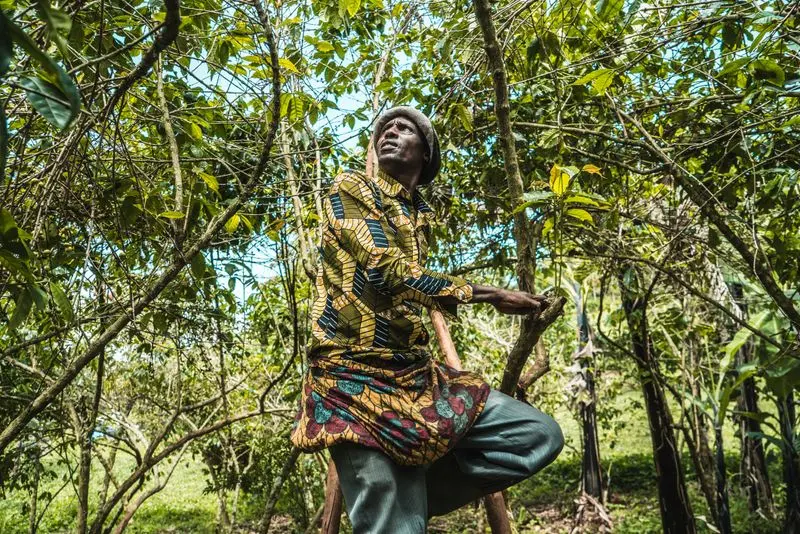
Rwandan coffee is grown in the volcanic highlands and prized worldwide for its bright, fruity flavor. Much of it is harvested by smallholder farmers who sort the cherries by hand before washing.
Frequently Asked Questions about Rwanda
Is Rwanda safe for travelers?
How many days should I spend in Rwanda?
What is the best time to visit Rwanda?
Is Rwanda expensive to travel in?
How do you get around Rwanda?
Get a PDF with the most popular attractions sent to your email
Get a PDF with all attractions, ratings, and tips. Perfect for offline use.
Most popular day trips
Musanze (Ruhengeri)
Gateway to Volcanoes National Park, base for gorilla trekking
Butare (Huye)
Cultural capital with the National University and King's Palace Museum
Akagera National Park
Savanna wildlife park with elephants, lions and rhinos
Nyungwe National Park
Montane rainforest with chimpanzees and the canopy walkway
Getting there
Train stations
New standard gauge line to Dar es Salaam (under construction)
Kigali Airport is 10 km from the center. Take a metered taxi or hotel shuttle for about 15 minutes. Use prebooked transfers for late arrivals.
Visa & entry
African Union member states, Commonwealth countries, and many others; all passports can apply for an e-visa
Some nationalities must obtain an e-visa before arrival; always confirm with the nearest Rwandan embassy
Apply online through the Irembo e-visa portal before travel. Visa on arrival is also available at Kigali Airport for qualifying passports.
Useful information for Rwanda
Overview for Rwanda
Want a day-by-day plan for Rwanda? Open the trip planner
Plan your perfect trip to Rwanda
Get a complete travel plan built just for you in under 30 seconds, with daily routes, local food tips, budget estimates and more.
Are any of these especially important to you?
Select all that apply
Getting around
How do you want to move between places?
Plan language: EnglishMost popular itineraries for Rwanda
Browse trip plans created by other travelers
12-Day Rwanda: Volcanoes, Rainforests & Lake Life
Twelve days of volcano treks, rainforest canopy walks, Lake Kivu paddling and cycling, Akagera game drives, and deep dives into Kigali's art, history, and street food, all strung together by budget buses and authentic local hangouts.
12-Day Rwanda: Gorillas, Lakes and Autumn Hills
From the mirrors of memory in Kigali to misty gorilla forests, hanging canopy walks, and golden savanna sunsets, this 12-day Rwandan autumn journey reveals the Land of a Thousand Hills in full color.