 CityBuddy
 English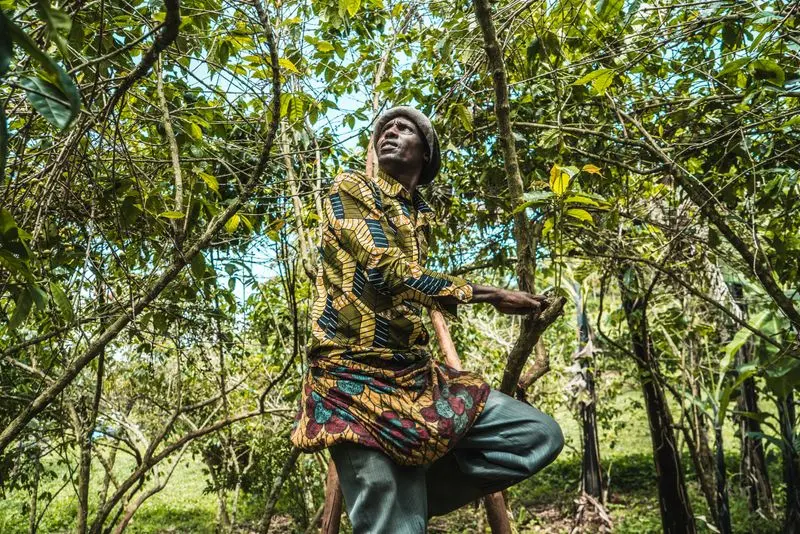
Things to Do in Muhanga, Rwanda
Photo made by Dawid Sobarnia on Pexels.com
When to visit
Plan your perfect trip to Muhanga, Rwanda
Get a complete travel plan built just for you in under 30 seconds, with daily routes, local food tips, budget estimates and more.
Are any of these especially important to you?
Select all that apply
Getting around
How do you want to move between places?
Plan language: EnglishMost popular attractions in Muhanga, Rwanda
Among the most notable things to do in Muhanga, Rwanda, is climbing the historic tower of Kabgayi Cathedral, which was built in 1925, reflecting at the genocide memorial, and then discovering the artworks at Ishyo Arts Centre. The visit is rounded off with a tour of the central market, 60 kilometers from Kigali.
1. Kabgayi Cathedral
A visit here feels like a journey into the heart of the country's Christian history. You'll hear the echo of bells among the hills and draw close to red brick that holds the memory of more than a century.
Quick facts: Described as the cradle of Catholicism in the country, its construction story stretches over more than a hundred years atop one of the hills. Its wooden pews are arranged in a hall that holds hundreds of worshippers, while its red facade has kept its original color despite all the years.
Highlights: Every Sunday, the choir's hymns echo between the high arches of the ceiling in a way that shakes your ears before your heart, and the choir alone includes dozens of voices. If you get close to the walls, you will see traces of the bricks that were fired in nearby local kilns, and the visitor can feel the place's age as they touch those stones with their hand.
2. Shyogwe Cathedral
A harsh story of transformation from a house of worship to a witness to genocide makes you pause before its walls for a long time. You'll walk among coffins, photographs, and clothes, and the hall's silence will keep following you after you leave.
Quick facts: Its stone arches and engraved wooden doors date back to the 1930s, when the white missionaries built it in stages that lasted for years. During the events of 1994, hundreds took refuge there seeking safety, and today its museum commemorates them in national ceremonies held every April.
Highlights: The most honest moment inside the great hall: dozens of wooden coffins line up between the old rows, and the victims' personal belongings rest in glass cabinets. What stays with you most is the nightly reading of the names by candlelight, where the whole place turns into one quiet voice recounting the tragedy.
3. Muhanga Genocide Memorial
A painful but necessary visit to understand the deepest page of modern African history. You'll walk among memorial candles and survivor testimonies unlike any museum you've visited before.
Quick facts: In the mass graves here rest the remains of thousands of victims of the genocide the country witnessed in 1994, and excavation work in the nearby hills still uncovers new remains that are transferred to this land to this day. Local survivors serve as guides and living witnesses, and visiting the site becomes a rare opportunity to hear the facts from those directly involved rather than from history books.
Highlights: In the memorial hall, hundreds of shoes and personal identification papers that were in the victims' possession at the moment of their killing are piled up, and each pair of shoes condenses the story of a person with a profession, a family, and dreams. A heavy silence hangs over the room and you hear nothing but the sound of your own footsteps, then the survivor guide ends the tour with a personal question that stays with you long after you leave.
4. Ishyo Arts Centre
A single place that holds living art and quiet green hills far from the capital's bustle. You'll wander among giant metal sculptures and watch craftsmen turn scrap into art before an open amphitheater.
Quick facts: A sculptor named Richard Niyonsaba turned his family's land on the central hills into the country's first contemporary art center. Dozens of sculptures made from scrap metal and car waste adorn the garden, while the open amphitheater hosts weekly music and dance performances.
Highlights: Every massive sculpture here began as a pile of scrap: rusty plow blades, twisted bicycle wheels, and cubes of crushed metal cans. During artist residencies that last for months, artists from around the world live in rooms attached to the center, and they often leave with a new work born from the very wreckage of the region.
5. Muhanga Central Market
A place where you can buy a kilo of avocados for one dollar directly from the hands of the farmer who picked it that morning. You'll sink into the noise of bargaining and the smells of spices, then leave with a colorful basket and unforgettable photos.
Quick facts: More than a thousand traders open their stalls before sunrise to display vegetables picked by farmers just minutes earlier. Most farmers finish their sales before noon, and the square automatically turns into a trade of fabrics and household items until sunset.
Highlights: In the back corner lies the open weaving workshop, where the family's women make "Agaseke" baskets by hand in front of customers. Their price seems laughable, starting at two dollars, even though weaving a single basket takes two full days of skilled fingers.
6. Ibere rya Mugogo
A natural art gallery the size of an entire rock telling an ancient hunt. You'll pass among the shadows of animals drawn more than two thousand years before cities appeared.
Quick facts: The ancestors of the Twa people painted these rocks with a warm ochre pigment extracted from the earth and mixed with animal fat. The painters highlighted silhouettes of antelopes, buffalo, and wild dogs, and experts estimate some of these paintings to be more than three thousand years old.
Highlights: Beneath a protruding rock ledge, red-orange engravings reveal an ancient hunting scene of the nomadic Twa groups, and their fingerprints remain visible in the texture up close. As you gently run your hand over the shapes, you feel the roughness left by fingertips that carved and colored a story that has stood firm across thousands of years.
7. Kamonyi Caves
A silent mountain hiding within it a city of stone carved by the hand of water, not by human hands. You'll descend narrow stairways toward a cold silence where you walk among limestone columns that resemble the leaves of a petrified forest.
Quick facts: Lime-rich waters shaped the walls of this cave over more than a million years, producing passageways with a total length of about two and a half kilometers inside the mountain. The place withstands the heat of the day with its constant coolness of 11 degrees Celsius, and around 20,000 visitors appreciate it every year.
Highlights: Deep in the main passage lies the Echo Hall, whose ceiling height exceeds four floors, and when you clap there, the walls answer you with a single note that lasts about seven seconds. Guides say local resistance leaders hid their weapons here in the 1950s, and the scratches of the zippers on the rocks still tell those secret nights, and they still tell those secret nights.
8. Muhanga Stadium
Real crowds, green hills, and traditional drums in one place. The referee's whistle sets off ninety minutes of chants flooding the open stands.
Quick facts: Its official capacity is about five thousand spectators, and it hosts matches of the first and second division leagues throughout the year. Its natural grass pitch turns into slippery mud at the peak of the rainy season, while tables of grilled corn and drink vendors crowd around its gates on match days.
Highlights: From the top row of the northern stand, the view stretches over the corrugated roof to green hills lined with rows of banana trees, a sight that is not repeated in any other city stadium. Instead of the usual chants, traditional songs with flutes and drums fill the old speakers before the match starts, turning the arena into a real popular celebration that lasts even after the final whistle.
Where to Stay in Muhanga, Rwanda
Selected by City Buddy based on guest reviews and proximity to top attractions
Search all hotels in Muhanga, RwandaPowered by agoda
Traditional Sweet Dishes
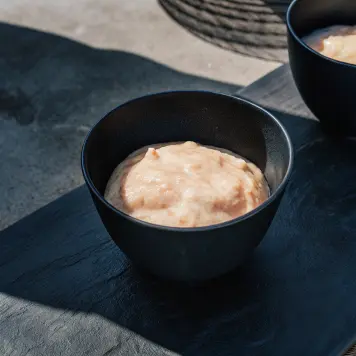
Agatogo
Agatogo is a sweet, creamy porridge made by boiling mashed plantains or sweet potatoes with milk and a little sugar. Parents in Muhanga often serve it warm to children as a nourishing breakfast or bedtime dish.

Amandazi
Amandazi are soft, lightly sweetened fried dough puffs that are a beloved Rwandan treat. In Muhanga, vendors sell them warm in the morning, often enjoyed alongside a cup of tea or milk.

Ikinyomoro
Ikinyomoro are boiled, then roasted sweet potatoes rolled in a little butter and sugar to bring out their natural caramel flavor. They are a simple street snack that locals in Muhanga love during the cool rainy season.
Traditional Savory Dishes
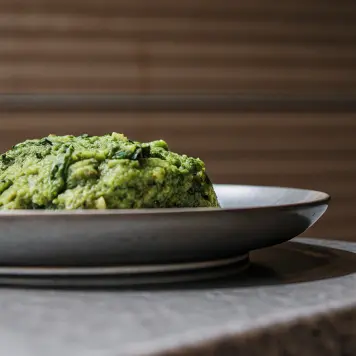
Isombe
Isombe is a beloved Rwandan dish made from mashed cassava leaves cooked with spinach, eggplant, and sometimes ground peanuts. It is so popular in Muhanga that it is often served alongside beans or matoke at nearly every family meal.
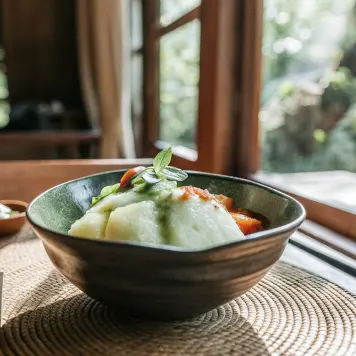
Ibitoke
Ibitoke are green cooking bananas slowly stewed with onions, tomatoes, and groundnut paste until tender. In Muhanga they are a staple comfort food, often paired with isombe and eaten by hand at communal tables.
Akabenz
Akabenz is crispy fried pork that gets its playful name from the sound of sizzling in the pan. Street sellers in Muhanga serve it hot with fried plantains and hot pepper, making it a favorite weekend treat.
Traditional Beverages

Urwagwa
Urwagwa is a traditional banana beer brewed from ripe bananas and sorghum. It is often served at weddings and communal gatherings, where sharing it is a sign of unity and respect.
Ikigage
Ikigage is a thick sorghum beer that farmers traditionally brew after the harvest. In Muhanga, it is valued as a hearty, filling drink that is often shared during community work days called umuganda.
Ubushera
Ubushera is a mildly sweet, non-alcoholic drink made from fermented millet or sorghum. Families in Muhanga often prepare it at home to welcome guests and refresh children after a long day.
Frequently Asked Questions about Muhanga, Rwanda
Is Muhanga city in Rwanda safe for tourists?
How many days are enough to visit Muhanga?
What is the best time to visit Muhanga?
Is traveling to Muhanga expensive?
How can one get around within Muhanga?
Get a PDF with the most popular attractions sent to your email
Get a PDF with all attractions, ratings, and tips. Perfect for offline use.
Most popular day trips
Kigali
Capital city with genocide memorial, craft markets, and lively restaurants
Huye (Butare)
Old colonial capital home to the National Museum of Rwanda
Nyanza
King's Palace Museum featuring the famous royal cattle, the Inyambo
Karongi (Kibuye), Lake Kivu
Scenic lakeside town with beaches, boat trips, and island hiking
Musanze (Volcanoes National Park)
Base for mountain gorilla trekking among the Virunga volcanoes
Getting there
Airports
Train stations
Isaka (Tanzania) to Kigali standard gauge railway
Main coach and minibus routes to Kigali, Huye, and Nyanza
Fly into Kigali International Airport (KGL), then take a shared minibus or private taxi about 1.5 hours southwest on the paved highway to Muhanga center.
Find flights to Muhanga, Rwanda
Click to get eSim for Muhanga, Rwanda
The easiest and most affordable way to get mobile internet wherever you travel.
Comments (10)
Taxi motos are cheap but agree on the price BEFORE you get on. Drivers assumed I didn't know the rate and tried to double it every time.
The vibe here is so relaxed compared to Kigali. Good spot to just slow down for a day and reset.
Get cash before you come, a lot of smaller shops take cash only. The ATM near the post office worked but the line was long.
Skip the tourist restaurants near the bus park, walk toward the market and eat where the taxi drivers eat. Half the price, twice the flavor.
Food was decent but nothing blew me away. Had better brochettes at a random roadside stand than any restaurant.