 CityBuddy
 English
Tourist scams and rip-offs in Kigali, Rwanda: how to avoid them
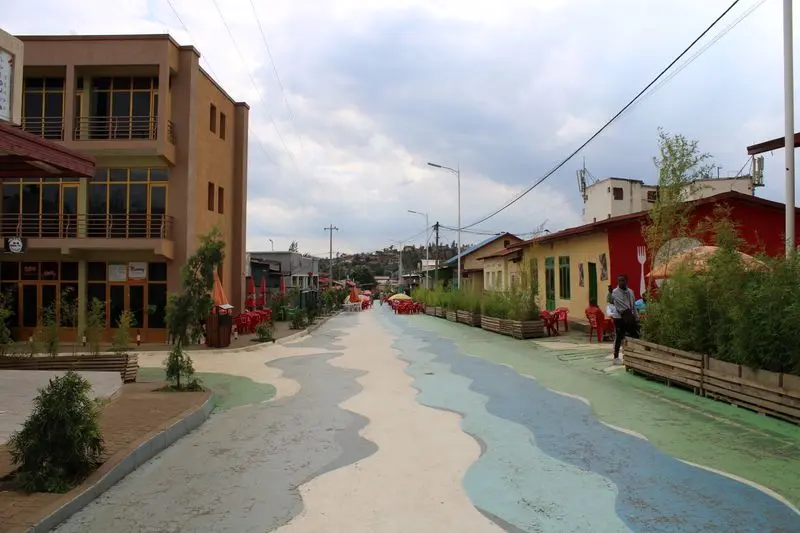
Photo made by Ana Kenk on Pexels.com
Kigali is a generally safe and orderly city with honest, well-regulated taxis and a strong official airport transport option. The main risks for tourists are unofficial drivers overcharging at the airport, moto-taxi price haggling, and ATM or card pitfalls. Use official ranks and apps, and always pay in Rwandan francs.
Updated October 2026
Common scams in Kigali, Rwanda and how to avoid them
1. Unofficial airport drivers overcharging
How it works: Drivers without official credentials approach arrivals inside or just outside the terminal and quote inflated fares of 30,000 RWF or more for the short drive to the centre.
How to avoid it: Walk past anyone offering a ride and use the official taxi rank or the Yego Moto app. Agree the fare before getting in.
2. Moto-taxi fare haggling
How it works: Street moto-taxi riders without the app quote fares two to three times the normal rate to tourists who do not know local prices.
How to avoid it: Use the Yego Moto app for a fixed, transparent fare, or agree the price firmly before mounting the bike.
3. Dynamic currency conversion at ATMs
How it works: ATMs and card terminals offer to charge your card in your home currency at a poor exchange rate instead of Rwandan francs.
How to avoid it: Always decline the conversion prompt and choose to be charged in RWF. Your bank applies the better rate.
Official tickets for the top sights in Kigali, Rwanda
Skip street sellers: book official tickets and tours with free cancellation.
From the airport to the city centre
Kigali International Airport (KGL)
Fair taxi price (official, daytime): 10,000 RWF - 15,000 RWF (€6 - €9). Use the official taxi rank outside the arrivals hall and agree the fare before boarding. Refuse drivers who approach you inside the terminal. Metered or fixed official fares run about 10,000 to 15,000 RWF to the city centre; moto-taxis via Yego Moto are cheaper.
Best alternative: Airport shuttle bus or Yego Moto motorcycle taxi app into the city centre (1,500 RWF (€0.92), about 30 min)
Public transport: tickets, validation and fines
- Single ticket
- 300 RWF (€0.18) (Single ride on city buses or minibus taxis within the urban zone costs about 200 to 300 RWF depending on distance.)
- Validation rules
- City buses use tap-in card or mobile payment systems; validate on boarding. Minibus taxis collect cash from passengers directly, so no separate validation step applies. Always carry small notes for minibus fares.
- Paying by card
- Contactless bank cards are accepted on some city buses and in many shops, but cash remains the norm for minibus taxis. Always carry Rwandan francs in small denominations.
Tipping and service charges
Tipping: Not expected but appreciated. Around 5 to 10% at restaurants if a service charge is not already included. Rounding up fares for taxi and moto drivers is welcome.
Cover and service charges: Service charges of around 10% appear on some restaurant bills; check before tipping twice. Menus normally show prices including service or state it separately, and hidden cover charges are not a common practice here.
Cards, ATMs and currency exchange
Always choose to be charged in Rwandan francs and decline dynamic currency conversion at ATMs and card terminals. Prefer ATMs attached to bank branches over standalone machines. Some independent ATMs charge higher fees; check the fee screen before completing a withdrawal.
Areas where extra care is advised
- Nyabugogo bus station area: Crowded and busy; keep bags closed and valuables out of sight, especially during peak hours.
- Around the central market: Pickpocketing can occur in the crowds; keep wallets in front pockets and avoid flashing cash or phones.
Emergency number
112
Planning your budget?
Frequently Asked Questions about Kigali, Rwanda
Is Kigali, Rwanda safe for tourists?
How much is a taxi from the airport to the centre of Kigali, Rwanda?
Do I need to validate public transport tickets in Kigali, Rwanda?
Is tipping expected in Kigali, Rwanda?
What is the emergency number in Kigali, Rwanda?
Based on widely reported traveler experiences and official advice. Prices are approximate and change; check current fares on arrival. Updated October 2026.