 CityBuddy
 English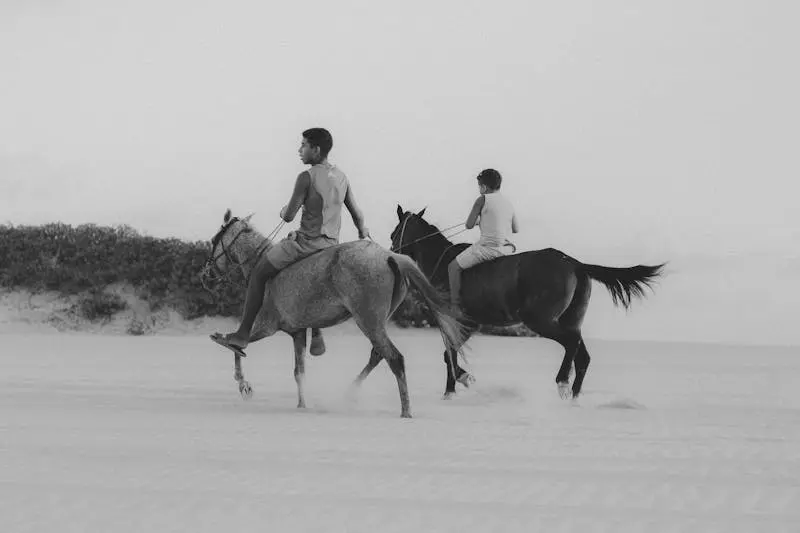
Things to Do in Somalia
Photo made by Kássia Melo on Pexels.com
When to visit
Most popular attractions in Somalia
Top things to do in Somalia include exploring Lido Beach, located along Mogadishu's coastline, perfect for relaxation and local seafood. Visit the Mogadishu Cathedral Ruins, a historical site reflecting colonial architecture. Near Hargeisa, the Laas Geel Rock Paintings offer ancient art dating back over 5,000 years, showcasing Somalia's rich heritage.
1. Lido Beach
Mogadishu
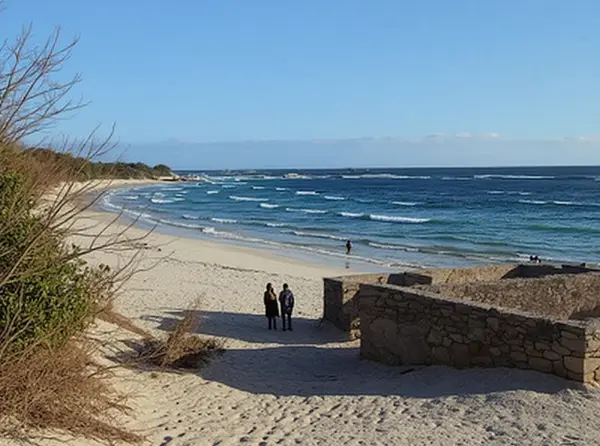
Golden sand and warm Indian Ocean waves make Lido Beach a relaxed city escape. Walk the shoreline, watch colorful dhows, sample beachside seafood, and enjoy the sunset.
Quick facts: The smell of salty sea water mixes with the laughter of children running along the shore, while colorful boats rest in the shallow water. Local vendors offer grilled fish and refreshing drinks, and evening walks are often accompanied by conversations among locals and a lively guitar.
Highlights: At dusk you can regularly see about 30 fishermen working together to haul nets by the light of handheld lamps, a sight that rustles and sparkles over the shallows. The taste of fresh fish cooked over an open fire, the salty breeze and the creak of wooden planks create such a sensory moment that many visitors are left speechless.
2. Mogadishu Cathedral Ruins
Mogadishu
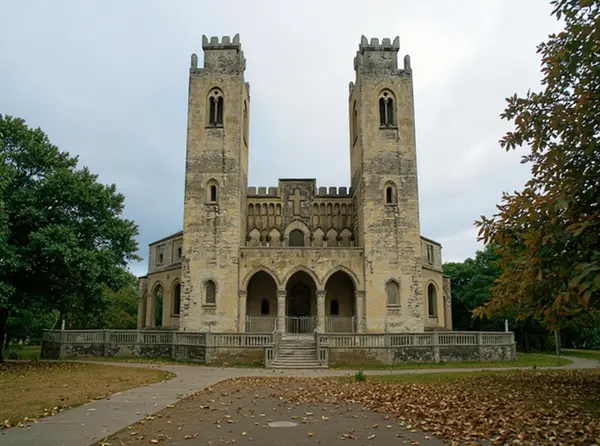
A poignant trace of Mogadishu's colonial history, the cathedral ruins reveal grand decaying architecture. Walk among carved stone, stained glass fragments and sweeping ocean views.
Quick facts: Massive stone structures and collapsed stained glass cast colorful patches of light across the dusty floor, creating an unexpected play of color among the ruins. Locals often speak of a 10-stop organ that once resounded inside, and fragments of frames still reveal a level of craftsmanship rarely seen in modern buildings.
Highlights: In one of the chapels you can notice a red graffiti signed "Fr. Guglielmo 1934", a preserved mark that locals link to a priest whose liturgical sermons were described as deep and metallic. According to stories from older residents, exactly 7 candles are left on the cold stone altar during night prayers, the flames creating a dance of light through the arches and giving the walls a golden hue.
3. National Museum of Somalia
Mogadishu
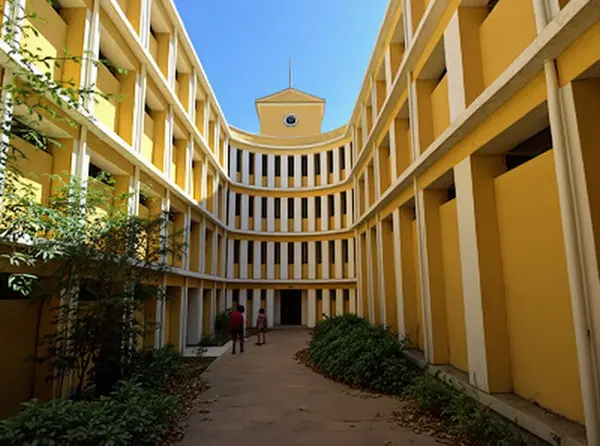
Discover Somalia's cultural heart and restored artifacts that chart the nation's history. Wander galleries of archaeology, traditional crafts and Soviet-era memorabilia.
Quick facts: You can see more than 2,000 artifacts, from pottery and jewelry to manuscripts that reveal old trading connections. The smell of old papers and dust is often present as local guides tell vivid stories about merchants and sea charts.
Highlights: In one gallery there are three display cases with more than 200 glass beads, each about 5 mm, which still sparkle under the light and draw visitors’ attention. An archival document called 'Sheet 47' describes the ritual of giving three beads before setting out on a long voyage, listing the names of two traders and the exact weight of one bead, 0.2 grams.
4. Bakara Market
Mogadishu
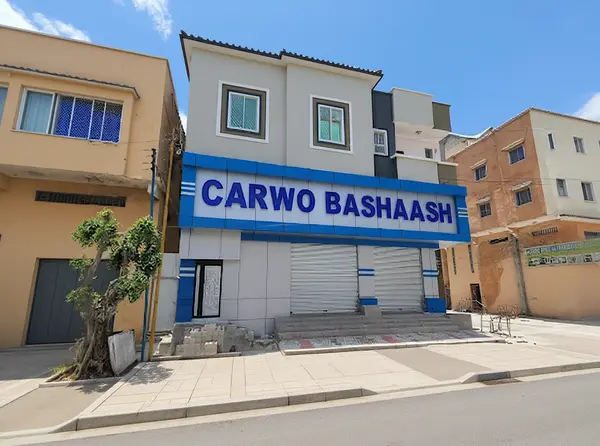
Largest market in Mogadishu, offering a vivid look at Somali trade and daily life. Wander busy alleys to find spices, textiles, electronics and lively haggling.
Quick facts: A vast market hums with sounds of bargaining and the aromas of coffee, spices and dried fruit. People from various surrounding regions come to buy in bulk, offering everything from textiles to electronics at prices that often fall after energetic haggling.
Highlights: Narrow alleys surprise you with an orchestra of smells from roasted peanuts, cloves and freshly ground coffee, accompanied by loud calls from vendors that create a lively, tactile atmosphere. At one well-known crossroads a group of about a hundred regular customers keeps their place, exchanging short stories and jokes every morning, a ritual that can last an hour and sounds like a local live radio.
5. Laas Geel Rock Paintings (near Hargeisa)
Hargeisa
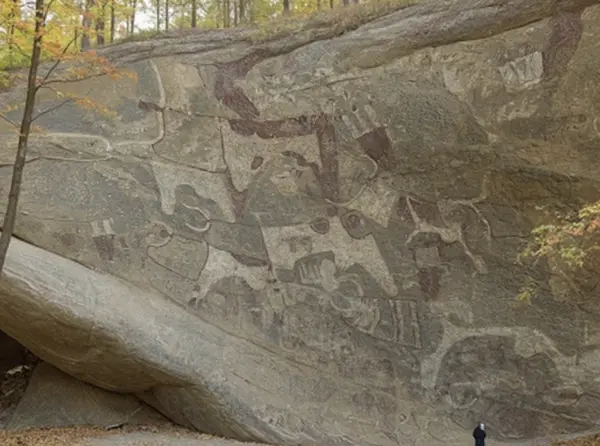
Dive into ancient art that tells early stories of pastoral life. Expect vivid colors and intricate scenes that bring history to life.
Quick facts: Vibrant and well-preserved rock paintings burst with scenes of cattle and humans, showcasing early pastoralist life. Colors have held up across millennia in a dry cave environment, making them some of East Africa's finest artworks.
Highlights: Bright colors like red, white, and yellow pop vividly on cave walls, illustrating detailed cattle with decorative collars and humans hunting. The site holds over 500 paintings, a rare window into ancient rituals and daily life captured with unexpected artistic flair.
6. Zeila Old Town & Ancient Port (Zeila/Saylac)
Zeila
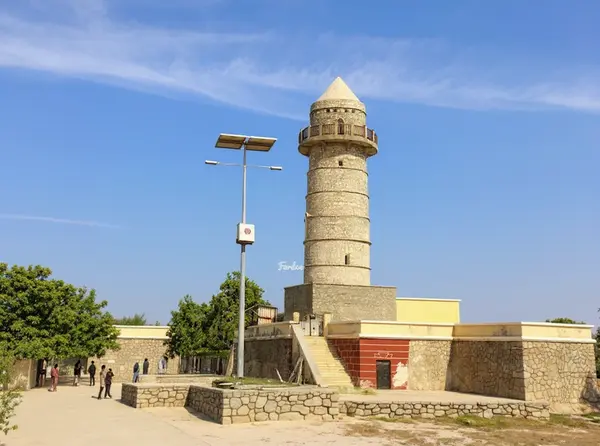
Walk through centuries of maritime history where stone ruins meet the sea. Experience echoes of ancient trade and vibrant cultures on the Somali coast.
Quick facts: An ancient trade hub, this site was a bustling port connecting Africa, Arabia, and Asia for centuries. The ruins reflect a blend of Islamic and local Somali architectural styles, telling stories of a vibrant coastal culture.
Highlights: Palm trees sway near crumbling coral stone structures that whisper tales of sailors from distant lands. Visitors often find themselves imagining the lively marketplace sounds and scents that once filled the salty air.
7. Berbera Old Town & Port
Berbera
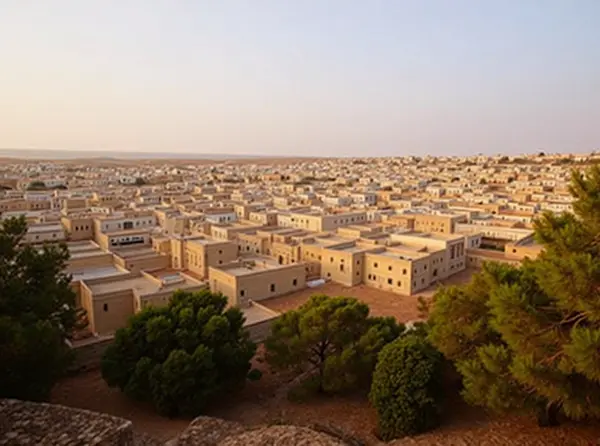
Experience vibrant maritime history and exotic architecture. Feel the pulse of a bustling port alive with stories and spices.
Quick facts: The Old Town offers a fascinating glimpse of ancient trade routes with buildings showing a mix of Ottoman and Yemeni architecture. The port is lively, serving as a crucial hub for maritime commerce in the Horn of Africa.
Highlights: Listen to the calls of sailors far from home amidst warehouses painted in sunbaked pastel hues. Wander through narrow alleys where merchant tales and the scent of frankincense still linger in the air.
8. Ras Hafun / Hafun Peninsula
Hafun
Experience Africa's eastern edge where history meets sea. Discover ancient shipwrecks and vibrant coastal life wrapped in stunning sunsets.
Quick facts: The Hafun Peninsula stretches into the Indian Ocean and holds the title of Africa's easternmost point. Ancient shipwrecks along its shores tell tales of maritime trade routes linking Africa with Arabia and Asia.
Highlights: Sunsets splash brilliant hues over the crashing waves, painting the rugged coastline in gold and crimson hues that photographers dream of capturing. Local fishermen still use centuries-old dhows, sails billowing against the backdrop of endless turquoise sea.
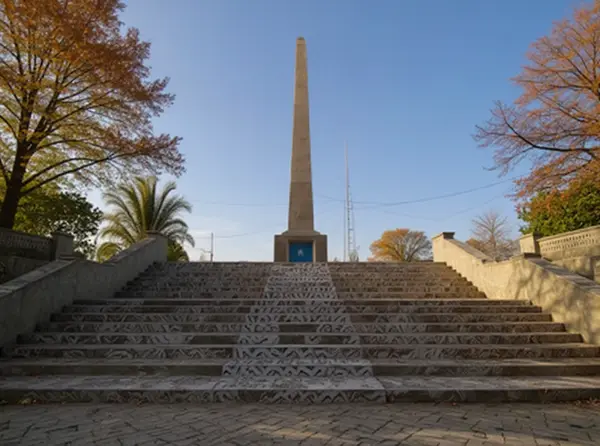
9. Gondershe Historic Town (Gondershe/Marka)
Marka
Explore timeless coral stone architecture that's alive with culture. Wander through streets where sea breeze and history meet vividly.
Quick facts: A stunning blend of ancient Swahili architecture and vibrant coastal culture pulses through the streets here. You can still see centuries-old coral stone houses and old mosques catching the golden sunlight by the sea.
Highlights: The town’s intricate coral stone buildings hold mysteries carved into every wall, reflecting its rich trade history with Arabian and Persian merchants. Walking through, you might catch the scent of frankincense mingled with ocean breezes, a sensory trip back in time.
Where to Stay in Somalia
Selected by City Buddy based on guest reviews and proximity to top attractions
Search all hotels in SomaliaPowered by agoda
Opening days in Somalia
Which of the top sights close on which day of the week — the classic trip-ruiner, checked for you.
Saturday: 2 of 6 top sights closed — plan museums for another day.
Closed on Saturday · 2 closed, 4 open
Opening days from Google Maps. Public holidays, strikes and seasonal hours can differ — check the official website before you go.
Traditional Sweet Dishes
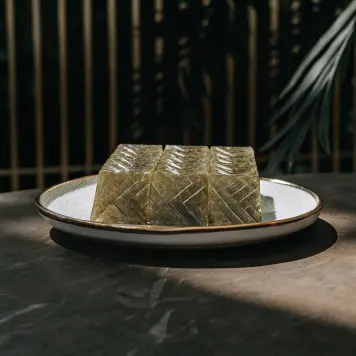
Xalwo
Xalwo is a translucent, jelly-like sweet made from sugar, cornstarch, ghee, and cardamom. It is traditionally prepared at weddings and Eid, and served to guests as a sign of hospitality.
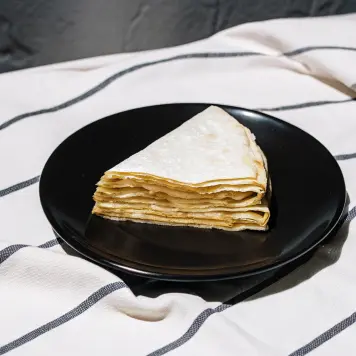
Malawah
Malawah is a thin, flaky layered pancake often enjoyed with honey or sugar at breakfast. Its flaky technique shows Yemeni influence and Somali adaptation.
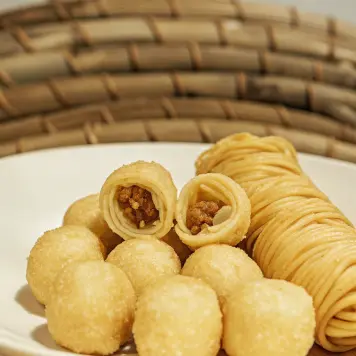
Kac Kac
Kac Kac are small fried dough balls or twists, crispy on the outside and tender inside, commonly sold by street vendors and served at gatherings. They are a popular sweet snack across Somalia and the Horn of Africa.
Traditional Savory Dishes
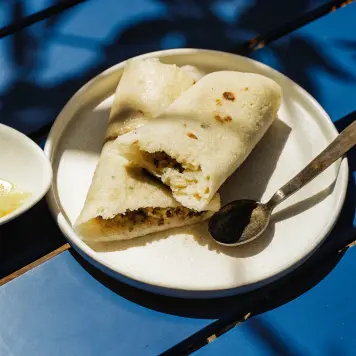
Canjeero (lahooh)
Canjeero is a spongy, slightly sour pancake eaten at nearly every Somali breakfast, torn by hand and paired with honey, ghee, or savory stews. Its texture and ubiquity make it a core element of Somali daily meals.
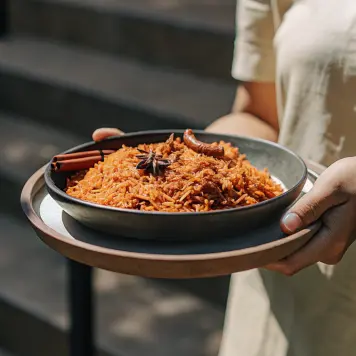
Bariis Iskukaris
Bariis Iskukaris is a fragrant rice pilaf cooked with spices like cardamom, cloves, and cinnamon. It is the centerpiece of celebratory Somali feasts, often served with meat, raisins, and fried potatoes.
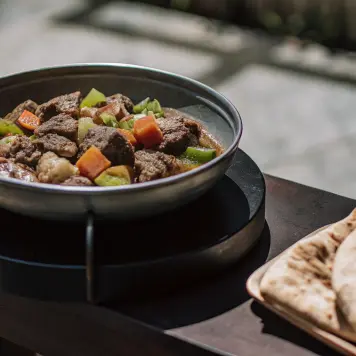
Suqaar
Suqaar is a home-style stir-fry of cubed beef or goat with vegetables and warming spices, served with rice or canjeero. It is a quick, versatile dish enjoyed in households across Somalia.
Traditional Beverages
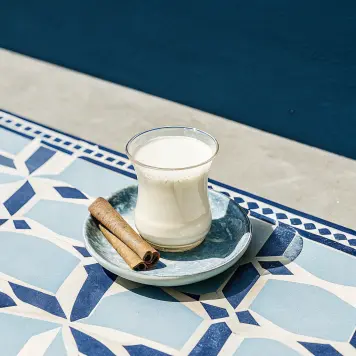
Shaah (Somali spiced tea)
Shaah is strong black tea brewed with milk and aromatics such as cardamom, cinnamon, and cloves, and it is usually sweetened. Serving shaah is a central act of Somali hospitality and social life.

Camel Milk (geel)
Camel milk is prized among pastoral Somali communities for its nutritional value and resilience in arid climates. It is drunk fresh or fermented, and is both a dietary staple and a cultural symbol.

Qaxwo (Somali coffee)
Qaxwo is Somali coffee often lightly spiced and sweetened, served during social gatherings and ceremonies. Its preparation reflects Arab and East African coffee traditions.
Frequently Asked Questions about Somalia
Get a PDF with the most popular attractions sent to your email
Get a PDF with all attractions, ratings, and tips. Perfect for offline use.
Most popular day trips
Hargeisa (Somaliland)
Cultural center, markets, and nearby Laas Geel rock art.
Laas Geel
Prehistoric rock paintings in a desert setting.
Marka
Historic port town with coastal markets and mosques.
Getting there
Airports
Train stations
No national rail network
Arrange airport transfers in advance, roads may be insecure; use trusted local guides.
Visa & entry
diplomatic passport holders, some neighboring countries
Most travelers from Europe, North America, Asia and Africa require visas in advance
Check with Somali embassy or nearest consulate for current rules and e-visa options.
Useful information for Somalia
Overview for Somalia
Want a day-by-day plan for Somalia? Open the trip planner
Plan your perfect trip to Somalia
Get a complete travel plan built just for you in under 30 seconds, with daily routes, local food tips, budget estimates and more.
Are any of these especially important to you?
Select all that apply
Getting around
How do you want to move between places?
Plan language: English