 CityBuddy
 English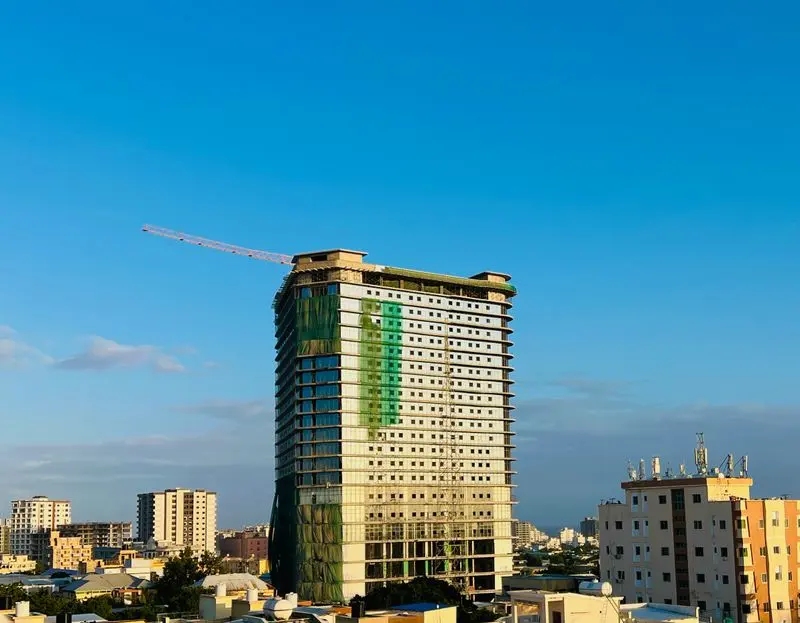
Things to Do in Mogadishu, Somalia
Photo made by Yahye Somali on Pexels.com
When to visit
Most popular attractions in Mogadishu, Somalia
If you are looking for tips on things to do in Mogadishu, Somalia, start at Lido Beach, where locals have gathered for centuries to relax. Also visit the recently restored Islamic Solidarity Mosque from 1987, which can hold up to 10,000 worshippers. Do not forget the Bakaara Market, a giant marketplace with over five hundred stalls selling spices and fabrics.
1. Lido Beach
The only place in Mogadishu where the smell of grilled fish mixes with children's laughter and sand under your feet. In the evening, you will see hundreds of locals sitting by fires watching the sunset over the Indian Ocean.
Quick facts: A favorite spot of local fishermen and residents of Mogadishu, where fresh catches from the Indian Ocean are brought in every morning. The beach stretches for several kilometers along the Abdulaziz district and has been undergoing gradual restoration in recent years.
Highlights: During Friday afternoons, the beach turns into the largest outdoor football pitch in the city, with dozens of makeshift goals made of sticks and stones lining the coastline. Local spice tea vendors walk among families seated on blankets, and their wooden trays with clinking glasses are a sound that is inseparable from Lido Beach.
2. Mogadishu Cathedral
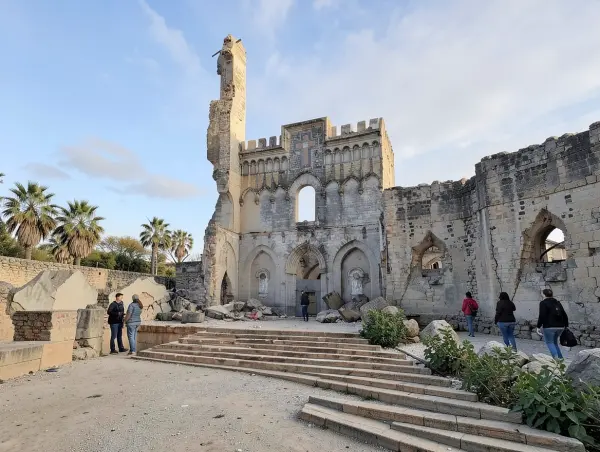
The only Gothic cathedral in the Horn of Africa that has survived war and time. You will walk among walls that remember colonial history, war, and the slow rebirth of Mogadishu.
Quick facts: The cathedral was consecrated in 1928 and can hold up to 2,000 worshippers. After the outbreak of the civil war in 1991, it was heavily damaged, yet its Gothic facades still dominate the city skyline.
Highlights: The cathedral roof is still covered with bullet marks from the civil war, which create tiny shimmering silver dots in the stone facade when the sun hits them. Local Muslim fishermen use it as a landmark when returning from the sea and tell stories of how its bells once helped them find their way home.
3. Tomb of the Unknown Soldier
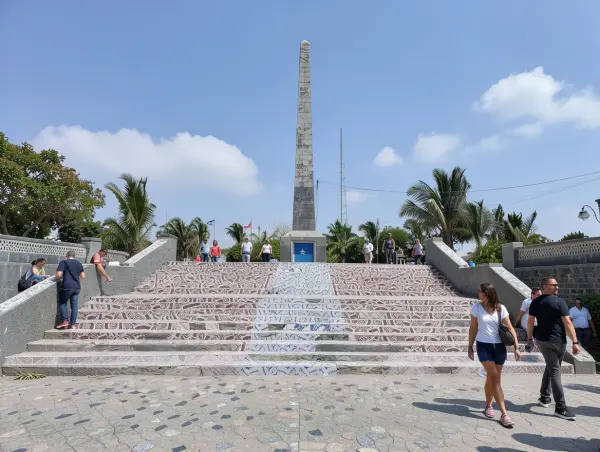
A symbol of national unity in a country that went through the hell of civil war. You will see the honor guard in traditional uniforms and thousands of messages from visitors around the world.
Quick facts: It has been guarded non-stop since 1943, and every hour a ceremonial changing of the guard takes place to the sound of drums. The marble monument weighs 45 tons and stands on a site where over 300 people were killed during the civil war while trying to find safety near the Italian cathedral.
Highlights: In 2013, local residents anonymously placed 22 candles at the foot of the monument overnight as a symbol of hope, and the guards let them burn until morning. To this day, every Friday, mothers of fallen fighters gather at the monument and sing songs passed down from generation to generation.
4. Bakaara Market
Do you want to see the real face of Mogadishu, not the one from the TV news? In two hours you will walk through alleys full of spices, fabrics, and all kinds of things you never thought to look for.
Quick facts: This market in the heart of Mogadishu attracts up to 50,000 people daily who come for everything from fresh food to weapons. It has been operating for over five decades, and its name in Somali means "the place where fruit is sold."
Highlights: Beneath the seemingly chaotic stall canopies, you can find things you wouldn't see in an ordinary store: handcrafted Somali daggers, prescription-free medicine, and old US dollar bills sold in bundles. The market even has its own informal "exchange office" where local merchants set the rates based on the current situation in the city.
5. Mosque of Islamic Solidarity
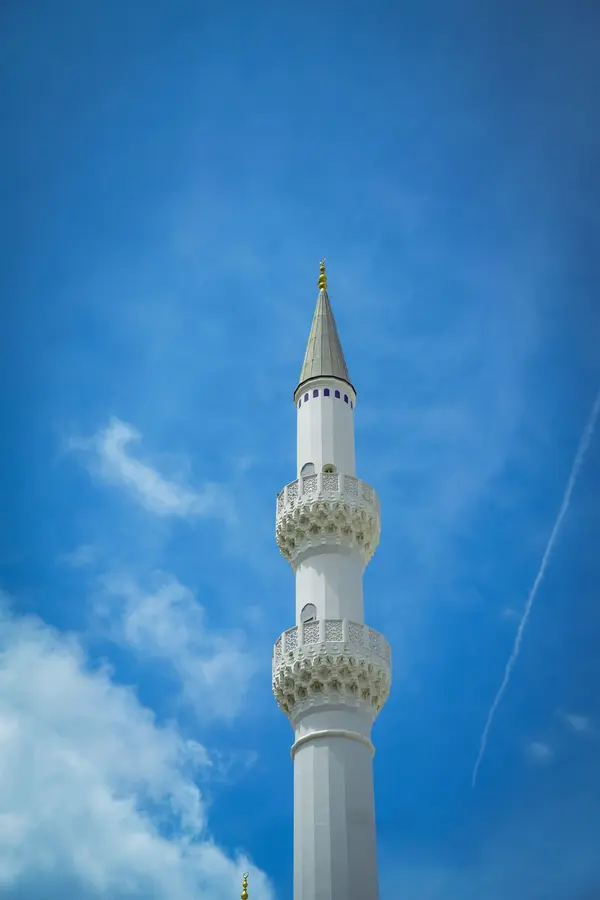
A place where modern architecture meets the legacy of Islamic unity. Inside, you will experience the peace of a prayer hall for thousands of people and feel the strength of Somali spiritual tradition.
Quick facts: It is the largest mosque in Somalia with a capacity of up to 10,000 worshippers. It was built in the 1980s with support from the Saudi bin Laden family and remains a symbol of Islamic solidarity in the region.
Highlights: When you step inside, you will notice that the main prayer hall is deliberately lit so that during afternoon prayers, the light falls precisely on the spot where the imam stands. The mosque's facade combines modernist lines with traditional Islamic motifs, creating a visual impression that is hard to find elsewhere in Africa.
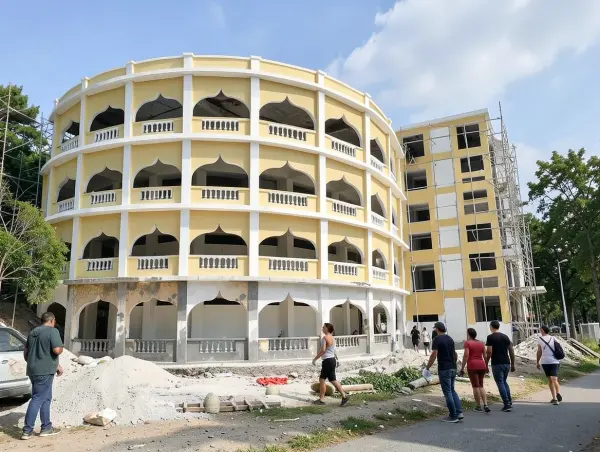
6. National Museum of Somalia
Walk through 3,000 years of Somali history in one place. You will see everything from prehistoric cave paintings to weapons from the civil war.
Quick facts: The collections contain over 3,000 artifacts mapping Somali history from prehistory to the present. The exhibition includes a unique collection of traditional Somali ornaments, weapons, and tools from various ethnic groups.
Highlights: The rarest exhibit is a 700-year-old stone inscription from the city of Mogadishu that proves ancient trade links with China. The room with traditional Somali nomadic tents called aqal allows you to literally step into the daily life of 19th-century pastoralists.
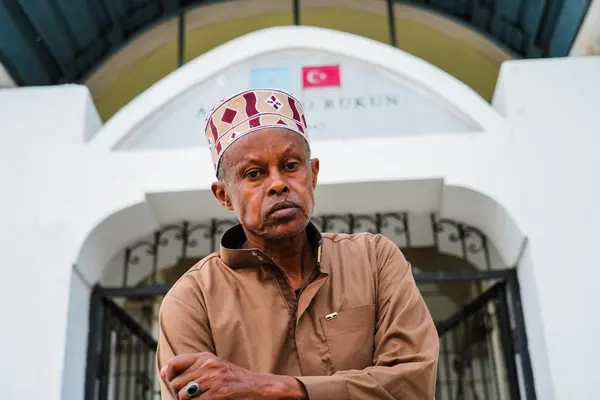
7. Arba'a Rukun Mosque
One of the oldest mosques in all of East Africa, where time stopped 700 years ago. Inside, you will smell the scent of old wood and see columns that remember medieval merchants from India and Arabia.
Quick facts: The four-pillar mosque from the 13th century is one of the oldest surviving buildings in Mogadishu. Its interior is decorated with a unique wooden ceiling featuring carved ornaments that combine African and Arabic influences.
Highlights: Inside the mosque, you will discover hand-carved wooden pillars that have survived centuries and civil wars unscathed. The stone used for construction was imported from the Indian region of Gujarat and still retains its original warm ochre color.
8. Garesa Palace
Walk through the ruins of a once magnificent residence of Somali sultans. Experience the atmosphere of old Mogadishu with a view of the Indian Ocean and taste tea from street vendors right in front of the gates.
Quick facts: The palace was built from Italian marble and local stone between 1920 and 1926 for Sultan Mohamoud Ali Shirwa. After a fire in 2020, only the massive stone facade remained standing, which is still a popular spot for evening gatherings among local residents.
Highlights: Few people know that beneath the palace lies a well-preserved labyrinth of tunnels through which the sultan escaped during enemy raids. To this day, the walls of these corridors are covered with original ornaments, and visitors can experience for themselves what a ruler's escape route looked like centuries ago.
9. Hamar Weyne (Old Mogadishu)
Old Mogadishu
A place where the history of trade between three continents was written. Through the maze of narrow alleys you will smell the scent of spices and hear the call of the muezzin.
Quick facts: Over a thousand years old, stone houses rise here up to four stories high, adorned with intricately carved doors and shutters made of Indian and Zanzibari wood. This district was once the center of trade in spices, textiles, and ivory between Africa, Arabia, and India, making it one of the wealthiest cities in the region.
Highlights: Walk through the narrow alleys where every other house tells a story of merchants who sailed here from distant China and Persia. The ancient system of courtyards and rooftop terraces served as a cooling system long before the invention of air conditioning, and today neighbors gather on them to brew tea at sunset.
10. Liido Seafood Restaurant
A place where you feel like you are on a private beach with a plate of fresh grilled lobster. Dinner with your feet in the sand, to the sound of waves and Somali music.
Quick facts: Every day, over 300 kilograms of fresh fish and lobster are sold here, caught just a few hours before serving. The atmosphere is enhanced by live Somali music and the scent of grilled food mixing with the salty sea air.
Highlights: Nowhere else in Mogadishu can you taste grilled lobster that was pulled from the Indian Ocean right before your eyes just a few hundred meters from your table. The owner personally selects the catch every morning at the harbor auction, ensuring that only the freshest food ends up on your plate.
Where to Stay in Mogadishu, Somalia
Selected by City Buddy based on guest reviews and proximity to top attractions
Search all hotels in Mogadishu, SomaliaPowered by agoda
Opening days in Mogadishu, Somalia
Which of the top sights close on which day of the week — the classic trip-ruiner, checked for you.
Friday: 1 of 6 top sights closed — plan museums for another day.
Closed on Friday · 1 closed, 5 open
Opening days from Google Maps (checked 2026-07-01). Public holidays, strikes and seasonal hours can differ — check the official website before you go.
Traditional Sweet Dishes
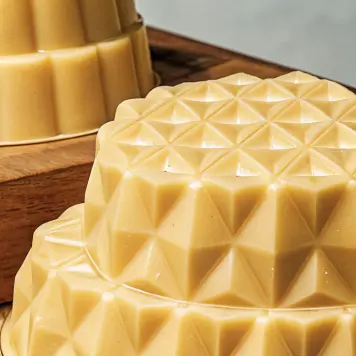
Xalwo (Halwa)
Xalwo is a dense, gelatinous confection made with sugar, cornstarch, ghee, and cardamom. It is traditionally dyed a vibrant orange or yellow and is a staple treat at Somali weddings, Eid celebrations, and other festive gatherings.
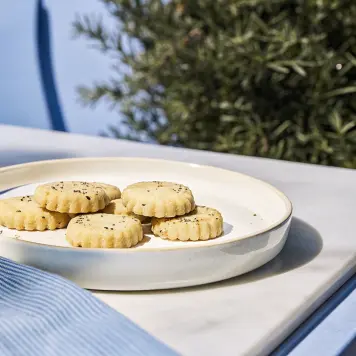
Buskud
Buskud are Somali-style crunchy shortbread cookies often flavored with cardamom and black cumin seeds. They are commonly enjoyed with Somali tea and are a beloved teatime snack across Mogadishu.
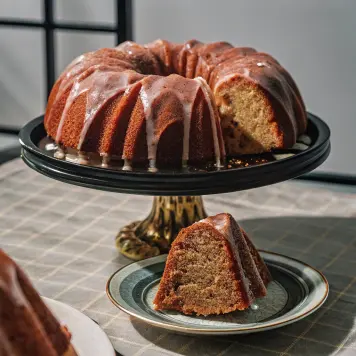
Doolshe (Somali Cake)
Doolshe is a moist, spiced Somali cake infused with cardamom and sometimes topped with a simple sugar glaze. It is a popular homemade dessert served for special occasions and afternoon gatherings.
Traditional Savory Dishes
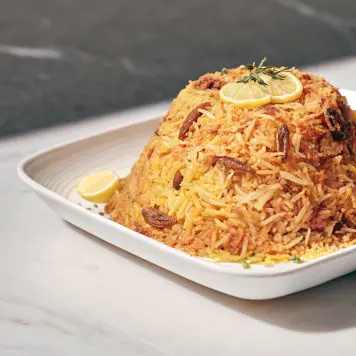
Bariis Iskukaris
Bariis Iskukaris is Mogadishu's iconic spiced rice dish cooked with cumin, cardamom, cloves, and turmeric, often layered with tender goat or camel meat. It is considered the national dish of Somalia and is served at nearly every festive meal.
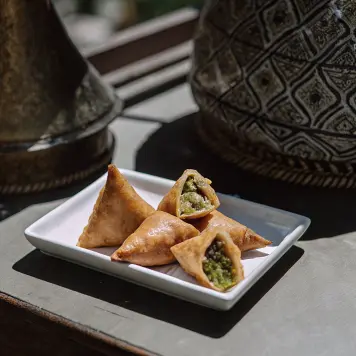
Sambuus
Sambuus are Somali-style samosas, deep-fried pastry triangles filled with spiced ground beef or lamb mixed with onions and green chilies. They are an essential street food and appetizer during Ramadan to break the daily fast.
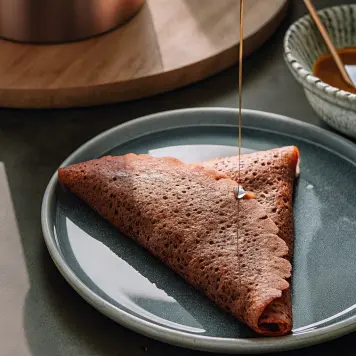
Canjeero (Lahoh)
Canjeero is a spongy, pancake-like flatbread made from fermented teff or wheat flour, similar to Ethiopian injera but thinner and slightly sweeter. It is a daily breakfast staple in Mogadishu, typically served with ghee, honey, or a side of spicy goat stew.
Traditional Beverages
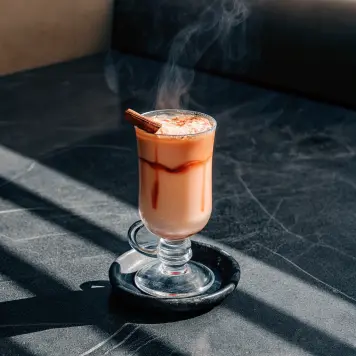
Shaah (Somali Tea)
Shaah is a spiced black tea brewed with cardamom, cinnamon, cloves, and fresh ginger, then sweetened heavily with sugar and finished with a swirl of evaporated milk. It is a cornerstone of Somali hospitality and is offered to guests throughout the day.
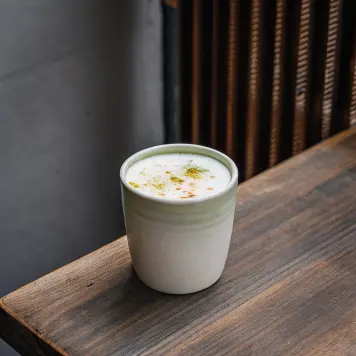
Hilib iyo Caano (Camel Milk)
Camel milk is a traditional Somali beverage cherished for its rich, slightly salty flavor and high nutritional value. In Mogadishu, it is consumed fresh and believed to have medicinal benefits, including aiding digestion and boosting immunity.
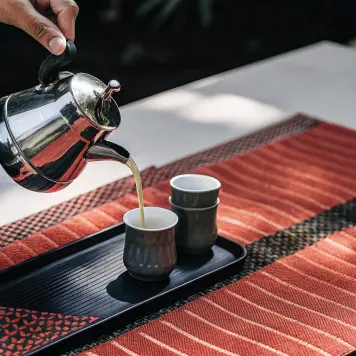
Fenjen (Somali Spiced Coffee)
Fenjen is a strong, dark Somali coffee brewed with cardamom and cloves, traditionally served in small, handleless cups from a special pot called a dalah. It is a ceremonial drink often accompanied by frankincense to enhance the aromatic experience.
Frequently Asked Questions about Mogadishu, Somalia
Is Mogadishu, Somalia safe?
How many days to spend in Mogadishu, Somalia?
What is the best time to visit Mogadishu, Somalia?
Is Mogadishu, Somalia expensive?
How to get around Mogadishu, Somalia?
Get a PDF with the most popular attractions sent to your email
Get a PDF with all attractions, ratings, and tips. Perfect for offline use.
Most popular day trips
Merca (Marka)
Historic coastal town with Italian colonial architecture and beaches
Jowhar
Agricultural hub along the Shebelle River with scenic landscapes
Getting there
Airports
Train stations
Currently non-operational; no active rail service in Somalia
Most visitors arrive at Aden Adde International Airport. Taxis and private transfers are available to the city center in about 15 to 20 minutes.
Useful information for Mogadishu, Somalia
Overview for Mogadishu, Somalia
Want a day-by-day plan for Mogadishu, Somalia? Open the trip planner
Plan your perfect trip to Mogadishu, Somalia
Get a complete travel plan built just for you in under 30 seconds, with daily routes, local food tips, budget estimates and more.
Are any of these especially important to you?
Select all that apply
Getting around
How do you want to move between places?
Plan language: English