 CityBuddy
 English
Things to Do in Berbera, Somalia
Photo made by Zeynep Sude DÜDÜKÇÜ on Pexels.com
When to visit
Most popular attractions in Berbera, Somalia
Thinking about what to do in Berbera, Somalia? Start by visiting the historic Sheikh Sufi Mosque, built in the 1880s with its distinctive white domes. Then take a walk through Berbera's old town with its narrow streets and 18th century Ottoman buildings. End your day on Berbera Beach with its 20 kilometer stretch of white sand along the Gulf of Aden.
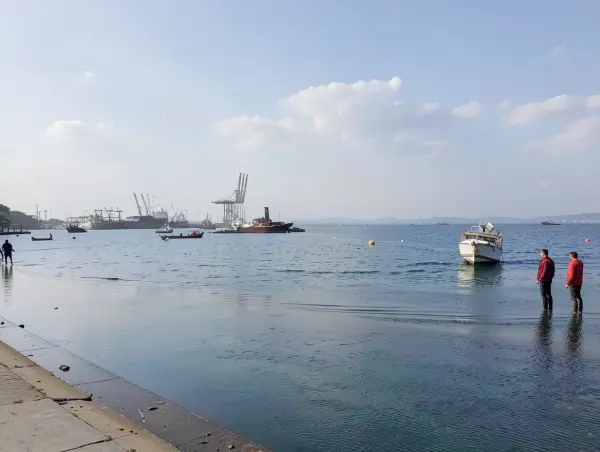
1. Berbera Beach
Endless kilometers of white sand and turquoise water with not a soul in sight, complete seclusion on a wild coast. You will swim in the warm sea, watch camels on the beach, and dine on freshly caught fish under the stars.
Quick facts: The long sandy beaches of Berbera stretch for tens of kilometers along the Gulf of Aden coast, and the water here is so clear you can see fish swimming at your feet. In July the air heats up to 40°C, but the light breeze from the sea makes the heat quite bearable.
Highlights: An hour's drive from the beach lies an ancient ghost town. Abandoned colonial buildings made of coral stone stand right on the shore, and the waves are gradually washing away their foundations. Local fishermen still go to sea on wooden sambuk boats built without a single nail, and they often treat tourists to freshly caught tuna right on the sand.
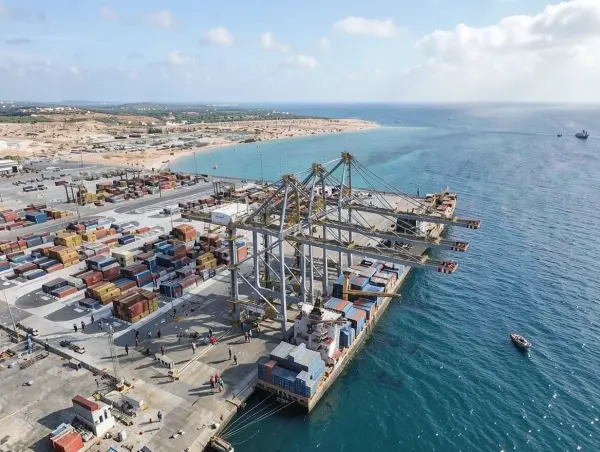
2. Berbera Port
See the main sea gateway of Somaliland, through which almost all trade in the region passes. Stroll along the piers among shipping containers and fishing boats, breathe in the salty wind of the Gulf of Aden.
Quick facts: 95% of all Somaliland's maritime trade passes through the Port of Berbera. More than 2 million tons of cargo are handled here annually, including livestock for Persian Gulf countries.
Highlights: The port hides concrete piers from the British colonial era, which still bear traces of bullet holes from the civil war. Local boys dive off the docks for coins that tourists throw from passing ships.
3. Berbera Old Town
Here time has stopped in a labyrinth of stone streets where every corner smells of the sea and spices. Walk in the footsteps of traders between India and Arabia, touching walls that saw the heyday of Berbera.
Quick facts: The narrow streets of Berbera hold the memory of times when the port was the main gateway of Somalia for trade with Arabia and India. The local stone houses with carved wooden doors remember the steps of merchants who arrived here on dhows across the Gulf of Aden.
Highlights: In the Old Town, unique Ottoman hammam baths have been preserved, which are more than 150 years old and where you can still feel the heat of a real stone stove. From the roof of one of the ruined merchant villas, a view opens onto a labyrinth of alleyways where boys kick a ball among walls that are 400 years old.
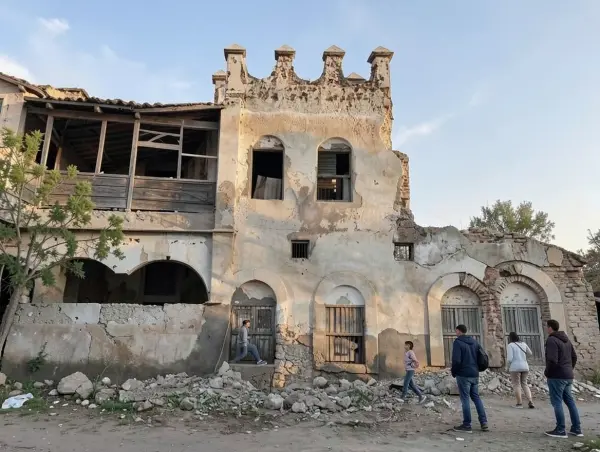
4. Ottoman Fort
Berbera
An abandoned Ottoman citadel with centuries-old cannons and a dizzying view of the Gulf of Aden. You will walk along ancient stone stairs, touch the rough walls that remember the janissaries, and see shark fins cutting through the waves at the foot of the fort.
Quick facts: The Ottoman fort in Berbera was built by the Ottomans in the 19th century to protect the strategic port on the Gulf of Aden coast. The fort walls rise to 10 meters, and from its towers you can see a panoramic view of the city and the turquoise waters of the gulf.
Highlights: Inside the fortress, original 19th-century Ottoman cannons have been preserved, still pointing toward the sea as if awaiting an attack. Locals believe that secret underground passages were laid beneath the fort connecting it to the center of Berbera, but not one of them has been found to this day.
5. Berbera Fish Market
One of the last real fish markets in Africa, where everything is decided by the seller's cry. You will see sharks, rays, and tuna right on the concrete floor, hear the shouts of traders, and feel the salty smell of the Indian Ocean.
Quick facts: Every morning here they unload up to 50 tons of fresh fish brought by local fishermen on traditional boats. The trading begins before dawn and follows an auction principle: whoever shouts loudest gets the best catch.
Highlights: Here you can try shark meat for the first time in your life, grilled right on the coals next to the dock. Local cooks prepare it with hot pepper and lime. Fishermen let you climb into their boats and take photos with three-meter hammerhead sharks while they are still lying on the concrete floor.
6. Baar Beach
Turquoise water and white sand without the crowds of tourists. You will lie on a deserted beach under palm trees and listen only to the sound of the waves and the cries of seagulls.
Quick facts: The beach stretches for 2 kilometers along the Gulf of Aden coast with white sand that resembles Caribbean resorts. The water temperature here stays around 26-30 degrees all year round, and locals call this place the "Somali Maldives."
Highlights: 10 meters from the shore a coral reef begins, where in one hour you can count up to 40 species of tropical fish, from clownfish to blue tangs. Early in the morning local fishermen come here on traditional dhow boats, and you can buy freshly caught tuna right from the deck for a couple of dollars.
7. Berbera Lagoon
Want to see a pink lake and mirror-like sky without crowds of tourists? You will walk barefoot through warm salty water, watching flamingos feed just a few meters away from you.
Quick facts: The Berbera Lagoon serves as a key stopover for migratory birds following the East African flyway; tens of thousands of individuals rest here annually. The salinity of the water in the lagoon is almost twice as high as in the open ocean, which creates a unique ecosystem with pink salt-loving microorganisms.
Highlights: In windless calm, the surface of the lagoon turns into a perfect mirror reflecting the sky with such clarity that the boundary between water and air disappears. At sunset the water takes on an intense pink-purple hue due to tiny halophilic bacteria oxidizing the salt in the shallows.
8. Sheikh Mountain Range Lookout
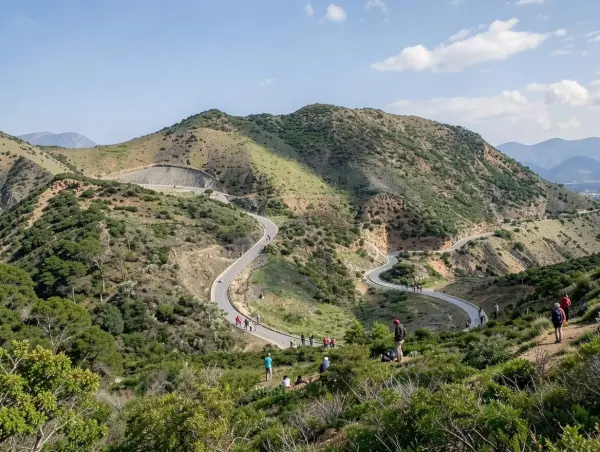
Climb to the roof of Somalia, where mountains meet clouds and the air smells of juniper and the sea. Here, at a height of two kilometers, you will see the Gulf of Aden shimmering below among the peaks.
Quick facts: The Sheikh Range stretches for 60 kilometers along the Gulf of Aden coast, and its highest point reaches 2,500 meters. It is the only place in Somalia where you can see real juniper forests and encounter the rarest dibatag antelopes leaping along the rocky slopes.
Highlights: At an altitude of 2,000 meters, clouds cling to the mountain slopes, creating the illusion that you are walking right through the sky between the trunks of ancient junipers. Some of these trees reach 500 years of age, and their roots have been growing into granite cracks for decades, literally splitting the rock.
Where to Stay in Berbera, Somalia
Selected by City Buddy based on guest reviews and proximity to top attractions
Search all hotels in Berbera, SomaliaPowered by agoda
Opening days in Berbera, Somalia
Which of the top sights close on which day of the week — the classic trip-ruiner, checked for you.
Saturday: 3 of 4 top sights closed — plan museums for another day.
Closed on Saturday · 3 closed, 1 open
Opening days from Google Maps (checked 2026-07-02). Public holidays, strikes and seasonal hours can differ — check the official website before you go.
Traditional Sweet Dishes
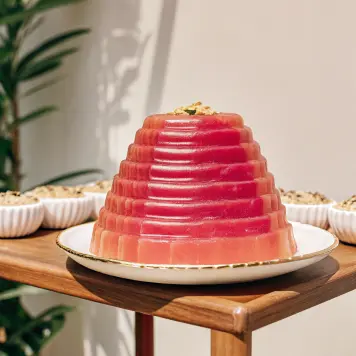
Halwa (Halwo)
This dense, gelatinous confection is made with cornstarch, sugar, ghee, and aromatic spices like cardamom and nutmeg. It is a staple at Somali weddings and celebrations, often colored bright orange or red with food coloring.
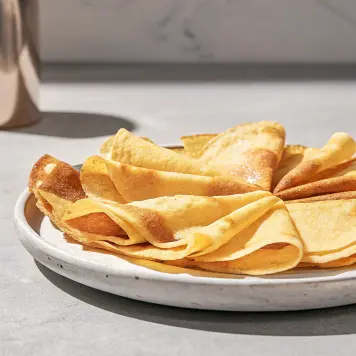
Bus-bus
These delicate, thin pancakes are soaked in a sweet mixture of honey, ghee, and cardamom. They are a popular breakfast or teatime treat in Berbera and across Somalia.
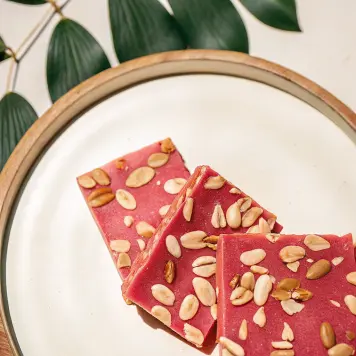
Lows iyo Batiko
A simple but beloved Somali dessert made from roasted peanuts (lows) mixed with a sweet sesame candy known as batiko. It is often sold by street vendors in Berbera as a portable, crunchy snack.
Traditional Savory Dishes
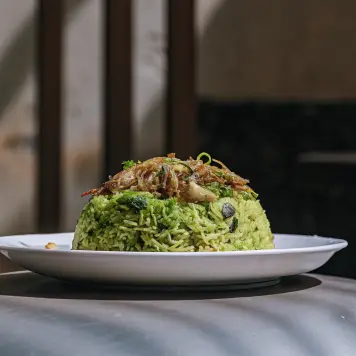
Bariis Iskukaris
This fragrant Somali rice dish is cooked with a blend of cumin, cardamom, cloves, and turmeric, then layered with meat, raisins, and fried onions. The name translates to "mixed rice" and it is considered the national dish of Somalia.
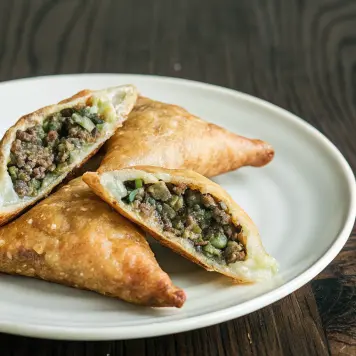
Sambuusa
These crispy triangular pastries are stuffed with spiced ground beef or lamb mixed with onions and cilantro. They are a beloved street food in Berbera, especially popular during the month of Ramadan for breaking the fast.
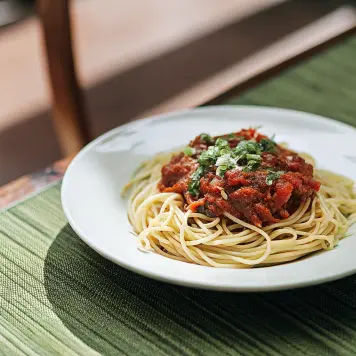
Baasto iyo Suugo
Somalia's version of pasta with sauce, this dish features spaghetti topped with a Somali-style tomato and meat sauce infused with cumin, coriander, and garlic. It reflects the country's Italian colonial heritage blended with local spices.
Traditional Beverages
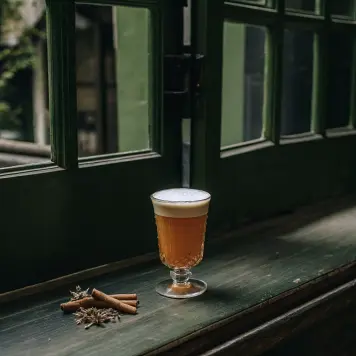
Shaah
Somali spiced tea is brewed with black tea, cardamom, cloves, cinnamon, and fresh ginger, then sweetened with sugar and finished with a splash of milk. It is served throughout the day at tea shops in Berbera's bustling port.
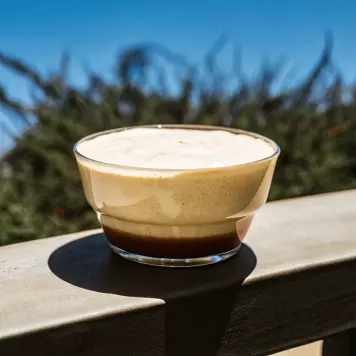
Cambuulo
Despite technically being a porridge of cooked adzuki beans, cambuulo is often enjoyed as a sweet, creamy beverage-like dish when mashed and mixed with sugar, butter, and sesame oil. It is a hearty breakfast staple in Berbera.

Roob Macaan (Tamr Hindi)
A refreshing tamarind drink that translates to "sweet rain" in Somali, made from tamarind pulp, sugar, and cold water. It is especially popular in Berbera's hot coastal climate as a cooling, tangy thirst quencher.
Frequently Asked Questions about Berbera, Somalia
Is it safe in Berbera, Somalia?
How many days are needed for a trip to Berbera, Somalia?
What is the best time to visit Berbera, Somalia?
Is Berbera, Somalia expensive?
How to get around Berbera, Somalia?
Get a PDF with the most popular attractions sent to your email
Get a PDF with all attractions, ratings, and tips. Perfect for offline use.
Most popular day trips
Sheikh Pass & Mountains
Scenic mountain pass with viewpoints and cooler climate
Laas Gaal Rock Art
Ancient cave paintings, one of the Horn of Africa's oldest sites
Getting there
Train stations
Somalia has no active passenger rail network. Travel is by road or air.
Berbera Airport is 10 km east of town. Shared minibuses and taxis run from the airport into the city center.
Useful information for Berbera, Somalia
Overview for Berbera, Somalia
Want a day-by-day plan for Berbera, Somalia? Open the trip planner
Plan your perfect trip to Berbera, Somalia
Get a complete travel plan built just for you in under 30 seconds, with daily routes, local food tips, budget estimates and more.
Are any of these especially important to you?
Select all that apply
Getting around
How do you want to move between places?
Plan language: English