 CityBuddy
 English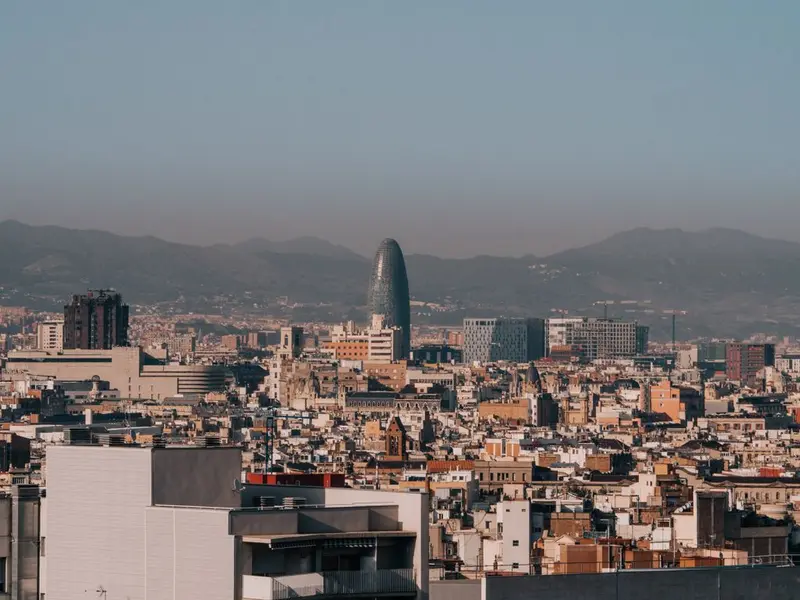
Tourist scams and rip-offs in Barcelona, Spain: how to avoid them
Photo made by Rockwell branding agency on Pexels.com
Barcelona is a generally safe and welcoming city for tourists, with high visitor numbers and a functioning tourist infrastructure. Pickpocketing and petty street crime are the most common issues, especially in crowded areas like Las Ramblas and metro stations. Use official transport options and keep valuables secured to avoid the most frequent hassles.
Updated September 2026
Common scams in Barcelona, Spain and how to avoid them
1. Pickpocketing on Las Ramblas and metro
How it works: Thieves work in groups, using distraction like bumping, asking for directions, or spraying something on you. They target phones, wallets and bags in dense crowds and on crowded metro cars.
How to avoid it: Keep bags zipped and in front, phone out of back pockets, and avoid stopping in crowded bottlenecks. Stay alert when the metro doors open.
2. Guessing game or betting tables
How it works: Street performers run a shell or cup game on a small table, with accomplices who win loudly to attract crowds. The game is rigged and players lose money quickly.
How to avoid it: Do not join or bet. Keep walking and keep distance from the gathered crowd, as pickpockets also work these setups.
3. Rosemary or flower trick
How it works: Someone offers you a sprig of rosemary, a flower or a 'gift', presses it into your hand, then demands payment and creates a scene until you pay.
How to avoid it: Do not take anything offered. If handed something, hand it back firmly and walk away without engaging.
4. Unpriced menu on the main strip
How it works: Some restaurants in tourist zones hand menus without prices or add hard-to-see service and bread charges to the bill. Tourists discover inflated totals at payment.
How to avoid it: Confirm prices are shown before ordering and ask about any cover or service charge at the start. Review the itemized bill before paying.
5. Poor-rate exchange booths
How it works: Exchange offices near main tourist areas advertise strong rates but apply wide spreads, hidden commissions or a minimum amount that makes the real rate much worse.
How to avoid it: Pay by card where possible. If cash is needed, withdraw from a bank-attached ATM in euros and decline currency conversion.
6. Unlicensed airport drivers
How it works: Men approaching travellers inside the terminal offer private rides at inflated prices, often without meters or receipts. Fares can be several times the official rate.
How to avoid it: Only use the official taxi rank outside arrivals. Confirm the meter is running or the fixed airport supplement before departure.
Official tickets for the top sights in Barcelona, Spain
Skip street sellers: book official tickets and tours with free cancellation.
From the airport to the city centre
Josep Tarradellas Barcelona-El Prat Airport (BCN)
Fair taxi price (official, daytime): €30 - €40. Use the official taxi rank at the arrivals level. Insist the meter runs or agree on the published airport supplement. Refuse offers from unlicensed drivers approaching you inside the terminal.
Best alternative: Aerobús (A1 to Plaça de Catalunya) (€7, about 35 min)
Public transport: tickets, validation and fines
- Single ticket
- €2.55 (Single trip on the integrated TMB metro/bus network)
- Validation rules
- Validate your ticket at the yellow/blue validator machines at station entrances or on the bus before boarding. A T-casual multi-ride card must be validated on each journey. Failure to validate counts as travelling without a ticket.
- Fine without a valid ticket
- €100. On the spot fine issued by TMB inspectors. Paying immediately may reduce it. Validators reset trips automatically on multi-ride cards.
- Paying by card
- Contactless bank cards accepted on TMB metro and buses with daily fare caps. T-casual cards available at metro station machines.
Tipping and service charges
Tipping: Tipping is appreciated but not mandatory. Rounding up in restaurants and leaving small change is normal. Taxi drivers appreciate rounding up the fare. No expectation of service percentage.
Cover and service charges: Cover or bread charges are sometimes added, especially in tourist-heavy areas. Check the menu for a displayed cover charge (cubierto) and ask if bread is charged. Menus should list prices; if not shown, ask before ordering.
Cards, ATMs and currency exchange
Always choose to be charged in euros and decline dynamic currency conversion at ATMs and card terminals. Prefer ATMs attached to bank branches. Independent ATMs in tourist areas often charge higher withdrawal fees. Check the fee disclosure before confirming.
Areas where extra care is advised
- El Raval: Around the metro station and narrow streets late at night, keep bags closed and stay on well-lit main streets. Exercise normal urban caution.
- Metro system at night: On late night trains, particularly at quieter stations, keep valuables secured and stay near carriages with other passengers.
Emergency number
112
Planning your budget?
Frequently Asked Questions about Barcelona, Spain
Is Barcelona, Spain safe for tourists?
How much is a taxi from the airport to the centre of Barcelona, Spain?
Do I need to validate public transport tickets in Barcelona, Spain?
Is tipping expected in Barcelona, Spain?
What is the emergency number in Barcelona, Spain?
Based on widely reported traveler experiences and official advice. Prices are approximate and change; check current fares on arrival. Updated September 2026.