City BuddyCityBuddy
English
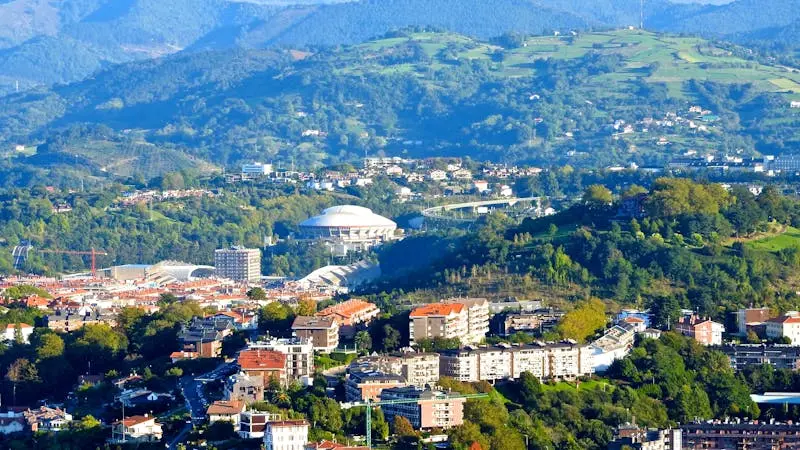
Aerial view of Donostia-San Sebastián with scenic hills and city buildings.

21-Day Spanish Autumn Odyssey: Basque Country to Costa Blanca

⚖️Balanced Mix
21 daysautumn

From the Bay of Biscay to the Mediterranean coast, experience Spain's soul through Basque pintxos, Andalusian flamenco, Moorish palaces, and coastal charm across nine unforgettable cities this autumn.

Our #1 travel tip

Book a FREE walking tour in Spain

Free walking tours. Yes, actually free. No credit card needed. No catch.

  • Local guide, 2-3 hours
  • 100% tip-based
  • You tip what feels right
Browse FREE walking toursAdrijana, founder of City Buddy

Loading

Budget Breakdown

$3,150Trip total · $150 per day

Where to stay tonight

Hotel in Centro (central district between the Old Town and the beach) $70-90/night

Puts you within a 10-minute walk of La Concha Beach, the Old Town for evening pintxos, and the bus stops for onward travel.

Search hotels in this area
Where to stay tonight

Hotel in Gros neighborhood (east of the river, near Zurriola beach) $70-90/night

Gros is quieter than the Old Town but still packed with good restaurants, and is a short walk from both the city center and Day 3 activities.

Search hotels in this area
Where to stay tonight

Hotel in Old Town (Parte Vieja, walkable to all main sites) $70-90/night

You will spend the morning near Hernani and the afternoon in the Old Town, so a central location saves transit time before your evening departure.

Search hotels in this area
Train1 hour 10 minutes

Take the Euskotren from Amara-Donostia station to Bilbao's Santimami/San Mamés station. Trains run hourly until late evening. Tickets cost about $10 and can be bought at the station or via the Euskotren app.

Where to stay tonight

Hotel in Indautxu (central residential district near the Guggenheim and Azkuna Zentroa) $70-90/night

Puts you within walking distance of both modern art sites and the riverfront, with plenty of pintxos bars and cafes nearby.

Search hotels in this area
Where to stay tonight

Hotel in Indautxu (central neighborhood between the Guggenheim and Casco Viejo) $70-90/night

Close to Doña Casilda park, the Fine Arts Museum and a short walk to the old town.

Search hotels in this area
Where to stay tonight

Hotel in Ensanche (grid-like neighborhood between the old town and the Guggenheim) $70-90/night

Central location with direct metro access to Termibus for the Gaztelugatxe bus and to Abando station for the overnight train.

Search hotels in this area
Train7 hours (overnight)

Book the Talgo night train from Bilbao Abando to Barcelona Sants in advance through Renfe. A bed in a sleeper cabin costs around $40-60 and arrives in central Barcelona by early morning.

Where to stay tonight

Hotel in Eixample (the grid-planned district around Passeig de Gràcia) $70-100/night

You are already spending the evening on Passeig de Gràcia and all major Gaudí sites are within walking or short metro distance.

Search hotels in this area
Where to stay tonight

Hotel in El Born / Gothic Quarter (historic center between Via Laietana and the waterfront) $70-100/night

Keeps you steps from today's Gothic Quarter walk, the Picasso Museum, and dozens of tapas bars for dinner.

Search hotels in this area
Where to stay tonight

Hotel in Sants-Montjuïc (area near Barcelona Sants train station) $70-90/night

Close to Barcelona Sants station for your evening departure to Sevilla, with easy metro access to all daytime activities.

Search hotels in this area
Train5.5 hours

Book the AVE high-speed train from Barcelona Sants to Sevilla Santa Justa on renfe.com at least a week ahead for the best prices. Evening departures between 6-8pm work well after your Palau concert.

Where to stay tonight

Hotel in Santa Cruz (the historic Jewish quarter next to the cathedral) $70-90/night

You will be steps from the Alcázar, cathedral, and Plaza de España, making it easy to walk everywhere.

Search hotels in this area
Where to stay tonight

Hotel in Santa Cruz (historic Jewish quarter next to the cathedral) $70-100/night

Close to many of today's sights and within walking distance of flamenco venues and restaurants.

Search hotels in this area
Train2.5 hours

Take the AVE high-speed train from Sevilla Santa Justa to Granada. Book ahead on Renfe for the best fares (around 25-40 EUR one way). Last departure around 8 PM.

Where to stay tonight

Hotel in Albaicín or Realejo (historic hillside neighborhoods below the Alhambra) $70-100/night

Staying in either area lets you walk to the Mirador de San Nicolás for sunset and wander the Albaicín lanes at night without needing transport.

Search hotels in this area
Where to stay tonight

Hotel in Centro-Sagrario (between the cathedral and Gran Via de Colon) $70-90/night

Close to the day's sights and a short taxi ride to the train station for the evening departure to Madrid.

Search hotels in this area
Train3 hours 15 minutes

Take the AVE high-speed train from Granada station to Madrid Puerta de Atocha. Book ahead on renfe.com for the best prices (from $30-50). Evening departures run around 7pm and 8:30pm. No need to arrive more than 15 minutes early.

Where to stay tonight

Hotel in Sol or Huertas (central neighborhood between Prado and Plaza Mayor) $70-100/night

Puts you within walking distance of all today's sights and the tapas bars on Calle Cava Baja.

Search hotels in this area
Where to stay tonight

Hotel in Sol / Gran Vía (central Madrid near the main sights) $70-95/night

You end the day near Gran Via and can grab your bags quickly before heading to the Atocha train station.

Search hotels in this area
Train1 hour 40 minutes

Book a Renfe AVE high-speed train from Madrid Puerta de Atocha to Valencia Joaquín Sorolla. Tickets cost around $40-60 if booked 2-3 weeks ahead on renfe.com.

Where to stay tonight

Hotel in Ciutat Vella (the historic old town near Plaza de la Virgen) $70-90/night

You will be within walking distance of all today's sights and the Turia Gardens.

Search hotels in this area
Where to stay tonight

Hotel in Ruzafa / Russafa (trendy, multicultural neighborhood south of the old town) $65-90/night

Close to evening activities and near the train station for your overnight departure to Málaga.

Search hotels in this area
Train4-5 hours

Take an AVE high-speed train from Valencia Joaquín Sorolla station to Málaga María Zambrano station. Book at least two weeks ahead on renfe.com for the best fares starting around $40. Alternatively, a 1-hour flight with Ryanair or Vueling can be cheaper if booked early.

Where to stay tonight

Hotel in Centro Histórico (historic core around Calle Larios and Plaza de la Merced) $70-100/night

Everything on today's itinerary is within a 15-minute walk, and this central area has the best concentration of restaurants, bars, and shops.

Search hotels in this area
Where to stay tonight

Hotel in Historic Center near Calle Larios (pedestrian shopping street in the heart of old town Málaga) $70-90/night

Close to the Picasso Museum and cathedral, and a 10 minute walk to the train station for the evening departure to Altea.

Search hotels in this area
Train3.5 hours

Take the AVE high speed train from Málaga María Zambrano station to Alicante Terminal (about 2.5 hours), then transfer to a regional train or ALSA bus from Alicante to Altea (about 1 hour). Book the AVE ticket on Renfe's website at least 2 days ahead for the best fare.

Where to stay tonight

Bed & Breakfast in Casco Antiguo (the whitewashed old town atop the hill) $70-100/night

Staying inside the old town means you are steps from the church, the mirador, and the maze of ceramic-tiled alleys.

Search hotels in this area
Where to stay tonight

Hotel in Altea old town or shoreline (just below the blue-domed church) $70-100/night

Stay within walking distance of the marina and beach for a relaxed final evening, with easy access to restaurants and sunset views.

Search hotels in this area
Must-try traditional foods & drinks

What to order in Spain, with a fun fact for each

Traditional Savory Dishes

Pintxos

Pintxos

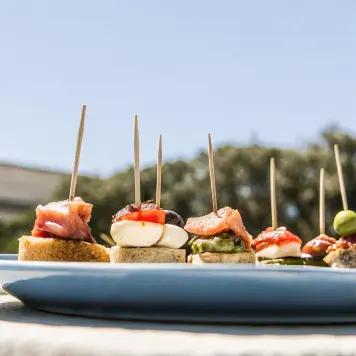
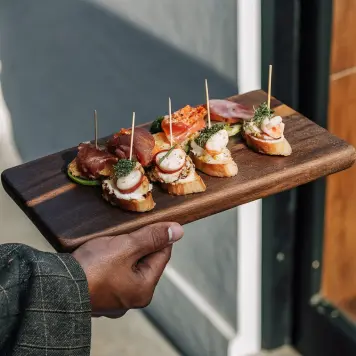
Pintxos are small snacks typically eaten in bars, famous for their variety and creativity, and they are a culinary staple in Donostia, with countless bars offering unique takes on this tradition.

Txuleta

Txuleta

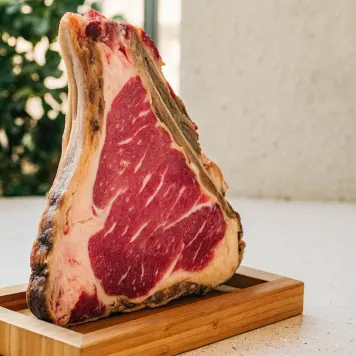
Txuleta is a large, juicy Basque-style steak, typically from aged beef, grilled over an open flame, and celebrated for its rich flavor and tender texture in Donostia.

Marmitako

Marmitako

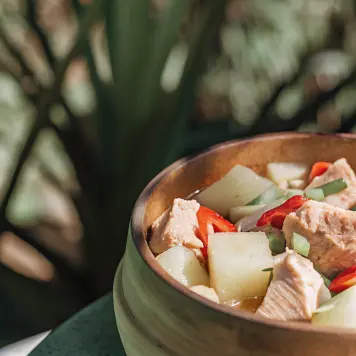
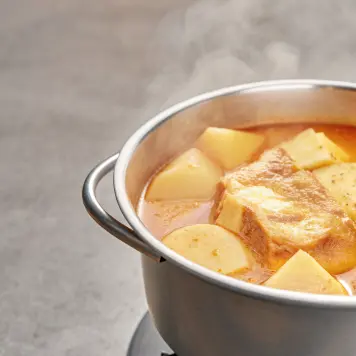
Marmitako is a traditional Basque fisherman's stew made with tuna, potatoes, onions, and peppers, reflecting the region's maritime heritage and hearty flavors.

Bacalao a la Vizcaína

Bacalao a la Vizcaína

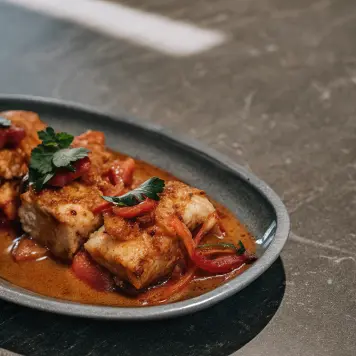
Bacalao a la Vizcaína is a classic Basque dish featuring cod cooked in a rich red pepper and onion sauce, a staple in Bilbao's cuisine.

Pintxos

Pintxos

Pintxos are small snacks typically served on bread and held together with a toothpick, iconic in Bilbao's bars and a social eating tradition.

Marmitako

Marmitako

Marmitako is a hearty Basque fisherman's stew made with tuna, potatoes, onions, and peppers, reflecting Bilbao's maritime heritage.

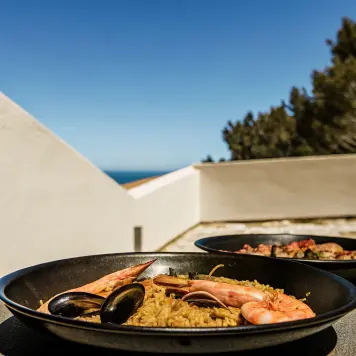
Paella

Paella

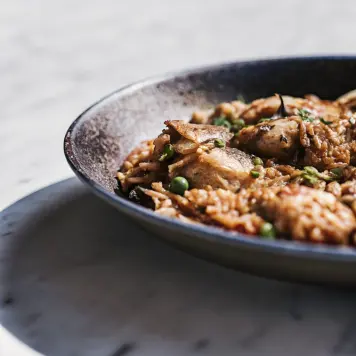
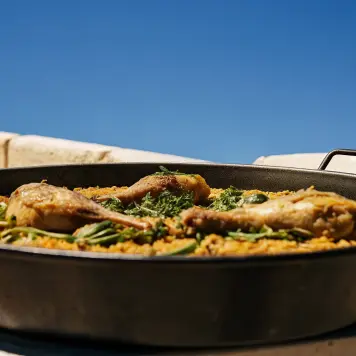
Paella gets its name from the wide, shallow pan it is cooked in, and it began as a rustic one-pan meal of rice, saffron and whatever meat or seafood was on hand, cooked over an open fire.

Escudella

Escudella

Escudella i carn d'olla is Catalonia's hearty stew and soup served in two parts, the name referring to the large bowl it was traditionally ladled from, and it has been a winter staple for generations.

Botifarra

Botifarra

Botifarra is a traditional Catalan pork sausage with roots that reach back to Roman times, and it is commonly simply grilled and paired with white beans for the classic dish botifarra amb mongetes.

Espinacas con Garbanzos

Espinacas con Garbanzos

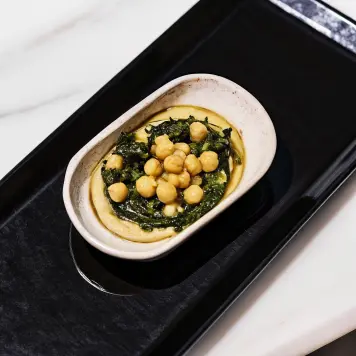
A classic Sevillian tapa from the Santa Cruz quarter, this hearty combination of spinach and chickpeas blends Jewish and Moorish culinary traditions and is ubiquitous in local taverns.

Cola de Toro

Cola de Toro

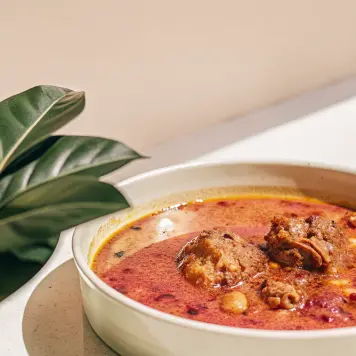
Cola de Toro is a rich, slow-cooked oxtail stew that became associated with post-bullfight meals and Sevillian festivities, prized for its deep, savory sauce.

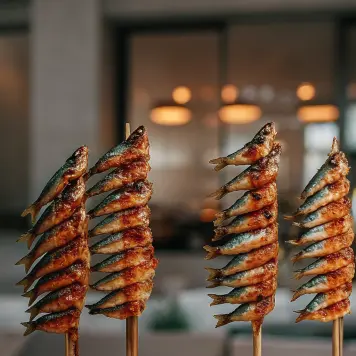
Pescaíto Frito

Pescaíto Frito refers to various small fish lightly floured and fried, a coastal tradition embraced in Seville where it is a staple at tapas bars and gatherings.

Tortilla del Sacromonte

Tortilla del Sacromonte

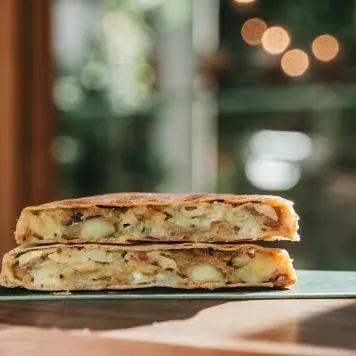
An omelette from Granada's Sacromonte neighborhood that traditionally includes offal such as brains and sweetbreads, it remains a bold and emblematic local specialty.

Remojón granadino

Remojón granadino

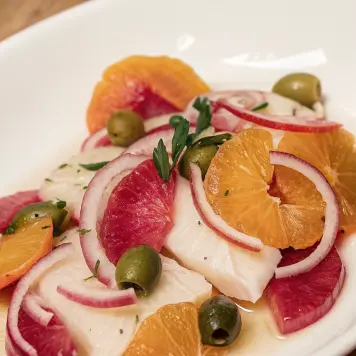
A refreshing cold salad of salted cod, orange, onion and olives, this dish reflects Granada's Moorish roots and the citrus-rich Mediterranean character of the region.

Plato alpujarreño

Hailing from the Alpujarras near Granada, this hearty plate combines fried potatoes, chorizo, morcilla, ham and a fried egg, it celebrates mountain produce and rustic cooking.

Tortilla Espanola

Tortilla Espanola

Tortilla española is a thick omelet of potato and sometimes onion, and in Madrid fierce, good-natured debates rage over whether onion belongs in the classic recipe.

Jamón Ibérico

Jamón Ibérico

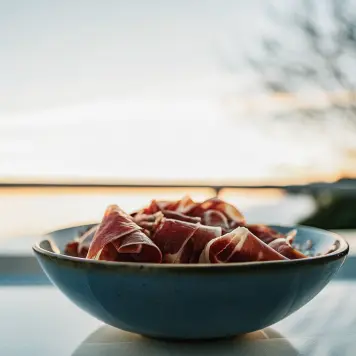
Jamón Ibérico comes from black Iberian pigs that often roam oak forests, and the acorn-rich diet gives the ham a buttery, nutty flavor prized by chefs worldwide.

Paella

Paella

Though paella began in the rice fields of Valencia, it became a celebratory dish in Madrid, where saffron and the socarrat, the crispy bottom layer, are prized signs of a perfectly made paella.

Paella Valenciana

Paella Valenciana

Paella Valenciana is the region's most famous rice dish, made with round rice, rabbit, chicken, local beans and saffron, cooked in a wide shallow pan over an open flame.

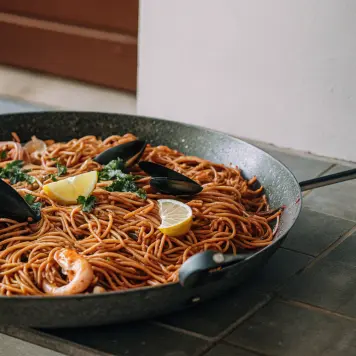
Fideuà

Fideuà

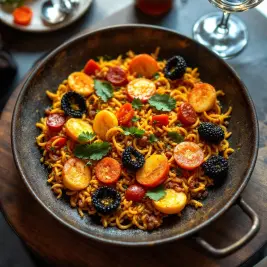
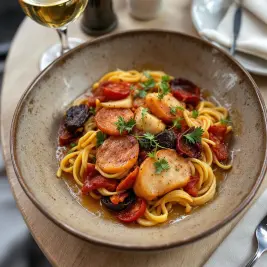
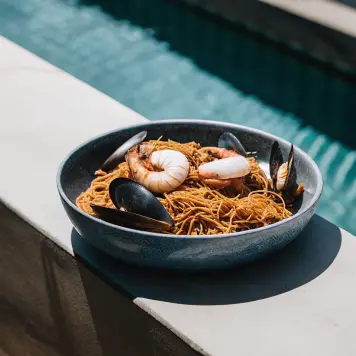
Fideuà is a coastal dish invented by fishermen in the Valencian area, it swaps rice for short noodles called fideos and is typically loaded with seafood and served with allioli.

Arroz a banda

Arroz a banda

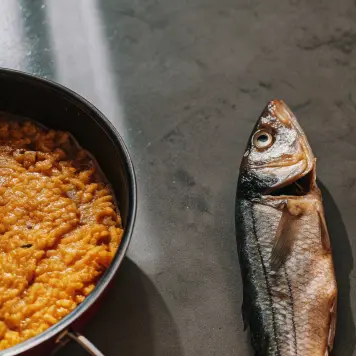
Arroz a banda uses rich fish broth to cook the rice while the fish is served on the side, the name literally means rice on the side and it reflects the region's fishing heritage.

Gazpacho

Gazpacho

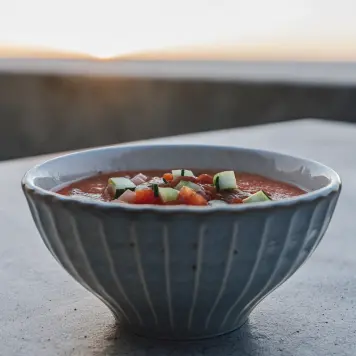
Gazpacho is a chilled, raw-vegetable soup that became Málaga's summer lifeline, offering bright tomato and cucumber flavors that refresh and hydrate in the heat.

Espetos de Sardinas

Espetos de Sardinas

Espetos de Sardinas are sardines threaded on reeds and grilled over open wood fires right on the beach, a communal ritual that defines Málaga's summer nights.

Ensalada Malagueña

Ensalada Malagueña

Ensalada Malagueña pairs salted cod and potatoes with sweet local oranges, olives and onions, creating a surprising sweet-and-salty salad that captures Málaga's coastal identity.

Arroz a banda

Arroz a banda

Arroz a banda is a traditional rice dish from the Alicante coast, cooked in a rich fish broth. The rice is served separately from the seafood, which is often eaten as a second course.

Fideuà

Fideuà

Fideuà is like a seafood paella but made with short noodles instead of rice, cooked in a savory fish stock. It originates from nearby Gandia and is hugely popular all along the Costa Blanca.

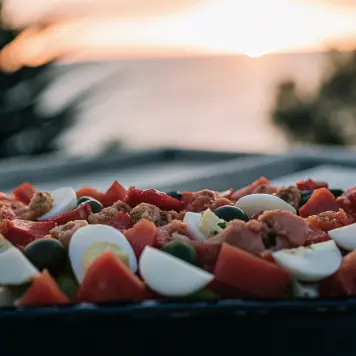
Coca amb tomata i tonyina

Coca amb tomata i tonyina

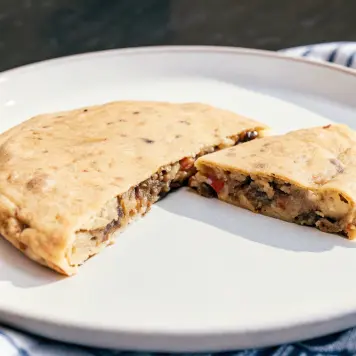
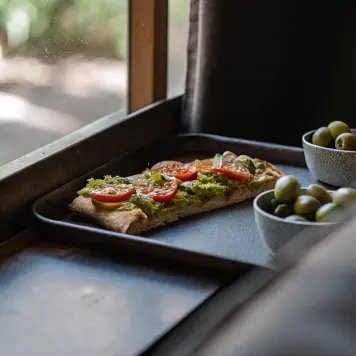
This simple flatbread is topped with ripe crushed tomato, olive oil, and canned tuna. It is a classic Alicante style coca, often enjoyed as a tapa or light lunch with a side of olives.

Traditional Sweet Dishes

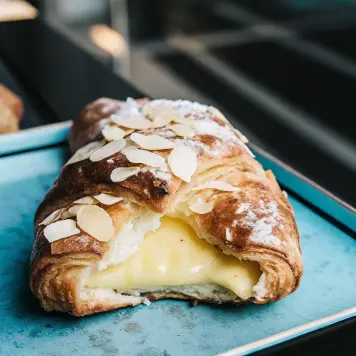
Pantxineta

Pantxineta

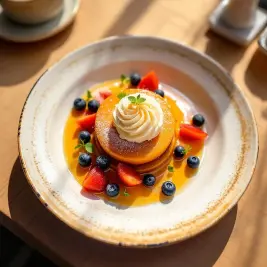
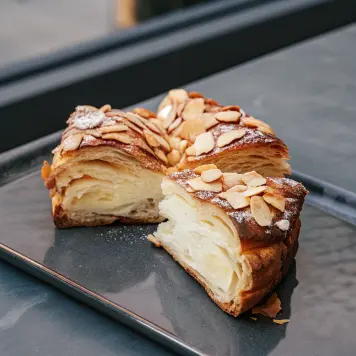
Pantxineta is a traditional Basque dessert originating from Donostia, consisting of a puff pastry filled with creamy custard and topped with toasted almonds, a delightful treat that perfectly balances crunch and creaminess.

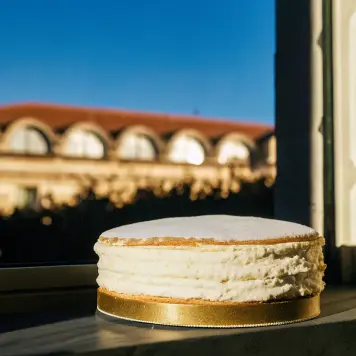
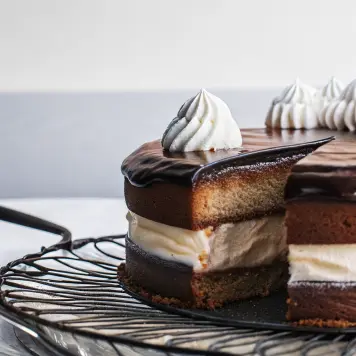
Goxua

Goxua

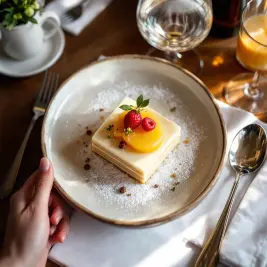
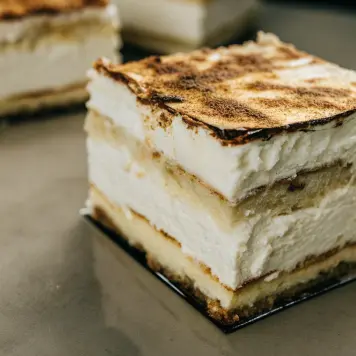
Goxua means 'sweet' in Basque and this layered dessert combines cream, sponge cake, and caramelized sugar, making it a beloved choice for locals in Donostia.

Intxaursaltsa

Intxaursaltsa

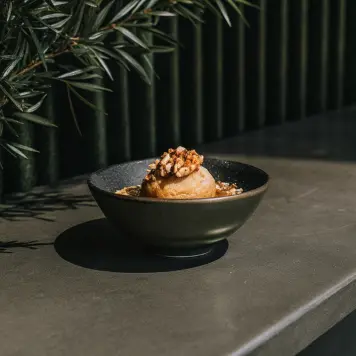
Intxaursaltsa is a walnut cream dessert traditionally prepared for Christmas, showcasing the rich use of local walnuts and honey in the Basque culinary tradition.

Goxua

Goxua

Goxua is a layered dessert consisting of whipped cream, sponge cake, and caramelized custard, a beloved treat from the Basque Country, particularly Bilbao.

Pantxineta

Pantxineta

Pantxineta is a puff pastry filled with custard cream, sometimes topped with almonds, and is often enjoyed as a traditional dessert in Bilbao.

Intxaursaltsa

Intxaursaltsa

Intxaursaltsa is a walnut cream dessert traditionally prepared during Christmas in the Basque region, celebrated for its rich and nutty flavor.

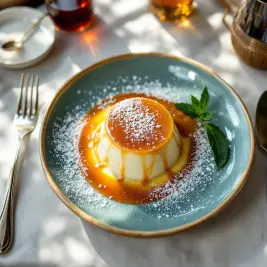
Crema Catalana

Crema Catalana

Crema Catalana is believed to predate French crème brûlée, and its citrus and cinnamon-scented custard is traditionally finished with a crackled caramel crust for Saint Joseph's Day celebrations.

Panellet

Panellet

Panellets are small almond marzipan sweets often rolled in pine nuts, and they are traditionally enjoyed on All Saints' Day as a festive, bite-sized offering.

Turron

Turron

Turron is a centuries-old Spanish nougat made from almonds, honey and egg white, and it comes in contrasting textures with hard Alicante and soft Jijona varieties commonly enjoyed at Christmas.

Torrijas

Torrijas

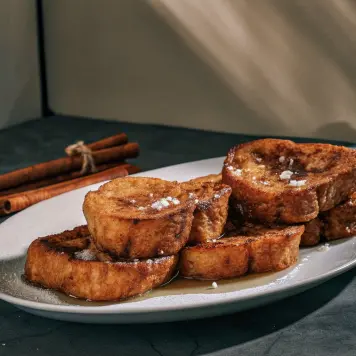
A traditional Easter treat, Torrijas are slices of bread soaked in milk or wine and egg, then fried and dusted with sugar or honey, with origins in convent and monastery kitchens dating back centuries.

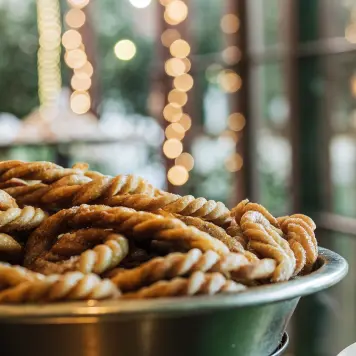
Pestiños

Pestiños

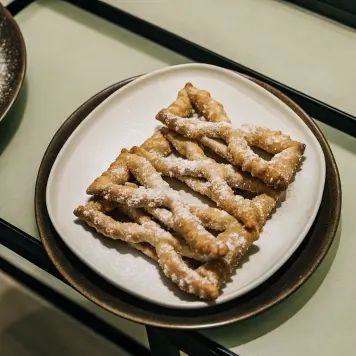
Pestiños are small pieces of dough fried and coated in honey or sugar, traditionally made at Christmas and during Semana Santa, and they reflect Moorish influences in Andalusian pastries.

Yemas de San Leandro

Yemas de San Leandro

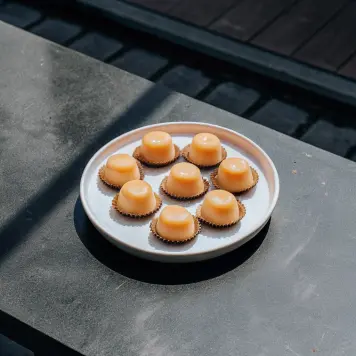
Yemas de San Leandro are small confections made from egg yolks and sugar, created by nuns in the convent of San Leandro, and they are an emblematic sweet of Seville.

Pionono

Pionono

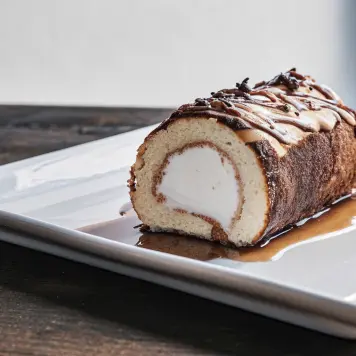
Originally from Santa Fe near Granada, this tiny sponge roll soaked in syrup and topped with toasted cream was named in honor of Pope Pius IX and is a local pastry icon.

Pestiños

Pestiños

A traditional Andalusian fried dough flavored with honey, sugar and sometimes sesame, commonly eaten in Granada during Christmas and Holy Week, showcasing Moorish-era sweet traditions.

Leche frita

A simple but indulgent fried milk custard with a crisp exterior and silky interior, widely enjoyed in Granada's cafes as a homey, comforting dessert.

Churros

Churros

In Madrid, churros are traditionally dunked into thick, pudding-like hot chocolate. The habit became popular because street vendors served them to early-morning market and factory workers.

Turron

Turron

Turron is a crunchy almond and honey nougat that traces its roots to medieval Spain, and Madrid families keep it as a holiday staple passed down through generations.

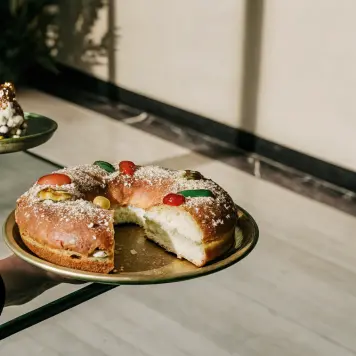
Roscon de Reyes

Roscon de Reyes

The Roscon de Reyes hides a tiny figurine and a bean, and whoever finds the figurine is crowned king while the bean-finder buys next year’s cake.

Fartons

Fartons

Fartons are elongated, soft sweet buns created in Alboraya to be dipped in horchata, they were designed specifically to soak up the creamy drink and remain light.

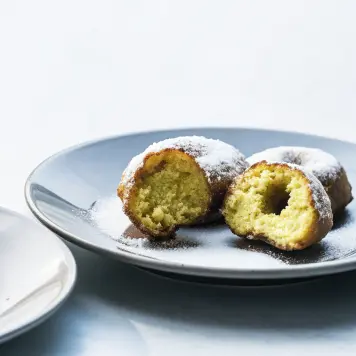
Buñuelos de calabaza

Buñuelos de calabaza

Buñuelos de calabaza are light pumpkin fritters traditionally eaten during Las Fallas, they are served warm and dusted with sugar for a simple festive treat.

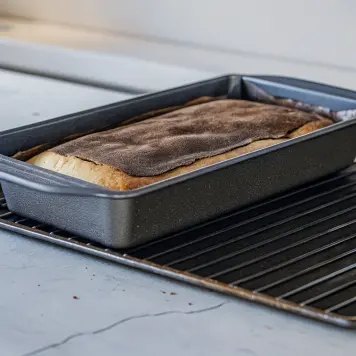
Coca de llanda

Coca de llanda

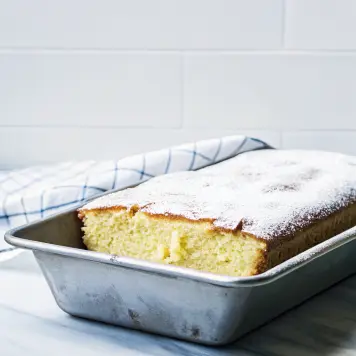
Coca de llanda is a rustic tray-baked sponge cake flavoured with olive oil and lemon, it is a staple in Valencian bakeries and commonly enjoyed for breakfast or merienda.

Pestiños

Pestiños

Pestiños are bite-sized fried dough sweets, glazed with honey or sugar and often scented with sesame and orange zest, and they have been a festive staple in Málaga during Holy Week and Christmas for centuries.

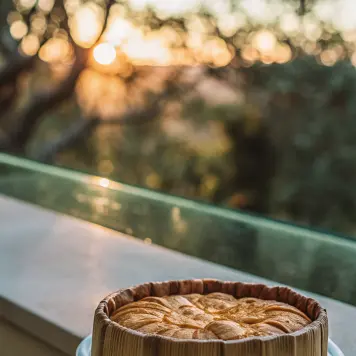
Tarta de Santiago

Tarta de Santiago

Tarta de Santiago is an almond cake marked with the Cross of Saint James, and in Málaga bakeries it often appears paired with local citrus or a dusting of cinnamon for a regional twist.

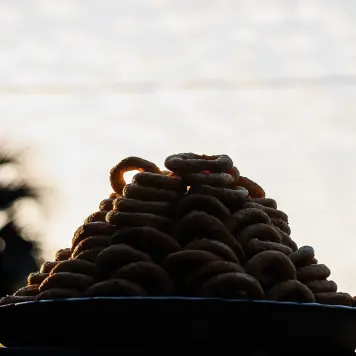
Roscos de Vino

Roscos de Vino

Roscos de Vino are crisp, ring-shaped cookies flavored with anise and a splash of sweet wine, their name meaning wine rings and reflecting the old tradition of dunking them into Málaga wine.

Coca de llanda

Coca de llanda

Coca de llanda is a soft, spongey cake from the Valencia region, traditionally baked in a shallow metal pan. It is often infused with lemon zest and topped with a generous dusting of sugar.

Pastissets de moniato

Pastissets de moniato

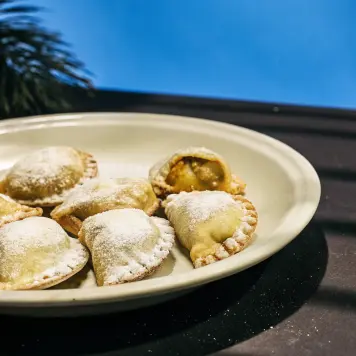
These small fried pastries are filled with sweet potato jam and dusted with sugar. They are a beloved treat during local festivals and Christmas in Altea and the wider Alicante province.

Turrón de Alicante

Turrón de Alicante

Turrón de Alicante is a hard nougat made with whole almonds, honey, and egg whites. This ancient confection dates back to Moorish times and is a Protected Designation of Origin product.

Traditional Beverages

Txakoli

Txakoli

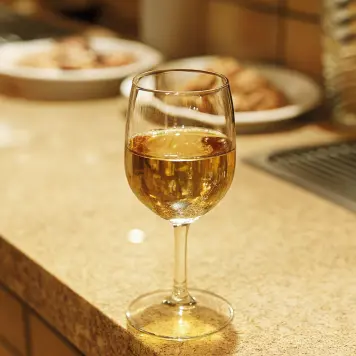
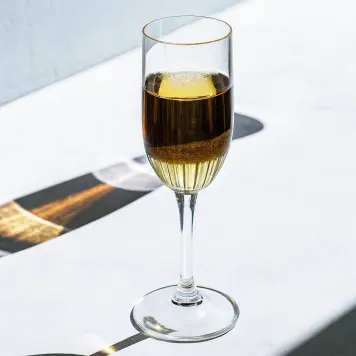
Txakoli is a slightly sparkling, dry white wine native to the Basque Country, often enjoyed chilled alongside pintxos in Donostia's bars.

Patxaran

Patxaran

Patxaran is a sloe berry liqueur popular in the Basque region, known for its sweet and fruity flavor, traditionally served as a digestif.

Basque Cider (Sagardoa)

Basque Cider (Sagardoa)

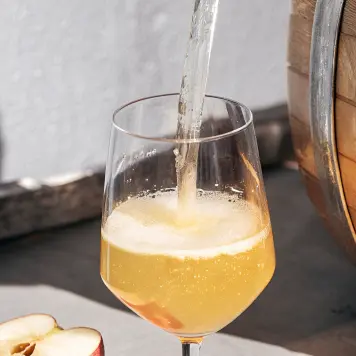
Basque cider is a unique and traditional drink made from fermented apple juice, typically enjoyed in cider houses during the natural sidra season, offering a crisp and tart taste.

Txakoli

Txakoli

Txakoli is a slightly sparkling, dry white wine from the Basque Country, often enjoyed young and paired with seafood.

Patxaran

Patxaran

Patxaran is a sloe-flavored liqueur popular in Bilbao, typically served as a digestive after meals.

Kalimotxo

Kalimotxo

Kalimotxo is a refreshing mix of red wine and cola, a youthful and popular drink throughout Bilbao and the Basque region.

Cava

Cava

Cava is Catalonia's sparkling wine made by the traditional method used for Champagne, and many of its producers age bottles in cool underground cellars in the Penedès region.

Sangria

Sangria

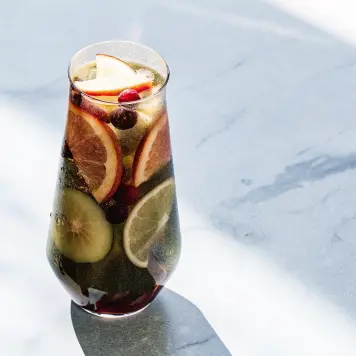
Sangria is a refreshing punch of wine, fruit and spices whose name comes from the Spanish word for blood because of its deep red color, and its modern fruity form became popular in 19th-century Spain.

Horchata

Horchata

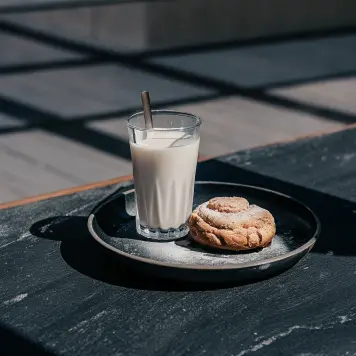
Horchata de chufa is a sweet, milky drink made from ground tiger nuts, it is served ice-cold and its chufa cultivation and recipe were brought to Iberia during the Moorish period.

Rebujito

Rebujito

Rebujito mixes fino sherry with sparkling lemonade or soda, it became the signature, refreshing drink of the Seville Feria and is perfect for hot afternoons.

Manzanilla (Fino Sherry)

Manzanilla (Fino Sherry)

Manzanilla is a dry, delicate sherry from nearby Sanlúcar, its slight saline note pairs beautifully with tapas and it is commonly served in Seville's bars.

Cruzcampo

Cruzcampo is a beer brand founded in Seville in 1904, it remains the city's most iconic lager and is widely served in taverns and beer gardens across the city.

Té moruno

Té moruno

Moroccan-style mint tea is ubiquitous in Granada's teterías, a living legacy of Moorish cultural influence and a ritual of social hospitality.

Leche merengada

A sweet, milky drink flavored with cinnamon and lemon, often served slushy or frozen, it is a classic Andalusian refreshment enjoyed across Granada.

Zumo de granada

Fresh pomegranate juice celebrates the city's namesake fruit, pomegranates are a historic symbol of Granada and frequently appear in local cuisine and art.

Sangria

Sangria

Sangria began as a way to refresh and flavor common wine, and in Madrid it is served with seasonal fruit and spices that turn a pitcher into a festive, communal drink.

Horchata

Horchata

Horchata de chufa is made from tiny tiger nuts and has a naturally sweet, creamy flavor. The drink dates back to Moorish Spain and is enjoyed in Madrid as a refreshing treat in warm months.

Café con Leche

Café con Leche

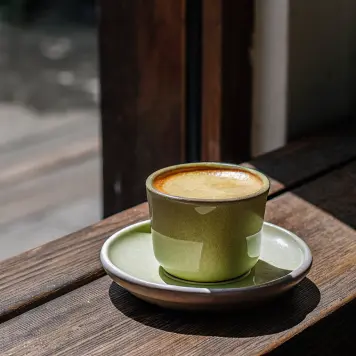
Café con leche is equal parts strong espresso and hot milk, and in Madrid it is the morning ritual that fuels quick breakfasts and lively conversations across the city.

Horchata de chufa

Horchata de chufa

Horchata de chufa is a refreshing, dairy-free drink made from ground tiger nuts grown around Valencia, it is traditionally served ice cold and often paired with fartons.

Agua de Valencia

Agua de Valencia

Agua de Valencia is a sparkling orange cocktail made with freshly squeezed Valencian orange juice, cava and a splash of spirits, it was created in the mid-20th century and is a local party favourite.

Mistela

Mistela

Mistela is a sweet fortified wine made from Moscatel grapes, it is commonly produced in the Valencian Community and enjoyed as a dessert accompaniment.

Malaga wine

Malaga wine

Malaga wine is a rich, often sweet fortified wine made from sun-dried grapes, prized for raisin and honey notes and tracing a winemaking tradition that stretches back to Phoenician and Roman times.

Horchata

Horchata

Horchata in Málaga is a refreshing plant-based milk, commonly made from tiger nuts or almonds, and its creamy, subtly sweet flavor has roots in Moorish-era recipes.

Horchata de chufa

Horchata de chufa

Horchata de chufa is a creamy, milky drink made from soaked and pressed tiger nuts (chufas). It originated in nearby Valencia and is served ice cold, especially during summer months.

Agua de Valencia

Agua de Valencia

Agua de Valencia is a refreshing cocktail made from cava, fresh orange juice, vodka, and gin. It was invented in the 1950s at a bar in Valencia and has become a staple celebratory drink all along the coast.

Mistela

Mistela

Mistela is a sweet, fortified wine made from Moscatel grapes grown in the Alicante region. It is produced by adding alcohol to the grape must before fermentation ends, resulting in a rich, raisiny sweetness.

Export Your Trip

Get your trip plan as a PDF with maps and a CSV spreadsheet.

Download PDF

Selected based on proximity to your itinerary attractions and guest reviews

Search all hotels in Spain

Powered by agoda

Create another trip plan