City BuddyCityBuddy
English
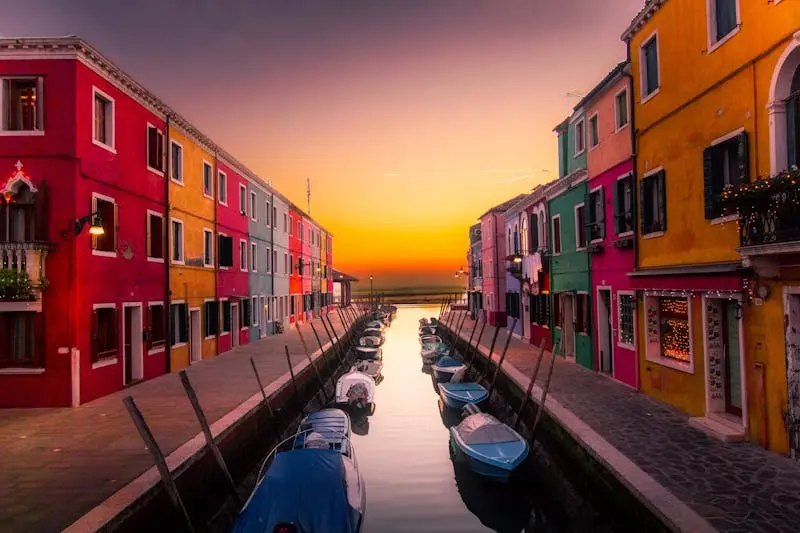
Vibrant facades along Burano's canal with boats at serene sunset. Perfect travel snapshot.

25-Day Hidden Spain: Autumn Journey Through 8 Cities

⚖️Balanced Mix💎Hidden Gems & Local Spots
25 daysautumn

Explore Spain's authentic side through hidden courtyards, secret gardens, local markets, and neighborhood gems across 8 captivating cities this autumn.

Our #1 travel tip

Book a FREE walking tour in Spain

Free walking tours. Yes, actually free. No credit card needed. No catch.

  • Local guide, 2-3 hours
  • 100% tip-based
  • You tip what feels right
Browse FREE walking toursAdrijana, founder of City Buddy

Loading

Budget Breakdown

$2,125Trip total · $85 per day

Where to stay tonight

Hostel in El Raval (lively multicultural neighborhood west of Las Ramblas) $35-55/night

Close to tonight's vermouth bar route, with cheaper eats and fewer tourists than the Gothic Quarter.

Search hotels in this area
Where to stay tonight

Bed & Breakfast in Poble Sec (lively hill neighborhood between Paral·lel and Montjuïc) $40-60/night

Poble Sec puts you steps from tonight's bars and the Montjuïc cable car for tomorrow while keeping you away from the Gothic Quarter tourist bustle.

Search hotels in this area

Where to stay tonight

Hostel in Gracia (lively neighborhood with local squares and fewer tourists) $25-40/night

You finish the evening here and it has the best local bar scene and metro connections.

Search hotels in this area
Train3 hours

Book a Renfe AVE high-speed train from Barcelona Sants to Valencia Joaquín Sorolla station. Buy tickets at least two days ahead on renfe.com for the best price around $35.

Where to stay tonight

Hotel in Ruzafa (hip, local-focused neighborhood south of the city center with great bars and markets) $50-70/night

This puts you steps away from the evening tapas scene and keeps you in a non-touristy pocket of Valencia.

Search hotels in this area

Where to stay tonight

Bed & Breakfast in Ruzafa (lively multicultural neighborhood southeast of the old center) $40-55/night

Puts you steps away from tonight's evening activity and the best local bars and markets in the area.

Search hotels in this area

Where to stay tonight

Bed & Breakfast in El Cabanyal (colorful seaside neighborhood with tiled modernist buildings) $40-60/night

Close to the art studios and metro access for Albufera day trips, with authentic local restaurants and far fewer tourists than the city center.

Search hotels in this area
Train3.5 hours

Take the high-speed AVE from Valencia Joaquín Sorolla station to Granada. Book at least a week ahead on renfe.com for the best fares around $30-50.

Where to stay tonight

Bed & Breakfast in Alameda de Hércules (lively nightlife district north of the old town) 50-70 EUR/night

You will be spending your evening in Alameda so staying here means a short walk back after dinner and a more local vibe than touristy Santa Cruz.

Search hotels in this area

Where to stay tonight

Hostel in Santa Cruz (historic Jewish quarter east of the Alcázar) $35-55/night

Walking distance to today's Alcázar visit and a short bridge walk to Triana for the evening.

Search hotels in this area

Where to stay tonight

Bed & Breakfast in Alameda de Hércules (lively square filled with terraces, street art, and alternative bars, north of the old town) 50-70 EUR/night

Staying here puts you steps from local nightlife and a quick walk to all day activities.

Search hotels in this area

Where to stay tonight

Bed & Breakfast in Alameda de Hércules (lively plaza district north of the old town) $45-65/night

Close to tonight's tapas bars and far enough from the tourist crush of Santa Cruz to feel like real Seville.

Search hotels in this area
Train2 hours 45 minutes

Take the AVE high-speed train from Sevilla Santa Justa to Granada. Book on renfe.com at least 2 weeks ahead for fares as low as 25 EUR; same-day walk up tickets cost 60 plus. Avoid the bus, which takes over 4 hours.

Where to stay tonight

Bed & Breakfast in Albaicín (historic Moorish quarter on the hill facing the Alhambra) $50-70/night

Staying in a carmen (traditional house with garden) in the Albaicín puts you steps from the viewpoints and saves climbing the hill each day.

Search hotels in this area

Where to stay tonight

Bed & Breakfast in Realejo (old Jewish quarter below the Alhambra) $50-70/night

Staying in Realejo puts you a short walk from Campo del Príncipe and the Alhambra access paths, away from the noisy center.

Search hotels in this area
Where to stay tonight

Bed & Breakfast in Albaicín (historic Moorish quarter with narrow alleys and miradors) $50-70/night

Keeps you inside the UNESCO quarter close to today's viewpoints and cave district.

Search hotels in this area
Train2 hours 30 minutes

Take the Renfe AVE or Avant train from Granada to Málaga María Zambrano station. Book at renfe.com at least a few days ahead for the best fares around $25-35 one way.

Where to stay tonight

Hostel in Centro Histórico (old town around Calle Larios) $15-25/night for dorm, $50-65 for private

Walking distance to Alcazaba, Muelle Uno, and all main sights for tomorrow's full day in the city.

Search hotels in this area

Where to stay tonight

Hotel in Soho district (artsy neighborhood between Alameda Principal and the port) $50-65/night

Staying in Soho puts you within walking distance of the market, the evening wine bars, and the city center.

Search hotels in this area
Where to stay tonight

Bed & Breakfast in La Merced (lively plaza area east of the Alcazaba) $50-70/night

Close to Castillo and Soho, with plenty of small bars and cafes for a relaxed evening.

Search hotels in this area
Bus2 hours

Alsa bus runs direct from Málaga bus station (Estación de Autobuses, Paseo de los Tilos) to Ronda multiple times daily. Book online in advance for the best morning departure, as seats sell out on weekends.

Where to stay tonight

Bed & Breakfast in Old Town (inside the historic core near Plaza Duquesa de Parcent) $50-70/night

Staying inside the walled old town puts you steps from the gorge viewpoints and evening tapas bars.

Search hotels in this area
Where to stay tonight

Bed & Breakfast in Old Town west of Plaza del Socorro (quiet residential side with fewer tourist crowds) $45-60/night

This area puts you steps from the hidden alleys and bodegas you will explore tonight, far from the main plaza noise.

Search hotels in this area
Where to stay tonight

Bed & Breakfast in Casco Antiguo (old town near Plaza de la Ciudad) $50-70/night

Staying in the old town puts you steps from the Arab Baths and Palacio Mondragón with a stunning cliffside backdrop.

Search hotels in this area
Train2 hours

Take the Renfe Media Distancia train from Ronda to Córdoba via Antequera Santa Ana. Book ahead on renfe.com for the best fares, as walk-up tickets cost more.

Where to stay tonight

Bed & Breakfast in Judería (Jewish Quarter, between Mezquita and Alcázar) $50-70/night

You are already spending the evening here and the whitewashed alleys are atmospheric after dark with far fewer tourists.

Search hotels in this area
Where to stay tonight

Bed & Breakfast in San Basilio (the Judería's quietest corner near the Alcázar) $50-70/night

Stay in this charming whitewashed alleyway neighborhood where you can hear the fountain from your window and locals hang laundry above the flower pots.

Search hotels in this area
Where to stay tonight

Bed & Breakfast in Judería (the old Jewish quarter, maze of alleys and flower-filled patios) $50-70/night

You are already exploring the Judería for flamenco and can stumble back through its lantern-lit streets after the show.

Search hotels in this area
Train3 hours 45 min

Take the AVE high-speed train from Córdoba Central to Tarragona Camp de Tarragona station. Book at Renfe.es at least 2 weeks ahead for discounts starting around $40 one-way. The train arrives at Camp de Tarragona, then take bus L2 or a 15-min taxi into the city center.

Where to stay tonight

Bed & Breakfast in Part Alta (the historic old town inside the Roman walls) $45-60/night

You can walk to every sight, and the medieval streets have charming small guesthouses with rooftop terraces.

Search hotels in this area

Where to stay tonight

Bed & Breakfast in Part Alta (the old walled quarter with Roman ruins and medieval alleys) $50-70/night

Keeps you inside the historic center steps from the amphitheatre and wine bars.

Search hotels in this area
Where to stay tonight

Bed & Breakfast in Tarragona Old Town (walled historic quarter near the Cathedral) $50-70/night

You need to be close to the old town sights for your last morning and near the bus connection to the airport.

Search hotels in this area
Must-try traditional foods & drinks

What to order in Spain, with a fun fact for each

Traditional Savory Dishes

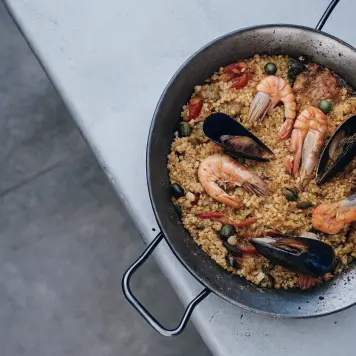
Paella

Paella

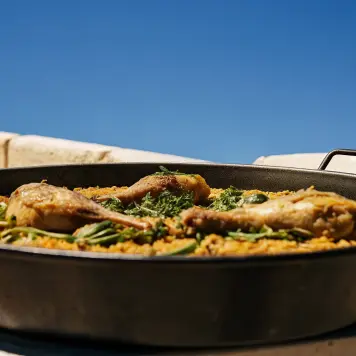
Paella originated in Valencia and is famous worldwide as a saffron-flavored rice dish cooked with seafood, meats, and vegetables in a wide, shallow pan.

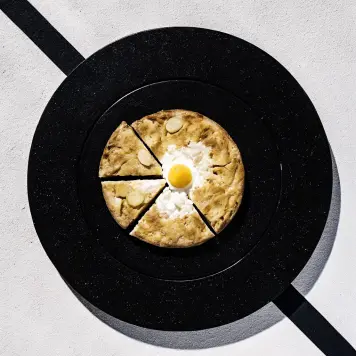
Tortilla Española

Tortilla Española

Tortilla Española, or Spanish omelette, is made with eggs, potatoes, and onions, creating a simple but hearty dish often served as tapas or a light meal.

Jamón Ibérico

Jamón Ibérico

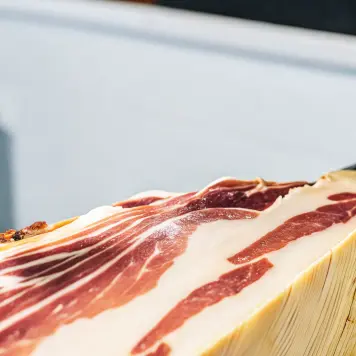
Jamón Ibérico is a prized dry-cured ham from Spain, known for its rich, nutty flavor derived from the acorn diet of Iberian pigs.

Paella

Paella

Paella gets its name from the wide, shallow pan it is cooked in, and it began as a rustic one-pan meal of rice, saffron and whatever meat or seafood was on hand, cooked over an open fire.

Escudella

Escudella

Escudella i carn d'olla is Catalonia's hearty stew and soup served in two parts, the name referring to the large bowl it was traditionally ladled from, and it has been a winter staple for generations.

Botifarra

Botifarra

Botifarra is a traditional Catalan pork sausage with roots that reach back to Roman times, and it is commonly simply grilled and paired with white beans for the classic dish botifarra amb mongetes.

Paella Valenciana

Paella Valenciana

Paella Valenciana is the region's most famous rice dish, made with round rice, rabbit, chicken, local beans and saffron, cooked in a wide shallow pan over an open flame.

Fideuà

Fideuà

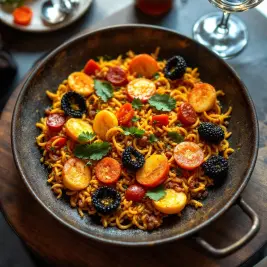
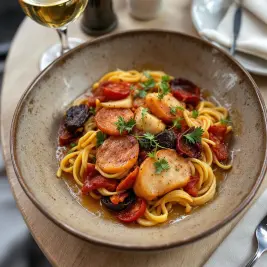
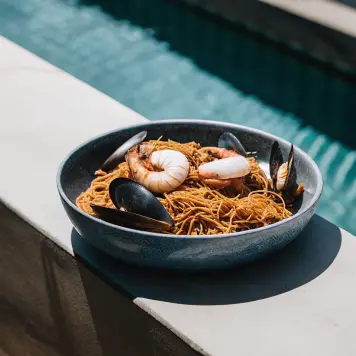
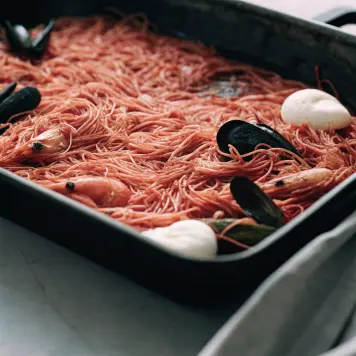
Fideuà is a coastal dish invented by fishermen in the Valencian area, it swaps rice for short noodles called fideos and is typically loaded with seafood and served with allioli.

Arroz a banda

Arroz a banda

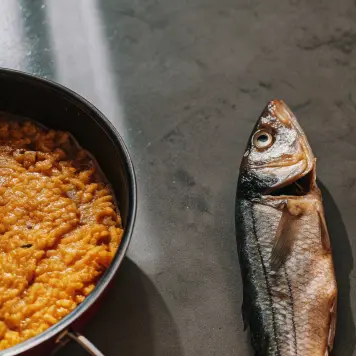
Arroz a banda uses rich fish broth to cook the rice while the fish is served on the side, the name literally means rice on the side and it reflects the region's fishing heritage.

Tortilla del Sacromonte

Tortilla del Sacromonte

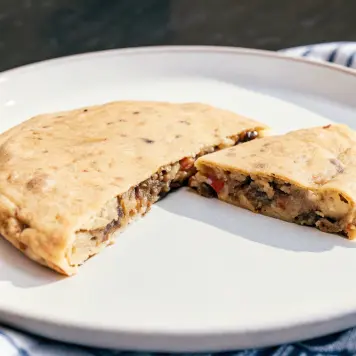
An omelette from Granada's Sacromonte neighborhood that traditionally includes offal such as brains and sweetbreads, it remains a bold and emblematic local specialty.

Remojón granadino

Remojón granadino

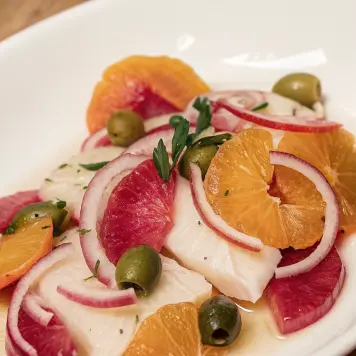
A refreshing cold salad of salted cod, orange, onion and olives, this dish reflects Granada's Moorish roots and the citrus-rich Mediterranean character of the region.

Plato alpujarreño

Hailing from the Alpujarras near Granada, this hearty plate combines fried potatoes, chorizo, morcilla, ham and a fried egg, it celebrates mountain produce and rustic cooking.

Gazpacho

Gazpacho

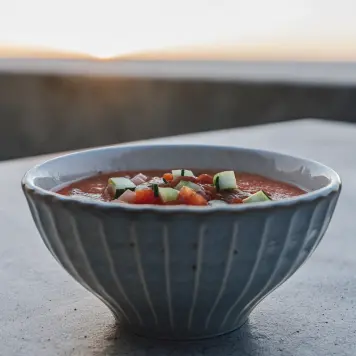
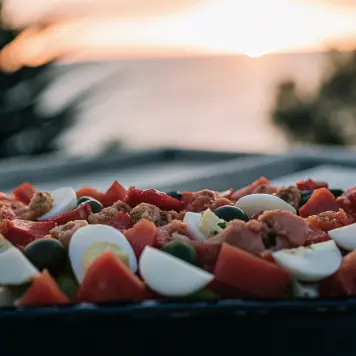
Gazpacho is a chilled, raw-vegetable soup that became Málaga's summer lifeline, offering bright tomato and cucumber flavors that refresh and hydrate in the heat.

Espetos de Sardinas

Espetos de Sardinas

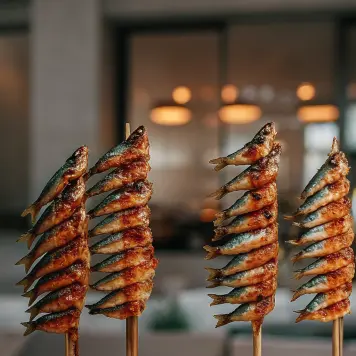
Espetos de Sardinas are sardines threaded on reeds and grilled over open wood fires right on the beach, a communal ritual that defines Málaga's summer nights.

Ensalada Malagueña

Ensalada Malagueña

Ensalada Malagueña pairs salted cod and potatoes with sweet local oranges, olives and onions, creating a surprising sweet-and-salty salad that captures Málaga's coastal identity.

Rabo de Toro

Rabo de Toro

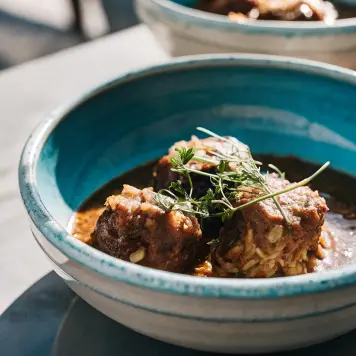
Rabo de Toro is a rich oxtail stew slow-cooked to tender perfection, reflecting Ronda's historic ties to bullfighting and its culinary traditions.

Migas

Migas

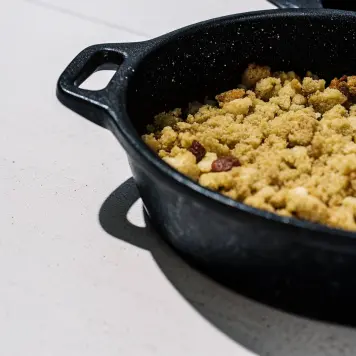
Migas consists of fried breadcrumbs with garlic, chorizo, and sometimes eggs, a rustic dish originally created to minimize waste and provide hearty nourishment.

Chorizo al Vino

Chorizo al Vino

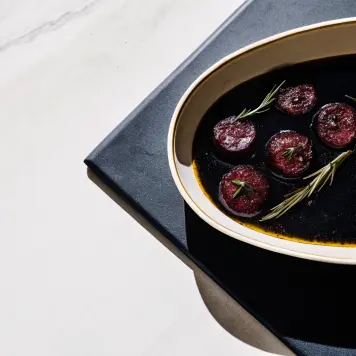
Chorizo al Vino features local chorizo sausages cooked slowly in red wine, a flavorful dish that emphasizes Ronda's wine production heritage.

Salmorejo

Salmorejo

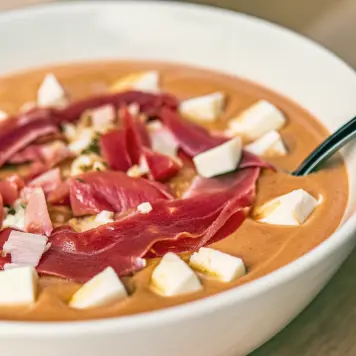
Salmorejo is a thick, creamy cold tomato soup that embodies the fresh, simple, and vibrant flavors of Córdoba's Andalusian heritage.

Rabo de Toro

Rabo de Toro

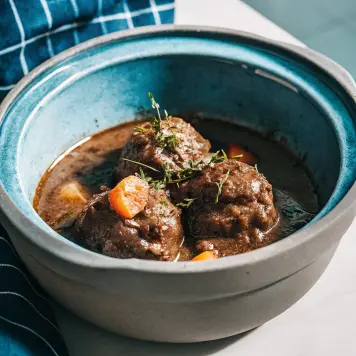
This hearty oxtail stew is a beloved traditional dish slow-cooked to tender perfection, often served during festivals and special occasions in Córdoba.

Flamenquín

Flamenquín

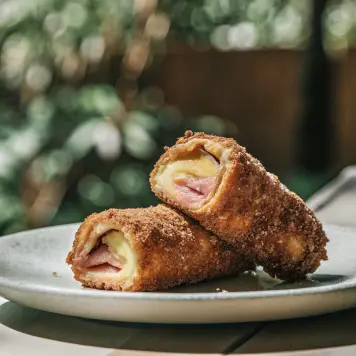
A famous Córdoba specialty, Flamenquín consists of rolled pork loin filled with ham and cheese, breaded and fried to golden crispiness.

Calçots with Romesco Sauce

Calçots with Romesco Sauce

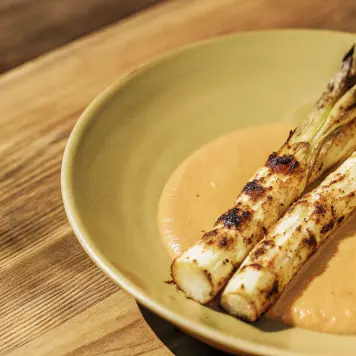
Calçots are a type of sweet green onion grilled over open flames until charred, a signature of Tarragona's province. Locals gather for massive calçotades (feasts) where these onions are eaten by peeling the burnt layers and dipping them in rich romesco sauce made from almonds and roasted peppers.

Arròs a la Cassola de Tarragona

Arròs a la Cassola de Tarragona

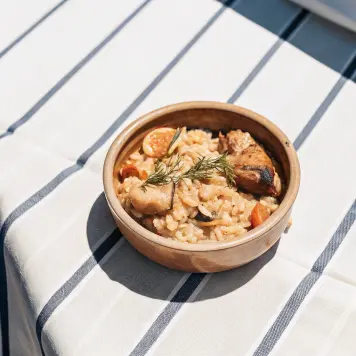
This rustic casserole rice dish is Tarragona's take on paella, slow-cooked in a clay pot with local seafood, rabbit, and vegetables. The city's proximity to the Ebro Delta rice fields means the rice used is exceptionally fresh and flavorful.

Fideuà

Fideuà

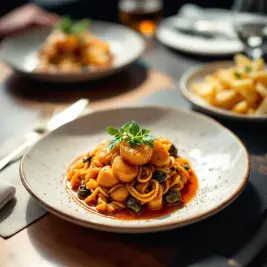
Fideuà is a beloved noodle-based dish similar to paella but made with short, thin vermicelli noodles instead of rice. It originated among fishermen on the Catalan coast who wanted a faster-cooking alternative to rice, and it is traditionally served with a dollop of garlicky allioli.

Traditional Sweet Dishes

Churros con Chocolate

Churros con Chocolate

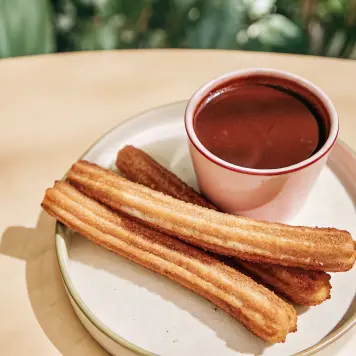
Churros con Chocolate is a beloved Spanish dessert consisting of fried dough pastries served with thick, rich hot chocolate for dipping, often enjoyed as a breakfast or snack.

Tarta de Santiago

Tarta de Santiago

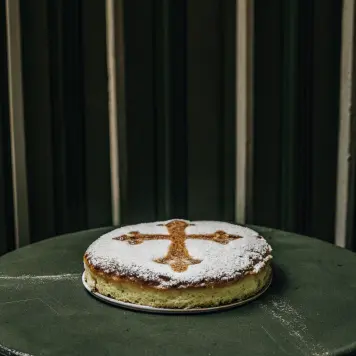
Tarta de Santiago is a traditional almond cake from Galicia, decorated with the cross of Saint James dusted in powdered sugar, symbolizing the Camino de Santiago pilgrimage.

Flan

Flan

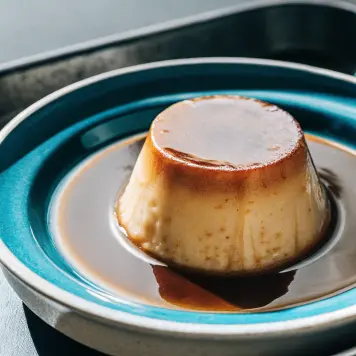
Flan is a creamy caramel custard dessert popular throughout Spain, known for its smooth texture and caramel topping that melts on the tongue.

Crema Catalana

Crema Catalana

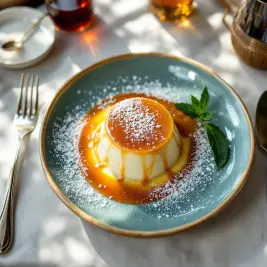
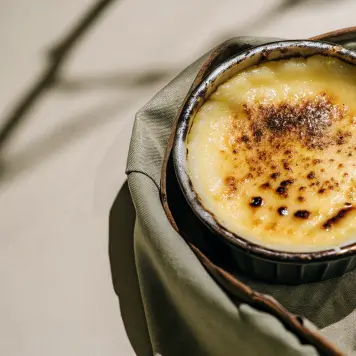
Crema Catalana is believed to predate French crème brûlée, and its citrus and cinnamon-scented custard is traditionally finished with a crackled caramel crust for Saint Joseph's Day celebrations.

Panellet

Panellet

Panellets are small almond marzipan sweets often rolled in pine nuts, and they are traditionally enjoyed on All Saints' Day as a festive, bite-sized offering.

Turron

Turron

Turron is a centuries-old Spanish nougat made from almonds, honey and egg white, and it comes in contrasting textures with hard Alicante and soft Jijona varieties commonly enjoyed at Christmas.

Fartons

Fartons

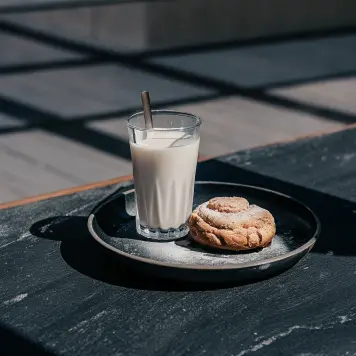
Fartons are elongated, soft sweet buns created in Alboraya to be dipped in horchata, they were designed specifically to soak up the creamy drink and remain light.

Buñuelos de calabaza

Buñuelos de calabaza

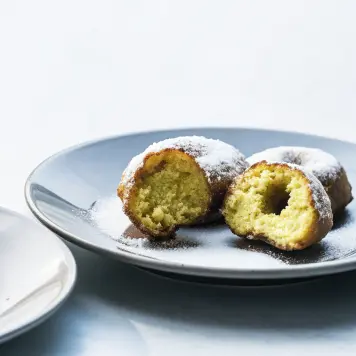
Buñuelos de calabaza are light pumpkin fritters traditionally eaten during Las Fallas, they are served warm and dusted with sugar for a simple festive treat.

Coca de llanda

Coca de llanda

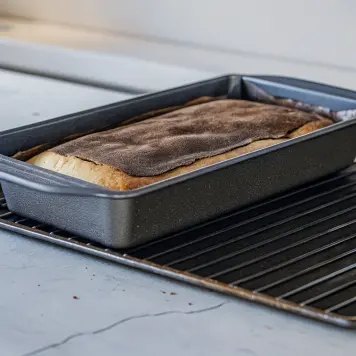
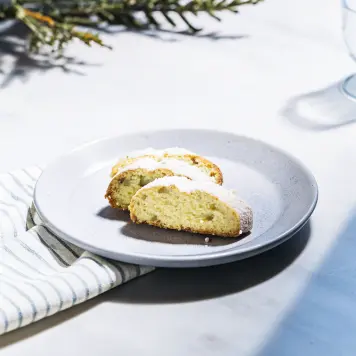
Coca de llanda is a rustic tray-baked sponge cake flavoured with olive oil and lemon, it is a staple in Valencian bakeries and commonly enjoyed for breakfast or merienda.

Pionono

Pionono

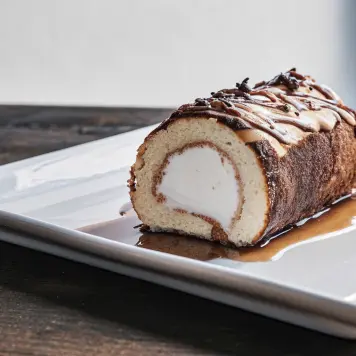
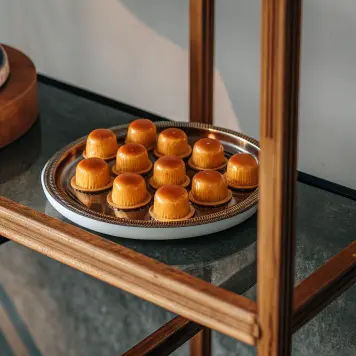
Originally from Santa Fe near Granada, this tiny sponge roll soaked in syrup and topped with toasted cream was named in honor of Pope Pius IX and is a local pastry icon.

Pestiños

Pestiños

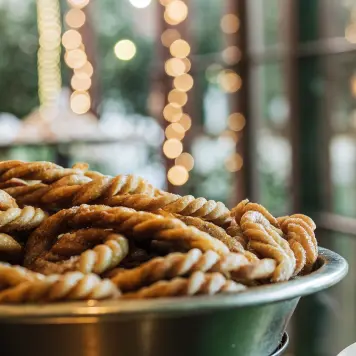
A traditional Andalusian fried dough flavored with honey, sugar and sometimes sesame, commonly eaten in Granada during Christmas and Holy Week, showcasing Moorish-era sweet traditions.

Leche frita

A simple but indulgent fried milk custard with a crisp exterior and silky interior, widely enjoyed in Granada's cafes as a homey, comforting dessert.

Pestiños

Pestiños

Pestiños are bite-sized fried dough sweets, glazed with honey or sugar and often scented with sesame and orange zest, and they have been a festive staple in Málaga during Holy Week and Christmas for centuries.

Tarta de Santiago

Tarta de Santiago

Tarta de Santiago is an almond cake marked with the Cross of Saint James, and in Málaga bakeries it often appears paired with local citrus or a dusting of cinnamon for a regional twist.

Roscos de Vino

Roscos de Vino

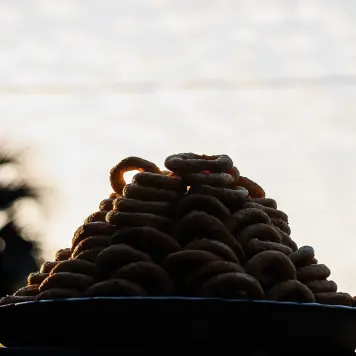
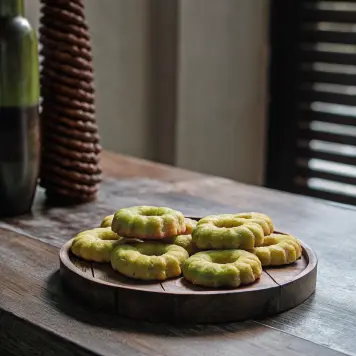
Roscos de Vino are crisp, ring-shaped cookies flavored with anise and a splash of sweet wine, their name meaning wine rings and reflecting the old tradition of dunking them into Málaga wine.

Yemas de Ronda

Yemas de Ronda

Yemas de Ronda are delicate sweets made from egg yolks and sugar, a specialty that dates back centuries and reflects the region's expertise in almond and egg-based confections.

Roscos de Vino

Roscos de Vino

Roscos de Vino are wine-flavored ring-shaped cookies, traditionally enjoyed during festivals and celebrations, highlighting the local wine culture.

Tortas de Aceite

Tortas de Aceite

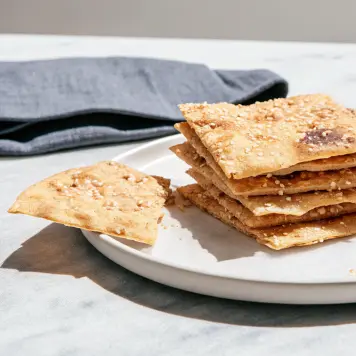
Tortas de Aceite are thin, crispy olive oil tortas often flavored with anise and sesame seeds, representing the Andalusian love for olive oil in both savory and sweet dishes.

Flamenquín

Flamenquín

Though known primarily as a savory dish, there is a sweet version of Flamenquín that uses ham and cheese, rolled and fried with a touch of sugar sprinkled on top for a unique Córdoba twist.

Pastel Cordobés

Pastel Cordobés

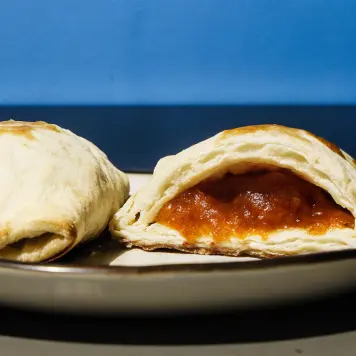
This delicious puff pastry filled with sweet pumpkin jam is a traditional dessert that showcases the Moorish influence through its use of pumpkin and cinnamon.

Alfajor de Córdoba

Alfajor de Córdoba

These soft cookies filled with honey and almonds are a legacy of Córdoba's rich history of Arab and Spanish fusion flavors.

Crema Catalana

Crema Catalana

Crema Catalana is the Spanish sibling of crème brûlée, but with a distinct Catalan identity. It is traditionally served on Saint Joseph's Day (March 19) and flavored with cinnamon and lemon zest instead of vanilla.

Pastissets de Cabell d'Àngel

Pastissets de Cabell d'Àngel

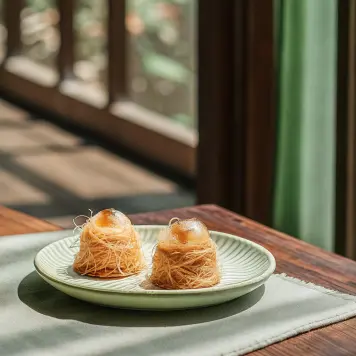
These delicate pastries are filled with cabell d'àngel or angel's hair, a sweet jam made from pumpkin threads. The name literally means angel hair, referencing the translucent, stringy texture of the pumpkin preserve inside.

Carquinyolis

Carquinyolis

Carquinyolis are crunchy Catalan almond cookies similar to Italian biscotti, perfect for dunking in dessert wine. They are twice-baked for extra crunch and are a staple at festive gatherings across the Tarragona region.

Traditional Beverages

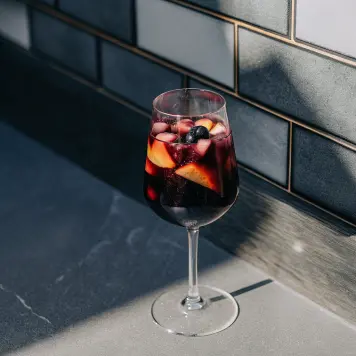
Sangria

Sangria

Sangria is a refreshing traditional Spanish beverage made from red wine, chopped fruit, and sometimes brandy, perfect for summer gatherings.

Café con Leche

Café con Leche

Café con Leche is a popular Spanish coffee drink made with strong espresso and scalded milk, commonly enjoyed at breakfast.

Horchata de Chufa

Horchata de Chufa

Horchata de Chufa is a sweet, milky beverage made from tiger nuts, famous in the Valencia region and enjoyed especially during warm months.

Cava

Cava

Cava is Catalonia's sparkling wine made by the traditional method used for Champagne, and many of its producers age bottles in cool underground cellars in the Penedès region.

Sangria

Sangria

Sangria is a refreshing punch of wine, fruit and spices whose name comes from the Spanish word for blood because of its deep red color, and its modern fruity form became popular in 19th-century Spain.

Horchata

Horchata

Horchata de chufa is a sweet, milky drink made from ground tiger nuts, it is served ice-cold and its chufa cultivation and recipe were brought to Iberia during the Moorish period.

Horchata de chufa

Horchata de chufa

Horchata de chufa is a refreshing, dairy-free drink made from ground tiger nuts grown around Valencia, it is traditionally served ice cold and often paired with fartons.

Agua de Valencia

Agua de Valencia

Agua de Valencia is a sparkling orange cocktail made with freshly squeezed Valencian orange juice, cava and a splash of spirits, it was created in the mid-20th century and is a local party favourite.

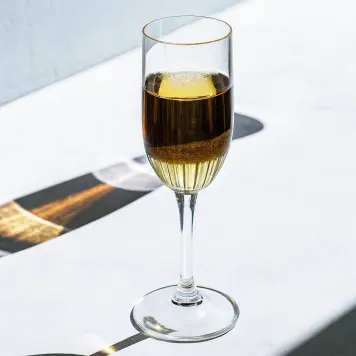
Mistela

Mistela

Mistela is a sweet fortified wine made from Moscatel grapes, it is commonly produced in the Valencian Community and enjoyed as a dessert accompaniment.

Té moruno

Té moruno

Moroccan-style mint tea is ubiquitous in Granada's teterías, a living legacy of Moorish cultural influence and a ritual of social hospitality.
Leche merengada

A sweet, milky drink flavored with cinnamon and lemon, often served slushy or frozen, it is a classic Andalusian refreshment enjoyed across Granada.

Zumo de granada

Fresh pomegranate juice celebrates the city's namesake fruit, pomegranates are a historic symbol of Granada and frequently appear in local cuisine and art.

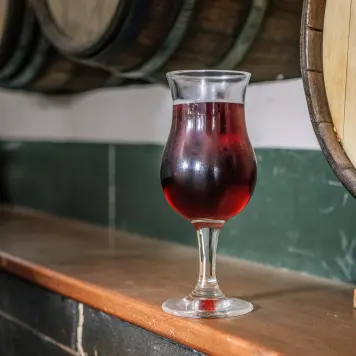
Malaga wine

Malaga wine

Malaga wine is a rich, often sweet fortified wine made from sun-dried grapes, prized for raisin and honey notes and tracing a winemaking tradition that stretches back to Phoenician and Roman times.

Horchata

Horchata

Horchata in Málaga is a refreshing plant-based milk, commonly made from tiger nuts or almonds, and its creamy, subtly sweet flavor has roots in Moorish-era recipes.

Ronda Wine

Ronda Wine

Ronda Wine, made from grapes grown in the nearby mountainous vineyards, is renowned for its robust flavor and is an essential part of local gastronomy.

Rebujito

Rebujito

Rebujito is a refreshing mix of sherry and lemon-lime soda, popularly enjoyed during local fairs and celebrations for its light and festive taste.

Sangria

Sangria

Sangria, a fruity wine punch often made with local red wine and fresh fruits, is a beloved drink in Ronda especially during warm weather and social gatherings.

Montilla-Moriles Wine

Montilla-Moriles Wine

This renowned fortified wine from the Córdoba region is famous for its rich flavors and is often compared to Jerez sherry for its quality and tradition.

Rebujito

Rebujito

Rebujito is a refreshing Andalusian drink mixing sherry with sparkling soda, popular during Córdoba's fairs and summer celebrations.

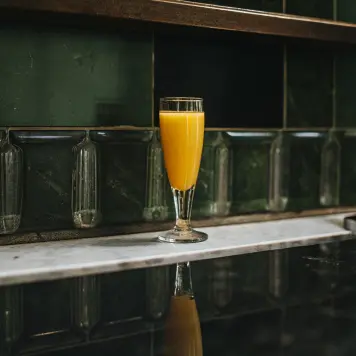
Zumo de Naranja

Zumo de Naranja

Freshly squeezed orange juice is a staple in Córdoba, where the abundant local orange groves produce some of the sweetest citrus in Spain.

Vermut de Tarragona

Vermut de Tarragona

Tarragona has a deep-rooted vermouth tradition dating back to the 19th century, and local vermuterías are a cherished social ritual. The region's vermouth is made with macabeo or xarel·lo wine bases and a secret blend of local herbs, giving it a distinctive Mediterranean character.

Cava

Cava

While Cava is most famous in Penedès, much of this sparkling wine is actually produced from grapes grown in the vineyards around Tarragona. It is made using the traditional method (same as Champagne) but at a fraction of the cost, making it the go-to celebratory drink in Catalonia.

Ratafia

Ratafia

Ratafia is a traditional Catalan liqueur made by macerating green walnuts, herbs, and spices in brandy or aguardiente for months. It is often homemade in Tarragona's rural homes and is sipped as a digestif, believed to aid digestion after heavy meals.

Export Your Trip

Get your trip plan as a PDF with maps and a CSV spreadsheet.

Download PDF

Selected based on proximity to your itinerary attractions and guest reviews

Search all hotels in Spain

Powered by agoda

Create another trip plan