 CityBuddy
 English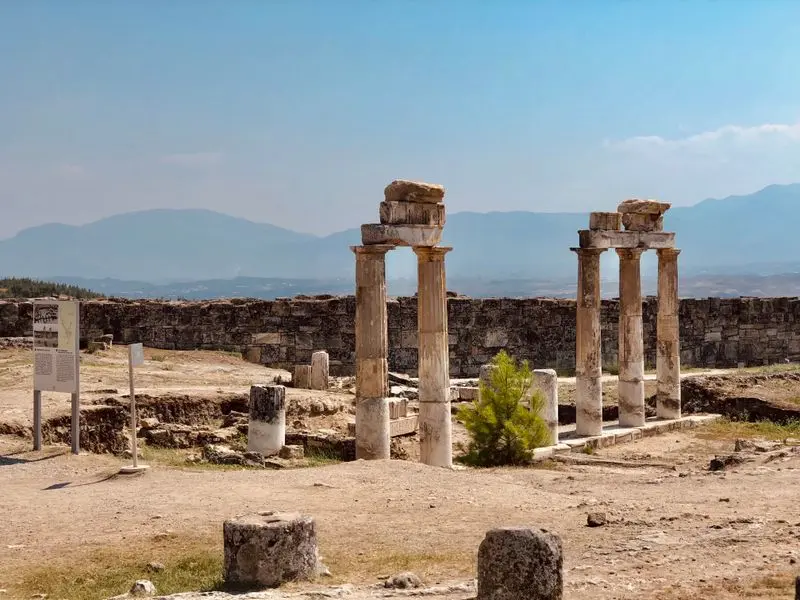
Things to Do in Denizli, Turkey
Photo made by Cansu Altunbulak on Pexels.com
When to visit
Most popular attractions in Denizli, Turkey
When considering things to do in Denizli, Turkey, start with the Pamukkale Travertines. These white calcium terraces span 2,700 meters. Above them sits Hierapolis Ancient City, where you can float in Cleopatra Antique Pool, a 36°C thermal spring. The ancient theater once seated 12,000 spectators across 50 rows of seating.
1. Pamukkale Travertines
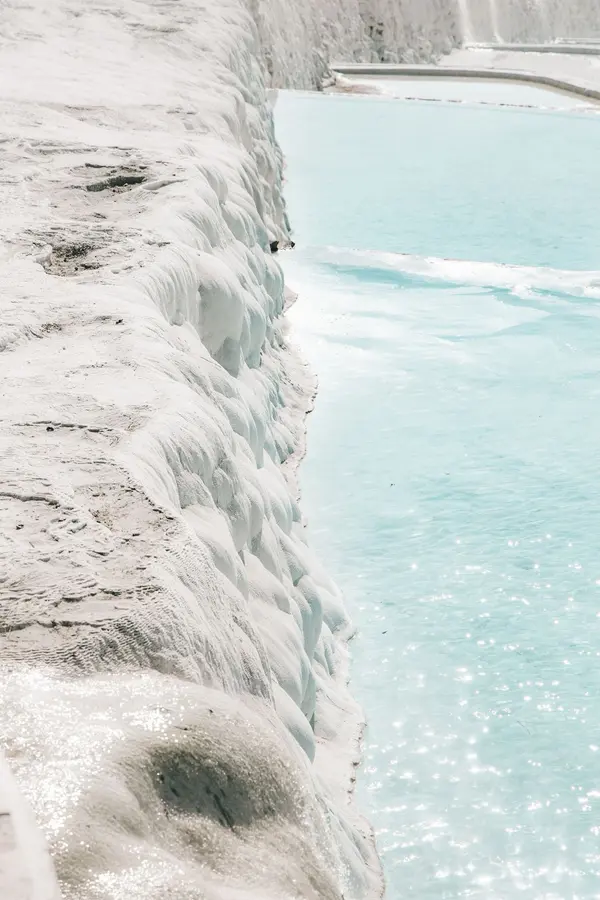
Wade barefoot through warm cascading water across brilliant white terraces that stretch nearly 2700 meters down the mountainside. Feel the same 35°C mineral waters that Roman emperors traveled to soak in for their health.
Quick facts: The calcium-rich waters here have been cascading for 14,000 years, slowly building brilliant white terraces that span nearly 2700 meters. Over 500,000 visitors shed their shoes each year to wade through the warm 35°C pools, just as Romans did 2,000 years ago.
Highlights: Walk barefoot across the brilliant white terraces while 35°C mineral water flows around your ankles, the same healing waters that drew Romans to build the spa city of Hierapolis above. The travertines actually grow about 1 centimeter every 4 years as fresh calcium carbonate deposits layer onto the existing pools.
2. Laodicea
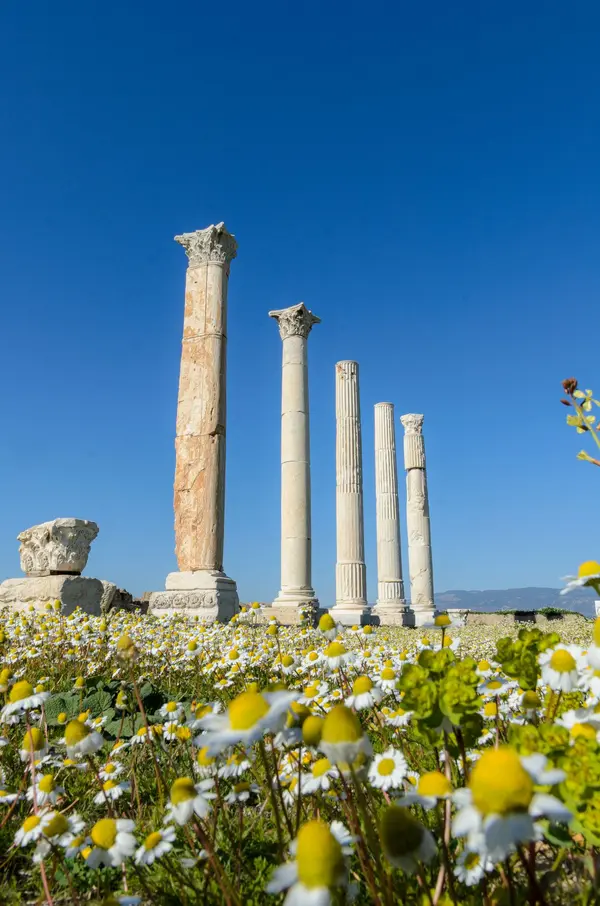
Stand where early Christians gathered in one of Revelation's seven churches. Explore colossal column-lined streets and a 15,000 seat stadium rising from the Lycus Valley.
Quick facts: One of the seven churches of Revelation, the congregation here received a famously stern letter about being "lukewarm" - a direct jab at their tepid water supply. This wealthy banking hub boasted two theaters, a 15,000-seat stadium, and some of the most impressive Roman water channels in Anatolia.
Highlights: The water system tells the story: hot springs from Hierapolis cooled to lukewarm by the time they reached Laodicea, inspiring that biblical "lukewarm" rebuke. Walk through the newly excavated nymphaeum where water once cascaded down three stories of ornate marble, and you'll see why this city was a Roman showpiece.
3. Cleopatra Antique Pool
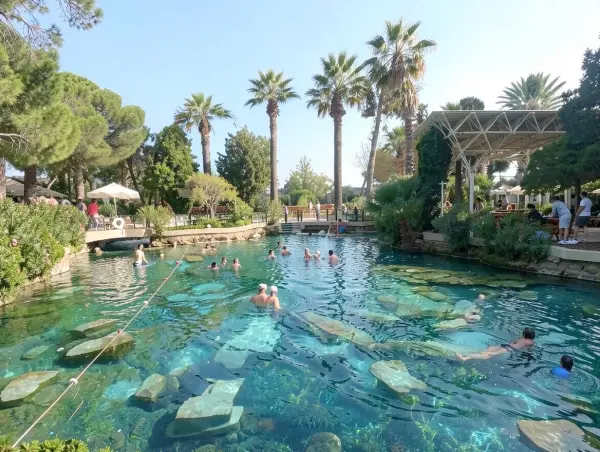
Swim through history in a thermal pool littered with genuine Roman columns and marble fragments. Wade among submerged 2,000-year-old ruins while warm mineral water bubbles around you.
Quick facts: Submerged Roman columns and marble fragments from an ancient earthquake lie scattered across the bottom of this thermal spring, creating an underwater archaeological site you can actually swim through. The mineral-rich waters stay at a constant 35°C (95°F) year-round, fed by the same geothermal source that created Pamukkale's brilliant white travertine terraces.
Highlights: A 4th-century earthquake toppled the columns of a Roman temple directly into this spring, and they've been soaking in the turquoise thermal waters ever since. You weave between these ancient marble relics while floating in carbonated water that leaves your skin silky smooth.
4. Denizli Ataturk Stadium
Catch a Denizlispor match here and feel the raw passion of Turkish football culture up close. You will hear the chants, smell the simit from street vendors, and stand shoulder to shoulder with some of the most dedicated fans in the country.
Quick facts: More than 18,000 fans pack the stands on match days, creating an electric atmosphere that echoes through the surrounding neighborhood. The stadium witnessed Denizlispor's remarkable run to the Turkish Cup final in 2004, their greatest achievement in club history.
Highlights: Few stadiums in Turkey offer views quite like this one: on clear days, the snow-capped peaks of the nearby mountains rise dramatically behind the stands. The roar of 18,000 passionate Denizlispor supporters creates such intense acoustics that visiting teams often cite the atmosphere as one of the most intimidating in Turkish football.
5. Hierapolis Archaeology Museum
Wander through a Roman bathhouse turned treasure vault, where 25 millennia of civilization unfold around you. Handle ancient coins in the interactive gallery, then stand face-to-face with marble gods frozen mid-stride.
Quick facts: Walking through a 2,000-year-old Roman bathhouse, you'll browse artifacts that span 25,000 years of human history. The collection includes a sarcophagus with the oldest known depiction of a water mill, a revolutionary invention from the 3rd century AD.
Highlights: The museum's courtyard holds a row of intricately carved sarcophagi, but one stands out: the "Sarcophagus of the Weeping Women" features 18 mourning figures so lifelike you can almost hear their wails echoing through the stone. Each woman's face carries a distinct expression of grief, carved with a level of emotion rarely seen in ancient funerary art.
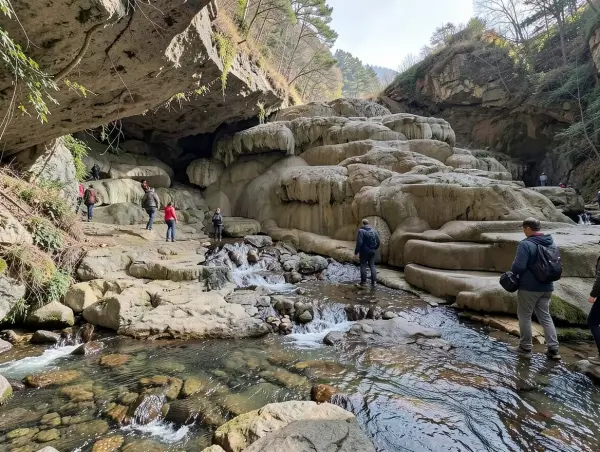
6. Kaklik Cave
A miniature underground version of Pamukkale with the same milky-blue thermal pools and travertine terraces, but without the crowds. Walk through caverns filled with warm, mineral-rich water as natural light streams through the collapsed ceiling above.
Quick facts: Thousands of years of mineral-rich water flowing through the cave created dazzling white travertine terraces that mirror Pamukkale's formations, but tucked underground. Warm 35°C thermal water fills shallow pools where visitors can wade barefoot through the calcium-laden waters.
Highlights: Unlike Pamukkale's sprawling open-air terraces, these formations developed entirely underground, creating a cathedral-like chamber of frozen white stone. Sunlight filtering through collapsed sections of the ceiling illuminates the turquoise pools in an ever-changing light show that shifts with the day.
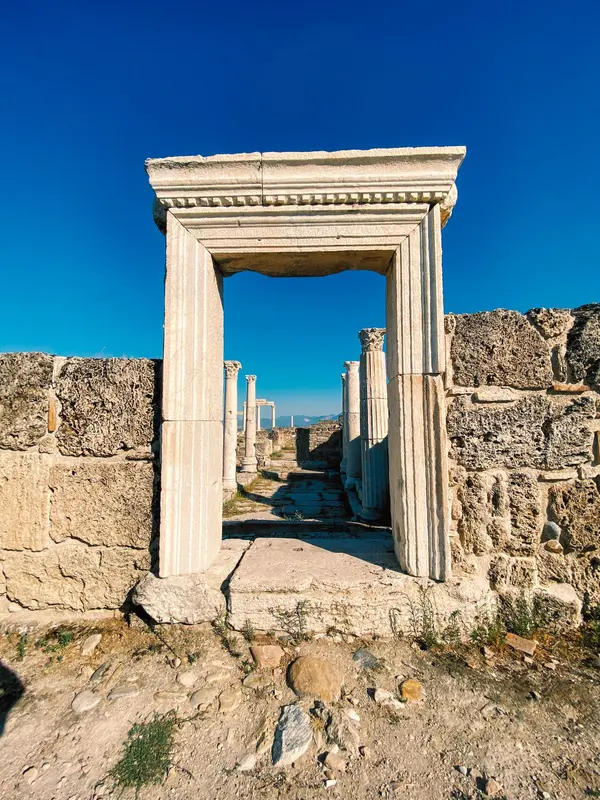
7. Tripolis Ancient City
Watch an ancient city being unearthed before your eyes as ongoing excavations reveal new wonders. Stroll through Roman streets past a massive theater and imagine the bustling life of a forgotten metropolis.
Quick facts: The city earned its name meaning "three cities," possibly from the three communities that founded it. Archaeologists have uncovered a massive 12,000-seat theater and a Roman bath complex with colorful mosaic floors still in excellent condition.
Highlights: Only about 10% of this sprawling settlement has been excavated, meaning visitors walk along ancient streets where discoveries happen regularly. Picture standing on a Roman road surrounded by half-buried columns while archaeologists work just meters away, slowly revealing a city that was home to thousands.
Where to Stay in Denizli, Turkey
Selected by City Buddy based on guest reviews and proximity to top attractions
Search all hotels in Denizli, TurkeyPowered by agoda
Opening days in Denizli, Turkey
Which of the top sights close on which day of the week — the classic trip-ruiner, checked for you.
Good news: all 6 top sights with known hours are open every day of the week.
Closed on Monday · 0 closed, 6 open
Nothing closes on Monday — all 6 sights with known hours are open.
Opening days from Google Maps (checked 2026-06-26). Public holidays, strikes and seasonal hours can differ — check the official website before you go.
Frequently Asked Questions about Denizli, Turkey
Is Denizli, Turkey safe?
How many days in Denizli, Turkey?
Best time to visit Denizli, Turkey?
Is Denizli, Turkey expensive?
How to get around Denizli, Turkey?
Get a PDF with the most popular attractions sent to your email
Get a PDF with all attractions, ratings, and tips. Perfect for offline use.
Most popular day trips
Pamukkale & Hierapolis
White travertine terraces and ancient Roman spa city ruins
Laodicea
Well-preserved ancient Lycian city with a large stadium
Karahayit
Less crowded red travertine hot springs near Pamukkale
Getting there
Airports
Train stations
Izmir, Ankara, and other major Turkish cities via TCDD
From Denizli airport, take the Havaş shuttle bus or a taxi to the city center (about 45 minutes). Trains run from Izmir (4h) and other cities.
Want a day-by-day plan for Denizli, Turkey? Open the trip planner
Plan your perfect trip to Denizli, Turkey
Get a complete travel plan built just for you in under 30 seconds, with daily routes, local food tips, budget estimates and more.
Are any of these especially important to you?
Select all that apply
Getting around
How do you want to move between places?
Plan language: English