 CityBuddy
 English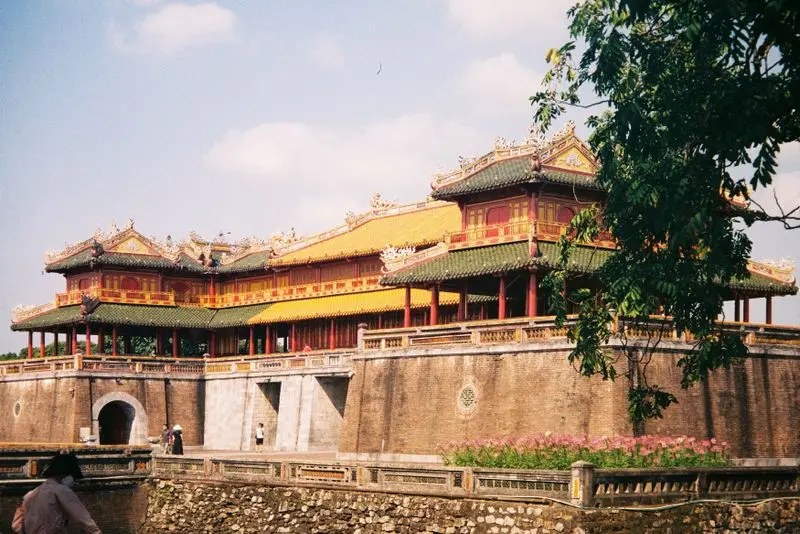
Things to Do in Huế, Vietnam
Photo made by Nguyen Trung Hieu on Pexels.com
When to visit
Most popular attractions in Huế, Vietnam
If you are looking for the best things to do in Hue, Vietnam, start at the majestic 19th-century Imperial City (Dai Noi), whose grounds span 520 hectares. Next visit the peaceful Thien Mu Pagoda, towering 21 meters above the Perfume River. Finally admire the lavish Tomb of Khai Dinh, decorated with porcelain and glass mosaics.
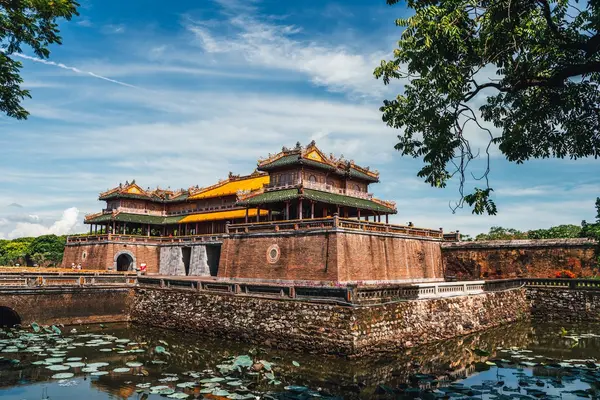
1. Imperial City (Đại Nội)
Đại Nội
You walk through a gate once walked by emperors, and find yourself in the heart of Vietnamese history. Purple walls, golden pagodas and a quiet courtyard transport you to the times of the Nguyễn dynasty.
Quick facts: The Imperial City complex covers an area of over 520 hectares and is surrounded by a 10-kilometer-long stone defensive wall. Inside there are more than 100 structures including gates, palaces and temples, many of which bear bullet marks from the war conflicts of the 20th century.
Highlights: Under the stone walls of the Imperial City, dozens of lanterns are lit every evening and locals come here to practice tai chi, while the sound of frogs croaking comes from the flooded gardens. The fact is that restorers during repairs came across original paintings from the 19th century hidden under layers of plaster, and some of them can be seen today in their original form.
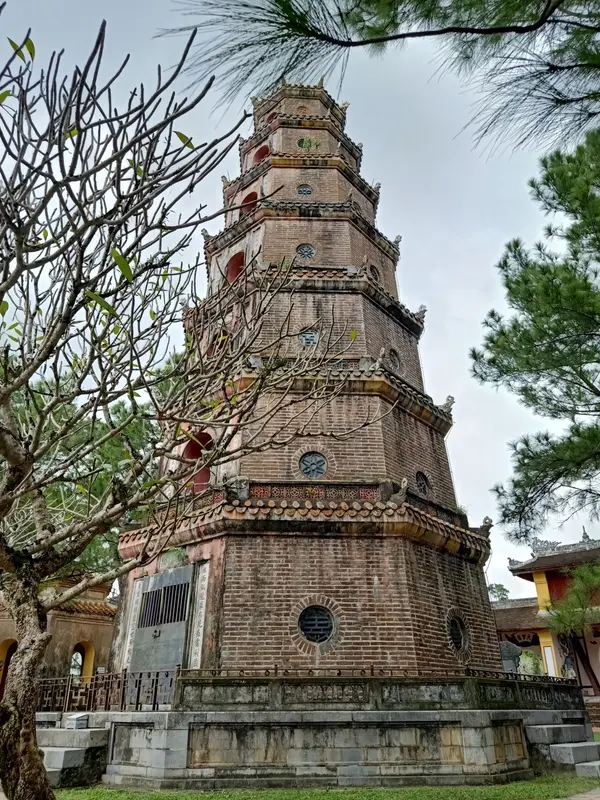
2. Thien Mu Pagoda
A peaceful oasis above the river, where spiritual atmosphere blends with breathtaking views. You will hear the rustling of prayer flags and smell the scent of incense drifting through centuries-old walls.
Quick facts: The seven-story tower, 21 meters high, rises above the Perfume River and has become a symbol of the entire city. Legends say that the pagoda was built on a spot where a celestial dragon appeared to an old woman.
Highlights: Inside the pagoda you will find a giant bronze bell weighing over two tons, whose sound is said to carry up to 10 kilometers along the river. Monks used to ring it during important ceremonies and the entire area would tremble in deep resonance.
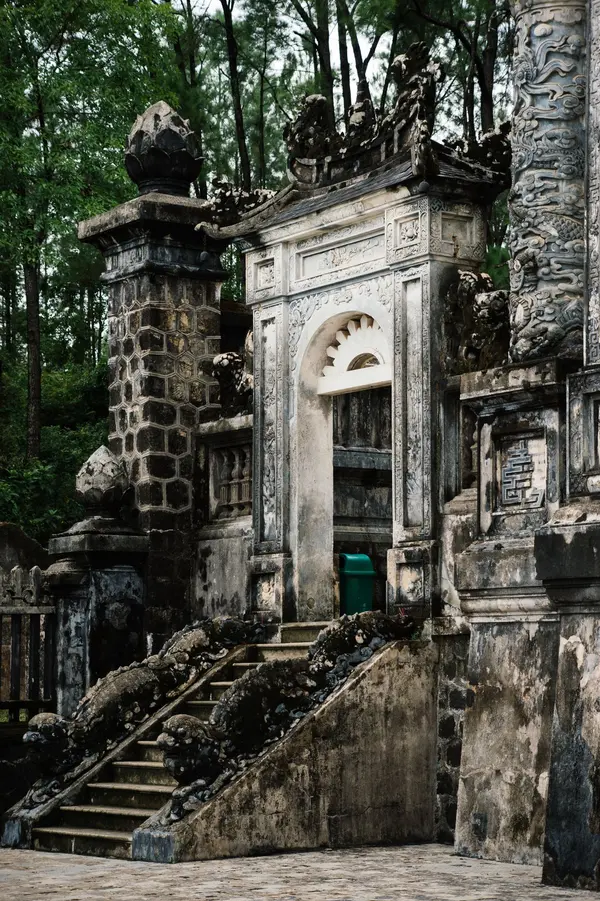
3. Tomb of Khai Dinh
The only tomb in Hue that looks like a Gothic-Asian palace. You walk through dark corridors to a hall with a concrete sky above your head.
Quick facts: Over 10,000 workers labored on the construction of Emperor Khai Dinh's tomb, but it was only completed after his death in 1925. Inside you will find a remarkable mosaic of ceramics and glass that covers the walls and ceiling, made up of hundreds of thousands of pieces.
Highlights: What will impress you the most is the concrete ceiling in the main hall: up close it is entirely covered with painted scenes of nine-dragon clouds that look like a 3D fresco. Khai Dinh insisted on a blend of traditional Vietnamese and French Gothic architecture, which makes this structure a completely unique spectacle in all of Hue.
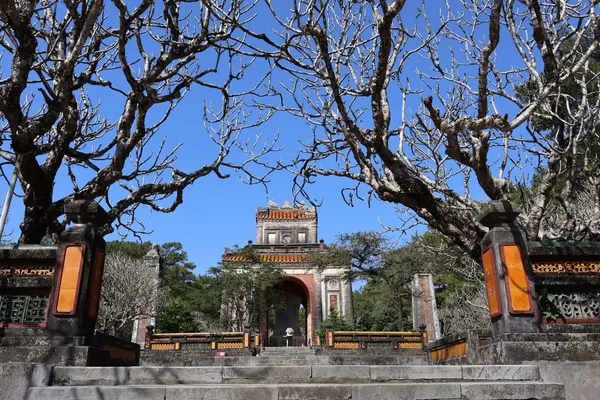
4. Tomb of Minh Mang
A massive stone complex amid pine forests tells the story of power and impermanence of one emperor. You walk through gates, bridges and courtyards to a mysterious bronze urn where the past touches the present.
Quick facts: Emperor Minh Mang designed this burial site during his own lifetime and personally supervised the construction, yet he was only buried here after his death in 1841. The complex covers 18 hectares of land and includes 40 different structures that symbolically connect Chinese geomancy with Vietnamese imperial tradition.
Highlights: When you enter through the Dai Hong gate, a 300-meter-long lake, Nhà Nguyệt, opens before you, its calm surface perfectly reflecting the surrounding pine trees and stone bridges. The entire composition of the tomb follows a strict east-west axis, so that at sunset the sun disk sets precisely behind the emperor's sarcophagus.
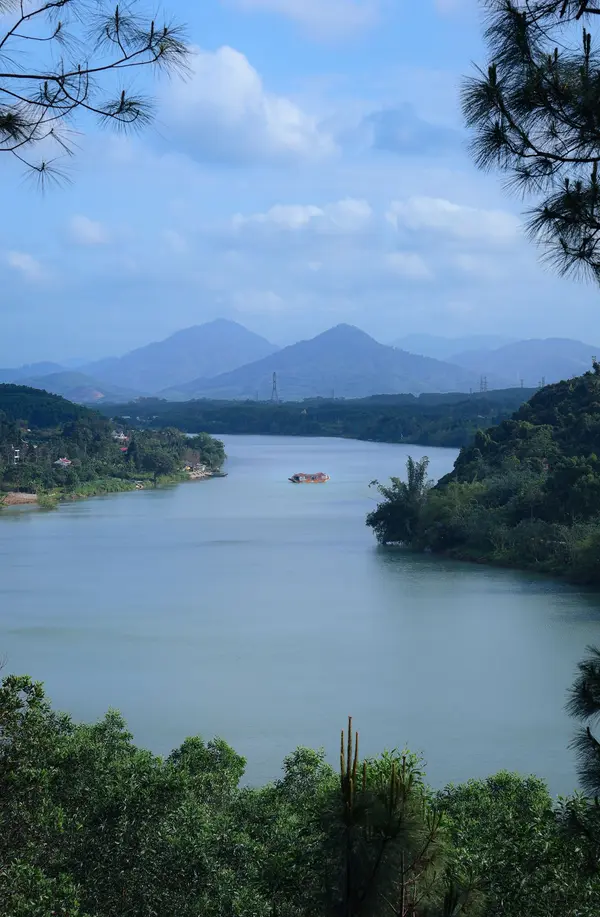
5. Perfume River
Sail through history on a boat between ancient pagodas and tropical greenery. In the evening, the magical lights of lanterns reflecting on the dark water will enchant you.
Quick facts: The river, 80 kilometers long, flows through the imperial city and empties into the South China Sea. Every year over 4 million visitors come here to experience its peaceful atmosphere.
Highlights: It once served as a transportation artery for royal fleets and traditional lantern festivals are still held on its banks today. During the full moon, the surface shimmers with hundreds of small floating candles that locals release downstream as wishes for good luck.
6. Dong Ba Market
Want to taste the real Hue? This is where the city lives. Walk among hundreds of stalls, try the bún bò soup and let yourself be carried away by the scent of cinnamon and lemongrass.
Quick facts: Every day over 3,000 portions of the famous soup bun bo Hue are sold here, which locals consider the best in the city. The market offers over 1,500 stalls divided into sections according to goods, from fresh seafood to hand-embroidered silk scarves.
Highlights: In the back part of the market you will find grandmothers who still hand-carve betel nuts into the shape of flowers for traditional wedding ceremonies, a skill passed down from generation to generation. The entire process takes only a few minutes and the resulting ornaments look like small works of art.
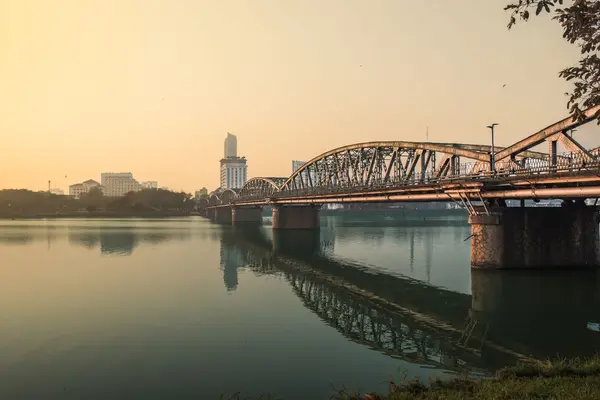
7. Trang Tien Bridge
No other bridge in Southeast Asia turns into a seven-color rainbow over the water at night. Walk across it at dusk, when the historic city reflects in the calm river surface.
Quick facts: Every evening the bridge lights up in seven alternating colors, attracting over 10 thousand visitors daily to walk along its 402 meters. Dozens of cruise boats glide under its arches, offering views of the illuminated city from the Huong River.
Highlights: During the Vietnam War, the bridge was bombed twice and each time the local residents rebuilt it with their own hands from the original materials pulled out of the river. At night, young couples gather on the bridge to share their first kiss in the glow of colorful lights, locals call it the "bridge of lovers".
Where to Stay in Huế, Vietnam
Selected by City Buddy based on guest reviews and proximity to top attractions
Search all hotels in Huế, VietnamPowered by agoda
Opening days in Huế, Vietnam
Which of the top sights close on which day of the week — the classic trip-ruiner, checked for you.
Good news: all 5 top sights with known hours are open every day of the week.
Closed on Monday · 0 closed, 5 open
Nothing closes on Monday — all 5 sights with known hours are open.
Opening days from Google Maps (checked 2026-06-14). Public holidays, strikes and seasonal hours can differ — check the official website before you go.
Traditional Sweet Dishes
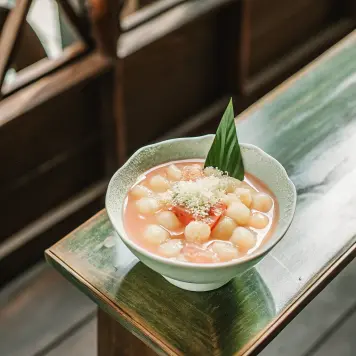
Chè Hạt Sen (Lotus Seed Sweet Soup)
This delicate dessert features tender lotus seeds from the Perfume River region. The lotus seeds are believed to have calming properties and are often served during Huế's royal festivals.
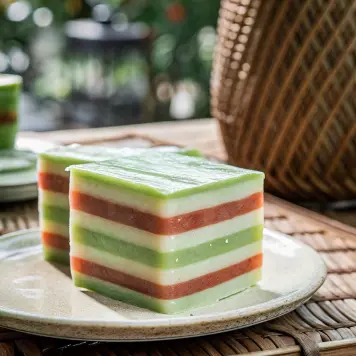
Bánh Da Lợn (Steamed Layer Cake)
This colorful layered dessert is made from tapioca flour, coconut milk, and pandan or mung bean. Each vibrant layer is steamed one at a time, creating a beautiful striped appearance.
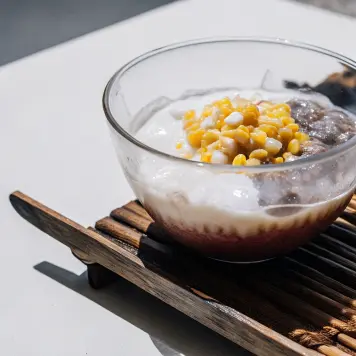
Chè Bắp (Corn Sweet Soup)
A creamy and aromatic dessert made from young corn, coconut milk, and tapioca pearls. It is a beloved street food treat in Huế and is often enjoyed warm on cool evenings.
Traditional Savory Dishes
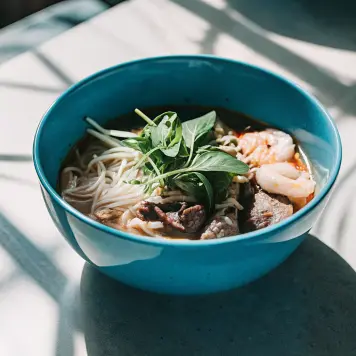
Bún Bò Huế (Huế-Style Beef Noodle Soup)
This iconic spicy beef noodle soup is the signature dish of Huế, known for its rich, lemongrass-infused broth and deep red color from annatto seeds. It is often considered the rival of Vietnam's other famous noodle soup, phở.
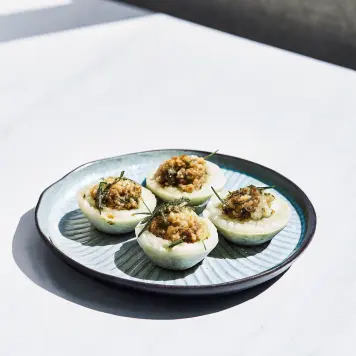
Bánh Bèo (Water Fern Cake)
These tiny, saucer-shaped steamed rice cakes are topped with minced shrimp, crispy pork skin, and scallion oil. They were originally served in the royal court of the Nguyễn Dynasty as elegant appetizers.
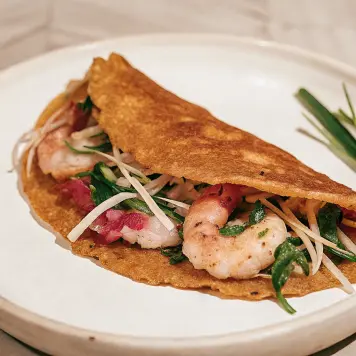
Bánh Khoái (Huế-Style Crispy Pancake)
Similar to bánh xèo but smaller and thicker, this crispy golden pancake is stuffed with shrimp, pork, and bean sprouts. It gets its name from the sizzling sound it makes when poured onto the hot pan.
Traditional Beverages
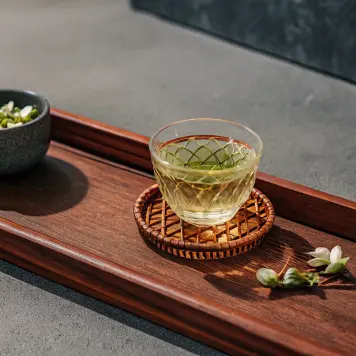
Trà Sen (Lotus Tea)
Huế is famous for its lotus-scented tea, made by layering green tea leaves with fresh lotus petals overnight. The tea absorbs the flower's fragrance and was once reserved exclusively for Vietnamese royalty.
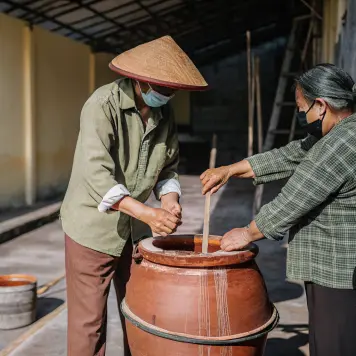
Rượu Cần (Straw Wine)
This traditional fermented rice wine is drunk through long bamboo straws from a large communal jar. It is associated with the ethnic minority groups of the Central Highlands near Huế and is a staple at festivals and celebrations.
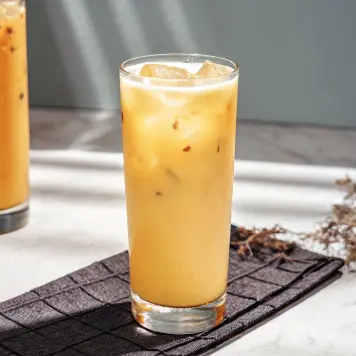
Nước Sâm (Herbal Cooling Drink)
A sweet, dark herbal tea made from various medicinal roots and plants, this drink is believed to cool the body and improve digestion. It is especially popular in Huế's hot and humid climate.
Frequently Asked Questions about Huế, Vietnam
Is Huế, Vietnam safe?
How many days to spend in Huế, Vietnam?
When is the best time to visit Huế, Vietnam?
Is Huế, Vietnam expensive?
How to get around Huế, Vietnam?
Get a PDF with the most popular attractions sent to your email
Get a PDF with all attractions, ratings, and tips. Perfect for offline use.
Most popular day trips
Hội An
Ancient charming town with lantern-lit streets and historic architecture
Đà Nẵng
Vibrant coastal city with beaches and the Marble Mountains
Phong Nha Ke Bang National Park
UNESCO site with stunning caves and karst landscapes
Lang Co Beach
Beautiful white sand beach between mountains and lagoon
My Son Sanctuary
Ancient Hindu temple complex from the Champa Kingdom
Getting there
Airports
Train stations
North-South Reunification Express Line connecting Hanoi and Ho Chi Minh City
From Phu Bai Airport, taxis and shuttle buses take about 30 minutes to reach Huế city center. The train station is centrally located.
Useful information for Huế, Vietnam
Overview for Huế, Vietnam
Want a day-by-day plan for Huế, Vietnam? Open the trip planner
Plan your perfect trip to Huế, Vietnam
Get a complete travel plan built just for you in under 30 seconds, with daily routes, local food tips, budget estimates and more.
Are any of these especially important to you?
Select all that apply
Getting around
How do you want to move between places?
Plan language: English