 CityBuddy
 English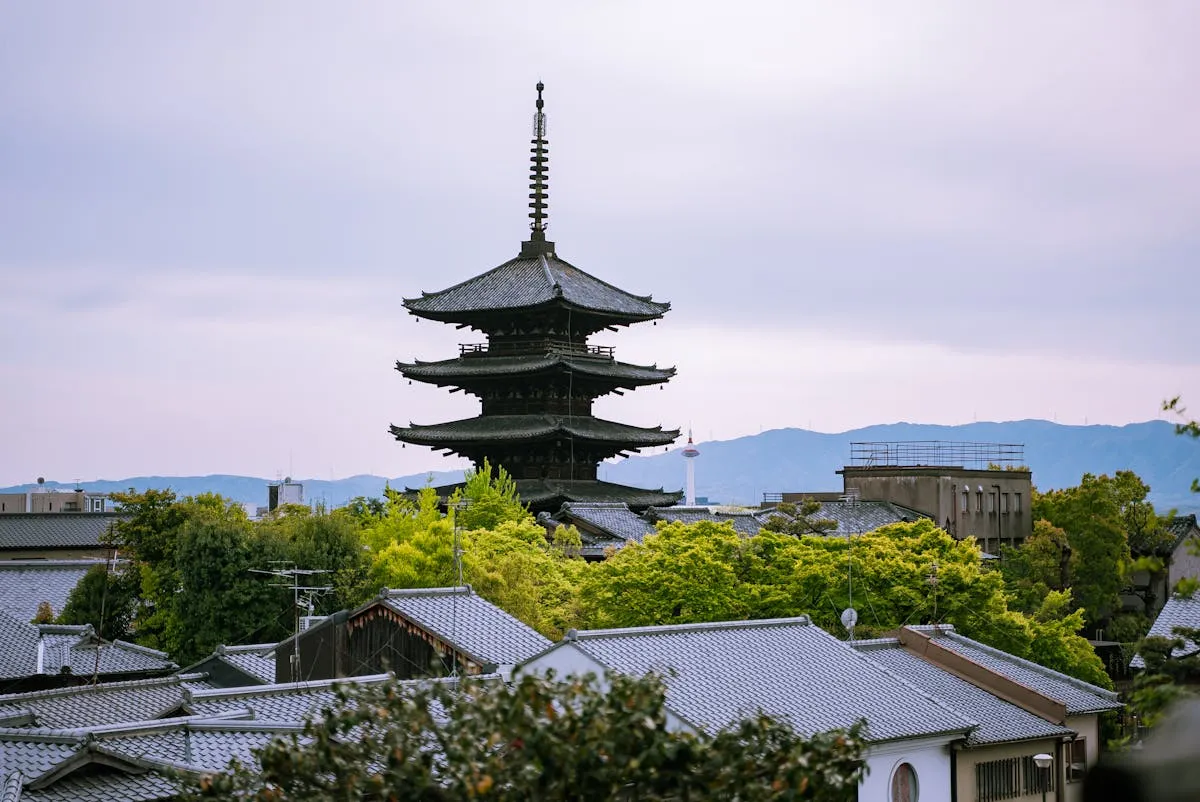

Kyoto vs Tokyo: which should you visit in 2026?
Prices, safety, weather, nightlife and the top attractions of Kyoto and Tokyo side by side, plus a verdict for every kind of traveler.
Our verdict
Kyoto and Tokyo both offer exceptional food and easy public transit, but they suit different travelers. Pick Kyoto for a calmer, more traditional experience with cheaper costs: hotels run $60 per night and restaurant meals are $8, with nature access rated 8/10 and a 9/10 safety score. Pick Tokyo for bigger-city energy, a 7/10 nightlife score, and warmer welcome to foreigners at 7/10. Families and couples may prefer Kyoto's pace and value.
KyotoKyoto leads in 9 of 19 categories
Kyoto vs Tokyo at a glance
marks the better value in each row (lower prices, higher scores, fewer crowds).
Which is better for you?
Couples
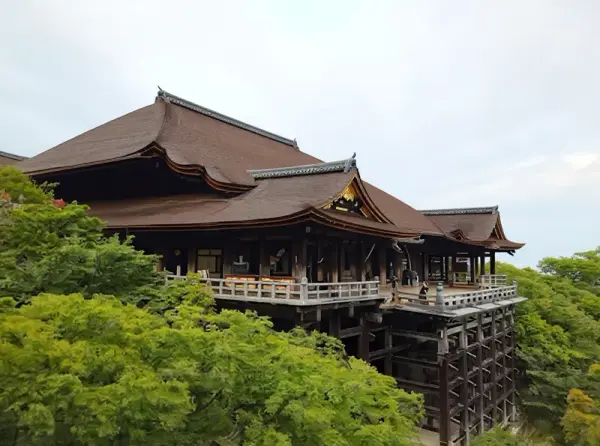
Pick KyotoPick Kyoto if you want romantic temples like Kiyomizu-dera and quieter evenings at a lower cost with hotels at $60 per night. Pick Tokyo if you prefer city lights and more nightlife options at 7/10 for a lively date scene.
Families with kids
Pick KyotoPick Kyoto if budget matters, since meals cost $8 and hotels run $60 per night, leaving more for family activities. Pick Tokyo if your kids want big attractions like Tokyo Skytree or teamLab Planets, which offer more child-friendly variety.
Budget travelers
Pick KyotoPick Kyoto if you want to stretch every dollar: a $40 daily backpacker budget, $8 meals, and $60 hotels make it the clear value pick. Pick Tokyo if you accept $50 daily costs and $15 meals in exchange for more urban energy.
Nightlife
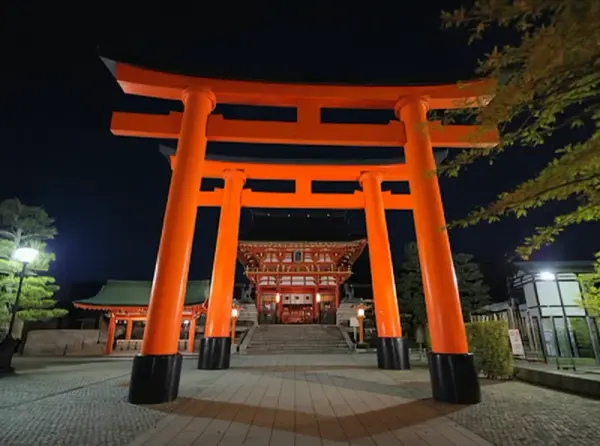
Pick TokyoPick Tokyo if nightlife matters most, with a 7/10 score versus Kyoto's 5/10. Pick Kyoto only if you prefer quiet evenings and early mornings for temple visits like Fushimi Inari Taisha before the crowds arrive.
Culture & history
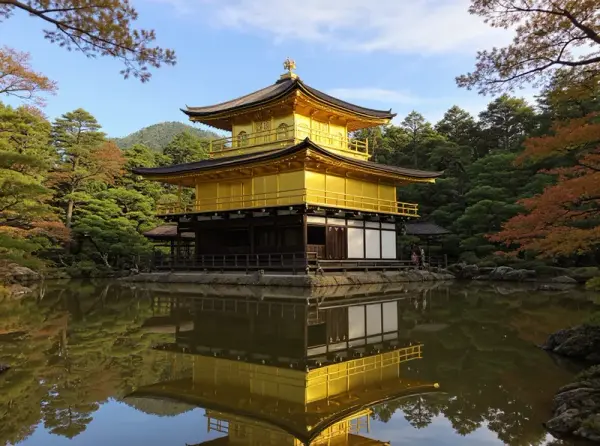
Pick KyotoPick Kyoto for deep traditional culture: Kinkaku-ji's gold-leaf temple, Nijo Castle, and Fushimi Inari's torii gates, all concentrated in one walkable city. Pick Tokyo for modern culture and museums, though its traditional sites like Senso-ji are fewer in number.
Beaches & nature
Pick KyotoPick Kyoto for nature access rated 8/10 versus Tokyo's 6/10, with hillside temples and mountain shrines like Fushimi Inari offering green escapes. Pick Tokyo only if you need urban convenience over outdoor immersion, since its parks are more limited.
Top attractions compared
Top things to do in Tokyo
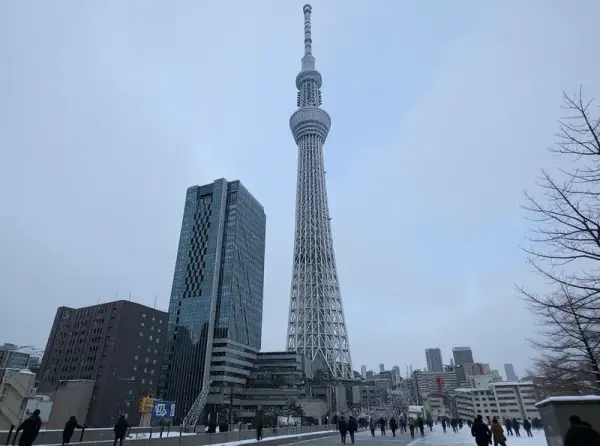 1. Tokyo Skytree
4.4 (111,965)
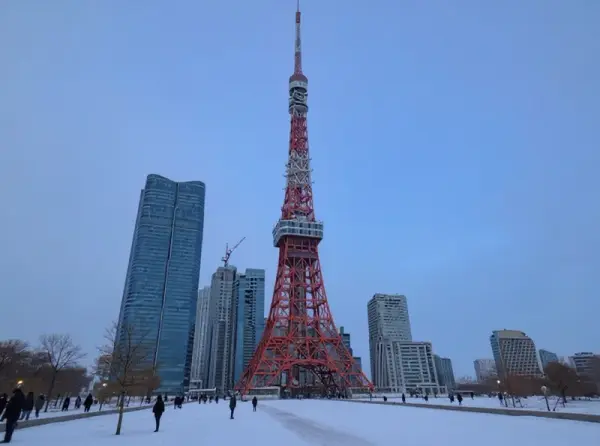 2. Tokyo Tower
4.5 (93,542)
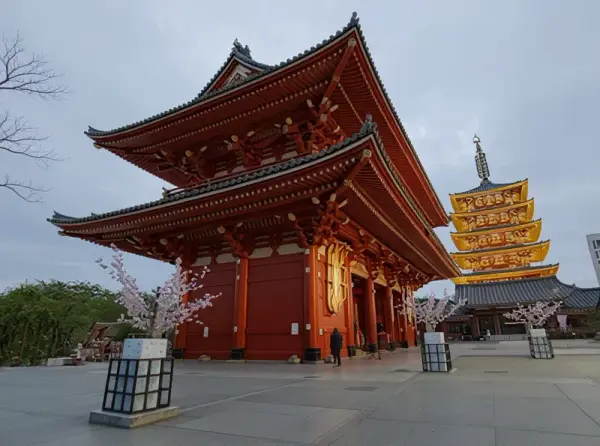 3. Senso-ji Temple
4.5 (91,592)
Can you visit both?
Kyoto and Tokyo are about 365 km apart
Kyoto and Tokyo are 365 km apart, too far for a comfortable day trip but ideal as a two-base trip. Split your stay between both cities and travel between them by the well-known high-speed rail connection, which is the standard way. This works best with several nights in each location.
Where to stay
Kyoto
553 well-reviewed hotels near the center, average guest score 8.8/10
Hotels from about $60 per night
Hotels in KyotoTokyo
212 well-reviewed hotels near the center, average guest score 8.4/10
Hotels from about $80 per night
Hotels in TokyoTours & tickets
Frequently asked questions
Is Kyoto or Tokyo cheaper?
Kyoto is clearly cheaper. Hotels average $60 per night versus $80 in Tokyo, restaurant meals cost $8 versus $15, and a backpacker daily budget runs $40 versus $50. Even a mid-range traveler spends less in Kyoto at $120 per day.
Which city is better for travelers worried about crowds?
Kyoto, but with a catch. It sees 53 million tourists per year against a 1.5 million population, a 35.9x ratio, with three very busy months. Tokyo hosts 15 million tourists against 14 million residents, only a 1.1x ratio and one busy month.
Can you visit both Kyoto and Tokyo in one trip?
Yes. The cities sit about 365 km apart, which makes a two-base trip practical. You would need a night each way given the distance, so a true day trip would be rushed. Many travelers spend several days in each city using high-speed rail.
Which city is better in summer or winter?
Both are best visited in March, April, October, or November. In summer, Kyoto averages 26.3°C and Tokyo 25°C, so they feel similar. In winter, Kyoto sits at 6°C and Tokyo at 6.3°C, again nearly identical. Seasonal differences are minimal.