Arrive early to avoid crowds and enjoy street snacks.
Interactive aquarium ideal for kids with rest areas.
Buy tickets in advance and explore the observation deck.
Relax by the river, great for kids to run around after indoor activities.
 CityBuddy
 English
An engaging 5-day family trip across Japan featuring kid-friendly parks, iconic landmarks, interactive museums, and scenic nature visits with practical travel tips for families.
An engaging 5-day family trip across Japan featuring kid-friendly parks, iconic landmarks, interactive museums, and scenic nature visits with practical travel tips for families.
Book a FREE walking tour in Japan
Free walking tours. Yes, actually free. No credit card needed. No catch.
Base yourselves in Tokyo and Osaka to keep transfers short for the kids. In Tokyo, the Tokyo Metro Ginza Line links Asakusa, where Senso-ji, Sumida Park, and the Skytree are walkable stops. For Kyoto, take the Shinkansen from Tokyo Station (about 2.5 hours) and use JR Nara Line trains to reach Fushimi Inari and Nara Park, while walking is best within the historic centre. Osaka Castle and Kids Plaza are served by the Osaka Metro Chuo Line. Himeji is a 30-minute JR train from Osaka, and Miyajima requires a JR train plus a 10-minute ferry. Mount Fuji day trips work best by bus from Tokyo or Osaka, about 2 to 3 hours each way. For tired feet, JapanTaxi, Uber, or DiDi cost roughly $1.2 per kilometer.
$495Trip total · $99 per day
Average daily costs for mid-range family travel including accommodation, food, transport, activities.
Arrive early to avoid crowds and enjoy street snacks.
Interactive aquarium ideal for kids with rest areas.
Buy tickets in advance and explore the observation deck.
Relax by the river, great for kids to run around after indoor activities.
Go early to avoid crowds, kids enjoy walking through torii gates.
Stroller friendly paths and scenic views.
Interactive exhibits perfect for children and a nice break from temples.
Kids love interacting with deer, stroller friendly.
Elevator access available, large park surroundings for rest.
Hands-on museum for children with play areas.
Arrive early, stroller access at the base, partial lifts inside.
Peaceful garden stroll for kids to explore.
Historic village with farmhouses, suitable for a slow family walk.
Visit Fuji Five Lakes area for scenic views and rest stops.
Famous floating torii gate, short ferry ride, plenty of green spaces.
What to order in Japan, with a fun fact for each
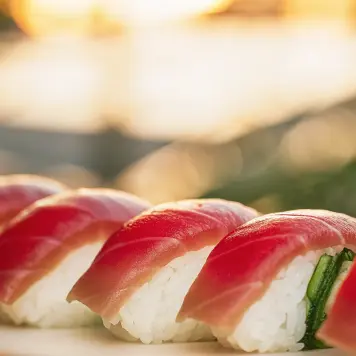
Sushi began as a method to preserve fish in fermented rice, and the hand-pressed nigiri style was invented in Edo in the early 19th century as fast street food.
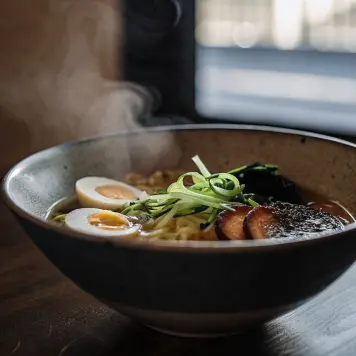
Ramen arrived from China and evolved into dozens of regional broths and noodle styles, and slurping loudly is both polite and helps bring the aroma to your nose.

Okonomiyaki literally means 'grill what you like', it is a customizable savory pancake that people often cook together on communal griddles in Osaka and Hiroshima.
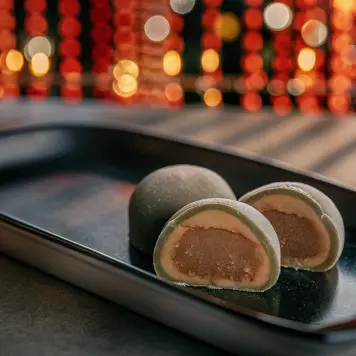
Mochi is made by pounding glutinous rice until it becomes a smooth, elastic mass, and the communal mochitsuki ceremony at New Year brings neighbors together to pound and shape it.
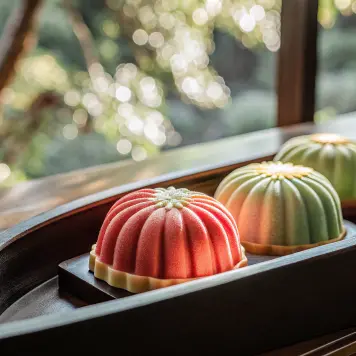
Wagashi are delicate confections crafted to reflect the season, their designs often mimic flowers, leaves and landscapes to complement tea ceremonies and moments of mindfulness.
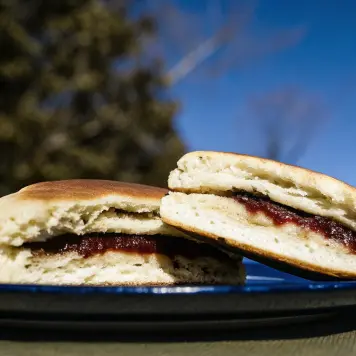
Dorayaki pairs two fluffy pancakes with sweet red bean paste, and its name 'dora' means gong after a legend that batter was once cooked on a discarded gong.
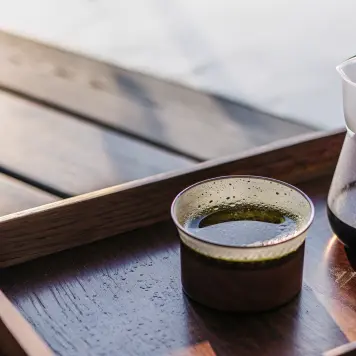
Green tea, especially powdered matcha used in tea ceremonies, contains L-theanine and caffeine that together promote calm alertness, and it became central to Zen practices.
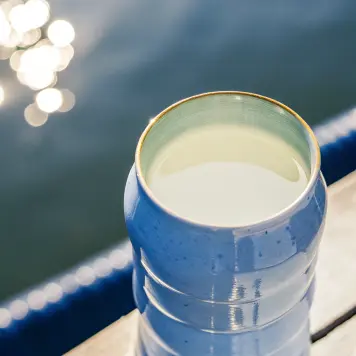
Sake is brewed with koji mold that converts rice starch into sugar, and it has been used in Shinto rituals for centuries as a sacred offering and celebratory drink.
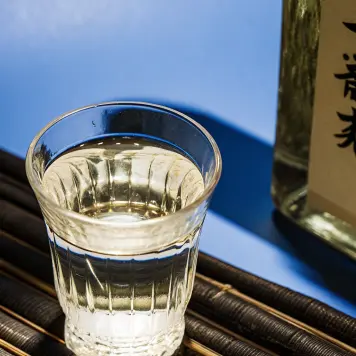
Shochu is a distilled spirit often around 25 percent alcohol by volume, and it can be made from ingredients like sweet potato, barley or rice giving each region a distinctive flavor.
Get your trip plan as a PDF with maps and a CSV spreadsheet.
Selected based on proximity to your itinerary attractions and guest reviews
Search all hotels in JapanPowered by agoda