City BuddyCityBuddy
English
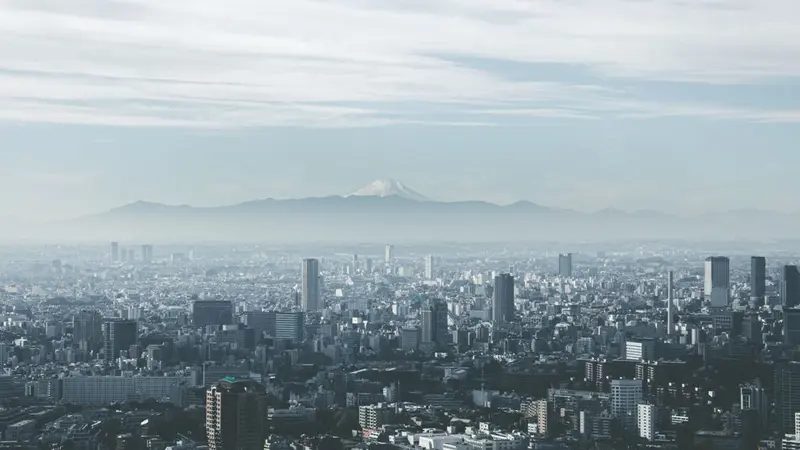
Panoramic view of Tokyo cityscape with Mount Fuji looming in the background, under cloudy skies.

11-Day Japan Spring Journey for Culture Seekers and Local Explorers

⚖️Balanced Mix🎒Budget Travel🏛️Culture & History💎Hidden Gems & Local Spots
11 daysspring

Dive deep into Japan's hidden gems, rich history, and authentic local scenes this spring with budget-friendly adventures and off-the-beaten-path experiences.

Our #1 travel tip

Book a FREE walking tour in Japan

Free walking tours. Yes, actually free. No credit card needed. No catch.

  • Local guide, 2-3 hours
  • 100% tip-based
  • You tip what feels right
Browse FREE walking toursAdrijana, founder of City Buddy

Loading

Getting around

Start in Tokyo, where the Tokyo Metro and JR Yamanote Line cover most sights, and walking is best around Asakusa and Sumida Park. Take the Tokaido Shinkansen from Tokyo Station to Kyoto (about 2.5 hours) for Days 3 and 4; local buses and walking serve Fushimi Inari and Kinkaku-ji. Day 5 is a day trip from Kyoto to Nara on the JR Nara Line (45 minutes). Continue by Shinkansen to Himeji (40 minutes), then on to Osaka for Day 7. From Osaka, take the JR Limited Express to Takayama (4 hours), then local buses to Shirakawa-go and back. Return via Shinkansen to Hiroshima, then the JR ferry (10 minutes) to Miyajima. Finish with trains and the Odakyu Line to Hakone for Mount Fuji views. Taxis via JapanTaxi or Uber run about $1.2 per kilometer if needed.

Budget Breakdown

$803Trip total · $73 per day

Where to stay tonight

Hostel in Asakusa (historic district with easy access to temples and local eateries) $30-50/night

Staying in Asakusa places you close to the day's activities and offers budget-friendly lodging amid a vibrant traditional atmosphere.

Search hotels in this area
Where to stay tonight

Hostel in Asakusa (historic neighborhood with easy access to central Tokyo) $40-60/night

Asakusa offers budget-friendly accommodation with easy access to Sumida Park, Tokyo Skytree, and local neighborhoods like Kuramae for dining.

Search hotels in this area

Where to stay tonight

Hostel in Central Kyoto (near Kyoto Station, convenient transit hub) $40-60/night

Staying close to Kyoto Station allows easy access to all city areas including Gion and Higashiyama, keeping transit times short and affordable for backpackers.

Search hotels in this area

Where to stay tonight

Hostel in Gion (historic district famous for geisha and traditional architecture) $30-50/night

Central location convenient for exploring the historical core and easy access to buses and trains for day trips to gardens and workshops.

Search hotels in this area

Where to stay tonight

Hostel in Naramachi (traditional merchant district with local shops and cafés) $30-50/night

This area balances proximity to Nara Park and the quiet charm suitable for exploring hidden spots and local hangouts on Day 5.

Search hotels in this area

Where to stay tonight

Hostel in Central Himeji (close to Himeji Station and city center) $30-50/night

Staying here offers easy access to Himeji Castle and transit to local markets and neighborhoods with budget-friendly hostels.

Search hotels in this area

Where to stay tonight

Hostel in Namba (central nightlife and shopping district) $25-40/night

Staying in Namba places you close to both Dotonbori and Shinsekai, perfect for exploring nightlife and historic sites.

Search hotels in this area

Where to stay tonight

Hostel in Sanmachi Suji (historic district with traditional wooden buildings) ¥4000-6000/night

Staying in the heart of the Old Town allows easy access to markets, hidden alleys, and museums for authentic local experiences.

Search hotels in this area

Where to stay tonight

Hostel in Takayama Old Town (historic district with easy access to rural areas) JPY 4000-5500/night

This area offers budget-friendly accommodations and authentic local ambiance with quick access to Shirakawa-go by bus the next morning, ideal for backpackers.

Search hotels in this area

Where to stay tonight

Hostel in Miyajima (small island known for Itsukushima Shrine) $30-50/night

Close proximity to the shrine and hiking trails supports restful nights after active days.

Search hotels in this area

Where to stay tonight

Hostel in Hakone Yumoto (gateway area for Hakone with budget accommodation and local eateries) $30-50/night

Central for access to Mount Fuji views, easy transport links, and affordable for backpackers.

Search hotels in this area

Must-try traditional foods & drinks

What to order in Japan, with a fun fact for each

Traditional Savory Dishes

Sushi

Sushi

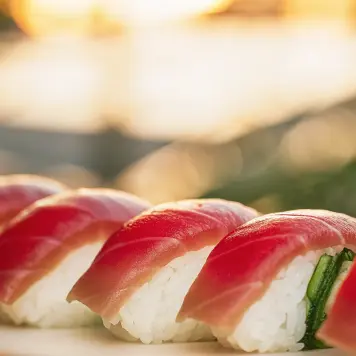
Sushi began as a method to preserve fish in fermented rice, and the hand-pressed nigiri style was invented in Edo in the early 19th century as fast street food.

Ramen

Ramen

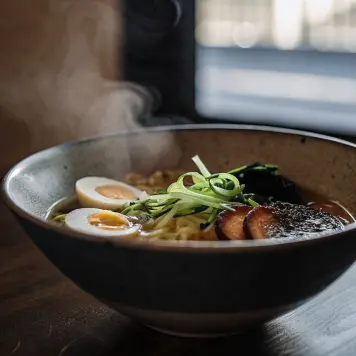
Ramen arrived from China and evolved into dozens of regional broths and noodle styles, and slurping loudly is both polite and helps bring the aroma to your nose.

Okonomiyaki

Okonomiyaki

Okonomiyaki literally means 'grill what you like', it is a customizable savory pancake that people often cook together on communal griddles in Osaka and Hiroshima.

Traditional Sweet Dishes

Mochi

Mochi

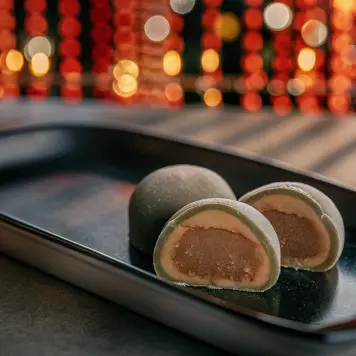
Mochi is made by pounding glutinous rice until it becomes a smooth, elastic mass, and the communal mochitsuki ceremony at New Year brings neighbors together to pound and shape it.

Wagashi

Wagashi

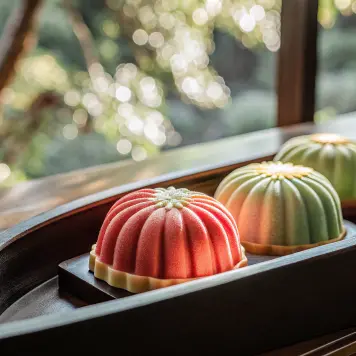
Wagashi are delicate confections crafted to reflect the season, their designs often mimic flowers, leaves and landscapes to complement tea ceremonies and moments of mindfulness.

Dorayaki

Dorayaki

Dorayaki pairs two fluffy pancakes with sweet red bean paste, and its name 'dora' means gong after a legend that batter was once cooked on a discarded gong.

Traditional Beverages

Green tea

Green tea

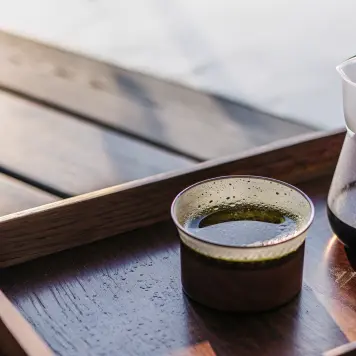
Green tea, especially powdered matcha used in tea ceremonies, contains L-theanine and caffeine that together promote calm alertness, and it became central to Zen practices.

Sake

Sake

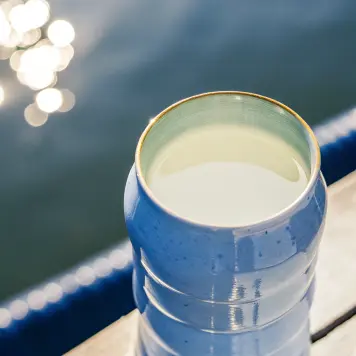
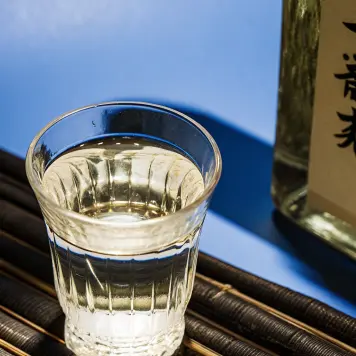
Sake is brewed with koji mold that converts rice starch into sugar, and it has been used in Shinto rituals for centuries as a sacred offering and celebratory drink.

Shochu

Shochu

Shochu is a distilled spirit often around 25 percent alcohol by volume, and it can be made from ingredients like sweet potato, barley or rice giving each region a distinctive flavor.

Export Your Trip

Get your trip plan as a PDF with maps and a CSV spreadsheet.

Download PDF

Selected based on proximity to your itinerary attractions and guest reviews

Search all hotels in Japan

Powered by agoda

Create another trip plan