City BuddyCityBuddy
English
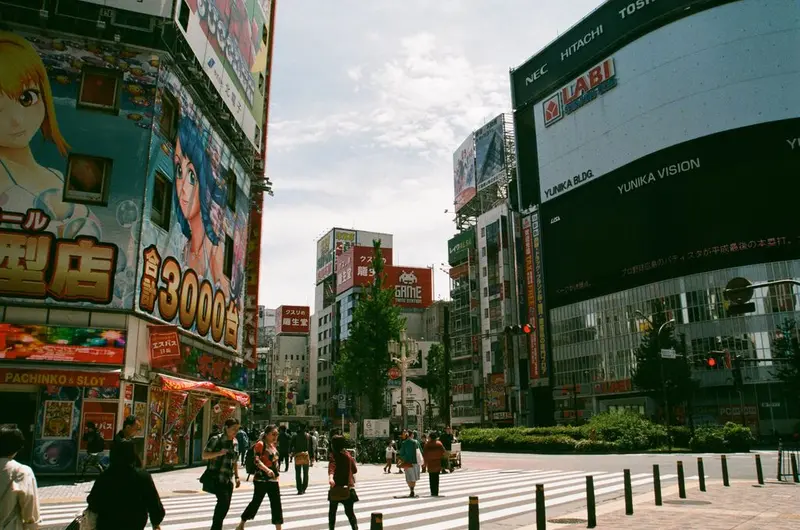
Bustling urban street in Shinjuku, Tokyo showcasing Japanese culture and vibrant billboards.

10-Day Spring Adventure in Tokyo, Kamakura, Hakone & Osaka

Tokyo & Kamakura & Hakone & Osaka⚖️Balanced Mix
10 daysspring

Experience the best of Japan's vibrant cities, historic towns, and natural beauty this spring with a perfect blend of culture, nature, and modern attractions.

Our #1 travel tip

Book a FREE walking tour in Tokyo, Japan

Free walking tours. Yes, actually free. No credit card needed. No catch.

  • Local guide, 2-3 hours
  • 100% tip-based
  • You tip what feels right
Browse FREE walking toursAdrijana, founder of City Buddy

Loading

Budget Breakdown

$1,250Trip total · $125 per day

Where to stay tonight

Hotel in Asakusa (historic district near Senso-ji Temple) ¥8000-¥10000/night

Close to major attractions for easy access and local atmosphere.

Search hotels in this area
Where to stay tonight

Hotel in Shinjuku (bustling commercial and transport hub with easy access to metro and JR lines) $70-90/night

Perfect for this day’s activities with direct transit connections to Harajuku and Toyosu plus lively nightlife.

Search hotels in this area

Where to stay tonight

Hotel in Kamakura (historic city with temples and beaches) $70-90/night

This area places you close to the next day's temple visits and offers a peaceful seaside atmosphere.

Search hotels in this area
Train1 hour

Take the JR Yokosuka Line from Kamakura Station to arrive at historic temples in the Kamakura area for Day 4. Booking tickets is usually not required, but check schedules in advance.

Where to stay tonight

Hotel in Kamakura Station area (central and convenient for temple visits) ¥7000-9000/night

Staying near Kamakura Station puts you close to all major sights and offers easy transport back to Tokyo or onward travel.

Search hotels in this area

Where to stay tonight

Hotel in Kamakura Station area (central location near temples and dining) ¥7000-9000/night

Staying near Kamakura Station offers easy access to temples, hiking trails, and local eateries for convenience on this nature and spiritual sites day.

Search hotels in this area

Where to stay tonight

Hotel in Hakone-Yumoto (gateway area to Hakone on local rail line) $70-90/night

Close to Hakone's nature and art sites for the next day, with many mid-range hotels and easy transport access.

Search hotels in this area
Bus30 minutes

Take a Hakone Tozan bus from Hakone-Yumoto to scenic spots in Hakone for Day 7. Buy tickets at the station or use an IC card for convenience.

Where to stay tonight

Hotel in Gora (renowned hot spring district with easy access to museums and nature) $70-90/night

Gora offers convenient access to the Open Air Museum, onsen resorts, and transportation hubs for your next day trip.

Search hotels in this area

Where to stay tonight

Hotel in Namba (vibrant entertainment district in Osaka) $70-90/night

Namba is central for exploring Osaka and offers convenient access to nightlife and restaurants.

Search hotels in this area
Shinkansen3.5 hours

Travel from Odawara Station to Shin-Osaka Station, book tickets ahead to guarantee seating.

Where to stay tonight

Hotel in Umeda (business and shopping district) $70-90/night

Central location with excellent transport links and a lively atmosphere perfect for evening exploration.

Search hotels in this area

Where to stay tonight

Hotel in Umeda (Osaka's main commercial and transport hub) ¥8000-¥10000/night

Umeda is convenient for last day activities and close to major train stations for departure.

Search hotels in this area
Must-try traditional foods & drinks

What to order in Tokyo, Japan, with a fun fact for each

Traditional Savory Dishes

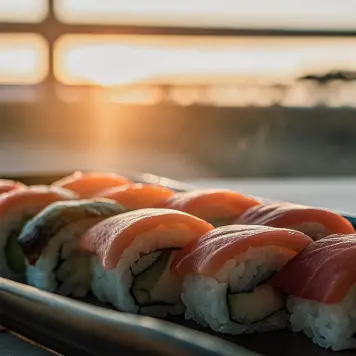
Sushi

Sushi

Edo-style sushi was designed to be eaten quickly by Tokyo workers, using vinegared rice and fresh, local fish to create a portable, elegant bite.

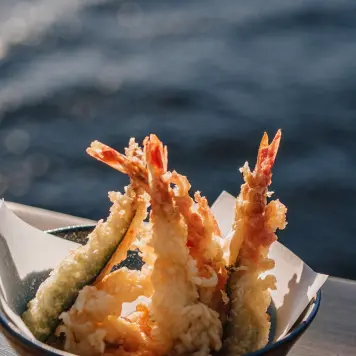
Tempura

Tempura

Introduced in the 16th century by Portuguese cooks, tempura became a Tokyo specialty known for its whisper-light batter fried at high heat to lock in a delicate crisp.

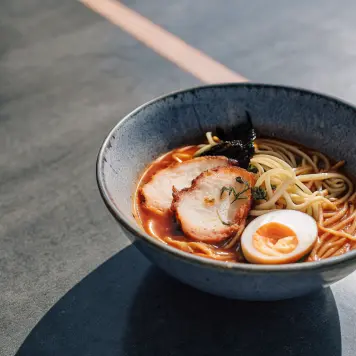
Ramen

Ramen

Ramen shops in Tokyo adapted Chinese noodles into many regional broths, and each shop often treats its recipe like a secret family tradition.

Shirasu-don

Shirasu-don

Shirasu-don is a rice bowl topped with fresh whitebait, a local specialty that highlights Kamakura's access to fresh seafood.

Kamakura Soba

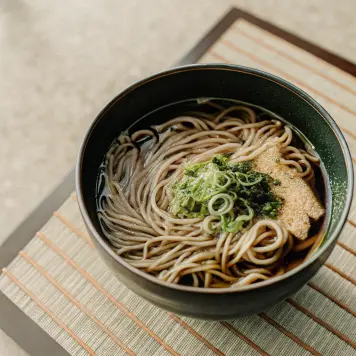
Kamakura Soba

Kamakura Soba features buckwheat noodles served with a variety of toppings, renowned for its firm texture and rich broth typical of the region.

Hōtō

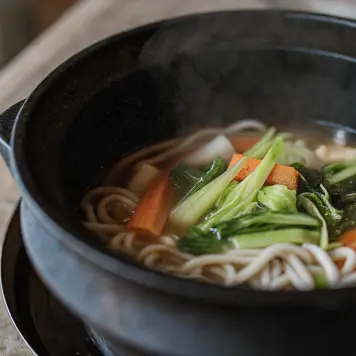
Hōtō

Hōtō is a hearty noodle soup with flat udon noodles and seasonal vegetables, popular in Kamakura for its comforting and rustic taste.

Traditional Sweet Dishes

Mochi

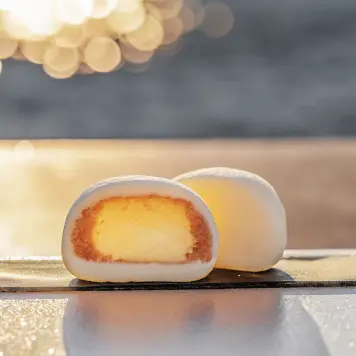
Mochi

Mochi is pounded glutinous rice made into chewy cakes for New Year celebrations, and traditional mochitsuki gatherings turn the pounding into a lively community ritual.

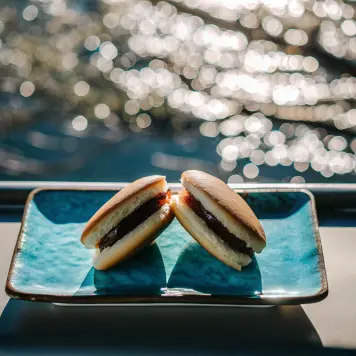
Dorayaki

Dorayaki

Dorayaki sandwiches sweet red bean paste between two fluffy pancakes, and folklore says its name comes from a stray gong left by a samurai, 'dora' meaning gong.

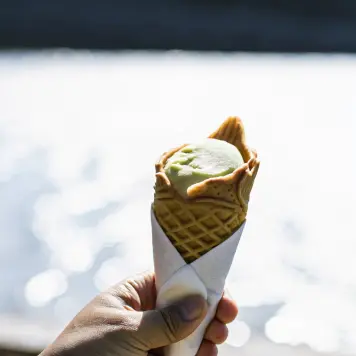
Taiyaki

Taiyaki

Taiyaki is a fish-shaped cake modeled on the auspicious sea bream, originally filled with red bean paste and now stuffed with everything from custard to savory fillings.

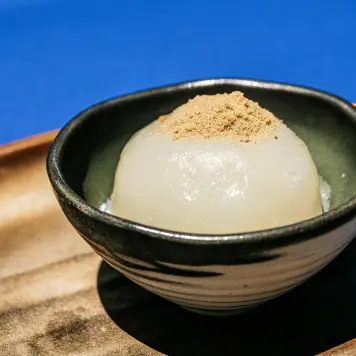
Kuzumochi

Kuzumochi

Kuzumochi is a jelly-like dessert made from kuzuko starch, famous in Kamakura for its light texture and refreshing taste, often enjoyed during summer.

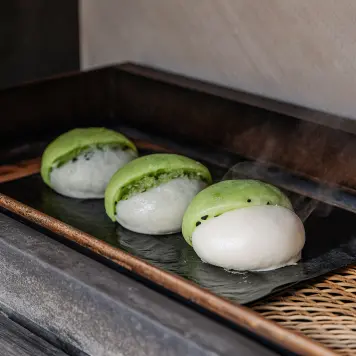
Shirasu Manju

Shirasu Manju

Shirasu Manju are steamed buns filled with a sweet whitebait paste, a unique sweet that represents Kamakura's coastal culture.

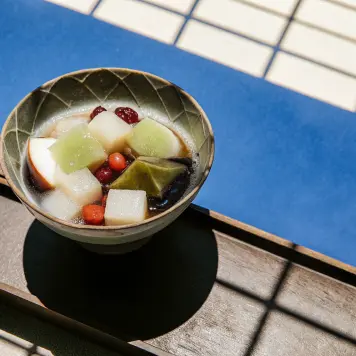
Anmitsu

Anmitsu

Anmitsu is a traditional Japanese dessert consisting of agar jelly with fruits, red beans, and syrup, widely enjoyed in Kamakura tea houses for its balance of flavors.

Traditional Beverages

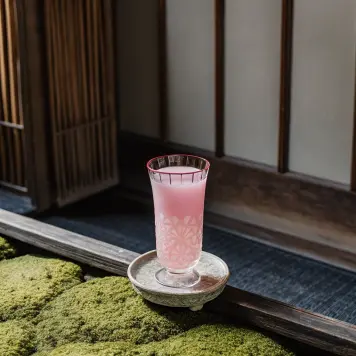
Sake

Sake

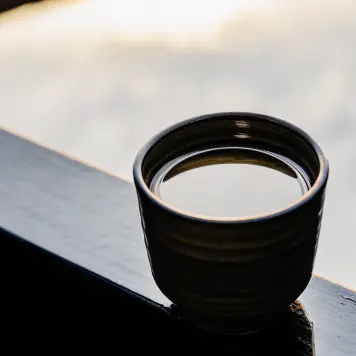
Tokyo breweries helped refine sake into a drink with wine-like complexity, and tasting notes can range from floral to umami-rich depending on rice polishing and yeast.

Green Tea

Green Tea

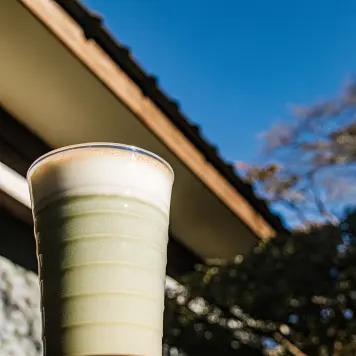
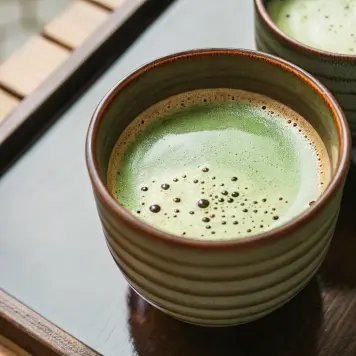
Sencha is steamed right after plucking to preserve its vivid green color and grassy aroma, and Tokyo's tea culture elevated tea into a moment of calm in busy city life.

Shochu

Shochu

Shochu is a distilled spirit distinct from sake, and in Tokyo you can explore varieties made from barley, sweet potato, or rice that each offer a different flavor profile.

Matcha

Matcha

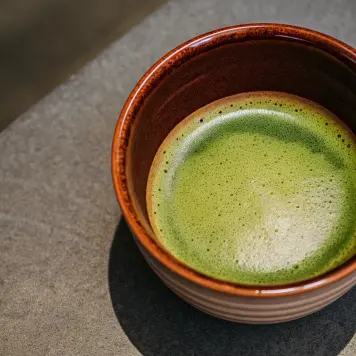
Matcha, powdered green tea, is a staple in Kamakura's traditional tea ceremonies, known for its vibrant color and rich umami flavor.

Genmaicha

Genmaicha

Genmaicha combines green tea with roasted brown rice, creating a nutty flavor that is enjoyed as a soothing drink in Kamakura homes and cafes.

Sakura-cha

Sakura-cha

Sakura-cha is a fragrant tea made with cherry blossoms, celebrated in Kamakura during cherry blossom season for its delicate floral taste.

Export Your Trip

Get your trip plan as a PDF with maps and a CSV spreadsheet.

Download PDF

Selected based on proximity to your itinerary attractions and guest reviews

Search all hotels in Tokyo

Powered by agoda

Create another trip plan