 CityBuddy
 Čeština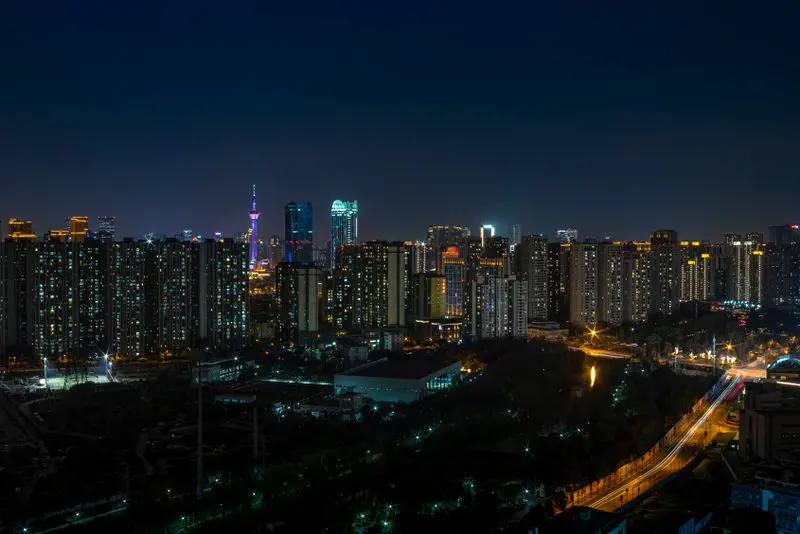
Co dělat v Chengdu, China
Fotografie vytvořil AG ZN na Pexels.com
Kdy navštívit
Chengdu je #3 město pro milovníky jídla na světě, na základě našich dat ze stovek destinací.
Nejoblíbenější atrakce v Chengdu, China
Pokud jde o doporučení turistických atrakcí v Chengdu, nejvíce přitahuje Chengdu Research Base of Giant Panda Breeding, kde žije přes 80 pand velkých a kde je nejrušněji v době ranního krmení. Následně se můžete projít po Kuanzhai Alley (Wide and Narrow Alley), starobylé ulici z doby dynastie Čching, tvořené širokou, úzkou a studniční uličkou, která si uchovala atmosféru nádvoří starého Chengdu. Wuhou Shrine pak vzdává hold Ču-ke-liangovi, proslulému ministrovi z období Tří království, a v chrámu se k nebi tyčí staleté cypřiše, takže z něj dýchá historie. Tyto tři památky zahrnují to nejpodstatnější z kulturního a přírodního zážitku, který Chengdu nabízí.
1. Chengdu Research Base of Giant Panda Breeding
Ultimátní zážitek z pozorování národního pokladu zblízka. Pohled na kulatoučkou pandu okusující bambus vyléčí únavu celého dne. Při procházce bambusovými stezkami, od roztomilých mláďat až po klidně hodující dospělé pandy, stojí každý okamžik za zachycení.
Rychlá fakta: Každý den zde žije více než 100 pand velkých, od čerstvě narozených růžových mláďat až po dospělé jedince. Toto místo je zároveň největším světovým výzkumným pracovištěm pro umělý chov pand velkých, které doposud úspěšně odchovalo více než 300 pand velkých.
Zajímavosti: Časné ráno je zde tím nejkouzelnějším okamžikem. Mláďata pand stará několik měsíců vydávají v inkubátorech pištivé zvuky podobné štěňatům a ošetřovatelé provádějí společný rituál krmení mlékem v rámci „pandí školky". Na vlastní oči vidět desítku chlupatých pandích miminek, jak pijí mléko v jedné řadě, je pocit štěstí, při kterém se člověk doslova rozplyne.
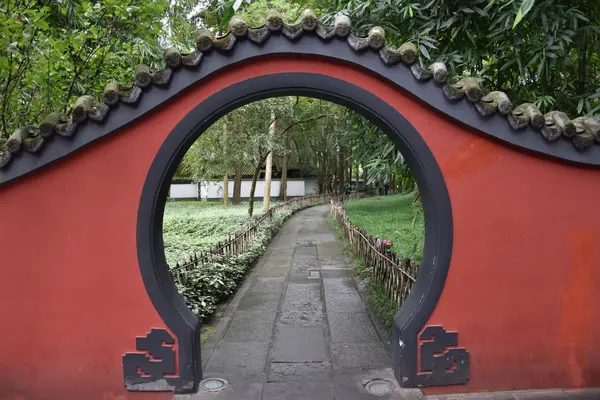
2. Wuhou Shrine
Vstupte do legendárního světa hrdinů Tří království a vnímejte sílu ducha Ču-ke-lianga, který sloužil až do posledního dechu. Projděte červenými zdmi a staletými cypřiši a v kouři vonných tyčinek rozmlouvejte s tisíciletou historií.
Rychlá fakta: V areálu chrámu o rozloze 37 000 metrů čtverečních se nachází „Stéla tří dokonalostí", jejíž text napsal kancléř z dynastie Tchang Pej Tu a kaligraficky ji vyvedl Liou Kung-čcho. Více než 2000 letitých cypřišů obklopuje síně s červenými zdmi a šedými taškami. O jednom z cypřišů se traduje, že jej vlastnoručně zasadil Ču-ke Liang, a jeho stáří přesahuje 1700 let.
Zajímavosti: Na okapu hlavní síně stojí 47 terakotových figurek z období Tří království a každá má jiný výraz tváře. Za deště se na glazuře objevuje zelenomodrý lesk. Ještě pozoruhodnější je, že se vůně santalového dřeva stoupající z kadidelnice mísí se svěží vůní letitých cypřišů a celý dvůr zahaluje pocit ticha, který jako by pronikl tisíciletími.
3. Du Fu Thatched Cottage
Vstupte na původní místo slaměné chýše, kde se v Čcheng-tu před zmatky války ukrýval velký básník, a přivoněte k vůni bambusu a hlíny. Na nádvoří ukrytém v bambusovém háji si dejte šálek čaje gajwan a poslouchejte, jak vám místní přednášejí Tu Fua v s'čchuanském dialektu.
Rychlá fakta: Tuto tichou zahradu zasvěcenou největšímu z básníků navštíví každoročně více než dva miliony turistů. Více než 800 párů nápisových veršů a přes 150 kamenných stél vytváří nejucelenější les kaligrafických stél s tematikou Tu Fua v Číně.
Zajímavosti: V lotosovém jezírku před slaměnou usedlostí žije několik desítek želv, které sem kdysi přivezli z historického centra Čcheng-tu. Žijí zde již přes dvacet let a místní jim říkají „strážci největšího z básníků". Každý rok třetího dne třetího měsíce lunárního kalendáře připraví zahrada takzvané čtyři poklady pracovny a návštěvníci si mohou u usedlosti opisovat verše Tu Fua, papír a tuš jsou přitom zcela zdarma.
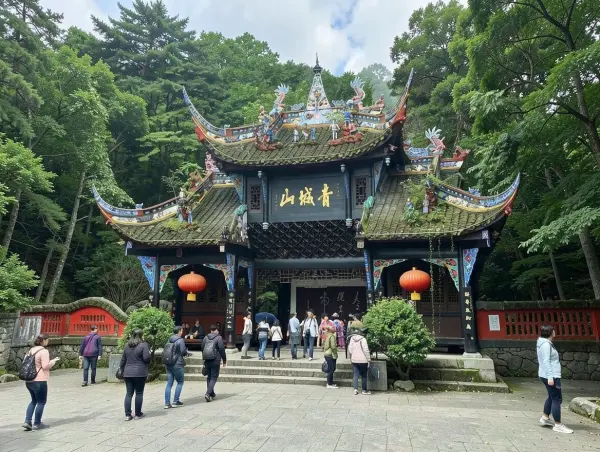
4. Mount Qingcheng
Chcete-li uprostřed bujných horských lesů pocítit tichou sílu taoistické kultury? Stoupejte po kamenných schodech, kolem starobylého chrámu s ranním zvonem, čirého pramene a ptačího zpěvu. Celou cestu vás obklopují scenérie, díky nimž zapomenete na shon města.
Rychlá fakta: Čching-čcheng šan se dělí na přední a zadní horu. Na přední hoře stojí množství taoistických chrámů a je plná poutníků, zadní hora je klidnější a divočejší. Je to jedno z míst zrodu čínského taoismu, na hoře se dochovalo 36 taoistických klášterů, které byly založeny v období Východní dynastie Chan.
Zajímavosti: V ranní mlze před pavilonem Starého mistra můžete zahlédnout bílé postavy mnichů cvičících taiči, jako by se přenesly přes tisíc let. Ještě lepší je, že v rokli Pěti draků na zadní hoře se prolíná zvuk potoka a ptačí zpěv, a cestou můžete potkat horské makaky, což nemá daleko k atmosféře žádného wuxia románu.
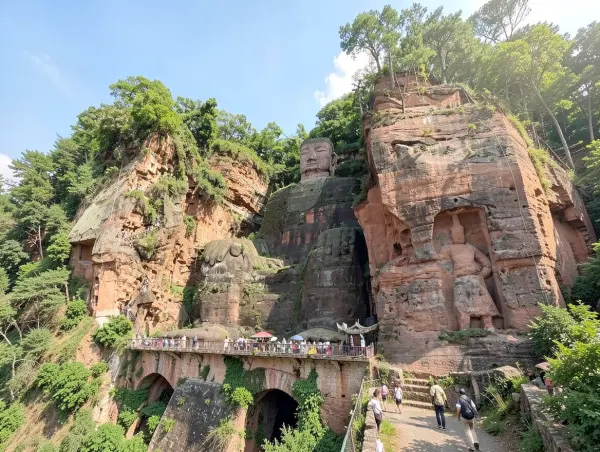
5. Leshan Giant Buddha
Na vlastní oči spatřte největší kamennou sochu Buddhy na světě a žasněte nad mistrovstvím tchangských řemeslníků. Po devíti zatáčkách stezky sestupte z hlavy Buddhy až k jeho nohám a u soutoku tří řek naslouchejte ozvěně tisíce let.
Rychlá fakta: Tato 71 metrů vysoká skalní socha vytesaná do útesu se nachází na soutoku tří řek, je vyšší než 20patrová budova a samotné nártí nohy má velikost dvou basketbalových hřišť. Celá socha byla tesaná po dobu 90 let, na jejím vzniku se postupně podílely tři generace řemeslníků a kdysi ji chránila před povětrnostními vlivy 13patrová budova.
Zajímavosti: Socha prošla dvacetiletou rekonstrukcí, během níž řemeslníci na její hlavě objevili více než tisíc původních cihel z dynastie Tchang. Ještě ohromující je, že v uších a vlasech sochy je skrytý důmyslný odvodňovací systém, který navrhli tchangští řemeslníci, a díky němu tento kolos klidně sedí i po tisíciletích.
6. Sanxingdui Museum
Vstupte do tajemné starověké říše, o níž se historické kroniky nikdy nezmiňují, a na vlastní oči spatřte bronzovou civilizaci starou tři tisíce let, která předčí veškerou představivost. Třímetrový posvátný bronzový strom, masky s vystouplýma očima, každý artefakt otřese vaším obrazem čínské civilizace.
Rychlá fakta: Ve dvou obětních jámách z roku 1986 spatřilo světlo světa více než tisíc bronzových masek, posvátných stromů a sloních klů. Každý z předmětů má podivný tvar a vůbec se nepodobá bronzovým dílům ze střední Číny. Archeologové dodnes nenašli žádné písemné záznamy, a tak otázka, ke kterému starověkému království tyto památky patřily a proč byly pohřbeny, zůstává nevyřešenou záhadou.
Zajímavosti: Bronzový posvátný strom dosahuje výšky 3,96 metru a dělí se na tři patra větví. Na každém patře hnízdí devět posvátných ptáků a na samém vrcholu stojí šťastný tvor. Celý strom v sále sahá od podlahy až ke stropu. Nejpodivnější jsou masky s vystouplými bulvami, jejichž oči vyčnívají dopředu až 16 centimetrů, což až nápadně připomíná postavy mimozemšťanů. Každý, kdo před nimi stojí, nemůže jinak než hlasitě zalapat po dechu.
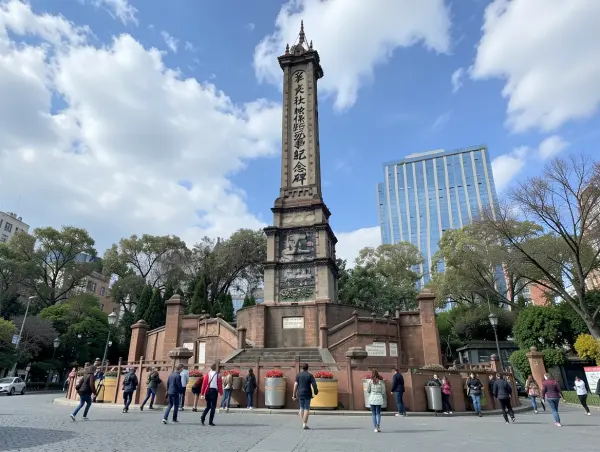
7. People's Park
Chcete se na vteřinu ponořit do pomalého života starého Čcheng-tu? Přijďte sem, popíjejte čaj, nechte si vyčistit uši a sledujte kolemjdoucí, jak bloudí pohledem. Půl dne uteče v mžiku.
Rychlá fakta: Zelená oáza v centru města o rozloze přes 70 mu denně přitahuje desítky tisíc místních na čaj, tanec a hraní mahjongu. Stoletý ginkgový háj v parku se každý podzim zbarví do zlata a je nejpřístupnějším místem k odpočinku pro obyvatele Chengdu.
Zajímavosti: Čajovna Heming v hlubinách parku funguje od roku 1923. Bambusová křesla, měděné konvice, šálky s víčky, jeden stojí jen něco přes deset jüanů a můžete tu sedět celý den, aniž by vás někdo vyháněl. Každou neděli dopoledne probíhají současně anglický konverzační kroužek a seznamovací koutek. Scéna, kde postarší pán s bílými vlasy plynule anglicky konverzuje se zahraničními studenty, je k vidění jen tady v celé Číně.
Where to Stay in Chengdu, China
Selected by City Buddy based on guest reviews and proximity to top attractions
Search all hotels in Chengdu, ChinaPowered by agoda
Tradiční sladké pokrmy
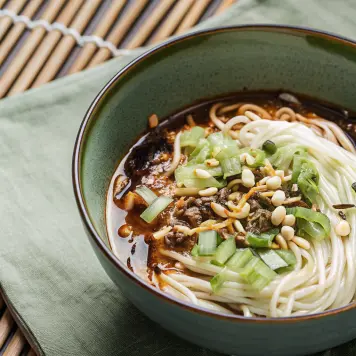
Dandan Mian (Dan Dan Noodles)
Despite being a noodle dish, Dandan Mian is often served as a sweet and savory street food. Its name comes from the bamboo pole (dan dan) that street vendors used to carry the noodles and sauce on their shoulders.
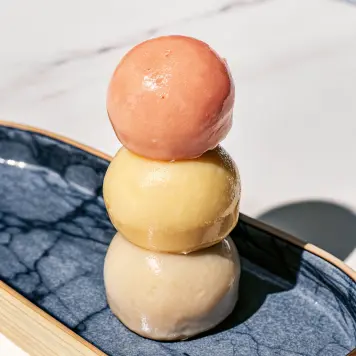
Three Balls (San Da Pao)
San Da Pao, or Three Big Bangs, is a Chengdu dessert made from glutinous rice that makes three loud sounds when prepared. The pounding and shaking of the rice cakes create a theatrical performance as the vendor calls out each bang.
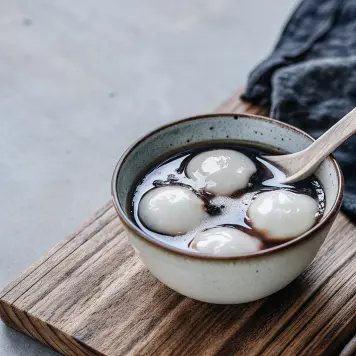
Sweet Rice Balls (Tangyuan)
Tangyuan are glutinous rice balls filled with black sesame paste or sweet bean paste, often served in a warm ginger syrup. In Chengdu, these are especially popular during the Lantern Festival as their round shape symbolizes family togetherness.
Tradiční slané pokrmy
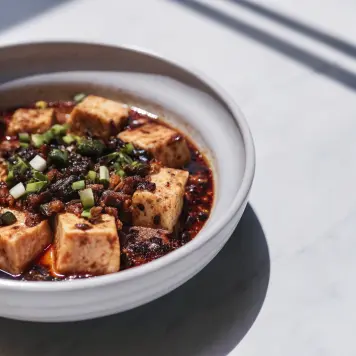
Mapo Tofu
This iconic Chengdu dish features soft tofu in a fiery sauce of doubanjiang (fermented bean paste) and Sichuan peppercorns. It is named after an elderly pockmarked woman (ma po) who supposedly invented the recipe in a small Chengdu eatery.
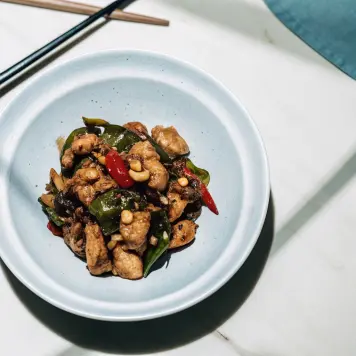
Kung Pao Chicken (Gong Bao Ji Ding)
This dish originated in Chengdu and is named after Ding Baozhen, a Qing Dynasty governor whose title was "Gong Bao" (Palace Guardian). The original recipe uses only chicken, peanuts, and chili peppers without the vegetables often added in Western adaptations.
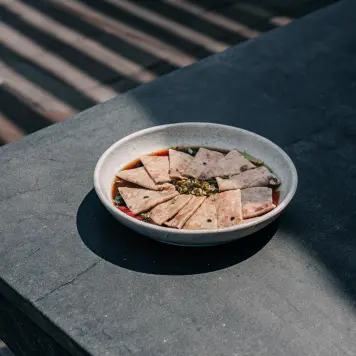
Fuqi Feipian (Husband and Wife Lung Slices)
Despite its literal name meaning "husband and wife lung slices," this dish actually contains no lung tissue but rather thinly sliced beef and offal. It was created by a married couple who sold the spicy, numbing cold beef dish from a pushcart in Chengdu.
Tradiční nápoje
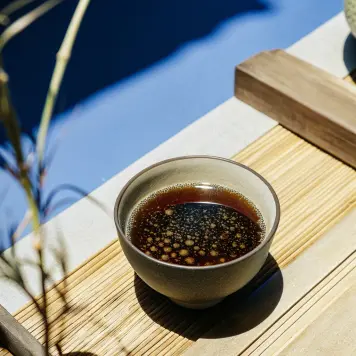
Sichuan Buckwheat Tea (Ku Qiao Cha)
Ku Qiao Cha is a nutty, slightly bitter tea made from roasted tartary buckwheat grown in the highlands of Sichuan. It is caffeine free and believed to help with digestion, especially after eating Chengdu's famously spicy food.

Suan Mei Tang (Sour Plum Drink)
This tangy, sweet beverage is made from smoked plums, rock sugar, and licorice root, and is a cherished Chengdu summer drink. It is said to have been invented during the Song Dynasty to cool down emperors in the heat.
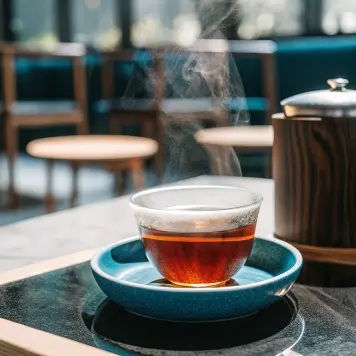
Gaiwan Tea (Covered Bowl Tea)
The gaiwan, a lidded bowl used for brewing and drinking tea, is inseparable from Chengdu's teahouse culture where locals spend hours sipping, socializing, and playing mahjong. Chengdu has the most teahouses of any city in China, with thousands dotting its streets and parks.
Často kladené dotazy o Chengdu, China
Je cestování do Čcheng-tu bezpečné?
Kolik dní je vhodné strávit v Čcheng-tu?
Kdy je nejlepší doba na cestu do Čcheng-tu?
Jsou výdaje na cestování v Čcheng-tu vysoké?
Jak se pohybovat po městě Čcheng-tu?
Získejte PDF s nejoblíbenějšími atrakcemi zaslané na váš e-mail
Získejte PDF se všemi atrakcemi, hodnoceními a tipy. Ideální pro offline použití.
Nejoblíbenější jednodenní výlety
Leshan Giant Buddha
Home to the world's largest stone Buddha statue carved into a cliff face.
Mount Qingcheng
Ancient Taoist mountain with lush greenery and serene temples.
Dujiangyan Irrigation System
Ancient irrigation system still in use, a UNESCO World Heritage site.
Panda Base (Bifengxia)
Giant panda breeding and research center in a lush valley setting.
Mount Emei
Sacred Buddhist mountain with stunning sunrise views and monasteries.
Jak se tam dostat
Letiště
Nádraží
High-speed rail to Xi'an, Chongqing, Guangzhou, Shanghai, Beijing
High-speed rail to Leshan, Mount Emei, Kunming
High-speed rail to Dujiangyan, Qingchengshan
From Shuangliu Airport (CTU), take Metro Line 10 to city center in 30 minutes. Tianfu Airport (TFU) is farther; use the Airport Express Bus or Metro Line 18.
Užitečné informace pro Chengdu, China
Přehled pro Chengdu, China
Chcete plán den po dni pro Chengdu, China? Otevřete plánovač výletů
Kdy jedete do Chengdu, China?
Vyberte si data a styl cestování a získejte:
Je něco z toho pro vás obzvlášť důležité?
Vyberte vše, co platí
Doprava po městě
Jak se chcete mezi místy pohybovat?
Jazyk plánu: Čeština