 CityBuddy
 Čeština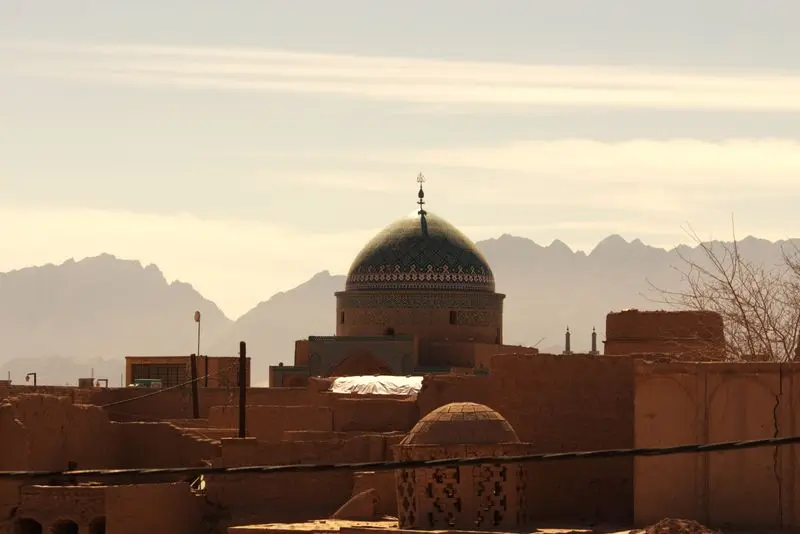
Co dělat v Yazd, Iran
Fotografie vytvořil SYDE Yvi na Pexels.com
Kdy navštívit
Nejoblíbenější atrakce v Yazd, Iran
V iránském městě Jazd čeká na cestovatele spousta vzrušujících programů. Mezi nejdůležitější věci k vidění v Jazdu patří obdivování ohromujících 52 metrů vysokých minaretů mešity Jameh ze 14. století. Na fasádě komplexu Amira Chakhmaqa se nachází 12 obrovských oblouků. Nevynechejte ani návštěvu zoroastrijského chrámu ohně v Jazdu, kde hoří 1500 let starý posvátný oheň.
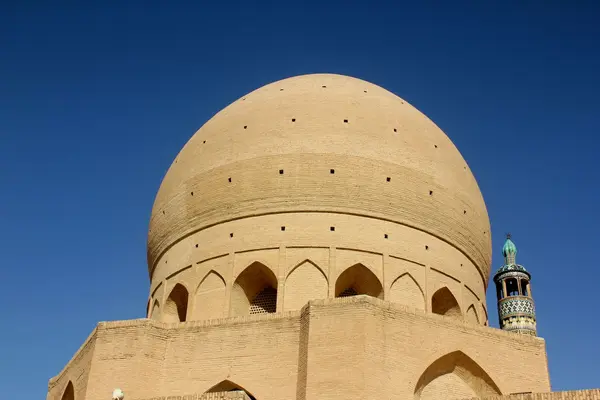
1. Jameh Mosque of Yazd
Perzské architektonické mistrovské dílo, kde modré dlaždice téměř září v pouštním slunci. Procházka pod cihlovou kupolí z 11. století, zatímco objevuješ vrchol dekorativního umění.
Rychlá fakta: "Jeden z nejokázalejších příkladů íránského keramického a dlaždicového umění, kde na stěnách dominuje modrá barva. Budovu pokrývá 900 metrů čtverečních dlaždic a její vstupní portál je nejvyšší íránskou islámskou branou s výškou 24 metrů."
Zajímavosti: "V ranním světle modré dlaždice téměř začnou zářit a v odpoledním slunci vyniknou i drobné detaily arabeskových vzorů na fasádách. Když návštěvník stojí pod obrovskou cihlovou kupolí budovy, přivítá ho ohromující akustický zážitek seldžucké architektury z 11. století."
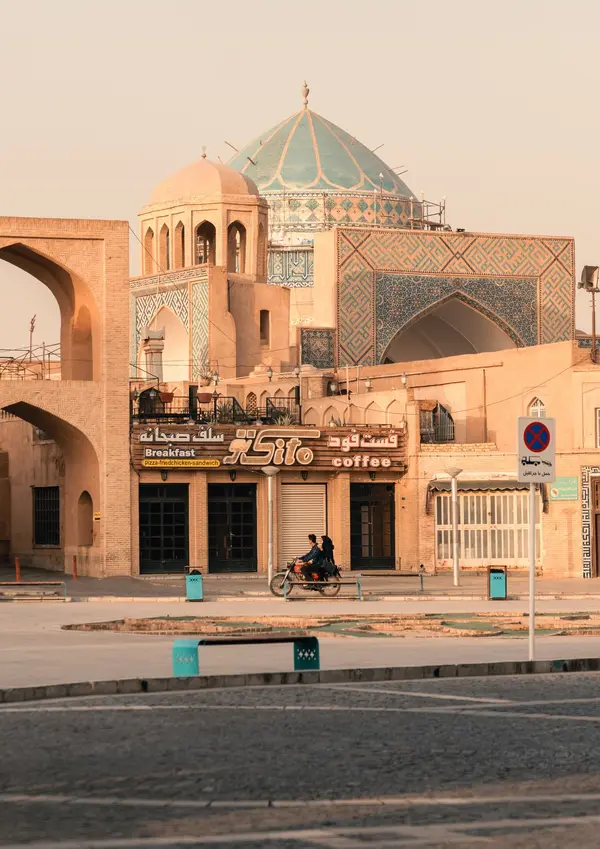
2. Amir Chakhmaq Complex
Zde můžeš vidět jednu z nejfotogeničtějších perzských fasád, která skutečně ožívá za soumraku. Projdi krytým bazárem, dej si čaj na náměstí a dívej se, jak místní žijí své každodenní životy.
Rychlá fakta: The 19th-century Shiite monument is recognizable by its single massive wall dotted with regular recesses, rising three stories high. The bazaar belonging to it winds for 400 meters, and the locals primarily know the square as the setting for daily shopping and tea house conversations.
Zajímavosti: The 567 regular niches of the facade are bathed in orange light in the evenings, as if a giant illuminated honeycomb were rising from the edge of the desert. The lone water reservoir standing in the middle of the square also fades into the obscurity of the past, though during hot summers, passersby used to cool their melons here with a bucket pulled up from the depths.
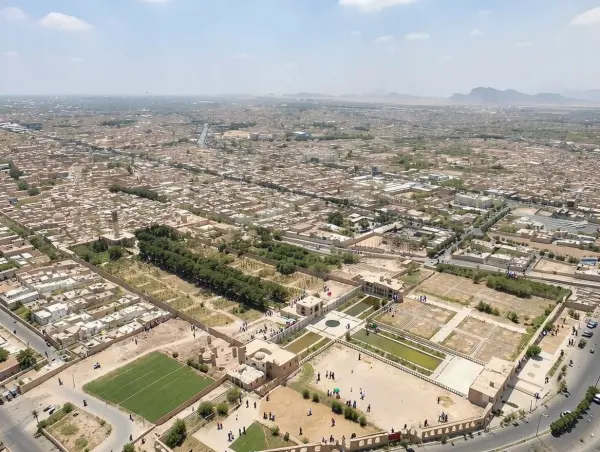
3. Dowlatabad Garden
Vydej se do jednoho z nejkrásnějších perzských zahrad, kde 33metrová větrná věž ochlazuje vzduch. Procházej se zrcadlovými sály za tichého šumění podzemních kanálů.
Rychlá fakta: A 33 metrů vysoká věž je jedním z nejvyšších větrných věží v Íránu, která chladí vnitřní prostory přirozeným větráním. Zahradu nechal v 18. století vybudovat Mohammad Taqi Khan, který zároveň vytvořil obrovský podzemní vodovodní systém pro zásobování města vodou.
Zajímavosti: Uvnitř osmibokého pavilonu stojícího uprostřed baghu (perské zahrady) jsou stěny pokryty jemně zpracovanými zrcadlovými mozaikami, které rozptylují sluneční světlo do všech místností. Přes 65 metrů dlouhý systém podzemních chodeb proudí do pavilonu větrnou věží vzduch, který je i v parném létě o 15 až 20 stupňů Celsia chladnější.
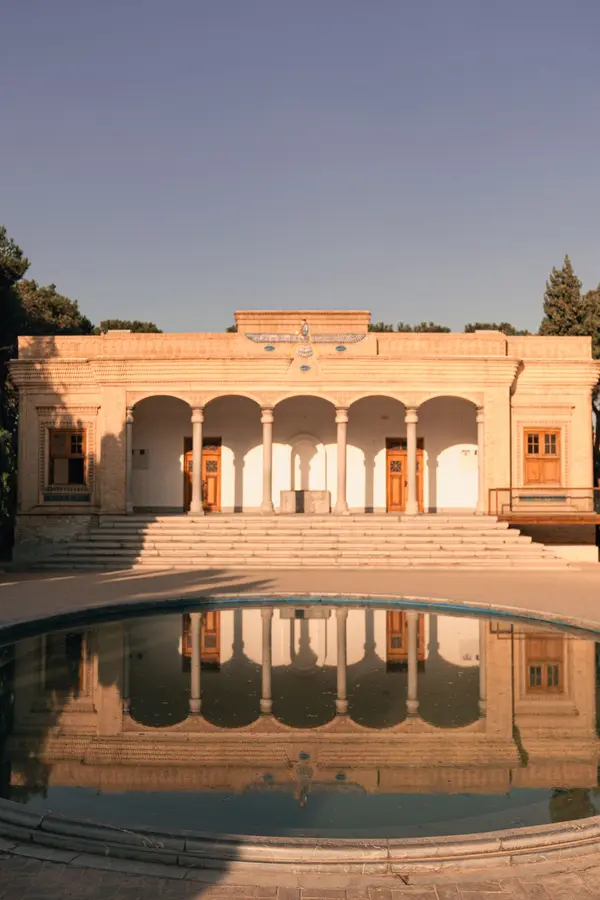
4. Zoroastrian Fire Temple of Yazd
Zde můžeš vidět jeden z nejdéle nepřetržitě hořících ohňů na světě, který plápolá již více než půl druhého tisíciletí. Vsazen v temné místnosti můžeš pozorovat tančící plameny, zatímco tě obklopuje ticho zarathuštrické víry.
Rychlá fakta: The flame that burns here is said to have been alight for over 1500 years, making it one of the oldest continuously burning fires in the world. The sacred fire kept in the temple was collected from nine different sources before being brought here at the beginning of the 20th century.
Zajímavosti: A huge Faravahar symbol carved in stone watches over visitors in the center of the facade, one of the most ancient symbols of the Zoroastrian faith. The light filtering through the temple's stained glass dances in the interior, surrounding the ancient flame with an almost supernatural glow.
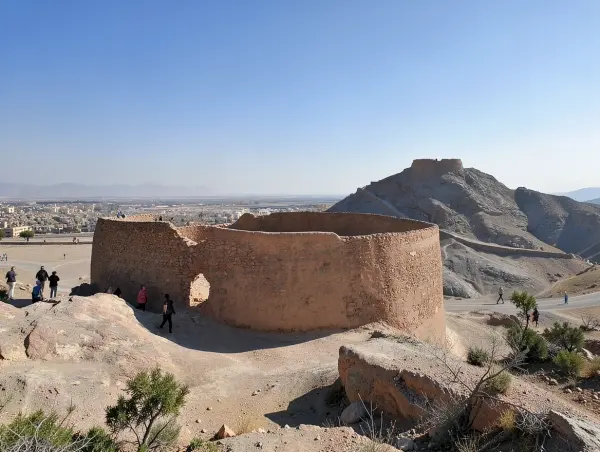
5. Towers of Silence
Místo, kde se smrt setkává s pouštním větrem v téměř hmatatelném tichu. Můžeš vidět kamenné věže a poušť, jak sluneční světlo mění písek ve zlato.
Rychlá fakta: According to the Zoroastrian funeral ritual, the bodies were exposed to the vultures on this elevated site. The towers built in the 6th century no longer host ceremonies, but the spirit of the place remains just as strong.
Zajímavosti: Inside the towers there is nothing frightening and no spectacular architectural elements. What can be felt on the hilltop is the complete silence and the 2500-year-old wisdom that death does not mean the end of life, but the return to nature.
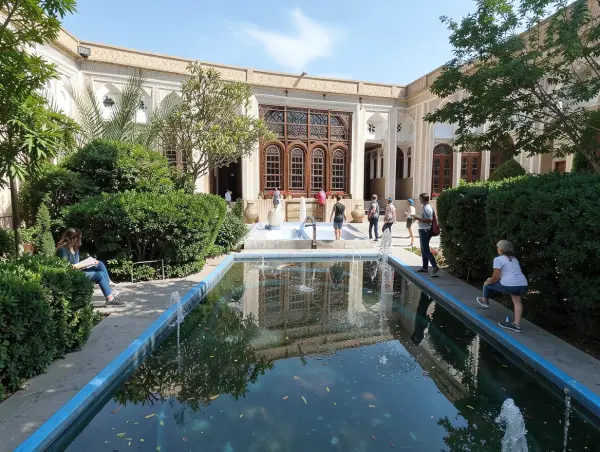
6. Yazd Water Museum
Zde pochopíš, jak Peršané udržovali pouštní města při životě. Sestoupíš do prastarého podzemního kanálu, kde ti kamenně studená voda a sypký písek poskytnou hmatatelný zážitek.
Rychlá fakta: Centuries ago, Persian engineers built an underground canal system that carried water even in the desert heat. Some of the qanats displayed in the museum could be as long as 70 kilometers, and the water never touched the surface.
Zajímavosti: You can walk down underground alongside a 300-year-old qanat, where you can hear the water babbling among the stone walls. One of the most unique pieces in the exhibition is a 2000-year-old clay pipe that the ancient Persians used for water conduction.
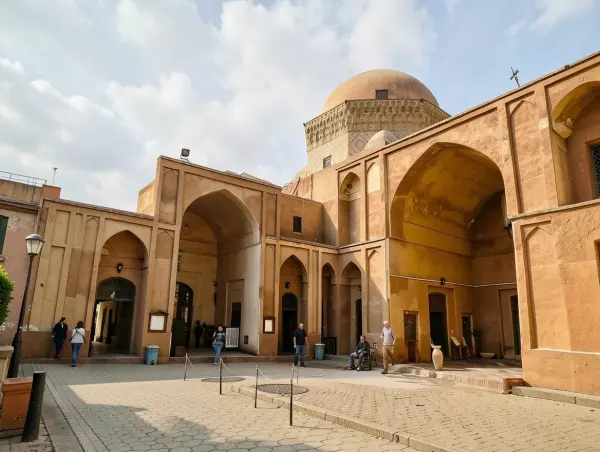
7. Alexander's Prison
Místo, kde se setkávají tajemství minulosti a geniální perská architektura. Vstupte do temnoty, vnímejte chladný vzduch a objevte fascinující mechanismus skrytého systému na sběr vody.
Rychlá fakta: The 9th-century structure was actually never a prison, but a huge cistern and resting place in ancient Persia. The name comes from local legends saying that Alexander the Great held rebellious nobles captive here.
Zajímavosti: Inside, a vast dark dome hall unfolds before you, where the walls of the 8-meter-deep cistern are traced by light reaching from above. The perfect silence and the air that is 12 degrees cooler creates the feeling as if you have stepped back into another century.
8. Lariha House
Zde se můžeš vydat na cestu časem do všedního dne bohaté perské rodiny. Při poslechu šepotu větrolamů a šplouchání bazénu si můžeš usrknout mátového čaje.
Rychlá fakta: The 19th-century merchant palace boasts hand-carved beams and stained glass windows. The pool in the middle of the courtyard creates the cool microclimate of Persian gardens in the desert heat.
Zajímavosti: The interior walls of the house are covered with 47 different geometric patterns, hand-carved from gypsum stucco with the consistency of whipped cream. On the ceiling of one room, there is a 200-year-old wooden circular composition hiding secret symbols that can only be discovered at a certain angle of the southern sunlight.
9. Khan Bathhouse and Bazaar
Ponoř se do kouzelné atmosféry 400 let staré perské lázně a tržiště. Barevné mozaiky, zrcadlové sály a vůně čerstvého koření tě provázejí bludištěm chodeb.
Rychlá fakta: A continuously operating bath complex for over 400 years, where you can admire a stunning example of Persian architecture. Beneath the enormous domes covered with colorful mosaics and mirror decorations, not only a bathhouse but also a bazaar awaits, where you can buy handmade products.
Zajímavosti: Sunlight filters through hundreds of tiny openings in the inner side of the dome, creating a starry sky above the pools even during the day. Standing under the 12-meter-high ceiling adorned with colorful glass mosaics, you almost forget that you are in an underground structure.
Where to Stay in Yazd, Iran
Selected by City Buddy based on guest reviews and proximity to top attractions
Search all hotels in Yazd, IranPowered by agoda
Otevírací dny v Yazd, Iran
Které z hlavních památek jsou v které dny v týdnu zavřené, klasický rušič plánů, ověřeno za vás.
pátek: 1 z 9 hlavních památek je zavřeno, naplánujte si muzea na jiný den.
Zavřeno v pátek · 1 zavřeno, 8 otevřeno
Otevírací dny z Google Maps (kontrolováno 2026-07-23). Státní svátky, stávky a sezónní otevírací doba se mohou lišit, před návštěvou si ověřte oficiální web.
Tradiční sladké pokrmy
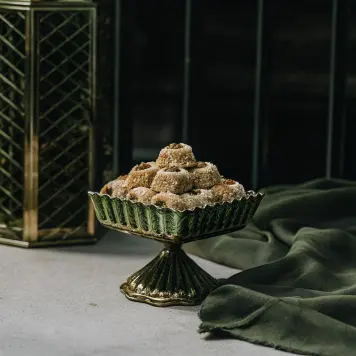
Baklava (Yazdi style)
Unlike the filo-based versions in Turkey or Greece, Yazdi Baklava is a diamond-shaped cookie made with almonds, cardamom, and rosewater, and soaked in a thick sugar syrup for a delightfully chewy texture.
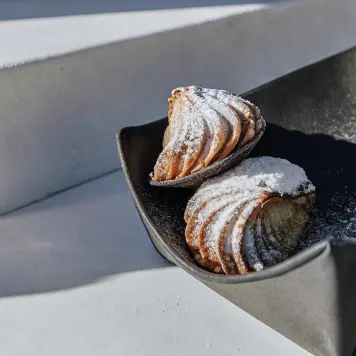
Qottab
These deep-fried almond-filled pastries are dusted with powdered sugar and have a delicate, crescent shape. They are a signature of Yazd and often served at celebrations and Nowruz gatherings.
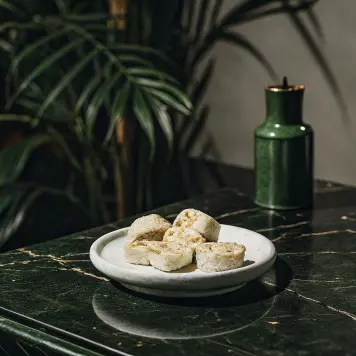
Hajji Badami
A crumbly, biscuit-like cookie packed with whole almonds and ground cardamom, Hajji Badami is named after a famous Yazdi baker. Its dry, melt-in-your-mouth texture makes it perfect for dipping in tea.
Tradiční slané pokrmy

Shuli (Sholeh)
This thick, hearty Yazdi soup is made from lamb, lentils, spinach, and a tart herb called "ghoureh" (unripe grapes). It is famous for its tangy, sour flavor that is unique to the region.

Yazdi Koofteh (Koofteh Yazdi)
Unlike the classic Tabrizi meatball, this version is a large, stuffed meatball made from ground lamb or beef with rice, split peas, and a surprising sour center made from dried plums or prunes.
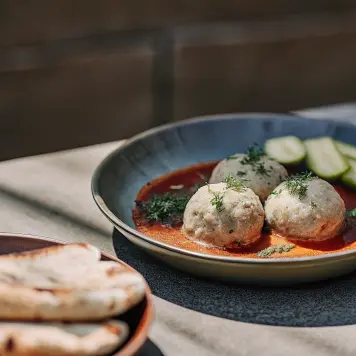
Gondi (Yazdi style)
Gondi are chickpea and chicken meatballs, slow-cooked in a spiced broth and often served with pita bread, pickles, and fresh herbs. Yazd's version is particularly famous for its light, fluffy texture.
Tradiční nápoje

Sekanjebin-e Yazdi
This sweet and sour syrup is made from vinegar, honey or sugar, and mint. Yazdi families often ferment it for weeks, giving it a complex, slightly fizzy quality that is incredibly refreshing in the desert heat.

Kashk-e Bademjan (as a drink)
While commonly a dip, in Yazd they prepare a unique warm, drinkable version (often called "Aab-e Kashk") made from diluted fermented whey, mint, and walnuts, served as a restorative winter beverage.

Chai-ye Nabat (Yazdi Rock Candy Tea)
This is simply strong black tea served with a stick of amber-colored rock candy (nabat) on the side. The diner stirs the candy to their desired sweetness, and the saffron in the nabat gives the tea a golden hue.
Často kladené dotazy o Yazd, Iran
Je Yazd v Íránu bezpečný?
Kolik dní bych měl strávit v Yazdu?
Kdy je nejlepší cestovat do Yazdu?
Je Yazd v Íránu drahý?
Jak se lze pohybovat po Yazdu?
Získejte PDF s nejoblíbenějšími atrakcemi zaslané na váš e-mail
Získejte PDF se všemi atrakcemi, hodnoceními a tipy. Ideální pro offline použití.
Nejoblíbenější jednodenní výlety
Chak Chak (Zoroastrian Fire Temple)
Sacred Zoroastrian pilgrimage site nestled in desert mountains.
Kharanaq (Ancient Village)
Abandoned 1000-year-old mud-brick village with a shaking minaret.
Isfahan
Iconic city with Naqsh-e Jahan Square and stunning mosques.
Jak se tam dostat
Letiště
Nádraží
Tehran, Isfahan, Kerman, Mashhad
From the airport, taxis cost around 10-15 USD to the city center. Yazd is well connected by night trains from Tehran (6-7 hours).
Užitečné informace pro Yazd, Iran
Přehled pro Yazd, Iran
Chcete plán den po dni pro Yazd, Iran? Otevřete plánovač výletů
Kdy jedete do Yazd, Iran?
Vyberte si data a styl cestování a získejte:
Je něco z toho pro vás obzvlášť důležité?
Vyberte vše, co platí
Doprava po městě
Jak se chcete mezi místy pohybovat?
Jazyk plánu: Čeština