 CityBuddy
 Deutsch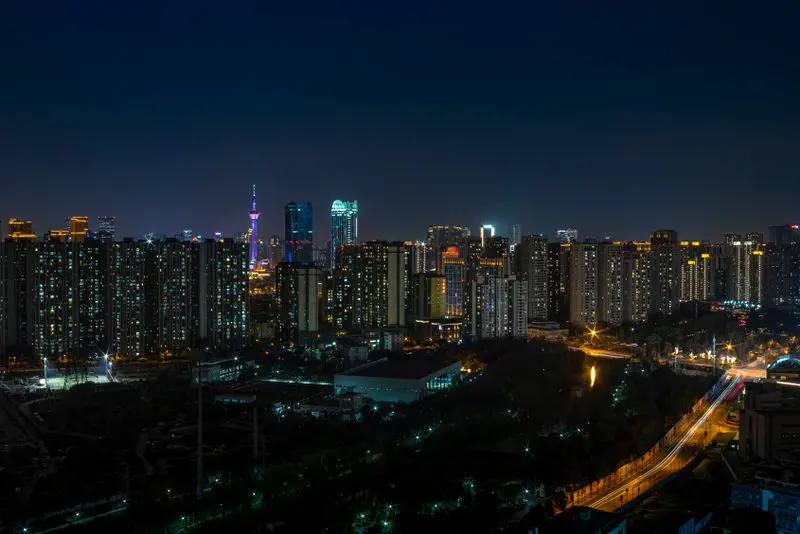
Aktivitäten in Chengdu, China
Foto gemacht von AG ZN auf Pexels.com
Wann besuchen
Chengdu ist die #3 Stadt für Feinschmecker weltweit, basierend auf unseren Daten aus Hunderten von Reisezielen.
Beliebteste Attraktionen in Chengdu, China
Was Empfehlungen für Sehenswürdigkeiten in Chengdu betrifft, ist nichts faszinierender als die Chengdu Research Base of Giant Panda Breeding, in der über 80 Große Pandas leben und die Fütterungszeit am Morgen am lebhaftesten ist. Anschließend kann man die Kuanzhai Alley (Wide and Narrow Alley) erkunden, eine aus der Breiten Gasse, der Schmalen Gasse und der Brunnengasse bestehende Altstraße aus der Qing-Dynastie, die den Charme des Hoflebens im alten Chengdu bewahrt hat. Der Wuhou Shrine wiederum gedenkt des berühmten Kanzlers Zhuge Liang aus der Zeit der Drei Reiche, im Tempel ragen alte Zypressen in den Himmel, was ihm eine starke historische Atmosphäre verleiht. Diese drei Sehenswürdigkeiten vereinen die zentralsten kulturellen und natürlichen Erlebnisse von Chengdu.
1. Chengdu Research Base of Giant Panda Breeding
Das ultimative Erlebnis, um die Nationalschätze aus nächster Nähe zu beobachten. Allein das Zuschauen, wie ein rundlicher Panda Bambus kaut, heilt die Erschöpfung des ganzen Tages. Auf dem Schlendern durch den Bambuswald, von verspielten Jungtieren bis zu gemütlich fressenden erwachsenen Pandas, ist jeder Moment ein Festhalten wert.
Schnelle Fakten: Jeden Tag leben hier über 100 Große Pandas, von neugeborenen rosa Jungtieren bis zu erwachsenen Pandas. Es ist auch die größte Einrichtung zur künstlichen Aufzucht und Forschung von Großen Pandas weltweit, in der bereits über 300 Pandas erfolgreich gezüchtet wurden.
Highlights: Der frühe Morgen ist hier der magischste Moment. Einige Monate alte Panda-Jungtiere geben in ihren Aufzuchtboxen winselnde Geräusche von sich, ähnlich wie kleine Hunde, und die Pfleger führen die gemeinsame Milchfütterungszeremonie des "Panda-Kindergartens" durch. Mit eigenen Augen zu sehen, wie ein Dutzend flauschiger Panda-Babys in einer Reihe Milch trinken, ist ein Glücksgefühl, das einen einfach dahinschmelzen lässt.
2. Wuhou Shrine
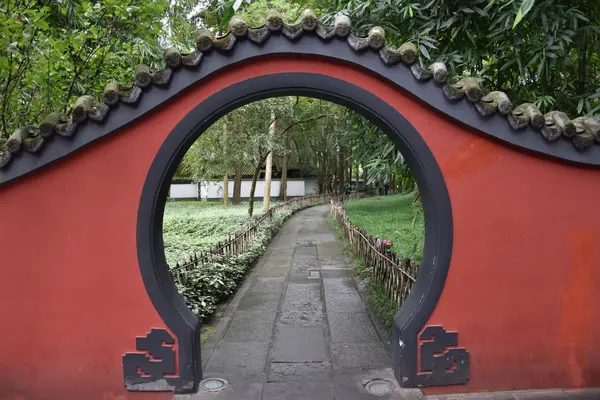
Tritt ein in die sagenhafte Welt der Helden der Drei Reiche und spüre die geistige Kraft von Zhuge Liang, der sich bis zum Letzten verausgabt. Durch die roten Mauern und alten Zypressen, im Duft des Räucherwerks, trittst du in einen Dialog mit tausendjähriger Geschichte.
Schnelle Fakten: In dem Tempel, der eine Fläche von 37.000 Quadratmetern einnimmt, wird die "Stele der drei Meisterleistungen" aufbewahrt, deren Inschrift vom Tang-zeitlichen Kanzler Pei Du verfasst und vom Kalligrafen Liu Gongchuo geschrieben wurde. Über 2000 alte Zypressen umgeben die Hallen mit roten Mauern und grauen Ziegeldächern, eine davon soll der Legende nach von Zhuge Liang eigenhändig gepflanzt worden sein und ist über 1700 Jahre alt.
Highlights: An den Dachvorsprüngen der Haupthalle befinden sich 47 Tonfiguren von Persönlichkeiten der Drei Königreiche, jede mit einem anderen Gesichtsausdruck, und an Regentagen schimmert die Glasur in blaugrünem Glanz. Besonders ist, dass sich der Duft von Sandelholz aus den Räuchergefäßen mit dem frischen Aroma der alten Zypressen vermischt, und der ganze Hof liegt in einer Stille, die tausend Jahre zu überbrücken scheint.
3. Du Fu Thatched Cottage
Betritt das Grundstück der Strohhütte, in der der Dichterfürst einst wohnte, als er sich in Chengdu vor den Wirren des Krieges niederließ, und rieche den Duft von Bambus und Erde. Trinke im Hof zwischen schattenspendendem Bambus eine Tasse Tee mit Deckel und höre den Einheimischen zu, wie sie Du Fus Gedichte im Sichuan-Dialekt vortragen.
Schnelle Fakten: Jedes Jahr besuchen über zwei Millionen Besucher diesen stillen Garten, der dem größten Dichter gewidmet ist. Mehr als 800 Spruchpaare und über 150 Steinstelen bilden im Garten die konzentrierteste Sammlung kalligrafischer Stelen zum Thema Du Fu in China.
Highlights: Im Lotusteich vor dem Strohdachhaus leben dutzende Schildkröten, die aus der Altstadt von Chengdu zusammengetragen wurden, sie leben hier seit über zwanzig Jahren, und die Einheimischen nennen sie die "Wächter des größten Dichters". Am dritten Tag des dritten Monats nach dem Mondkalender stellt der Garten jedes Jahr die vier Schätze des Gelehrtenzimmers bereit, damit die Besucher vor dem Strohdachhaus Gedichte von Du Fu nachschreiben können, Papier und Tusche sind völlig kostenlos.
4. Mount Qingcheng
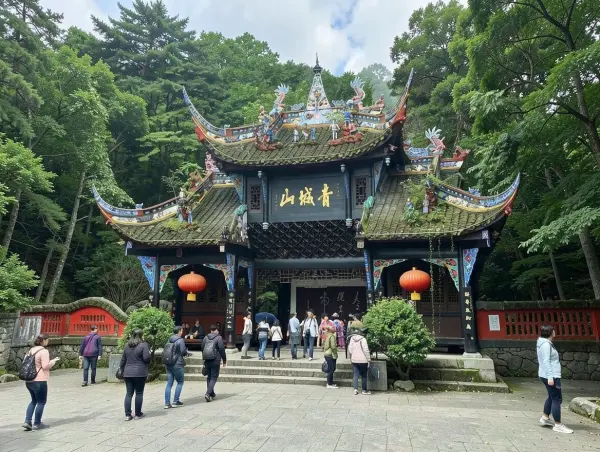
Willst du in den grünen Bergen die stille Kraft der daoistischen Kultur spüren? Steige die Steinstufen hinauf, die Morgenglocke des alten Tempels, die klare Quelle und der Vogelgesang, entlang des Weges ist alles eine Landschaft, die dich den Trubel der Stadt vergessen lässt.
Schnelle Fakten: Der Qingcheng-Berg besteht aus dem Vorder- und dem Hinterberg. Der Vorderberg ist gesäumt von daoistischen Tempeln mit reichlich Räucheropfern, während der Hinterberg ursprünglicher und stiller ist. Hier liegt eine der Geburtsstätten des daoistischen Glaubens in China. Insgesamt sind auf dem Berg 36 daoistische Tempel erhalten, die in der Östlichen Han-Dynastie erbaut wurden.
Highlights: Im Morgennebel vor der Laojun-Halle kann man die weißen Gestalten der daoistischen Mönche beim Tai-Chi-Üben sehen, die wie aus einer tausend Jahre alten Zeit erscheinen. Noch schöner ist der Bach Wulonggou im Hinterberg, wo das Rauschen des Wassers und der Vogelgesang miteinander verschmelzen. Unterwegs kann man zudem wilden Bergmakaken begegnen, was der Atmosphäre eines Wuxia-Romans in nichts nachsteht.
5. Leshan Giant Buddha
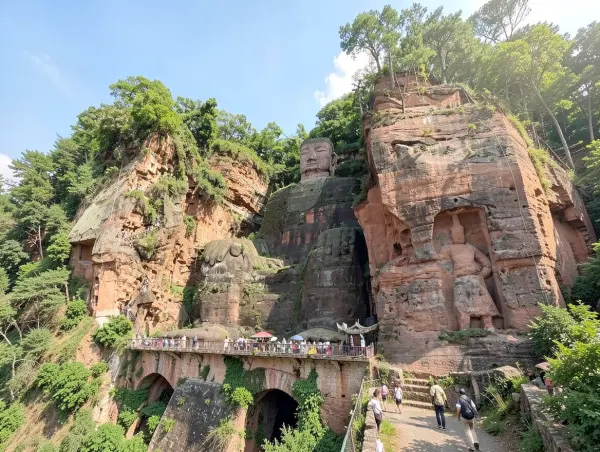
Sieh mit eigenen Augen die größte Steinskulptur eines Buddhas der Welt und spüre die meisterhafte Handwerkskunst der Handwerker der Tang-Dynastie. Gehe entlang des neunfach gewundenen Steigs vom Kopf des Buddhas bis zu seinen Füßen und lausche an der Vereinigung dreier Flüsse dem tausendjährigen Echo.
Schnelle Fakten: Diese 71 Meter hohe Felsenskulptur liegt am Zusammenfluss dreier Flüsse, ist höher als ein 20-stöckiges Gebäude, und allein der Spann der Füße ist so groß wie zwei Basketballfelder. Der Bau des Großen Buddhas dauerte 90 Jahre, drei Generationen von Handwerkern vollendeten ihn in aufeinanderfolgenden Bemühungen, und einst stand über ihm ein 13-stöckiges Gebäude, das ihn vor Wind und Wetter schützte.
Highlights: Der Große Buddha wurde einmal einer 20 Jahre andauernden Restaurierung unterzogen, und die Handwerker fanden auf seinem Scheitel über tausend Originalziegel aus der Tang-Dynastie. Noch erstaunlicher ist, dass in den Ohren und Haaren des Großen Buddhas ein verborgenes Entwässerungssystem versteckt ist, das von den Tang-zeitlichen Handwerkern geschickt entworfen wurde und den Koloss trotz tausendjähriger Winde und Regenfälle bis heute aufrecht sitzen lässt.
6. Sanxingdui Museum
Betritt ein geheimnisvolles altes Reich, das nie in Geschichtsbüchern verzeichnet war, und erlebe mit eigenen Augen eine Bronzekultur, die vor 3000 Jahren jede Vorstellung übertraf. Der drei Meter hohe heilige Bronzebaum, die hervorstehenden Augenmasken, jedes Artefakt stellt dein Wissen über die chinesische Zivilisation auf den Kopf.
Schnelle Fakten: Über tausend Bronzemasken, heilige Bäume und Elfenbeinstücke wurden 1986 in zwei Opfergruben ans Licht gebracht, jedes mit seltsamen Formen, die völlig anders sind als die Bronzen der Zentralebene. Archäologen haben bis heute keine Schriftzeugnisse gefunden. Welchem alten Reich diese Artefakte angehören und warum sie begraben wurden, bleibt ein ungelöstes Rätsel.
Highlights: Der heilige Bronzebaum ist 3,96 Meter hoch, hat drei Ebenen von Ästen, auf jeder sitzen neun heilige Vögel, und an der Spitze steht ein glückbringendes Tier. Der gesamte Baum reicht im Ausstellungsraum vom Boden bis zur Decke. Am seltsamsten sind die Masken mit hervorstehenden Augen, deren Augäpfel bis zu 16 Zentimeter herausragen und wie außerirdische Wesen aussehen. Jeder Besucher, der davor steht, kann nicht anders, als scharf nach Luft zu schnappen.
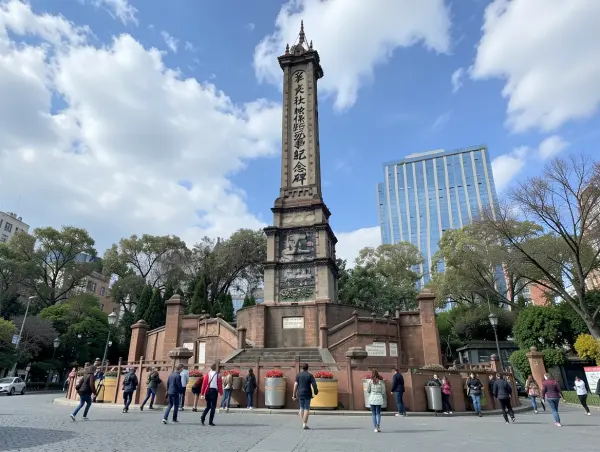
7. People's Park
Willst du im Nu in das langsame Leben des alten Chengdu eintauchen? Komm hierher, um Tee zu trinken, dir die Ohren reinigen zu lassen und die Passanten beim Tagträumen zu beobachten, und schon ist ein halber Tag wie im Flug vergangen.
Schnelle Fakten: Die über 70 Mu große Oase im Stadtzentrum zieht täglich Zehntausende von Bürgern an, die hier Tee trinken, tanzen und Mahjong spielen. Der hundertjährige Ginkgowald im Park leuchtet jeden Herbst in Gold und ist für die Menschen in Chengdu das bodenständigste Erholungsparadies.
Highlights: Das Heming-Teehaus im hinteren Teil des Parks ist seit 1923 geöffnet. Bambusstühle, kupferne Teekannen und Gaiwan-Tee kosten nur etwa ein Dutzend Yuan, und man kann den ganzen Tag dort sitzen, ohne dass einen jemand wegschickt. Jeden Sonntagvormittag finden gleichzeitig der English Corner und der Heiratsmarkt statt. Die Szene, in der ein älterer Herr mit weißem Haar fließend Englisch mit ausländischen Studenten spricht, ist vielleicht nur hier in ganz China zu sehen.
Where to Stay in Chengdu, China
Selected by City Buddy based on guest reviews and proximity to top attractions
Search all hotels in Chengdu, ChinaPowered by agoda
Traditionelle Süßspeisen
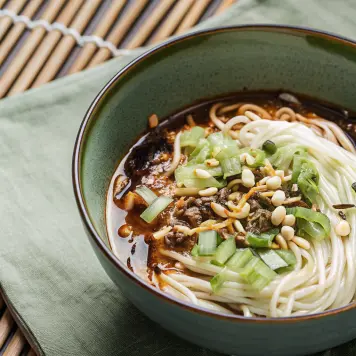
Dandan Mian (Dan Dan Noodles)
Despite being a noodle dish, Dandan Mian is often served as a sweet and savory street food. Its name comes from the bamboo pole (dan dan) that street vendors used to carry the noodles and sauce on their shoulders.
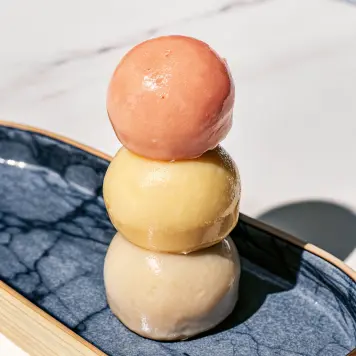
Three Balls (San Da Pao)
San Da Pao, or Three Big Bangs, is a Chengdu dessert made from glutinous rice that makes three loud sounds when prepared. The pounding and shaking of the rice cakes create a theatrical performance as the vendor calls out each bang.
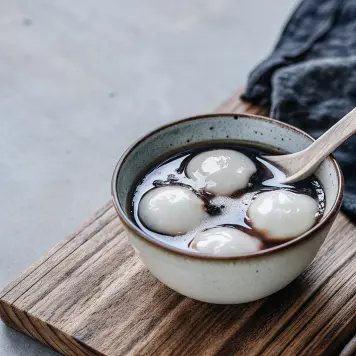
Sweet Rice Balls (Tangyuan)
Tangyuan are glutinous rice balls filled with black sesame paste or sweet bean paste, often served in a warm ginger syrup. In Chengdu, these are especially popular during the Lantern Festival as their round shape symbolizes family togetherness.
Traditionelle herzhafte Gerichte
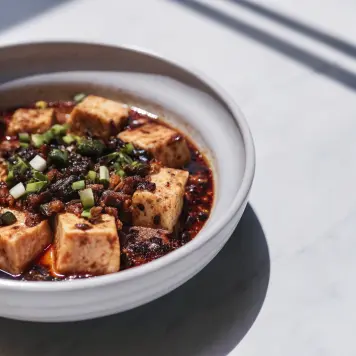
Mapo Tofu
This iconic Chengdu dish features soft tofu in a fiery sauce of doubanjiang (fermented bean paste) and Sichuan peppercorns. It is named after an elderly pockmarked woman (ma po) who supposedly invented the recipe in a small Chengdu eatery.
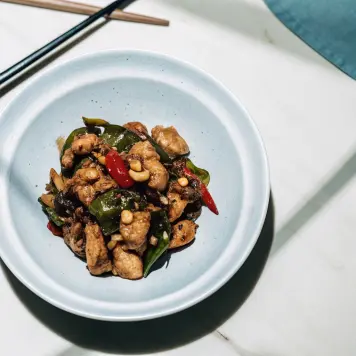
Kung Pao Chicken (Gong Bao Ji Ding)
This dish originated in Chengdu and is named after Ding Baozhen, a Qing Dynasty governor whose title was "Gong Bao" (Palace Guardian). The original recipe uses only chicken, peanuts, and chili peppers without the vegetables often added in Western adaptations.
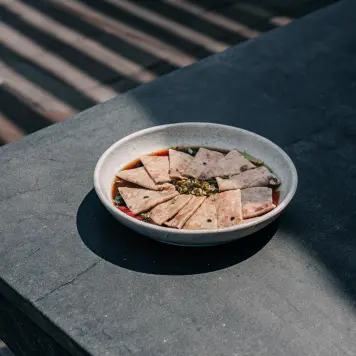
Fuqi Feipian (Husband and Wife Lung Slices)
Despite its literal name meaning "husband and wife lung slices," this dish actually contains no lung tissue but rather thinly sliced beef and offal. It was created by a married couple who sold the spicy, numbing cold beef dish from a pushcart in Chengdu.
Traditionelle Getränke
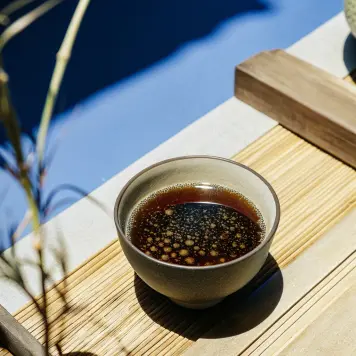
Sichuan Buckwheat Tea (Ku Qiao Cha)
Ku Qiao Cha is a nutty, slightly bitter tea made from roasted tartary buckwheat grown in the highlands of Sichuan. It is caffeine free and believed to help with digestion, especially after eating Chengdu's famously spicy food.

Suan Mei Tang (Sour Plum Drink)
This tangy, sweet beverage is made from smoked plums, rock sugar, and licorice root, and is a cherished Chengdu summer drink. It is said to have been invented during the Song Dynasty to cool down emperors in the heat.
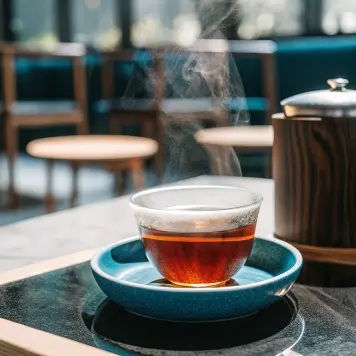
Gaiwan Tea (Covered Bowl Tea)
The gaiwan, a lidded bowl used for brewing and drinking tea, is inseparable from Chengdu's teahouse culture where locals spend hours sipping, socializing, and playing mahjong. Chengdu has the most teahouses of any city in China, with thousands dotting its streets and parks.
Häufig gestellte Fragen zu Chengdu, China
Ist Chengdu für Touristen sicher?
Wie viele Tage sollte man für einen Besuch in Chengdu einplanen?
Wann ist die beste Reisezeit für Chengdu?
Sind die Reisekosten in Chengdu hoch?
Wie kommt man in der Innenstadt von Chengdu am besten zurecht?
Erhalten Sie ein PDF mit den beliebtesten Attraktionen per E-Mail
Erhalten Sie ein PDF mit allen Attraktionen, Bewertungen und Tipps. Perfekt für die Offline-Nutzung.
Beliebteste Tagesausflüge
Leshan Giant Buddha
Home to the world's largest stone Buddha statue carved into a cliff face.
Mount Qingcheng
Ancient Taoist mountain with lush greenery and serene temples.
Dujiangyan Irrigation System
Ancient irrigation system still in use, a UNESCO World Heritage site.
Panda Base (Bifengxia)
Giant panda breeding and research center in a lush valley setting.
Mount Emei
Sacred Buddhist mountain with stunning sunrise views and monasteries.
Anreise
Flughäfen
Bahnhöfe
High-speed rail to Xi'an, Chongqing, Guangzhou, Shanghai, Beijing
High-speed rail to Leshan, Mount Emei, Kunming
High-speed rail to Dujiangyan, Qingchengshan
From Shuangliu Airport (CTU), take Metro Line 10 to city center in 30 minutes. Tianfu Airport (TFU) is farther; use the Airport Express Bus or Metro Line 18.
Nützliche Informationen für Chengdu, China
Übersicht für Chengdu, China
Du willst einen Tag-für-Tag-Plan für Chengdu, China? Öffne den Reiseplaner
Wann reisen Sie nach Chengdu, China?
Wählen Sie Ihre Daten und Ihren Reisestil, um zu erhalten:
Sind Ihnen einige dieser Punkte besonders wichtig?
Wählen Sie alle zutreffenden aus
Fortbewegung
Wie möchtest du dich zwischen den Orten bewegen?
Sprache des Plans: Deutsch