 CityBuddy
 Deutsch
Aktivitäten in Giza, Egypt
Foto gemacht von Atman Bouba auf Pexels.com
Wann reisen Sie nach Giza, Egypt?
Wählen Sie Ihre Daten und Ihren Reisestil, um zu erhalten:
Sind Ihnen einige dieser Punkte besonders wichtig?
Wählen Sie alle zutreffenden aus
Plan language: DeutschBeliebteste Attraktionen in Giza, Egypt
Cruising the Nile and soaring over the desert barely scratch the surface of things to do in Egypt, but the Great Pyramid of Giza demands attention at 138 meters tall. The Great Sphinx of Giza waits 450 meters south, and the Valley of the Kings hides 63 painted tombs across the river at Luxor.
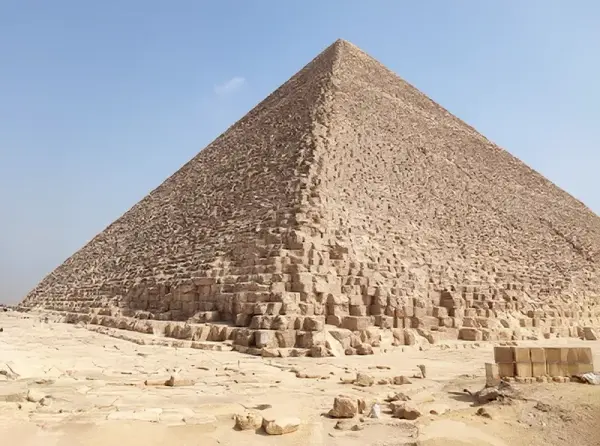
1. Great Pyramid of Giza
Giza
Schnelle Fakten: Wenn man die steilen, verwitterten Seiten hinaufgeht, kann man sich fast die ursprüngliche glatte Kalksteinoberfläche vorstellen, die in der Sonne flimmert, ein Schimmer, der die ganze Struktur zum Leuchten gebracht haben muss. Experten schätzen, dass ungefähr 2,3 Millionen Kalksteinblöcke mit solcher Präzision gesetzt wurden, dass die Basis über mehr als 230 Meter um wenige Zentimeter eben ist. Eine technische Meisterleistung, die moderne Ingenieure immer noch erstaunt.
Highlights: Betritt man den zentralen Korridor, kühlt die Luft sanft die Haut, der Stein riecht schwach nach Staub und Zeder; die Erbauer stapelten etwa 2,3 Millionen Kalksteinblöcke, einige bis zu 80 Tonnen schwer, um die ursprüngliche Höhe von etwa 146,6 Metern zu erreichen. Eine eigenartige Tradition aus dem 19. Jahrhundert lässt Besucher die rußgeschwärzten Namen von Entdeckern wie Giovanni Battista Belzoni aus dem Jahr 1818 nachzeichnen, ein greifbarer Bezug zu dem Moment, als die inneren Kammern erstmals der modernen Welt wieder zugänglich gemacht wurden.
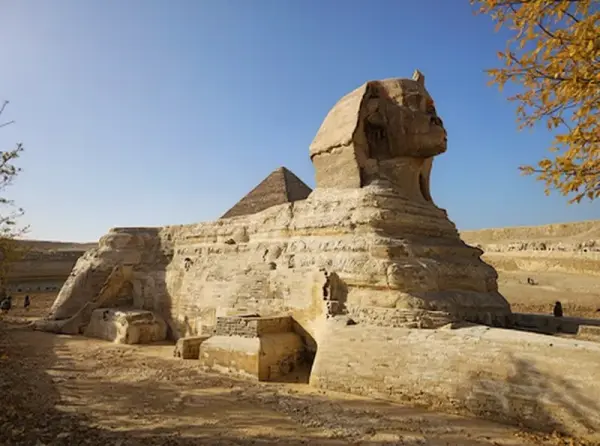
2. Great Sphinx of Giza
Giza
Schnelle Fakten: Ein sonnenverbrannter Kalksteinkoloss hockt unter freiem Himmel, sein verwittertes Antlitz und die fehlende Nase schüren mehr Mythen, als je eine Gedenktafel klären könnte. Archäologen und neugierige Reisende drängen sich gleichermaßen nah heran, um Meißelspuren und Flickarbeiten zu studieren, überrascht, wie viel der Figur aus dem lebendigen Fels gehauen wurde und nicht aus zusammengesetzten Steinen.
Highlights: Im Jahr 1378 meißelte ein Sufi namens Muhammad Sa'im al-Dahr die Nase aus Protest gegen Opfergaben der Bauern ab, und Chronisten berichten, dass er für den Vandalismus hingerichtet wurde. Kommt man näher heran, sieht man, dass sie aus einem einzigen Kalksteinrücken von etwa 73 Metern Länge und 20 Metern Höhe gehauen wurde. Die verwitterten Werkzeugspuren und verschiedenfarbigen Gesteinsschichten lassen das Gesicht auffallend klein wirken, was Experten zu der Vermutung veranlasst hat, dass der Kopf um 2500 v. Chr., vor etwa 4.500 Jahren, aus einer früheren Löwenstatue umgearbeitet wurde.
Where to Stay in Giza, Egypt
Selected by City Buddy based on guest reviews and proximity to top attractions
Search all hotels in Giza, EgyptPowered by agoda
Traditionelle Süßspeisen
Basbousa
Basbousa is a semolina cake soaked in sweet syrup that is a staple at Egyptian celebrations and cafés. The syrup soak keeps it moist and the top is usually decorated with a single almond or walnut.
Kunafa
Kunafa is a crispy shredded pastry filled with sweet cheese or nuts and drenched in syrup. It became hugely popular during the Fatimid era in Egypt and is a star dessert during Ramadan.
Umm Ali
Umm Ali is Egypt's beloved bread pudding made with puff pastry, milk, nuts, and raisins. Legend says it was created in the 13th century and named after the wife of a sultan who wanted a spectacular dessert.
Traditionelle herzhafte Gerichte
Koshari
Koshari layers rice, lentils, macaroni, and chickpeas under a spicy tomato sauce and crispy fried onions. It is widely considered Egypt's national dish and a top street food favorite.
Ful Medames
Ful Medames is a creamy stew of fava beans slowly cooked until soft, often served with egg at breakfast. It is one of the oldest foods in Egypt, with traces dating back to the time of the Pharaohs.
Molokhia
Molokhia is a hearty green soup made from finely chopped jute leaves simmered with garlic and coriander. It is often served with rabbit, chicken, or duck and has been eaten in Egypt since ancient times.
Traditionelle Getränke
Karkadeh
Karkadeh is a ruby red hibiscus tea served either hot or iced. It was a favorite drink of the ancient Egyptians and is especially popular at weddings and festive gatherings.
Sahlab
Sahlab is a thick, creamy hot milk drink thickened with orchid root powder and topped with cinnamon, coconut, and nuts. It is a comforting winter drink in Egypt that is rich and pudding-like.
Erk Soos
Erk Soos is a dark, sweet licorice drink sold on the streets of Egypt, especially during Ramadan. Vendors pour it from hanging glass containers, and it is beloved for its refreshing aftertaste on hot evenings.
Frequently Asked Questions about Giza, Egypt
Is Egypt safe for tourists?
How many days do I need in Egypt?
What is the best time to visit Egypt?
Is Egypt expensive to travel?
How do I get around Egypt?
Erhalten Sie ein PDF mit den beliebtesten Attraktionen per E-Mail
Erhalten Sie ein PDF mit allen Attraktionen, Bewertungen und Tipps. Perfekt für die Offline-Nutzung.
Flüge nach Giza, Egypt finden
Klicken Sie hier, um eine eSim für Giza, Egypt zu erhalten
Der einfachste und günstigste Weg, mobiles Internet überall auf Reisen zu bekommen.
Kommentare (0)
Noch keine Kommentare. Seien Sie der Erste!