CityBuddy
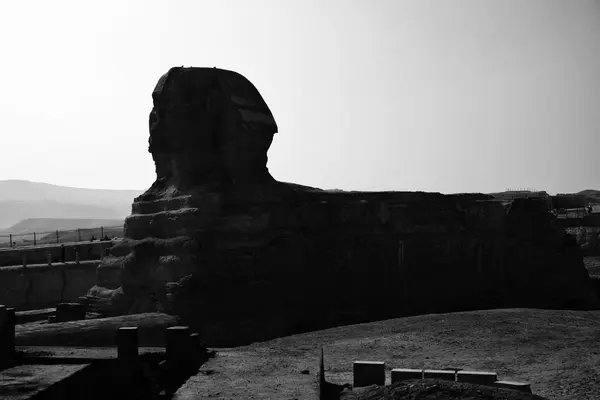
Great Sphinx of Giza
Beste Besuchszeit
Arrive right at the 8 a.m. opening to beat tour groups and catch soft golden light raking across the face. Mornings are cooler and far less crowded than midday.
Budgettipps
Entry is covered by the Giza Plateau pass, around 540 Egyptian pounds, though the separate tombs and interior tickets cost extra. Egyptians pay a heavily discounted rate, and hiring a local guide often bundles the whole plateau for less than paying piecemeal.
Empfohlen für
History buffs, Photography enthusiasts, First-time visitors to Egypt, Solo travelers
Planen Sie Ihren Besuch
1-2 hours
Über
Schnelle Fakten: Mit einem Löwenkörper und einem Menschenkopf wurde der 73 Meter lange Koloss direkt aus einem einzigen Kalksteinrücken gehauen. Die berühmte fehlende Nase, die einst einen vollen Meter spannte, verschwand geheimnisvoll zwischen dem 14. und 19. Jahrhundert.
Highlights: Zwischen den riesigen Tatzen sitzt eine kleine Stele, die beschreibt, wie ein junger Prinz einschlief und von dem Monument träumte, das bis zum Hals im Sand begraben war. Nachdem er all den Sand geräumt hatte, wurde der Prinz zum Pharao Thutmosis IV., und er ließ die Geschichte in Stein meißeln, damit sich alle daran erinnern.
Insidertipps
- Wear closed-toe shoes, since the sandy path around the enclosure gets slick and hot by afternoon.
- Snap the classic frontal shot from the viewing terrace before 9 a.m., when direct light lands on the face.
- Skip the camel-ride vendors near the entrance and walk ten minutes to the far edge of the plateau for far fewer people.
- Expect constant approach from touts; a firm 'no, shukran' with eye contact sends them on their way.
Where to Stay in Giza
Selected by City Buddy based on guest reviews and proximity to top attractions
Search all hotels in GizaPowered by agoda