 CityBuddy
 Deutsch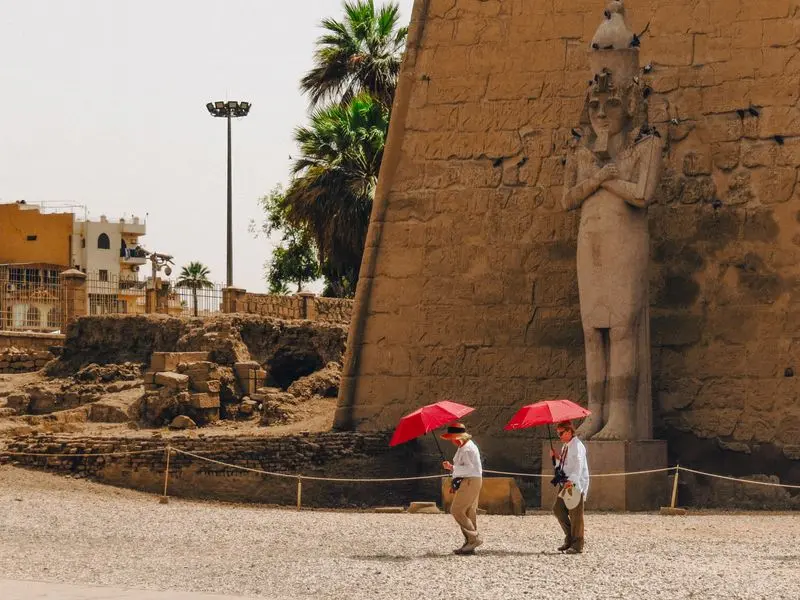
Aktivitäten in Luxor, Egypt
Foto gemacht von Mert Çelik auf Pexels.com
Wann besuchen
Wann reisen Sie nach Luxor, Egypt?
Wählen Sie Ihre Daten und Ihren Reisestil, um zu erhalten:
Sind Ihnen einige dieser Punkte besonders wichtig?
Wählen Sie alle zutreffenden aus
Plan language: DeutschBeliebteste Attraktionen in Luxor, Egypt
Wenn Sie nach Dingen suchen, die man in Luxor, Ägypten unternehmen kann, beginnen Sie mit dem Karnak-Tempel, dem größten Tempelkomplex der Welt, der mehr als 100 Hektar umfasst. Überqueren Sie den Nil zum Tal der Könige, wo 63 Gräber der Pharaonen auf Sie warten. Schließlich der Totentempel der Hatschepsut in Deir el-Bahri, wo drei terrassenförmige Kolonnaden zu bewundern sind.
1. Karnak Temple
Die alten Ägypter errichteten ein so gewaltiges Bauwerk, dass die Welt es noch heute bewundert. Wandle zwischen den 134 kolossalen Säulen, wo das Morgenlicht und der Stein so leuchten, dass du die Zeit vergisst.
Schnelle Fakten: Fast zweitausend Jahre Bauzeit führten zu einem einzigen Tempelkomplex, der von mehr als dreißig Pharaonen geformt wurde. In der Hypostylhalle stehen 134 kolossale Steinsäulen, die größten sind 23 Meter hoch und haben fast 15 Meter Umfang.
Highlights: Der Hauptsaal ist groß genug, dass der römische Petersdom und Notre-Dame in Paris gleichzeitig darin Platz fänden. Das morgendliche Sonnenlicht färbt durch die hohen Lichtöffnungen die Oberflächen der 23 Meter hohen Säulen tief orangerot, als ob der Stein selbst lebendig wäre.
2. Valley of the Kings
Schnelle Fakten: Mehr als 60 Pharaonen und königliche Personen ließen ihre Gräber in die kahlen Felsen schlagen, doch nur Tutanchamuns Grab wurde völlig unversehrt gefunden, mit mehr als 5.000 Schätzen darin. Der größte Komplex, KV5, öffnet sich zu über 120 Kammern, und Forscher glauben, dass weitere Gräber noch immer unter dem Tal verborgen sein könnten.
3. Ramesseum
Der gestürzte 19 Meter hohe Koloss zeugte von der titanischen Größe des Pharaos und inspirierte auch Shelley. Die oberen Reliefs des Pylons und das Morgenlicht auf dem Antlitz fesseln das alte Ägypten.
Schnelle Fakten: Shelleys Sonett „Ozymandias" des englischen Dichters wurde von dem riesigen, am Boden liegenden Koloss im Hof inspiriert, der Ramses II. darstellte. Der Koloss war einst etwa 19 Meter hoch und fast 1.000 Tonnen schwer, allein der Kopf war 2,5 Meter lang.
Highlights: Der Kopf des Kolosses, etwa 2,5 Meter hoch und 7 Tonnen schwer, liegt auch heute noch am Boden, und Shelley nutzte diesen Kopf als Muse für das Sonett. Das astronomische Deckenschmuckwerk stellt die Himmelsgöttin Nut dar und blieb fast 3.000 Jahre lang völlig unversehrt.
Where to Stay in Luxor, Egypt
Selected by City Buddy based on guest reviews and proximity to top attractions
Search all hotels in Luxor, EgyptPowered by agoda
Traditionelle Süßspeisen
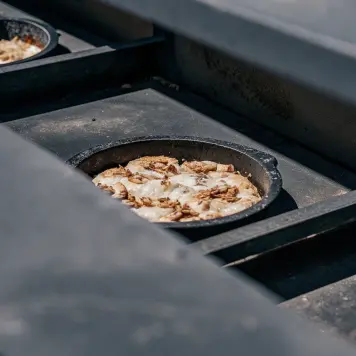
Umm Ali
Umm Ali is Egypt's beloved bread pudding, made with puff pastry, milk, sugar, and nuts, then baked until golden and gooey. Legend says the dish was invented in the 13th century when the wife of a sultan created it to celebrate his victory.
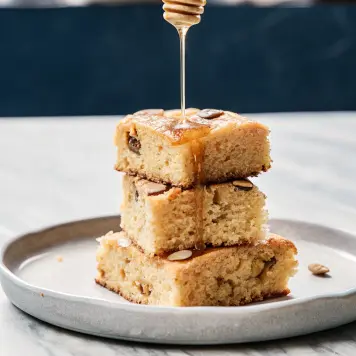
Basbousa
Basbousa is a dense semolina cake soaked in sweet syrup and often topped with almonds or coconut. In Luxor it is usually served warm with a drizzle of creamy honey syrup and a sprinkle of pistachios.
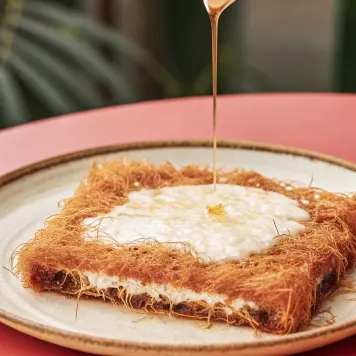
Kunafa
Kunafa features crispy shredded pastry wrapped around a molten layer of sweet cheese or cream. Street vendors in Luxor spin the golden threads by hand and serve it piping hot with sugar syrup poured over the top.
Traditionelle herzhafte Gerichte
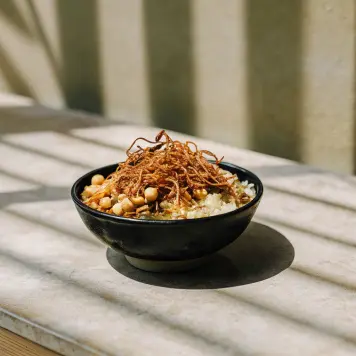
Koshari
Koshari is Egypt's national comfort dish, layering rice, lentils, macaroni, chickpeas, and crispy fried onions under a spicy tomato sauce. In Luxor it is a beloved street food eaten at any time of day.
Fattah
Fattah is a festive dish of tender mutton or beef layered over crispy toasted bread and rice, finished with a garlicky vinegar-tomato sauce. Across Luxor it is the traditional centerpiece of Eid al-Adha celebrations.
Molokhia
Molokhia is a velvety green soup made from finely chopped jute leaves cooked with garlic and coriander, usually served over rice with rabbit or chicken. It is a signature of Upper Egypt, where families in Luxor have perfected the recipe for generations.
Traditionelle Getränke
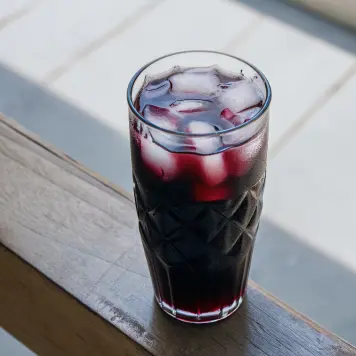
Karkade
Karkade is a deep red hibiscus drink that is famously served ice cold in Luxor and Aswan. Locals drink it for its tart, cranberry-like flavor and believe it helps beat the desert heat and lower blood pressure.
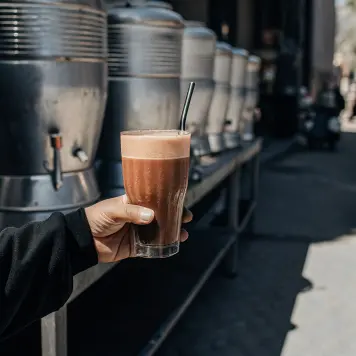
Tamr Hindi
Tamr Hindi is a sweet and tangy tamarind juice that has been enjoyed in Egypt since ancient times. Street vendors in Luxor chill it in big glass urns and serve it year-round as a refreshing cooler.
Sahlab
Sahlab is a warming, thick milk drink made from orchid root powder, sugar, and rosewater, topped with cinnamon and crushed nuts. It is a cozy winter favorite in Luxor's cafes and tea houses.
Frequently Asked Questions about Luxor, Egypt
Ist Luxor, Ägypten sicher?
Wie viele Tage sollte man in Luxor verbringen?
Wann ist die beste Zeit, Luxor zu besuchen?
Ist Luxor, Ägypten teuer?
Wie kommt man in Luxor am besten herum?
Erhalten Sie ein PDF mit den beliebtesten Attraktionen per E-Mail
Erhalten Sie ein PDF mit allen Attraktionen, Bewertungen und Tipps. Perfekt für die Offline-Nutzung.
Beliebteste Tagesausflüge
Valley of the Kings
Pharaonic rock tombs on the West Bank, home of Tutankhamun's burial chamber.
Dendera Temple
Remarkably preserved temple of Hathor near Qena, north of Luxor.
Esna Temple
Ptolemaic temple of Khnum partly below street level in Esna town.
Edfu Temple
Grand Ptolemaic temple of Horus, the best preserved in Egypt.
Abydos Temple
Memorial temple of Seti I with the famous king list carvings.
Anreise
Flughäfen
Bahnhöfe
Cairo, Aswan, and Qena on the Nile Valley line
Local commuter stops between Luxor and Aswan
Take a taxi or minibus from the airport into town; use the public ferry to reach West Bank sites.
Flüge nach Luxor, Egypt finden
Klicken Sie hier, um eine eSim für Luxor, Egypt zu erhalten
Der einfachste und günstigste Weg, mobiles Internet überall auf Reisen zu bekommen.
Kommentare (9)
The temples are absolutely stunning but the May heat was brutal. Drink water constantly and take shade breaks. Still 100% worth the trip.
Book the hot air balloon through your hotel or at the launch area, not the big tour desks. We paid half the online quote.
Best falafel of my life for pennies at a street stall near the souk. Once you get past the sales pressure, the people are genuinely lovely.
Karnak at sunrise just hit different. Spent 4 days in Luxor and honestly could've done a week. So much to see on both banks.
Carry small bills and coins at all times. Vendors and taxi drivers always claim they have no change for big notes and pocket the difference.