 CityBuddy
 Deutsch
Aktivitäten in Muhanga, Rwanda
Foto gemacht von Dawid Sobarnia auf Pexels.com
Wann besuchen
Wann reisen Sie nach Muhanga, Rwanda?
Wählen Sie Ihre Daten und Ihren Reisestil, um zu erhalten:
Sind Ihnen einige dieser Punkte besonders wichtig?
Wählen Sie alle zutreffenden aus
Getting around
How do you want to move between places?
Plan language: DeutschBeliebteste Attraktionen in Muhanga, Rwanda
Among the most notable things to do in Muhanga, Rwanda, is climbing the historic tower of Kabgayi Cathedral, which was built in 1925, reflecting at the genocide memorial, and then discovering the artworks at Ishyo Arts Centre. The visit is rounded off with a tour of the central market, 60 kilometers from Kigali.
1. Kabgayi Cathedral
A visit here feels like a journey into the heart of the country's Christian history. You'll hear the echo of bells among the hills and draw close to red brick that holds the memory of more than a century.
Schnelle Fakten: Described as the cradle of Catholicism in the country, its construction story stretches over more than a hundred years atop one of the hills. Its wooden pews are arranged in a hall that holds hundreds of worshippers, while its red facade has kept its original color despite all the years.
Highlights: Every Sunday, the choir's hymns echo between the high arches of the ceiling in a way that shakes your ears before your heart, and the choir alone includes dozens of voices. If you get close to the walls, you will see traces of the bricks that were fired in nearby local kilns, and the visitor can feel the place's age as they touch those stones with their hand.
2. Shyogwe Cathedral
A harsh story of transformation from a house of worship to a witness to genocide makes you pause before its walls for a long time. You'll walk among coffins, photographs, and clothes, and the hall's silence will keep following you after you leave.
Schnelle Fakten: Its stone arches and engraved wooden doors date back to the 1930s, when the white missionaries built it in stages that lasted for years. During the events of 1994, hundreds took refuge there seeking safety, and today its museum commemorates them in national ceremonies held every April.
Highlights: The most honest moment inside the great hall: dozens of wooden coffins line up between the old rows, and the victims' personal belongings rest in glass cabinets. What stays with you most is the nightly reading of the names by candlelight, where the whole place turns into one quiet voice recounting the tragedy.
3. Muhanga Genocide Memorial
A painful but necessary visit to understand the deepest page of modern African history. You'll walk among memorial candles and survivor testimonies unlike any museum you've visited before.
Schnelle Fakten: In the mass graves here rest the remains of thousands of victims of the genocide the country witnessed in 1994, and excavation work in the nearby hills still uncovers new remains that are transferred to this land to this day. Local survivors serve as guides and living witnesses, and visiting the site becomes a rare opportunity to hear the facts from those directly involved rather than from history books.
Highlights: In the memorial hall, hundreds of shoes and personal identification papers that were in the victims' possession at the moment of their killing are piled up, and each pair of shoes condenses the story of a person with a profession, a family, and dreams. A heavy silence hangs over the room and you hear nothing but the sound of your own footsteps, then the survivor guide ends the tour with a personal question that stays with you long after you leave.
4. Ishyo Arts Centre
A single place that holds living art and quiet green hills far from the capital's bustle. You'll wander among giant metal sculptures and watch craftsmen turn scrap into art before an open amphitheater.
Schnelle Fakten: Ein Bildhauer namens Richard Niyonsaba verwandelte das Land seiner Familie auf den Hügeln des Zentrums in das erste Zentrum für zeitgenössische Kunst des Landes. Der Garten ist mit Dutzenden Skulpturen aus Altmetall und Autoschrott geschmückt, während das offene Amphitheater wöchentliche Musik- und Tanzaufführungen beherbergt.
Highlights: Jede riesige Skulptur hier begann als Haufen Schrott: rostige Pflugscharren, verbogene Fahrradräder und zerdrückte Metalldosenwürfel. Während mehrmonatiger Künstlerresidenzen wohnen Künstler aus aller Welt in den an das Zentrum angeschlossenen Räumen und verlassen es oft mit einem neuen Werk, das aus den Trümmern der Region selbst geboren wurde.
5. Muhanga Central Market
A place where you can buy a kilo of avocados for one dollar directly from the hands of the farmer who picked it that morning. You'll sink into the noise of bargaining and the smells of spices, then leave with a colorful basket and unforgettable photos.
Schnelle Fakten: Mehr als tausend Händler öffnen ihre Stände vor Sonnenaufgang, um Gemüse anzubieten, das die Bauern Minuten zuvor geerntet haben. Die meisten Bauern beenden ihre Verkäufe vor dem Mittag, und so verwandelt sich der Platz automatisch in einen Handel mit Stoffen und Haushaltswaren bis zum Sonnenuntergang.
Highlights: In der hinteren Ecke befindet sich die offene Weberei, wo die Frauen der Familie Körbe wie den „Agasiki" vor den Augen der Kunden von Hand fertigen. Ihr Preis wirkt lächerlich, denn er beginnt bei zwei Dollar, obwohl das Flechten eines einzigen Korbes zwei ganze Tage geübter Finger in Anspruch nimmt.
6. Ibere rya Mugogo
A natural art gallery the size of an entire rock telling an ancient hunt. You'll pass among the shadows of animals drawn more than two thousand years before cities appeared.
Schnelle Fakten: Die Vorfahren des Twa-Volkes überzogen diese Felsen mit warmer Ockerfarbe, die aus der Erde gewonnen und mit Tierfett vermischt wurde. Die Maler stellten Silhouetten von Antilopen, Büffeln und Wildhunden dar, und Experten schätzen das Alter einiger dieser Gemälde auf über dreitausend Jahre.
Highlights: Unter einer markanten Felskante offenbaren orangerote Gravuren eine alte Jagdszene der nomadischen Twa-Gruppen, und ihre Fingerabdrücke sind bei näherer Betrachtung noch immer im Material sichtbar. Wenn du sanft mit der Hand über die Formen fährst, spürst du die Rauheit, die die Fingerspitzen hinterlassen haben, die eine Geschichte gemeißelt und bemalt haben, die Jahrtausende überdauert hat.
7. Kamonyi Caves
A silent mountain hiding within it a city of stone carved by the hand of water, not by human hands. You'll descend narrow stairways toward a cold silence where you walk among limestone columns that resemble the leaves of a petrified forest.
Schnelle Fakten: Kalkhaltiges Wasser hat die Wände dieser Höhle über mehr als eine Million Jahre geformt und Gänge geschaffen, deren Gesamtlänge im Inneren des Berges etwa zweieinhalb Kilometer beträgt. Der Ort trotzt der Tageshitze mit seiner dauerhaften Kühle von 11 Grad Celsius und wird von etwa 20.000 Besuchern pro Jahr geschätzt.
Highlights: In der Tiefe des Hauptgangs befindet sich die Echo-Halle, deren Deckenhöhe mehr als vier Stockwerke übertrifft. Wenn man dort in die Hände klatscht, antworten die Wände mit einem einzigen Ton, der etwa sieben Sekunden anhält. Die Führer erzählen, dass örtliche Widerstandsführer hier in den 1950er-Jahren ihre Waffen versteckt haben, und die Kratzer der Reißverschlüsse an den Felsen erzählen noch immer von diesen geheimen Nächten.
8. Muhanga Stadium
Real crowds, green hills, and traditional drums in one place. The referee's whistle sets off ninety minutes of chants flooding the open stands.
Schnelle Fakten: Die offizielle Kapazität beträgt rund fünftausend Zuschauer, und das Stadion beherbergt das ganze Jahr über Spiele der ersten und zweiten Liga. Der natürliche Rasen verwandelt sich auf dem Höhepunkt der Regenzeit in rutschigen Schlamm, während sich an den Tagen der Spiele an den Toren die Stände der Verkäufer von gegrilltem Mais und Getränken drängen.
Highlights: Von der obersten Reihe der Nordtribüne reicht der Blick über das Wellblechdach hinaus zu grünen Hügeln, auf denen Bananenstauden in Reihen stehen, ein Anblick, den man in keinem anderen Stadion der Stadt findet. Statt der üblichen Hymnen erfüllen traditionelle Lieder mit Flöten und Trommeln die alten Lautsprecher vor dem Anpfiff, und so wird das Stadion zu einem echten Volksfest, das noch bis nach dem Schlusspfiff andauert.
Where to Stay in Muhanga, Rwanda
Selected by City Buddy based on guest reviews and proximity to top attractions
Search all hotels in Muhanga, RwandaPowered by agoda
Traditionelle Süßspeisen
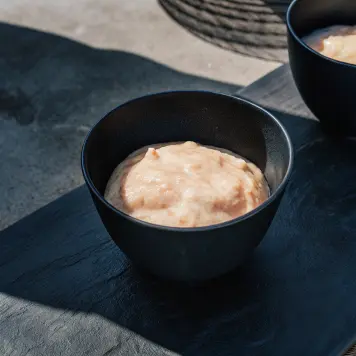
Agatogo
Agatogo is a sweet, creamy porridge made by boiling mashed plantains or sweet potatoes with milk and a little sugar. Parents in Muhanga often serve it warm to children as a nourishing breakfast or bedtime dish.

Amandazi
Amandazi are soft, lightly sweetened fried dough puffs that are a beloved Rwandan treat. In Muhanga, vendors sell them warm in the morning, often enjoyed alongside a cup of tea or milk.

Ikinyomoro
Ikinyomoro are boiled, then roasted sweet potatoes rolled in a little butter and sugar to bring out their natural caramel flavor. They are a simple street snack that locals in Muhanga love during the cool rainy season.
Traditionelle herzhafte Gerichte
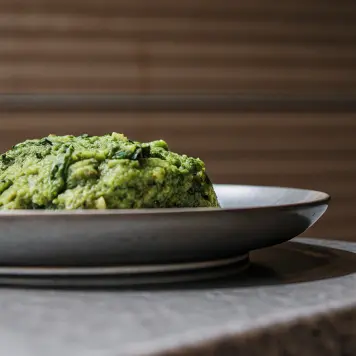
Isombe
Isombe is a beloved Rwandan dish made from mashed cassava leaves cooked with spinach, eggplant, and sometimes ground peanuts. It is so popular in Muhanga that it is often served alongside beans or matoke at nearly every family meal.
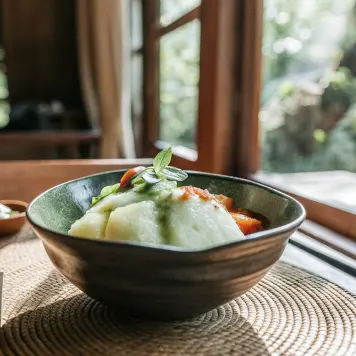
Ibitoke
Ibitoke are green cooking bananas slowly stewed with onions, tomatoes, and groundnut paste until tender. In Muhanga they are a staple comfort food, often paired with isombe and eaten by hand at communal tables.
Akabenz
Akabenz is crispy fried pork that gets its playful name from the sound of sizzling in the pan. Street sellers in Muhanga serve it hot with fried plantains and hot pepper, making it a favorite weekend treat.
Traditionelle Getränke

Urwagwa
Urwagwa is a traditional banana beer brewed from ripe bananas and sorghum. It is often served at weddings and communal gatherings, where sharing it is a sign of unity and respect.
Ikigage
Ikigage is a thick sorghum beer that farmers traditionally brew after the harvest. In Muhanga, it is valued as a hearty, filling drink that is often shared during community work days called umuganda.
Ubushera
Ubushera is a mildly sweet, non-alcoholic drink made from fermented millet or sorghum. Families in Muhanga often prepare it at home to welcome guests and refresh children after a long day.
Frequently Asked Questions about Muhanga, Rwanda
Is Muhanga city in Rwanda safe for tourists?
How many days are enough to visit Muhanga?
What is the best time to visit Muhanga?
Is traveling to Muhanga expensive?
How can one get around within Muhanga?
Erhalten Sie ein PDF mit den beliebtesten Attraktionen per E-Mail
Erhalten Sie ein PDF mit allen Attraktionen, Bewertungen und Tipps. Perfekt für die Offline-Nutzung.
Beliebteste Tagesausflüge
Kigali
Capital city with genocide memorial, craft markets, and lively restaurants
Huye (Butare)
Old colonial capital home to the National Museum of Rwanda
Nyanza
King's Palace Museum featuring the famous royal cattle, the Inyambo
Karongi (Kibuye), Lake Kivu
Scenic lakeside town with beaches, boat trips, and island hiking
Musanze (Volcanoes National Park)
Base for mountain gorilla trekking among the Virunga volcanoes
Anreise
Flughäfen
Bahnhöfe
Isaka (Tanzania) to Kigali standard gauge railway
Main coach and minibus routes to Kigali, Huye, and Nyanza
Fly into Kigali International Airport (KGL), then take a shared minibus or private taxi about 1.5 hours southwest on the paved highway to Muhanga center.
Flüge nach Muhanga, Rwanda finden
Klicken Sie hier, um eine eSim für Muhanga, Rwanda zu erhalten
Der einfachste und günstigste Weg, mobiles Internet überall auf Reisen zu bekommen.
Kommentare (10)
Taxi motos are cheap but agree on the price BEFORE you get on. Drivers assumed I didn't know the rate and tried to double it every time.
The vibe here is so relaxed compared to Kigali. Good spot to just slow down for a day and reset.
Get cash before you come, a lot of smaller shops take cash only. The ATM near the post office worked but the line was long.
Skip the tourist restaurants near the bus park, walk toward the market and eat where the taxi drivers eat. Half the price, twice the flavor.
Food was decent but nothing blew me away. Had better brochettes at a random roadside stand than any restaurant.