 CityBuddy
 English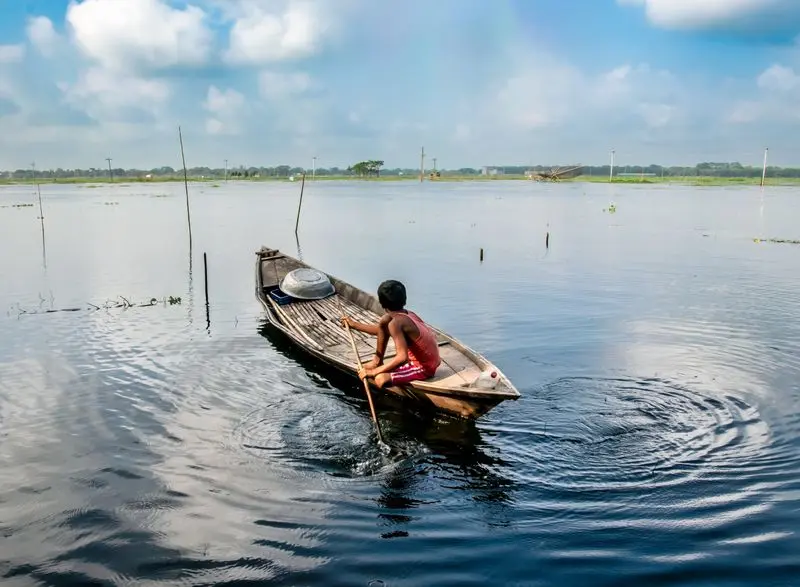
Things to Do in Savar, Bangladesh
Photo made by Chandi Saha on Pexels.com
When to visit
Most popular attractions in Savar, Bangladesh
If you are looking for things to do in Savar, Bangladesh, you cannot miss the impressive National Martyrs' Memorial, a 46-meter monument that honors the martyrs of the war of independence. A few kilometers away, the green campus of Jahangirnagar University is home to more than 200 species of birds. The serene Sri Sri Monoharshanee Jibontara Kali Mata Temple offers a spiritual contrast.
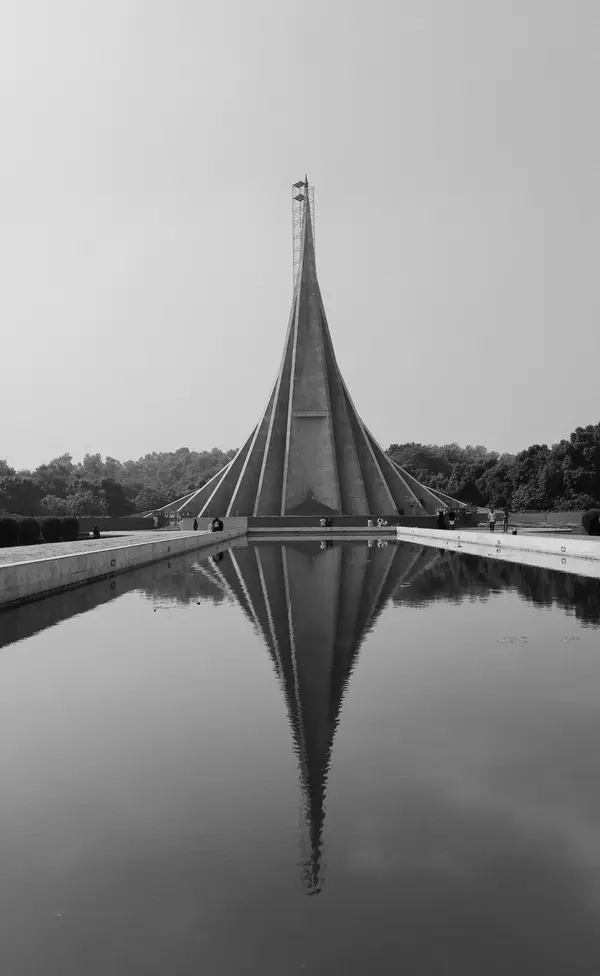
1. National Martyrs' Memorial
A moving tribute to those who gave their lives for the freedom of their nation. You will walk among white headstones while the wind whispers between the imposing concrete towers.
Quick facts: Eight million visitors arrive each year to pay homage at this 46-meter-tall monument. The seven concrete towers represent the seven stages of the Bangladesh independence movement.
Highlights: From the top of the central tower, the sun reflects off millions of glass particles embedded in the concrete, creating an almost mystical glow at dawn. On foggy days, the towers seem to float above a white blanket that covers the surrounding gardens.
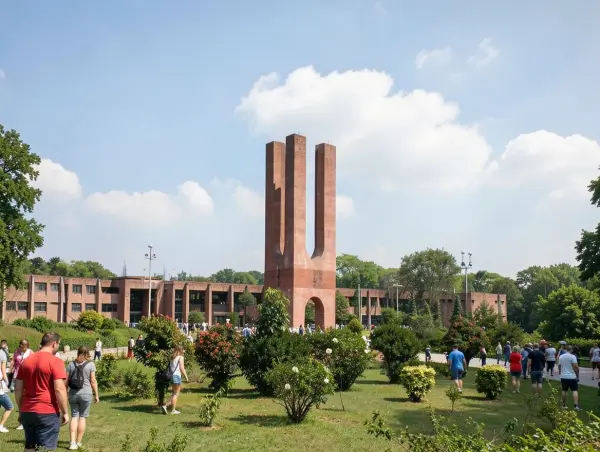
2. Jahangirnagar University
A university campus that looks like a national park, with lakes and forests that transport you to another world. You will walk among deer, listen to the songs of hundreds of birds, and feel the peace of untouched nature.
Quick facts: With more than 40 lakes scattered across its 700-acre campus, it is one of the largest green lungs in Bangladesh. It is home to over 200 species of migratory birds that arrive each winter from Siberia and the Himalayas.
Highlights: Every dawn, students walk among the lakes while grey herons fish just a few meters away, creating an image that seems straight out of a dream. The most incredible thing happens at sunset: the sky turns intense colors reflecting off the 40 mirrors of water, a spectacle that not even the best photographer can fully capture.
3. Suhrawardy Udyan
A park where history can be breathed in every corner and the green surrounds you. You will walk among ponds, immaculate gardens, and a monument that gives you goosebumps.
Quick facts: Here, in 1971, the Pakistani army surrendered, marking the birth of Bangladesh. The park covers 80 green hectares where the national monument of independence stands, with 7 towers that symbolize the 7 martyrs of the war.
Highlights: If you stand right at noon in front of the central monument, you will see how the sun's rays pass exactly through the axis of the towers, an architectural effect calculated to the millimeter. The marble floor reflects the silhouettes of the 7 spires as if the sky and the earth were shaking hands.
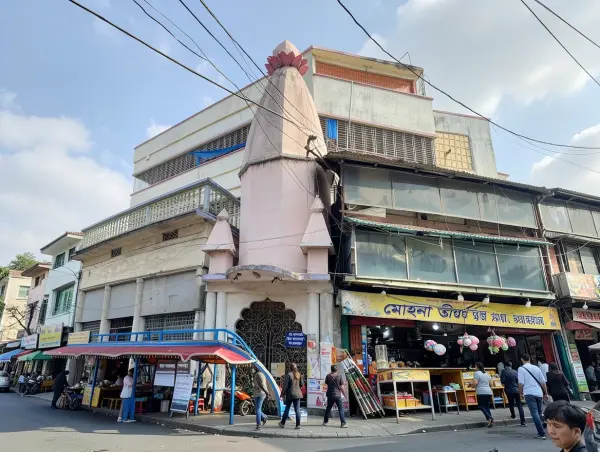
4. Sri Sri Monoharshanee Jibontara Kali Mata Temple
A sanctuary of peace where the glow of golden domes meets the scent of incense. You will walk among the faithful, hear the chiming of a hundred bells, and feel an energy that completely envelops you.
Quick facts: Its golden domes shine like flames under the midday sun, visible for miles around. Every year, thousands of devotees travel long distances to offer prayers and light oil lamps before the deity of the goddess Kali.
Highlights: What is truly surprising is the main altar: an imposing figure of the goddess Kali nearly three meters tall, carved from black stone and decorated with fresh jasmine garlands that the priests change every dawn. The interior walls are covered with over 500 small bronze bells that the faithful ring as they pass, creating a constant metallic chorus that vibrates throughout the sanctuary.
5. Kazi Nazrul University
A university campus that breathes poetry and rebellion in every corner. You will stroll among murals dedicated to the national poet while students discuss literature under centuries-old trees.
Quick facts: It is the first public university in Bangladesh named after a poet, the rebel Kazi Nazrul Islam. Its 35-acre campus is home to more than 6,000 students spread across 20 academic departments.
Highlights: The central auditorium has a 40-meter mural that visually narrates the life of the national poet, from his anti-colonial struggle to his literary work. Each year, students organize an outdoor poetry festival where they recite verses by Nazrul under the campus's century-old banyan trees.
6. Savar Cantonment
A working military base that anchors one of Bangladesh's most solemn national spaces. Visitors can sense the discipline of base life while standing in the shadow of the towering Liberation War monument nearby.
Quick facts: This military cantonment hosts the Savar Cantonment Public School and a significant parade ground where national observances take place. It's also the site of the Bangladesh Military Academy's predecessor facilities, making it a center of military training in the Dhaka region.
Highlights: Right next to the cantonment walls stands the National Martyrs' Memorial, where over a million visitors gather each year to honor the 1971 Liberation War fallen. The memorial's seven stacked triangular towers rise to 150 feet, representing the seven significant phases of the independence movement.
7. Baipail Bazar
A market where time seems to stand still among looms and the aromas of spices. You will walk among craftswomen weaving by hand while the steam of freshly brewed tea floats in the air.
Quick facts: Each year, more than 300,000 visitors arrive at this market to explore its more than 200 artisan stalls. Local women weavers use techniques passed down through generations to create cotton saris that take up to 15 days to complete.
Highlights: At dawn, when the fog lifts over the rice fields, the market lights up with hundreds of kerosene lamps that vendors light one by one. The magenta and orange tones of the freshly woven saris contrast with the smoke from the bonfires where traditional breakfast is prepared.
8. Jhilmil Park
A riverside forest where 150 species of birds await to be discovered. You will walk along wooden walkways among centuries-old trees while the Bangshi River murmurs beside you.
Quick facts: Its 20 hectares of riverside forest are home to more than 150 species of birds, including the kingfisher and the orphean bulbul. On weekends, up to 3,000 visitors come seeking a break from the hustle and bustle of Dhaka.
Highlights: Every December, the park becomes the setting for a bird festival where visitors can spot migratory species that travel from Siberia to this small tropical forest. Wooden pathways wind between centuries-old banyan trees and palm trees, creating green corridors where the temperature is up to 5 degrees cooler than in the city.
Where to Stay in Savar, Bangladesh
Selected by City Buddy based on guest reviews and proximity to top attractions
Search all hotels in Savar, BangladeshPowered by agoda
Opening days in Savar, Bangladesh
Which of the top sights close on which day of the week — the classic trip-ruiner, checked for you.
Friday: 1 of 6 top sights closed — plan museums for another day.
Closed on Friday · 1 closed, 5 open
Opening days from Google Maps (checked 2026-06-14). Public holidays, strikes and seasonal hours can differ — check the official website before you go.
Traditional Sweet Dishes
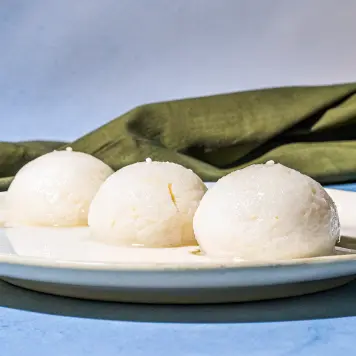
Roshogolla
Roshogolla is a spongy, syrupy cheese ball dessert that originated in the Bengal region. It is widely considered the king of Bengali sweets and is a staple at celebrations in Savar.

Sandesh
Sandesh is a delicate, crumbly sweet made from fresh curdled milk and sugar. It is one of the most cherished traditional desserts in Bangladesh, often flavored with cardamom or mango.

Mishti Doi
Mishti Doi is a sweetened, caramelized yogurt that is fermented in earthen pots for a unique flavor. It is a beloved dessert across Bangladesh and is especially popular in the Savar region.
Traditional Savory Dishes
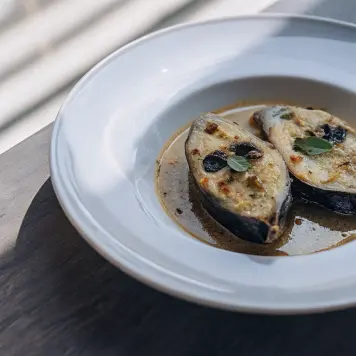
Hilsa Curry (Shorshe Ilish)
Shorshe Ilish is a traditional Bengali dish of Hilsa fish cooked in a rich mustard seed gravy. The Hilsa is the national fish of Bangladesh and this dish is a symbol of Bengali pride.
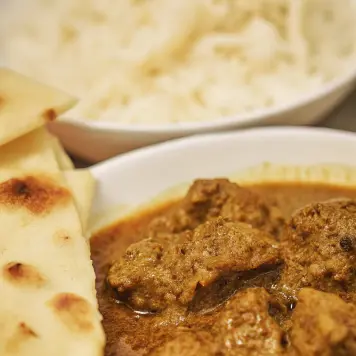
Beef Bhuna
Beef Bhuna is a slow-cooked, dry-style curry made with aromatic spices that are fried until the oil separates. It is a beloved dish in Savar often served at family gatherings with paratha or rice.
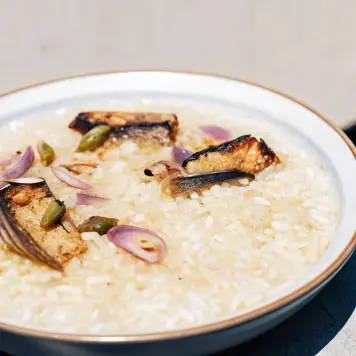
Panta Bhat
Panta Bhat is fermented, water-soaked rice that is a traditional rural breakfast dish in Bangladesh. It is typically served with fried Hilsa, green chilies, and onions on Pohela Boishakh (Bengali New Year).
Traditional Beverages

Lassi
Lassi is a creamy, yogurt-based drink that can be sweet or salty, often flavored with mango or rose water. It is a popular cooling beverage in Savar, especially during the hot summer months.
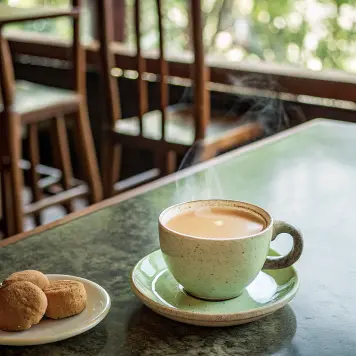
Cha (Bengali Tea)
Bengali Chai is a strong, milky tea brewed with aromatic spices like cardamom, cinnamon, and ginger. It is an essential part of daily life in Savar, with tea stalls being popular social gathering spots.

Ghol
Ghol is a traditional buttermilk drink that is slightly spiced with salt, cumin, and mint. It is a refreshing digestive beverage commonly enjoyed after meals in Savar and across Bangladesh.
Frequently Asked Questions about Savar, Bangladesh
Is it safe to travel to Savar, Bangladesh?
How many days are recommended to spend in Savar, Bangladesh?
What is the best time to visit Savar, Bangladesh?
Is it expensive to travel to Savar, Bangladesh?
How to get around Savar, Bangladesh?
Get a PDF with the most popular attractions sent to your email
Get a PDF with all attractions, ratings, and tips. Perfect for offline use.
Most popular day trips
Dhaka
The bustling capital city of Bangladesh with historic landmarks and vibrant culture.
Sonargaon
Historic city and former capital of Bengal with ancient architecture.
Narshinhdi
Industrial city known for textile production and local markets.
Manikganj
Peaceful district town with riverside charm and traditional crafts.
Getting there
Airports
Train stations
Dhaka to Rajshahi and Khulna lines
Main intercity rail connections
From Hazrat Shahjalal International Airport, take a taxi or ride-sharing service for a 45 minute drive to Savar. Local buses also run frequently from Dhaka.
Useful information for Savar, Bangladesh
Overview for Savar, Bangladesh
Want a day-by-day plan for Savar, Bangladesh? Open the trip planner
Plan your perfect trip to Savar, Bangladesh
Get a complete travel plan built just for you in under 30 seconds, with daily routes, local food tips, budget estimates and more.
Are any of these especially important to you?
Select all that apply
Getting around
How do you want to move between places?
Plan language: English