 CityBuddy
 English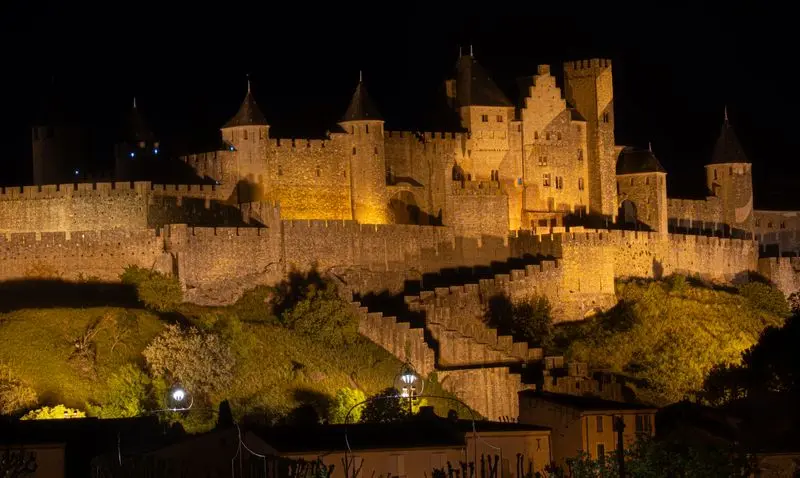
Things to Do in Carcassonne, France
Photo made by Carlo Giovanni Ghiardelli on Pexels.com
When to visit
Most popular attractions in Carcassonne, France
If you are looking for things to do in Carcassonne, France, visiting the medieval city of Carcassonne is an unforgettable experience. This fortified castle includes the 12th century Comtal Castle and the Basilica of Saint Nazaire with its stunning stained glass windows. Do not miss walking across the old Pont Vieux bridge for a magnificent view.
1. Cité de Carcassonne
The oldest and largest fortified castle in Europe awaits you to explore its walls and 52 towers. You will experience walking through narrow alleyways steeped in the scent of history, with breathtaking panoramic views from the top of the towers.
Quick facts: This legendary fortress features 52 towers surrounded by walls with a total length of approximately 3 kilometers. It underwent a massive restoration in the 19th century led by the architect Viollet-le-Duc, who added those distinctive conical roofs that give it its fairytale-like appearance today.
Highlights: Contrary to what visitors might think, the towering conical roofs on the towers did not originally exist in the Middle Ages. They were added by the architect Viollet-le-Duc during his restoration of the castle in the 19th century. Imagine standing at dusk as thousands of golden lights glow within the stone walls, transforming the fortified city into a scene that looks like a painting by a brilliant artist.
2. Château Comtal
A medieval castle surrounded by 52 towers like silent guards. You will walk between the stone walls and smell the scent of history in every corner.
Quick facts: The outer wall of the palace extends for 3 kilometers and is surrounded by 52 watchtowers. The restoration of the palace in the 19th century was led by the architect Viollet-le-Duc, the same person who redesigned the Statue of Liberty.
Highlights: Inside the thick stone walls, you can place your ear against the wall and hear the roar of flowing water in the moat from the 13th century. The palace was never defeated in any siege throughout its history, thanks to its brilliant defensive design that forces attackers into a maze of narrow courtyards.
3. Basilique Saint-Nazaire
A basilica that tells a thousand years of history in every corner. You will cross a 700-year-old wooden door and admire lights filtering through stained glass windows that tell stories of kings and saints.
Quick facts: The Basilica of Saint Nazaire houses a 14th-century stained glass window that tells the story of the Cathar Crusade. The building stands on the site of an old church from the 6th century, and its walls feature carvings that tell stories of knights and kings.
Highlights: Beneath the feet of visitors in the nave of the church, there are three stone-carved tombs of 13th-century bishops. You can see their effigies dressed in full episcopal robes. In the northwest corner, a morning sunbeam illuminates the great rose window, which is 8 meters in diameter, casting its blue and red colors onto the Romanesque stone pillars.
4. Canal du Midi
Sail between sunflower fields and vineyards under the shade of ancient trees. You will feel as if time has stopped as you pass through stone locks that are over 350 years old.
Quick facts: The canal stretches for 240 kilometers and connects the Atlantic Ocean to the Mediterranean Sea. It features 63 locks, 126 bridges, and 7 aqueducts, and was inscribed as a UNESCO World Heritage site in 1996.
Highlights: What truly distinguishes this canal is the plane trees shading its banks, planted by order of Colbert in the 17th century to protect passersby from the heat of the sun. There are more than 40,000 of these trees, forming a enchanting green tunnel that gives boat rides a feeling akin to traveling through a moving oil painting.
5. Porte Narbonnaise
The most exciting castle entrance in Carcassonne, where history pulses in every stone. Walk between the two towering gates and imagine medieval soldiers protecting the city from above the ramparts.
Quick facts: The Narbonne Gate is the main entrance to the old walled city and represents one of the most prominent gateways of the medieval fortress. The twin towers of the gate stand about 40 meters tall, and it features its rare stone drawbridge that still functions to this day.
Highlights: Unlike other defensive gates, the Narbonne Gate was deliberately designed with two massive, asymmetrical towers to confuse attackers and make the target harder to bombard. When you stand between the two towers and look up, you will notice the holes for pouring boiling oil that are still clearly visible in the stone ceiling.
6. Château de Lastours
A castle that takes you on a journey through time across four stunning fortresses. Climb the towers and enjoy a panoramic view of the green valleys of Languedoc.
Quick facts: It consists of four ancient palaces connected to one another, making it one of the largest feudal complexes in southern France. The oldest of these palaces dates back to the 11th century and has withstood the wars of the Crusaders against the Cathars.
Highlights: Imagine four towering stone palaces on top of a single hill, each telling a different story about the age of knights and wars. When you stand between their walls on a foggy day, you feel as if the echoes of ancient battles still whisper in the wind.
7. Lac de la Cavayère
Indescribable relaxation away from the city noise, where fragrant pine trees meet the turquoise lake waters. Here you will find yourself swimming in pure water and lying on golden sand under the sunny sky of Languedoc.
Quick facts: Lake La Cavayère spans an area of 35 hectares and is surrounded by pine trees and vineyards that the Carcassonne region is known for. This artificial lake was formed in the 1970s and became the favorite refreshing destination for residents of Carcassonne and its visitors.
Highlights: A few meters beneath the warm water surface hides a kingdom of giant carp that swim alongside visitors. Some of these fish are over 20 years old and are considered among the largest fish in the lakes of southern France.
Where to Stay in Carcassonne, France
Selected by City Buddy based on guest reviews and proximity to top attractions
Search all hotels in Carcassonne, FrancePowered by agoda
Opening days in Carcassonne, France
Which of the top sights close on which day of the week — the classic trip-ruiner, checked for you.
Good news: all 6 top sights with known hours are open every day of the week.
Closed on Monday · 0 closed, 6 open
Nothing closes on Monday — all 6 sights with known hours are open.
Opening days from Google Maps (checked 2026-06-16). Public holidays, strikes and seasonal hours can differ — check the official website before you go.
Traditional Sweet Dishes
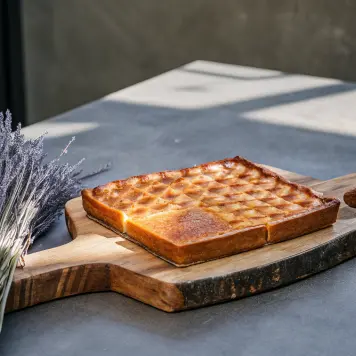
Carcassonne Honey Cake (Gâteau au Miel de Carcassonne)
This local honey cake is made with lavender honey from the nearby garrigue scrublands, giving it a distinct floral aroma that reflects the wild herbs of the Occitan landscape.
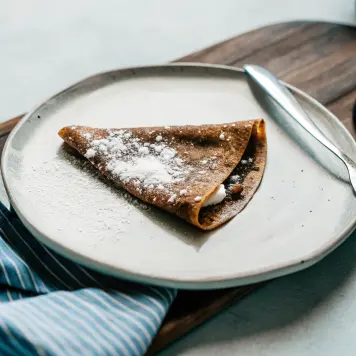
Crespèu (Carcassonne-style Crêpe)
These thin pancakes are traditionally filled with当地的 fruit jams or chestnut cream, and they have been a beloved street food at Carcassonne's medieval festivals for centuries.

Millas (Cornmeal Pudding)
Millas is a traditional cornmeal cake from the Languedoc region, often sweetened with local honey or brown sugar and sometimes flavored with orange blossom water, reflecting the area's Moorish culinary influences.
Traditional Savory Dishes

Cassoulet de Carcassonne
Unlike the Toulouse version, Carcassonne's cassoulet uniquely includes whole pieces of lamb and partridge alongside the traditional pork and duck confit, a recipe dating back to the Middle Ages.

Fricassée Carcassonnaise
This rich stew features chicken or rabbit cooked slowly in white wine with mushrooms and local herbs, and it has been a staple dish in Carcassonne homes for generations.
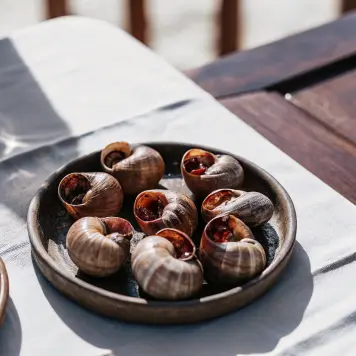
Cargolade (Grilled Snails)
A Languedoc specialty popular in Carcassonne, this dish involves grilling local land snails over vine clippings and serving them with a spicy garlic and tomato sauce called rouille.
Traditional Beverages

Blanquette de Limoux
This sparkling white wine from the nearby Limoux area was created by monks in 1531, predating Champagne by nearly a century and making it the world's oldest known sparkling wine.
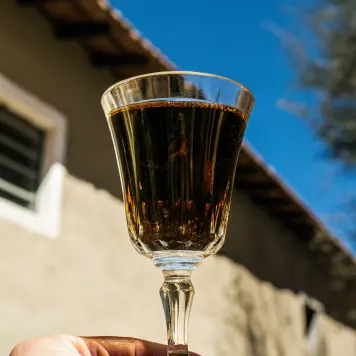
Cartagène
A traditional sweet aperitif from the Languedoc region, Cartagène is made by mixing unfermented grape must with brandy, creating a fortified wine that locals enjoy chilled before meals.

Pastis Carcassonnais
While pastis is famous in southern France, Carcassonne has its own variation infused with local aniseed and wild fennel from the surrounding hills, giving it a distinctly herbal profile.
Frequently Asked Questions about Carcassonne, France
Is Carcassonne, France safe?
How many days do you need to visit Carcassonne, France?
What is the best time to visit Carcassonne, France?
Is Carcassonne, France expensive?
How can you get around in Carcassonne, France?
Get a PDF with the most popular attractions sent to your email
Get a PDF with all attractions, ratings, and tips. Perfect for offline use.
Most popular day trips
Narbonne
Roman city with canal port, cathedral, and Les Halles market
Toulouse
Vibrant city known for space center, pink buildings, and cuisine
Albi
UNESCO city with massive brick cathedral and Toulouse-Lautrec museum
Montpellier
Lively university city with medieval streets and modern architecture
Getting there
Train stations
TGV and TER lines to Toulouse, Montpellier, Narbonne, and Perpignan
A shuttle bus connects Carcassonne Airport to the train station and city center in about 15 minutes. From Toulouse Airport, take a shuttle to Toulouse Matabiau station then a TGV train to Carcassonne.
Useful information for Carcassonne, France
Overview for Carcassonne, France
Want a day-by-day plan for Carcassonne, France? Open the trip planner
Plan your perfect trip to Carcassonne, France
Get a complete travel plan built just for you in under 30 seconds, with daily routes, local food tips, budget estimates and more.
Are any of these especially important to you?
Select all that apply
Getting around
How do you want to move between places?
Plan language: English