 CityBuddy
 English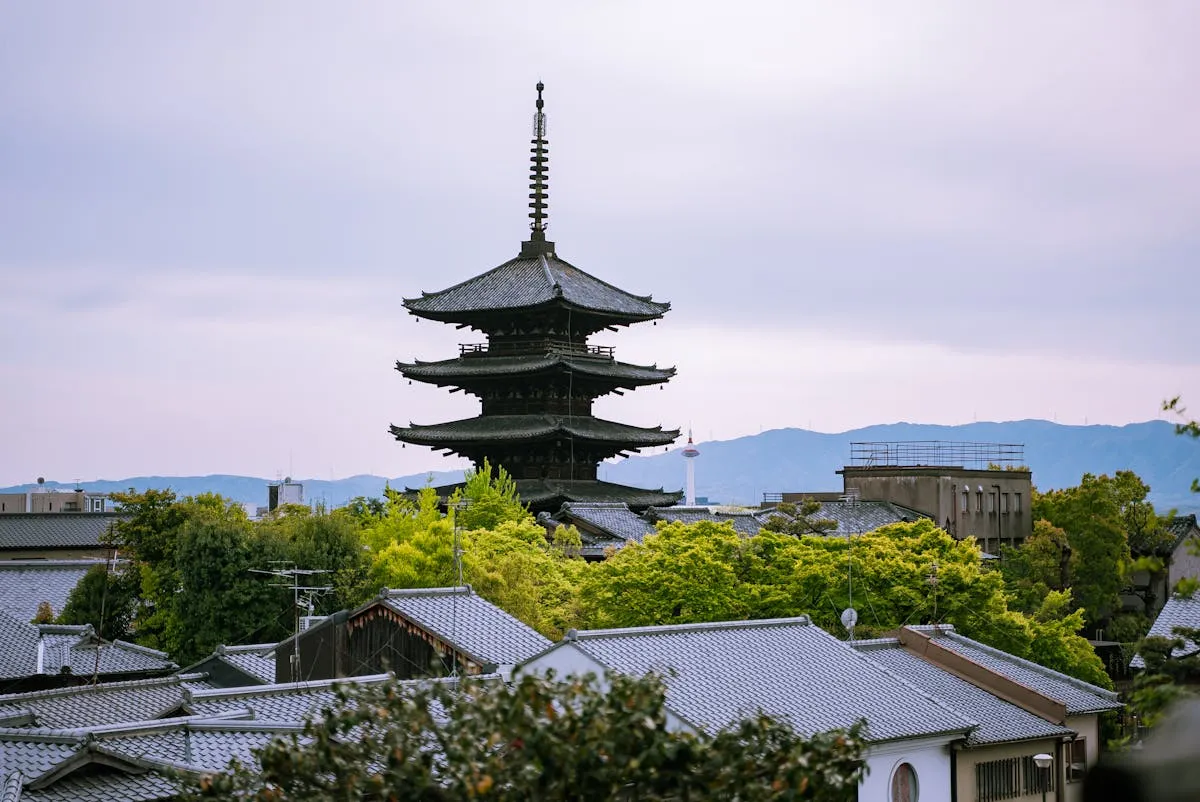
Tourist scams and rip-offs in Kyoto, Japan: how to avoid them
Photo made by Satoshi Hirayama on Pexels.com
Kyoto is a very safe city with a low violent-crime rate and honest, service-inclusive pricing. The main risks for tourists are limited but real: overcharging taxis or unlicensed drivers outside stations, and polite touts steering visitors to high-commission restaurants and shops. Watch your change carefully and prefer official ranks and ticket apps.
Updated September 2026
Common scams in Kyoto, Japan and how to avoid them
1. Unlicensed drivers near stations
How it works: Drivers without official licensing approach tourists outside Kyoto Station or KIX arrivals and offer fixed rates far above the meter. They may also take long routes.
How to avoid it: Use the official taxi rank and take a metered cab; confirm the meter is running before departure.
2. Touts steering to commission restaurants
How it works: Polite touts near Gion and Pontocho invite tourists to bars or restaurants that add hidden charges or inflated service fees, especially dinner spots in the evening.
How to avoid it: Decline invitations from street touts; pick venues with posted menus and prices at the entrance.
3. Poor-rate exchange booths
How it works: Exchange counters near tourist areas and major stations advertise no-fee but give weak rates with wide spreads, especially at night when nothing else is open.
How to avoid it: Use bank ATMs instead; if you must exchange cash, compare rates beforehand and avoid countdown-style booths.
4. Hidden per-person seating charge
How it works: Some izakaya and bar-style restaurants add a small compulsory appetizer or seating charge (otoushi) without clear upfront disclosure, inflating the bill.
How to avoid it: Ask for the itemized bill and check for the charge; it is disclosed at the table in most cases, so simply confirm before ordering if unsure.
Official tickets for the top sights in Kyoto, Japan
Skip street sellers: book official tickets and tours with free cancellation.
From the airport to the city centre
Kansai International Airport (KIX)
Fair taxi price (official, daytime): ¥9,000 - ¥15,000 (€51 - €85). Metered fare from Kansai Airport to central Kyoto is roughly 9,000 to 15,000 yen. Use the official taxi rank outside arrivals; refuse drivers who approach you inside the terminal.
Best alternative: Haruka limited express train to Kyoto Station (¥3,000 (€16.91), about 80 min)
Public transport: tickets, validation and fines
- Single ticket
- ¥230 (€1.30) (Single subway ride in central Kyoto (adult).)
- Validation rules
- Paper tickets are validated at the gate on entry; IC cards (ICOCA, Suica) are tapped at the ticket gate on entry and exit. No separate validation machines on buses; tap or insert upon boarding. A common mistake is failing to tap out correctly on trains with IC cards, which locks the card.
- Fine without a valid ticket
- ¥20,000 (€112.71). Fare evasion on JR and major operators can draw a fine of about 20,000 yen, plus the unpaid fare.
- Paying by card
- ICOCA, Suica and other major IC cards work across subway, JR and private lines. Contactless bank cards are not generally accepted at turnstiles.
Tipping and service charges
Tipping: No tipping is expected or customary in Japan. Service is included in the bill at restaurants, taxis and hotels. Leaving money on the table can confuse staff.
Cover and service charges: Most restaurants include tax and service in the menu price; some add a small per-person seating charge (otoushi) in izakaya-style places, disclosed at the table, not a scam. Legislative rules: menu prices must include tax by an enforceable labeling requirement, and every menu must display prices.
Cards, ATMs and currency exchange
Always choose to be charged in yen and decline dynamic currency conversion at ATMs and when paying by card. Prefer bank-attached ATMs or those in convenience stores (7-Eleven, Lawson, FamilyMart) that accept foreign cards. Some convenience store ATMs charge a withdrawal fee of 110 to 220 yen plus your bank's fee. Avoid currency exchange at hotels and tourist-area booths, which give poor rates.
Areas where extra care is advised
- Gion: In the narrow evening lanes, keep bags closed and decline photo or invitation touts; petty theft is rare but distraction tactics occur in crowds.
- Kyoto Station area: Late at night, use the official taxi rank and keep bags secured; occasional reports of overcharging drivers target travelers unfamiliar with the routes.
Emergency number
110 (police), 119 (ambulance/fire)
Planning your budget?
Frequently Asked Questions about Kyoto, Japan
Is Kyoto, Japan safe for tourists?
How much is a taxi from the airport to the centre of Kyoto, Japan?
Do I need to validate public transport tickets in Kyoto, Japan?
Is tipping expected in Kyoto, Japan?
What is the emergency number in Kyoto, Japan?
Based on widely reported traveler experiences and official advice. Prices are approximate and change; check current fares on arrival. Updated September 2026.