 CityBuddy
 English
Tourist scams and rip-offs in Osaka, Japan: how to avoid them
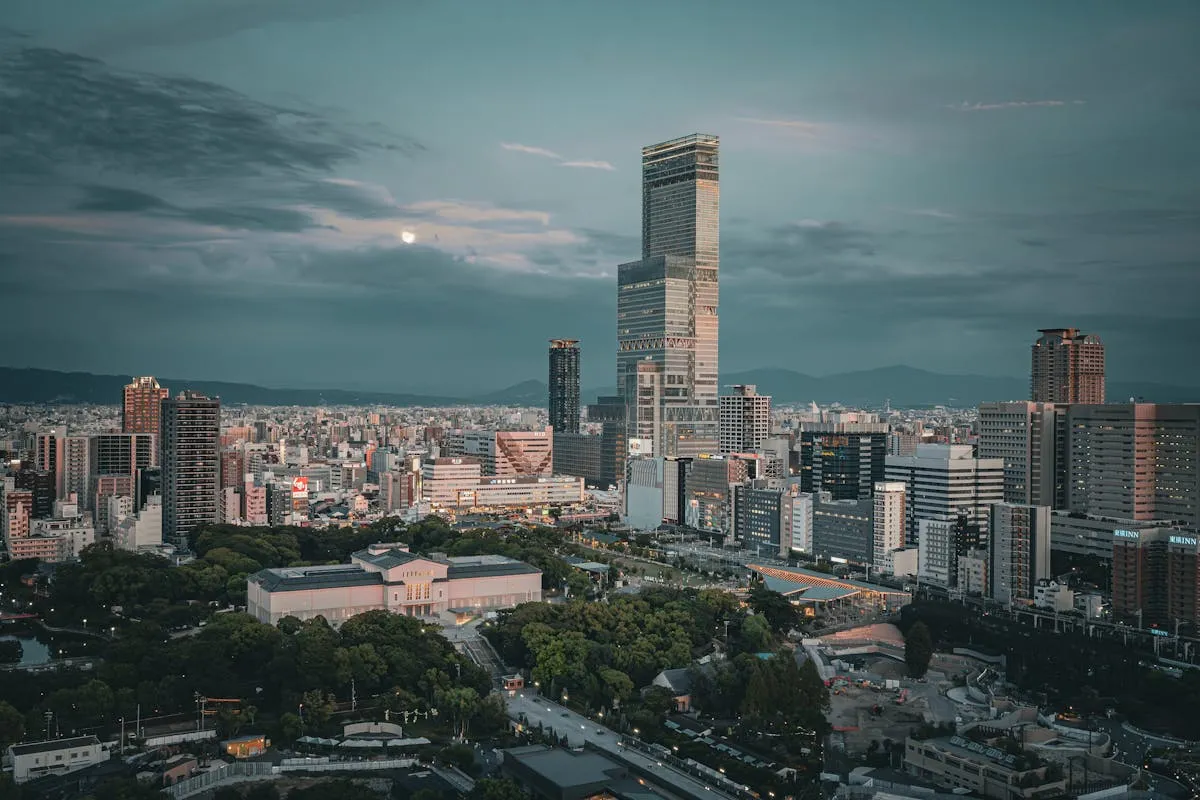
Photo made by Ehsan Haque on Pexels.com
Osaka is a safe, orderly city for tourists with very low violent crime and an efficient public transport network. The main risks are common to big Japanese cities: overpriced taxis from the airport if you skip the official rank, and a few bar and nightlife spots targeting visitors. Follow official ticket and taxi options and Osaka is generally a low-risk, honest destination.
Updated October 2026
Common scams in Osaka, Japan and how to avoid them
1. Unsolicited airport rides
How it works: Unlicensed drivers or touts may approach arriving passengers at Kansai Airport with unsolicited offers or fixed fares well above the meter. They target tired visitors unfamiliar with the route and charge inflated rates.
How to avoid it: Use the official taxi rank and insist the meter runs. Prefer the airport train or limousine bus, which are far cheaper and predictable.
2. Nagamachi-style bar touts
How it works: Touts in entertainment areas such as around Shinsaibashi and Dotonbori invite visitors to clubs or bars, then present inflated bills for drinks or cover charges that were not disclosed upfront.
How to avoid it: Decline unsolicited invitations, especially at night. Agree on all prices before entering any venue and leave if the bill seems inflated.
3. Poor-rate exchange booths
How it works: Some currency exchange counters and independent booths near main tourist areas offer significantly worse rates plus commission, especially for cash conversion on the spot.
How to avoid it: Rely on ATMs at major banks or 7-Eleven for better rates. Decline dynamic currency conversion and choose to be charged in yen.
4. Undisclosed seating charge
How it works: Some izakaya and bars add a seating or appetizer charge (otoshi) that is not obvious. Foreign visitors may be charged for items they did not clearly order or a table fee they were not told about.
How to avoid it: Ask if there is a table or seating charge before sitting down. Review the bill and question any unexpected seat or appetizer line.
5. Fare-zone ticket mistakes
How it works: Buying a paper single ticket for the wrong zone leaves you short when exiting; travellers may be charged the full max fare plus penalty at the ticket gate.
How to avoid it: Use an IC card like ICOCA so the correct fare is deducted automatically and you avoid short-fare penalties at the exit gate.
Official tickets for the top sights in Osaka, Japan
Skip street sellers: book official tickets and tours with free cancellation.
From the airport to the city centre
Kansai International Airport (KIX)
Fair taxi price (official, daytime): ¥15,000 - ¥19,000 (€85 - €110). Use the official taxi rank and insist on the meter. Metered fare from Kansai to central Osaka is roughly 15,000 to 19,000 yen. Refuse unlicensed drivers or fixed offers at the terminal; airport bus and train are much cheaper.
Best alternative: Kansai Airport Express Haruka limited express train or the Nankai Airport Express (¥1,220 (€6.94), about 50 min)
Public transport: tickets, validation and fines
- Single ticket
- ¥230 (€1.31) (Standard single fare for Osaka Metro, roughly 230 yen for a short ride.)
- Validation rules
- Tap an IC card such as ICOCA at the entrance gate, and tap again at the exit gate. Paper tickets are inserted and returned at the gate. There is no separate validation stamp; entry through the gate validates your trip.
- Fine without a valid ticket
- ¥20,000 (€113.85). Travelling without a valid ticket or exceeding your fare zone can result in a penalty up to about 20,000 yen depending on the operator. You must exit through the gate you entered by fare rules.
- Paying by card
- IC cards (ICOCA, Suica) and some contactless cards work across JR, Osaka Metro and private lines. They help avoid paper ticket and fare-zone mistakes.
Tipping and service charges
Tipping: No tipping is expected in Japan, including Osaka. Service is included in the bill; leaving cash tips can be confusing or refused.
Cover and service charges: Most restaurants add no cover or service charge; the price on the menu is what you pay. Some izakaya-style places add a small seating charge (otoshi), shown on the menu or asked upfront.
Cards, ATMs and currency exchange
Use bank-attached ATMs, especially Japan Post Bank and 7-Eleven ATMs, and always choose to be charged in yen, declining dynamic currency conversion. Independent convenience/foreign ATMs may charge higher fees or poor rates. Withdrawing in yen avoids the conversion trap.
Areas where extra care is advised
- Dotonbori / Shinsaibashi: At night, some bars and clubs use touts presenting hidden charges. Decline unsolicited invitations and agree on prices before entering venues.
- Namba / Minami nightlife: Around entertainment streets late at night, keep bags closed and valuables secure, and avoid street games or gambling offers.
Emergency number
110
Planning your budget?
Frequently Asked Questions about Osaka, Japan
Is Osaka, Japan safe for tourists?
How much is a taxi from the airport to the centre of Osaka, Japan?
Do I need to validate public transport tickets in Osaka, Japan?
Is tipping expected in Osaka, Japan?
What is the emergency number in Osaka, Japan?
Based on widely reported traveler experiences and official advice. Prices are approximate and change; check current fares on arrival. Updated October 2026.