 CityBuddy
 English
Tourist scams and rip-offs in Shinjuku, Japan: how to avoid them
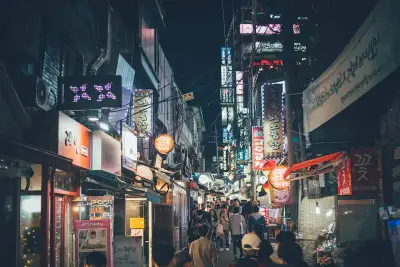
Photo made by Tan Danh on Pexels.com
Shinjuku is a busy, generally safe district for tourists, though crowds around the main station and nightlife areas attract pickpockets and occasional bar or club overcharging. Most scams are low-level street and nightlife hustles; honest taxi meters, official airport buses and the public transport system are reliable if you use the official channels. The biggest watchpoints are unlicensed touts near the station at night and card payment habits.
Updated November 2026
Common scams in Shinjuku, Japan and how to avoid them
1. Unlicensed touts near stations
How it works: Men approach tourists near Shinjuku station and nightlife streets, offering cheap club entry, drinks or short tours, then inflate bills or refuse exits at the venue.
How to avoid it: Ignore touts and deal only with official ticket offices, hotel desks or licensed bars with visible price lists.
2. Bar and club bill inflation
How it works: Bars and host clubs in Kabukicho quote vague prices, then add hidden charges or force you to pay inflated totals before you can leave.
How to avoid it: Confirm all prices in writing first, and avoid being led upstairs by street touts.
3. Pickpocketing in crowds
How it works: Crowds at Shinjuku station and major crossings allow pickpockets to lift wallets or phones from open bags and back pockets.
How to avoid it: Keep bags zipped and close to the body, and avoid gawking at maps or signs in dense crowds.
4. Unlicensed airport drivers
How it works: Touts outside the terminal offer fixed fares and unlicensed rides that end up far more expensive than the meter.
How to avoid it: Use only the official taxi rank and meter; ignore anyone offering a ride inside the arrivals hall.
Official tickets for the top sights in Shinjuku, Japan
Skip street sellers: book official tickets and tours with free cancellation.
From the airport to the city centre
Haneda Airport
Take only the official taxi rank outside the terminal and insist the driver use the meter. Refuse fixed-price offers from touts or unlicensed drivers.
Best alternative: Keikyu Line or Tokyo Monorail to central Tokyo, then the JR Yamanote Line to Shinjuku
Public transport: tickets, validation and fines
- Single ticket
- ¥210 (€1.21) (A single ride or basic adult fare on the JR Yamanote Line within central Tokyo)
- Validation rules
- Touch your IC card or paper ticket on the gate reader when entering and exiting. Trains have no seat validation; tap in and out correctly or you pay extra.
- Paying by card
- Contactless IC cards and many credit cards work at the gates; some services cap daily fares.
Tipping and service charges
Tipping: Tipping is not practiced and can be considered rude. Excellent service is standard without extra payment.
Cover and service charges: Most restaurants show prices without a service or cover charge. A 10% consumption tax is included in the listed price in most casual places. Be cautious where menus show no prices.
Cards, ATMs and currency exchange
Always choose to be charged in yen and decline dynamic currency conversion. Prefer bank-attached ATMs. Some convenience-store and independent ATM brands charge higher fees.
Areas where extra care is advised
- Shinjuku station area at night: Around the main station late at night, keep bags closed and stay in well-lit, busy streets.
- Kabukicho: In the entertainment district, be cautious about invitations to bars or clubs, as bills can be inflated.
Emergency number
110
Planning your budget?
Frequently Asked Questions about Shinjuku, Japan
Is Shinjuku, Japan safe for tourists?
Do I need to validate public transport tickets in Shinjuku, Japan?
Is tipping expected in Shinjuku, Japan?
What is the emergency number in Shinjuku, Japan?
Based on widely reported traveler experiences and official advice. Prices are approximate and change; check current fares on arrival. Updated November 2026.