 CityBuddy
 English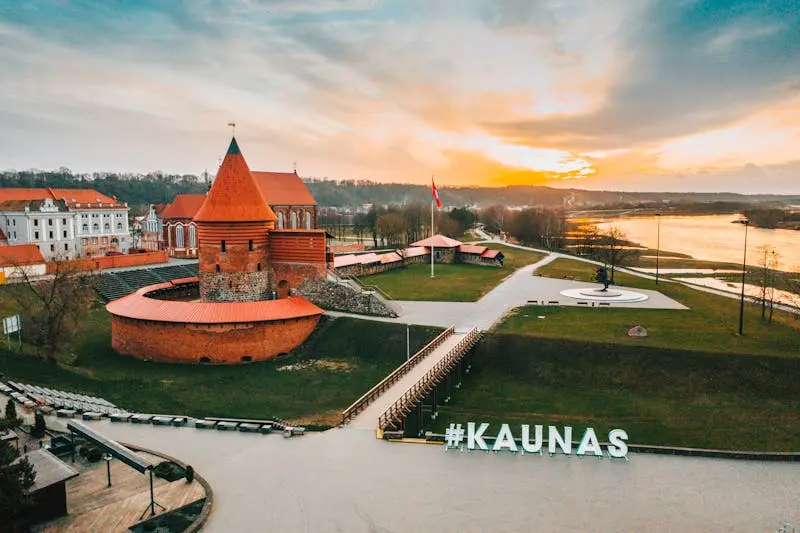
Things to Do in Kaunas, Lithuania
Photo made by Erika Žigutytė on Pexels.com
When to visit
Most popular attractions in Kaunas, Lithuania
The best activities in Kaunas, Lithuania include the medieval Kaunas Castle, which stands at the confluence of the Nemunas and Neris rivers. Walk along the 1.6 kilometer long Laisvės Alėja promenade, then explore the historic old town, where the Town Hall Square shines with its classical architecture. Do not miss the Ninth Fort either, which preserves historical memories.
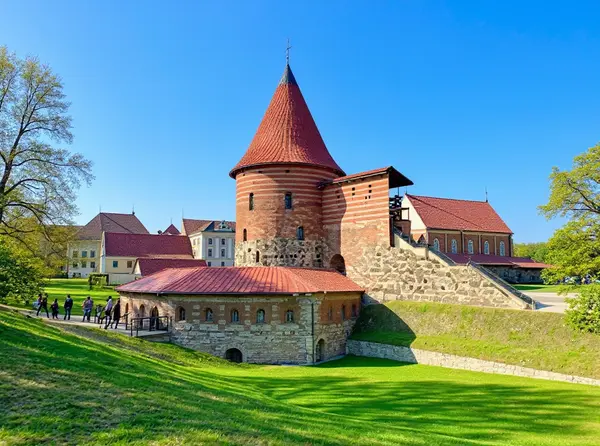
1. Kaunas Castle
Let the walls tell stories of the medieval Knights. Step in and discover the secrets of the tunnels and the breathtaking view!
Quick facts: One of the oldest Gothic castles in Eastern Europe, its walls conceal more than 600 years of history. The tunnels beneath the castle were once escape routes for the knights defending the city.
Highlights: The carillon in the castle towers strikes 12 hammers at every full hour, making it the largest mechanical carillon in the region. From the window of the gate tower, a view opens onto the meeting of 5 rivers, a sight known only to a few.
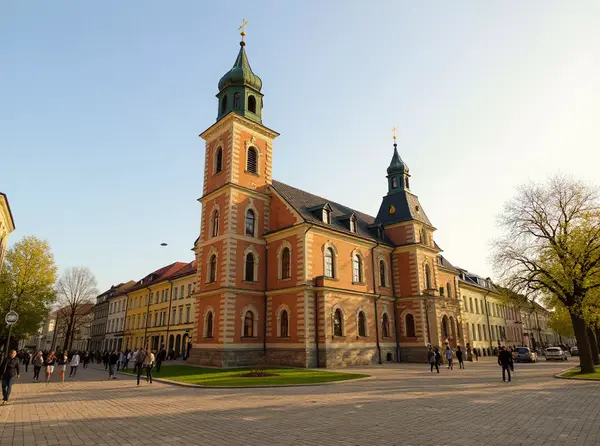
2. Laisvės Alėja
Who would not want to walk along a unique promenade where you can discover historical buildings alongside 400 trees? Enjoy the street performances and the view of the Statue of Liberty!
Quick facts: One of the longest pedestrian streets in Northern Europe, nearly 1.7 kilometers long. Characterized by more than 400 rows of trees and diverse architecture that reflects the city's history.
Highlights: The street, established in 1870, runs outdoors where the tree canopies provide shade, and various street performers enchant visitors during the summer. In the middle of the street stands a 23-meter tall freedom statue that recalls the local war of independence.
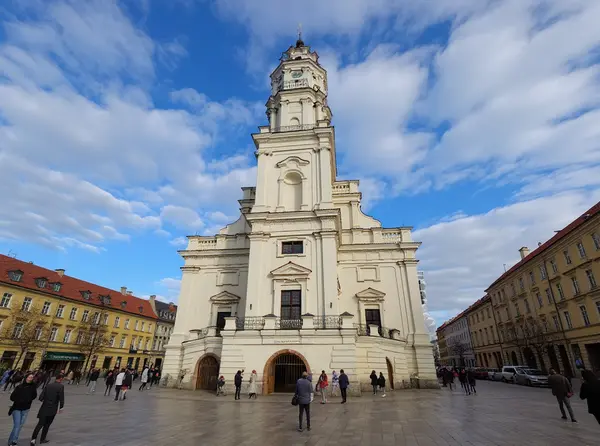
3. Town Hall Square
Enjoy the bustling atmosphere of the city's heart. Discover the characteristic melody of the bell tower and the magic of the local cafés.
Quick facts: The square is located in the heart of Kaunas and was the site of 16th-century markets. Every year, thousands gather here for cultural events and fairs.
Highlights: The bell tower standing in the middle of the square plays the city's anthem every hour, which many locals still listen to out of respect. Here you will find the café called "Venezia," where locals often gather over an authentic Lithuanian coffee.
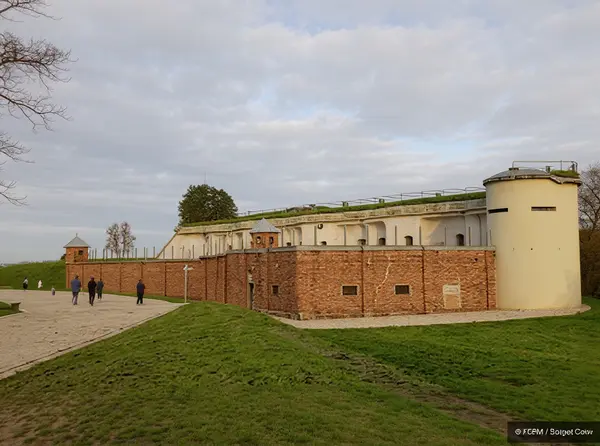
4. Ninth Fort
Experience the weight of history and human endurance. Discover the tunnels and the memories that bring the pain of the past to life.
Quick facts: The Ninth Fort was part of the Kaunas fortress system, which consisted of 9 forts for the defense of the city. It witnessed the lives of tens of thousands of people, especially due to the tragic events that took place during the Second World War.
Highlights: The preserved church ruins in the underground prison cells are quite rare in Europe and offer a unique insight into the cruel conditions of survival. The monuments and the testimonies found on the walls tell personal stories that have a deep emotional impact.
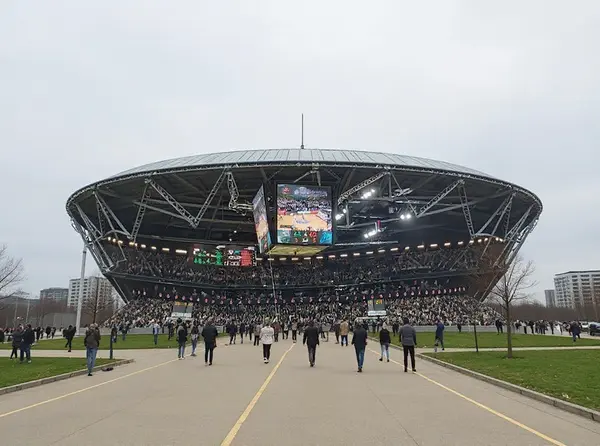
5. Žalgiris Arena
The greatest experiences await in one place, whether it is sports or music. Step in and catch the magic of the moment at exciting events!
Quick facts: This hall underwent a major renovation in 2020, making it one of the most modern event venues in Europe today. It can accommodate more than 15,000 spectators and hosts both sports events and concerts.
Highlights: The interior lighting system can completely change the atmosphere of the hall, even creating a colorful light show. Its roof is also special, featuring a unique dome-shaped structure that provides excellent sound and acoustics for concerts.
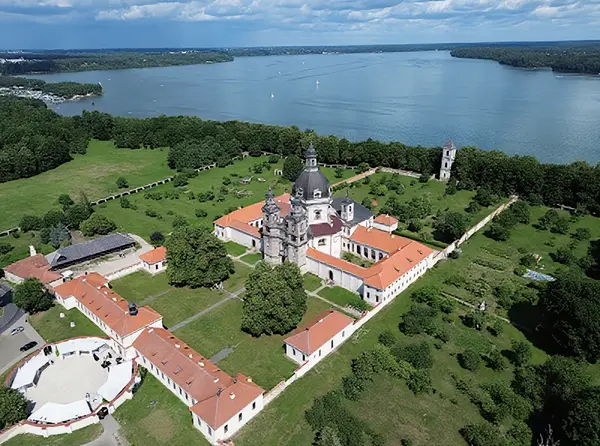
6. Pažaislis Monastery
Rich Baroque art and a peaceful park await the visitor. Fairy light painting and an enchanting panorama from the hilltop.
Quick facts: The monastery complex stands out in the Baltic Sea region thanks to its unique Baroque architecture. It is famous for its frescoes by Zsigmond Szenes, and the exquisite tiled stoves and carved wooden furnishings are also noteworthy.
Highlights: The building complex sits on a quiet, landscaped hillside offering a stunning panoramic view of the Nemunas River. The light filtering through the tiny windows in the church's dome creates a magical play among the Baroque frescoes.
7. Devils' Museum
Discover depictions of more than 3,000 demons! You will see strange masks and stories that bring the diabolical myths to life.
Quick facts: The museum houses over 3,000 old demonic depictions from various cultures. Among the displayed items are wooden carved masks, statues, and ritual tools.
Highlights: A special piece is the 18th-century devil face mask used at the local carnival festival. The museum's dark, spice-scented rooms create an atmosphere of an elusive mystery.
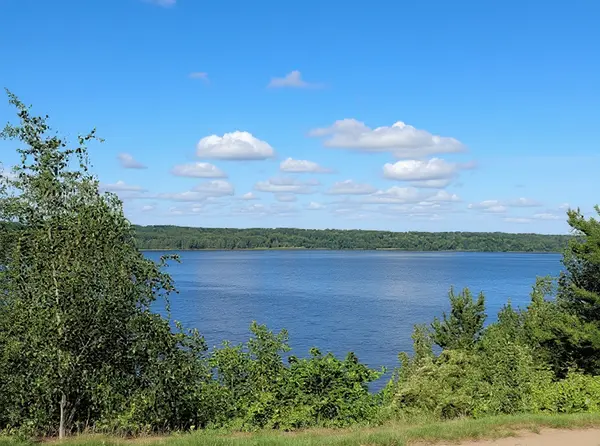
8. Kaunas Reservoir Regional Park
A breathtaking body of water and wildlife that brings the magic of nature up close. Discover the quiet coves and listen to the birdsong!
Quick facts: The park area was established by the 1992 regulation, covering 63,500 hectares and providing a home to more than 200 bird species. The water mass in the reservoir is 0.495 km3, supported by the dam which also serves the local agriculture and supplies electricity.
Highlights: Its 250 kilometers of shoreline hide numerous small bays and islands where special bird sounds echo during summer sunsets. The development of rural tourism is exemplary, with local craft markets attracting thousands of visitors annually.
9. Visit Kaunas Central Market
A lively gastronomic scene where you can meet the locals' real flavors. Walk between the halls, taste fresh smoked fish, and discover the secrets of Lithuanian cuisine directly from the vendors.
Quick facts: Over 200 vendors pack the hangar-like halls of this former military airfield turned food hub, where locals load up on smoked fish, rye bread, and pickled everything. The market's three towering arches were once part of a 1930s zeppelin hangar, giving the space an industrial-meets-community feel you won't find anywhere else in the Baltics.
Highlights: Step into Hall 3 before noon and you will catch fishmongers slicing freshly smoked eel right off the bone, their hands stained from the wood-fired smoke. The market runs its own smoking facility on site, using century-old recipes that fill the entire eastern wing with a sweet, briny aroma that clings to your coat for hours.
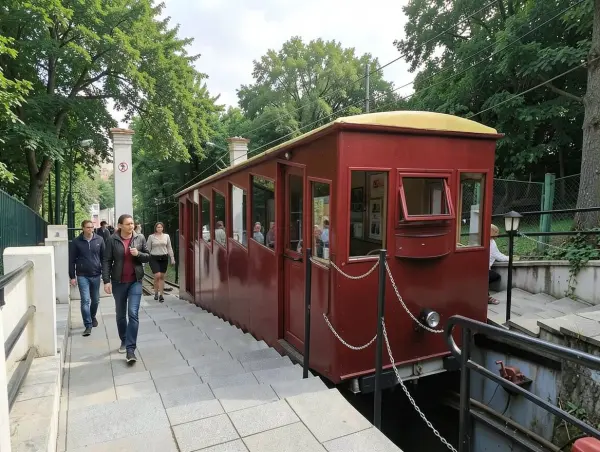
10. Aleksotas Funicular
In two minutes you can reach the city's most beautiful panorama from the riverside. As the historic carriage slowly rattles along, the entire old town unfolds before you.
Quick facts: Under a single operator who has worked the route for decades, the wooden car glides up the 142-meter incline in about 45 seconds. The carriage, essentially unchanged since its first run, still carries a mix of students, commuters, and sightseers every single day.
Highlights: From the summit belvedere, the two rivers and their bridges frame the whole Old Town in a single glance, the exact view that drove locals to fight for this line's survival. Ride the last trip of the evening and you might catch the operator locking the vintage winch by hand, a ritual nearly identical to the one performed since the mid-1930s.
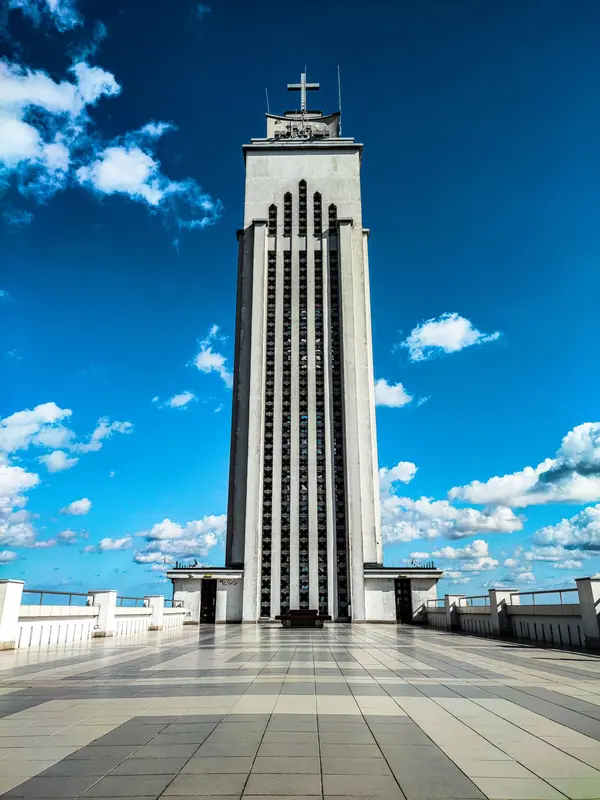
11. Christ's Resurrection Church
A refined neoclassical masterpiece overlooking the meeting of the rivers. Marvel at the 3-meter clock hands, then climb the tower for a panorama.
Quick facts: A 70-meter concrete tower drives the skyline, its elevator lifting visitors to a breezy rooftop terrace. Thousands of personalized bricks bought by diaspora donors put real family names into the walls.
Highlights: Ride the elevator up through bare concrete floors left rough by the Soviet factory that once assembled radios inside these walls. Step onto the top terrace at dusk, and the river below bends into a sheet of gold, with the whole city spread out like a model village.
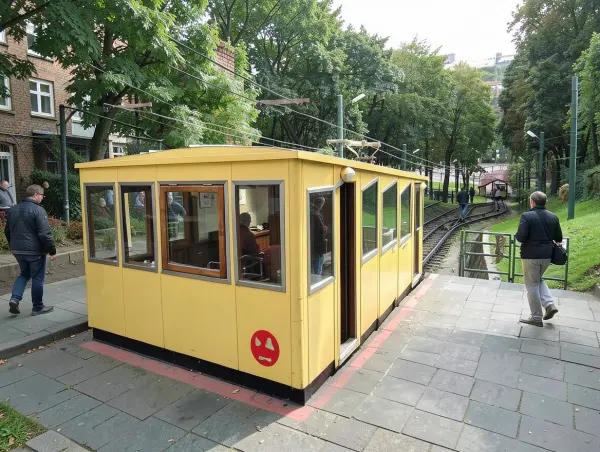
12. Kaunas Funicular Railway
A funicular rising above the city is a true retro journey offering an unparalleled panorama. You glide across the green slope and instantly look down at the river from the top of the old town.
Quick facts: Roughly the length of two city buses, the 133-meter climb lifts riders 45 meters at a slope steep enough to warrant seatbelts on the carriage. Both original cars have been running daily since 1928, which puts this short railway among the oldest continuously operating lift systems in Europe.
Highlights: Climb in and you will find creamy wooden benches worn smooth by nearly a century of riders, still bolted to their original steel frame. At the summit the brakes release with a loud hiss that bounces off the neighboring house walls, and the old drive wheels hum in a low purr that sounds untouched since the 1920s.
What to pre-book in Kaunas
These sell out or need a reservation. Book them first, in this order.
- 1.Žalgiris ArenaBook a day aheadBook once event dates are announced for big concerts and games
Where to Stay in Kaunas, Lithuania
Selected by City Buddy based on guest reviews and proximity to top attractions
Search all hotels in Kaunas, LithuaniaPowered by agoda
Opening days in Kaunas, Lithuania
Which of the top sights close on which day of the week — the classic trip-ruiner, checked for you.
Monday: 5 of 10 top sights closed — plan museums for another day.
Closed on Monday · 5 closed, 5 open
Opening days from Google Maps (checked 2026-09-12). Public holidays, strikes and seasonal hours can differ — check the official website before you go.
Traditional Sweet Dishes
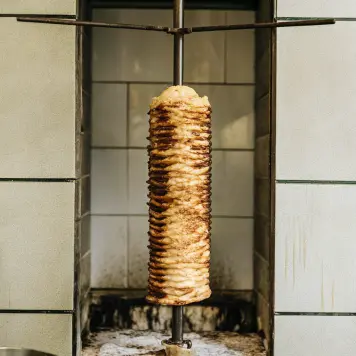
Šakotis
Šakotis is a traditional Lithuanian tree cake, known for its unique tree-like shape created by drizzling batter on a rotating spit over an open fire.
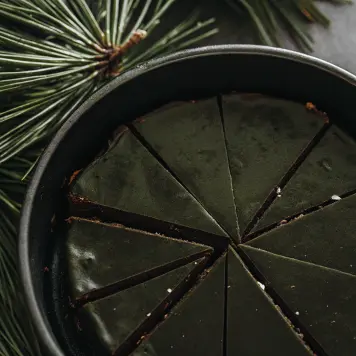
Tinginys
Tinginys, which means 'lazy one' in Lithuanian, is a no-bake chocolate dessert made from crushed biscuits, condensed milk, and cocoa powder.
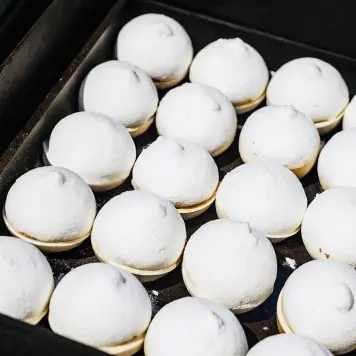
Kūčiukai
Kūčiukai are small, slightly sweet yeast buns typically served during Christmas Eve dinner, symbolizing prosperity and fertility.
Traditional Savory Dishes
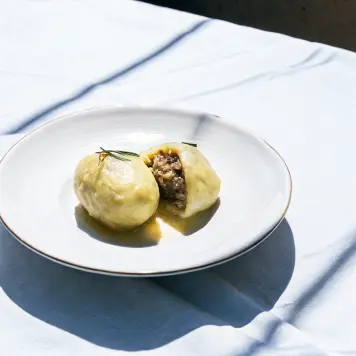
Cepelinai
Cepelinai are large potato dumplings stuffed with meat, named for their Zeppelin-like shape, and are considered Lithuania's national dish.
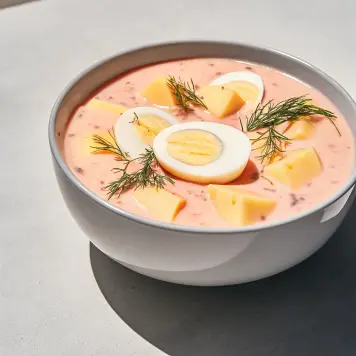
Šaltibarščiai
Šaltibarščiai is a refreshing cold beet soup made with kefir, popular for its vibrant pink color and served chilled, especially in summer.
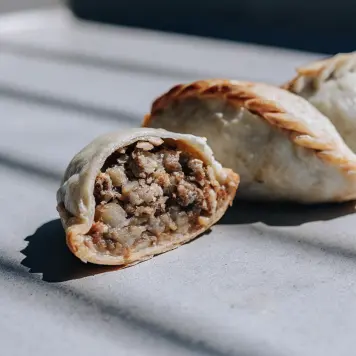
Kibinai
Kibinai are flaky pastries filled with minced meat, originally brought to Lithuania by the Karaim ethnic minority, and are a popular snack in Kaunas.
Traditional Beverages
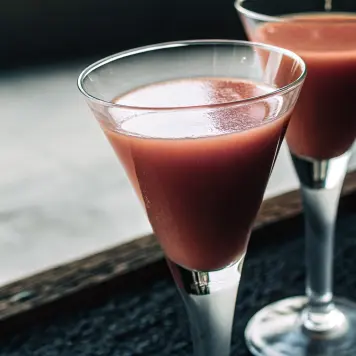
Krupnikas
Krupnikas is a traditional Lithuanian honey-infused herbal liqueur, often homemade and enjoyed during celebrations and cold winters.
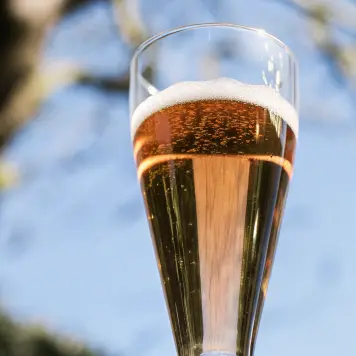
Midus
Midus is a traditional Lithuanian mead made from fermented honey and water, historically appreciated for its sweet and slightly tart flavor.

Gira
Gira is a traditional fermented rye bread drink, mildly alcoholic, known for its unique tangy taste and refreshing qualities.
Know before you go
What a day costs in Kaunas, and the rip-offs to avoid
Top rip-offs to avoid
- Unlicensed airport drivers. Walk to the official taxi rank or book through a licensed app like Bolt or Uber. Agree on a price or verify the meter before departure.
- Poor-rate exchange booths. Use bank ATMs for cash or pay by card. If exchanging, compare the effective rate with the day's official rate before handing over money.
- Unvalidated ticket fines. Buy and validate before boarding using the official ticket app or on-board validator. Keep your ticket accessible during the ride.
Fair taxi from the airport: €25 - €35
Cheaper option: Airport bus to the city centre (€2)
All scams, fair prices and rulesFrequently Asked Questions about Kaunas, Lithuania
How safe is Kaunas, Lithuania?
How many days should you spend in Kaunas?
When is the best time to visit Kaunas, Lithuania?
How expensive is Kaunas, Lithuania?
How can you get around Kaunas?
Get a PDF with the most popular attractions sent to your email
Get a PDF with all attractions, ratings, and tips. Perfect for offline use.
Most popular day trips
Vilnius
The capital city known for its baroque architecture and historic old town.
Trakai
Famous for its island castle and beautiful lakes.
Getting there
Train stations
Vilnius, Klaipeda, Riga
From Kaunas Airport, take the shuttle bus or taxi to city center; trains connect easily to Vilnius and other major cities.
Useful information for Kaunas, Lithuania
Overview for Kaunas, Lithuania
Compare Kaunas with other destinations
Prices, safety, weather and top attractions side by side, with a verdict for every kind of traveler.
Want a day-by-day plan for Kaunas, Lithuania? Open the trip planner
Plan your perfect trip to Kaunas, Lithuania
Get a complete travel plan built just for you in under 30 seconds, with daily routes, local food tips, budget estimates and more.
Are any of these especially important to you?
Select all that apply
Getting around
How do you want to move between places?
Plan language: English