 CityBuddy
 English
Zagreb vs Split: which should you visit in 2026?
Prices, safety, weather, nightlife and the top attractions of Zagreb and Split side by side, plus a verdict for every kind of traveler.
Our verdict
Zagreb and Split both score 8/10 for safety and walkability, and share similar food and nightlife ratings. Zagreb suits travelers who want lower costs, with hotels at $40 per night and a mid-range daily budget of $80, plus excellent public transport rated 8/10. Split suits those who prioritize warmer weather and nature access at 9/10, with summer averages of 24°C. Choose Zagreb for budget and city culture, Split for coastal warmth and outdoor appeal.
ZagrebZagreb leads in 8 of 19 categories
Zagreb vs Split at a glance
marks the better value in each row (lower prices, higher scores, fewer crowds).
Which is better for you?
Couples
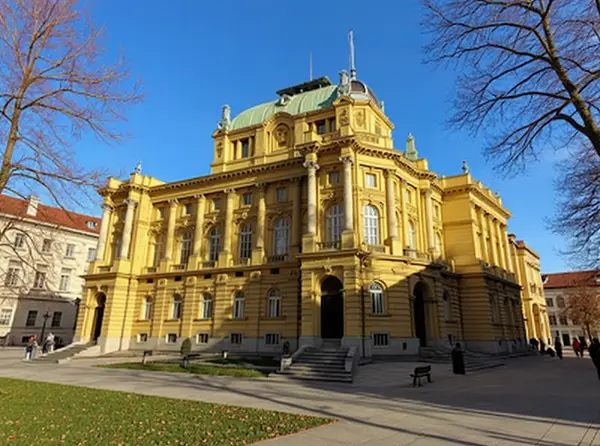
Either worksPick Zagreb if you want a romantic city break with the Croatian National Theatre and Maksimir Park. Pick Split if you prefer coastal charm around Diocletian's Palace and the Riva waterfront. Both score 8/10 for safety and walkability, making either an easy choice for a couple's getaway.
Families with kids
Pick SplitPick Split if you want warmer summers at 24°C and nature access scored 9/10, ideal for active kids. Pick Zagreb if you prefer lower costs, with hotels at $40 per night and cheaper meals at $10. Split has fewer very busy months, with only 2 compared to Zagreb's 3.
Budget travelers
Pick ZagrebPick Zagreb if you are watching costs. Hotels run $40 per night versus $60 in Split, meals cost $10 versus $12, and beer is $2.5 versus $3.5. Mid-range daily budgets are $80 in Zagreb and $100 in Split. Backpacker budgets are equal at $40 daily.
Nightlife
Either worksPick either city, as both score 7/10 for nightlife. Zagreb has cheaper drinks at $2.5 for beer versus $3.5 in Split. Split offers evening options near the Riva waterfront, while Zagreb has bars around the city center. Neither destination clearly outshines the other for nightlife.
Culture & history
Pick ZagrebPick Zagreb for its cultural institutions, including the Croatian National Theatre scored 4.8/5 and the Museum of Broken Relationships at 4.3/5. Pick Split for Roman heritage at Diocletian's Palace with 89,408 reviews. Both have food scenes rated 8/10, so culture lovers have rich options in either city.
Beaches & nature
Pick SplitPick Split if outdoor access matters most, with a nature score of 9/10 versus Zagreb's 7/10. Split's warm summer average of 24°C and fewer rainy days at 90 per year support outdoor activities. Zagreb offers Maksimir Park for urban green spaces, but Split has the stronger natural setting.
Top attractions compared
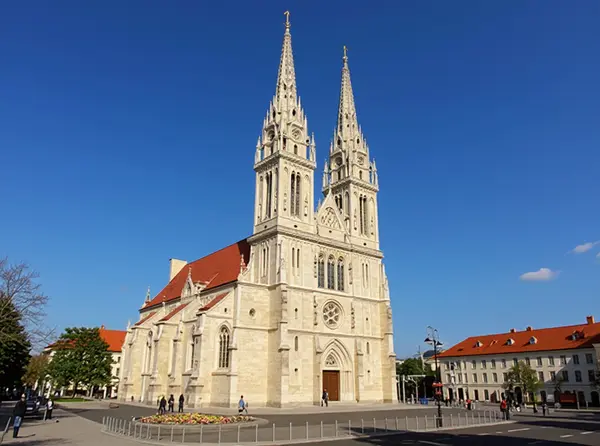
Top things to do in Zagreb
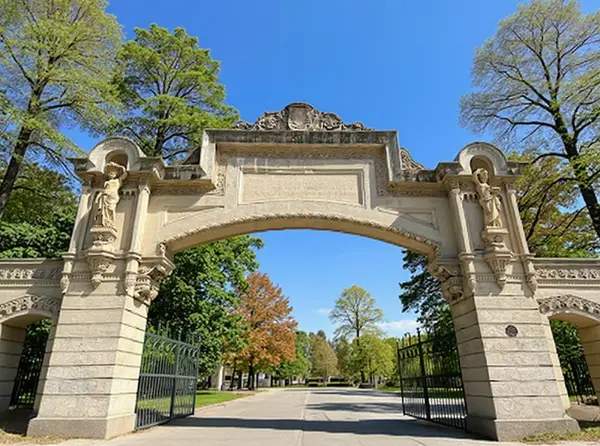 1. Maksimir Park (Park Maksimir)
4.8 (21,405)
Top things to do in Split
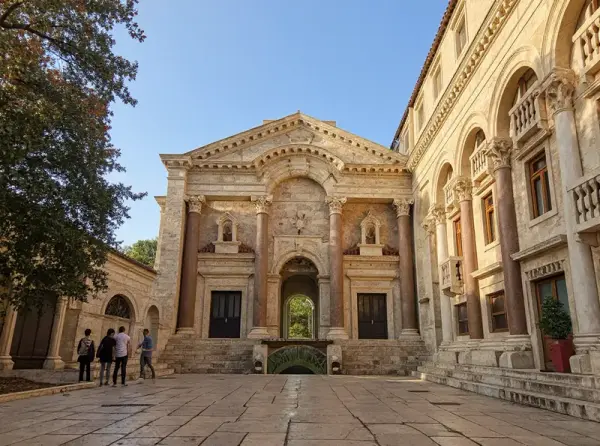 1. Diocletian's Palace
4.7 (89,408)
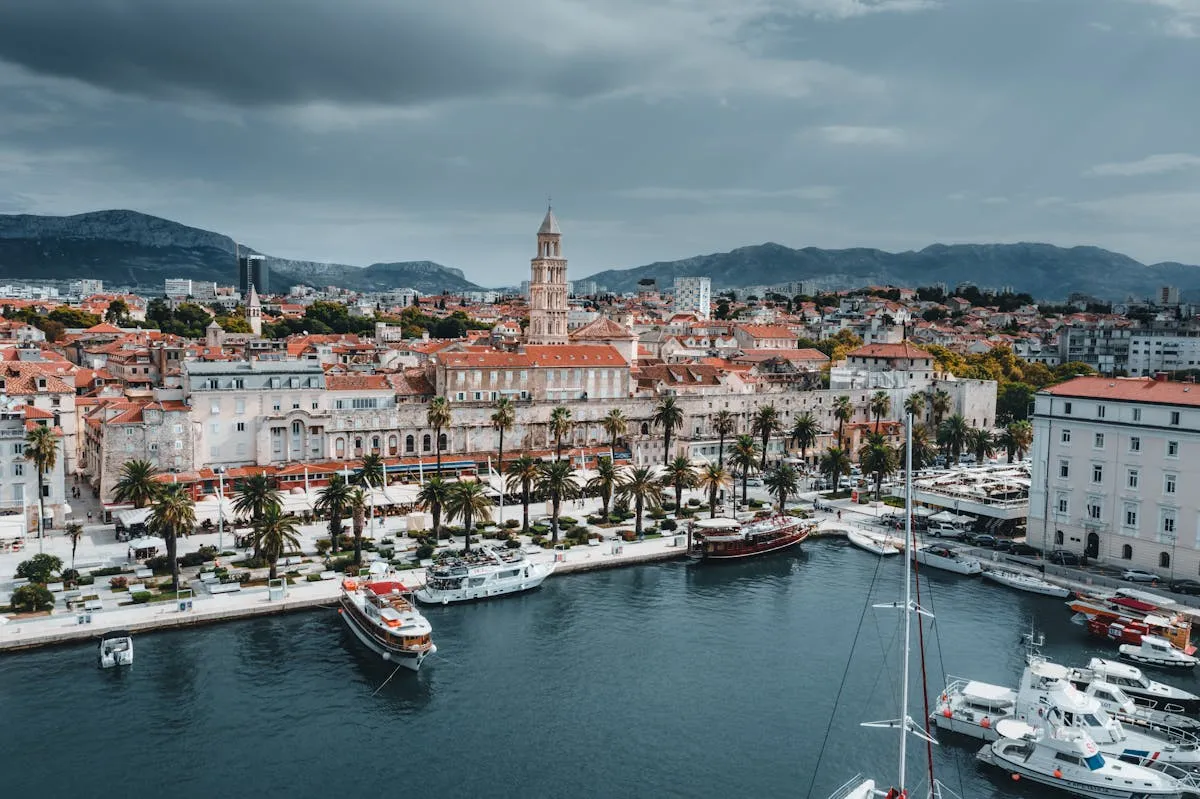
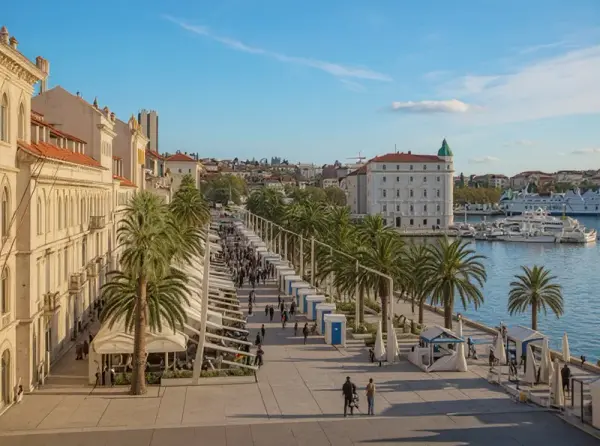 2. Riva (Split Waterfront Promenade)
4.7 (24,669)
Can you visit both?
Zagreb and Split are about 259 km apart
Zagreb and Split are 259 km apart, so a day trip is not practical. A two-base trip works well, with several days in each city. Travel between them by car, bus or train, all common options on this well-traveled Croatian route. Consider Zagreb first for city culture, then Split for warmer coastal weather.
Where to stay
Zagreb
20 well-reviewed hotels near the center, average guest score 8.7/10
Hotels from about $40 per night
Hotels in ZagrebSplit
21 well-reviewed hotels near the center, average guest score 8.9/10
Hotels from about $60 per night
Hotels in SplitTours & tickets
Frequently asked questions
Is Zagreb or Split cheaper?
Zagreb is clearly cheaper. Hotels cost $40 per night versus $60 in Split, meals run $10 versus $12, and beer is $2.5 versus $3.5. A mid-range daily budget in Zagreb is $80, while Split requires $100. Backpacker budgets are equal at $40 per day.
Which city is better for budget travelers?
Zagreb wins for budget travelers. Hotel rates are $40 per night, half again cheaper than Split's $60. Restaurant meals cost $10 versus $12, and coffee is $1.8 versus $2. A mid-range daily budget in Zagreb is $80, saving $20 per day compared to Split's $100.
Can you visit both Zagreb and Split in one trip?
Yes, the cities are 259 km apart by straight-line distance, which is manageable as part of a two-base trip. A day trip would be too long given the distance. Plan several days in each city and travel between them on separate travel days for a fuller experience.
Which city is better in the summer?
Split is warmer in summer with an average of 24°C from June to August, while Zagreb averages 21.3°C. Split's best months include May, June, September and October. Zagreb's shoulder months are April, May, September and October. Both handle summer crowds with only 2 to 3 very busy months.