 CityBuddy
 English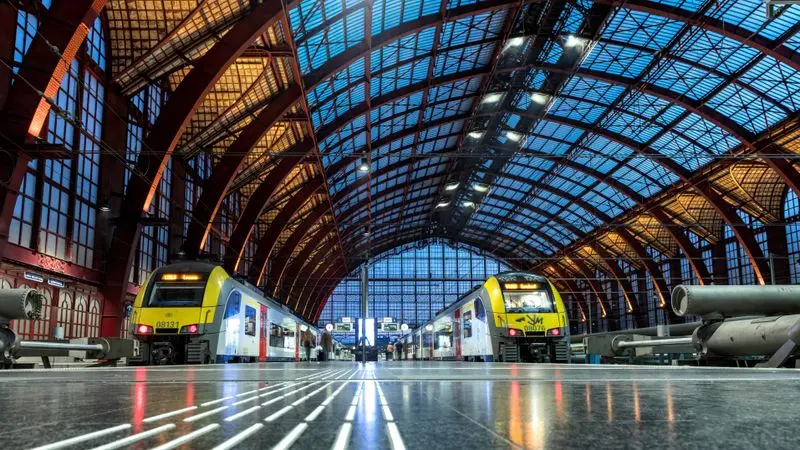
Things to Do in Antwerpen, Belgium
Photo made by Wolfgang Weiser on Pexels.com
When to visit
Most popular attractions in Antwerpen, Belgium
When asking what are the top things to do in Antwerpen, Belgium, start at the soaring Cathedral of Our Lady Antwerp, home to four Rubens masterpieces. Climb the 515 steps of the MAS Museum aan de Stroom for free panoramic views of the Scheldt. End your day photographing the ornate stone facade of Antwerp Central Station, often ranked among Europe's most beautiful railway cathedrals.
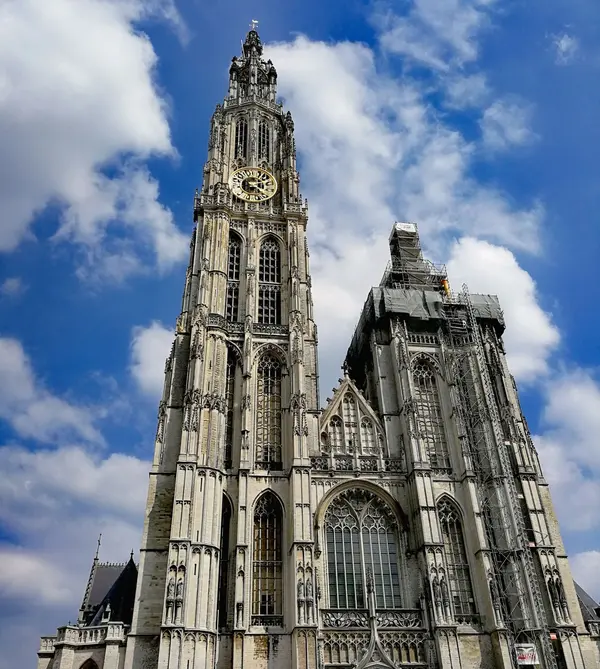
1. Cathedral of Our Lady Antwerp
Witness the tallest church spire in the Low Countries and Rubens' most powerful altarpieces up close. You'll climb ancient spiraling stairs, hear the carillon ring, and stand in the same light that inspired centuries of pilgrims.
Quick facts: The soaring 123-meter spire makes this the tallest church tower in the Low Countries, a feat achieved over 169 years of construction. Inside, visitors find four masterpieces by Rubens, including the monumental "Descent from the Cross" that took him just nine months to paint.
Highlights: Climb the 515 steps to the top of the tower and you'll pass through a carillon room housing 49 bells, some of which weigh over 6 tons. On clear days, the view stretches across the Scheldt river and you might even spot the pattern of the city's medieval defensive walls below.
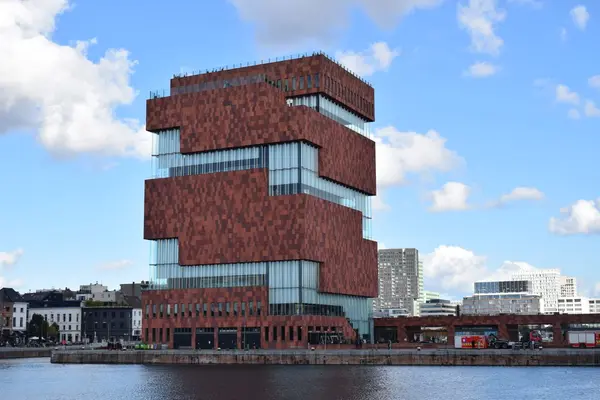
2. MAS Museum aan de Stroom
Climb ten stacked galleries to a free rooftop with the best view in Antwerp. Watch the port come alive, then dive into stories of the city's maritime and cultural history.
Quick facts: Ten stacked box-shaped galleries rise 60 meters above the Antwerp quays, each rotated a quarter turn from the one below it. The building's red-brown panels are made from Indian sandstone that was chemically treated, and its rooftop offers a 360-degree panorama over the city and port.
Highlights: The rooftop terrace is completely free to access, and you can ride the glass escalators up the side of the building while watching ships glide along the Scheldt River below. Every 10 meters along the way, the walls reveal quotes and poetry about Antwerp, turning the vertical journey itself into an exhibit.
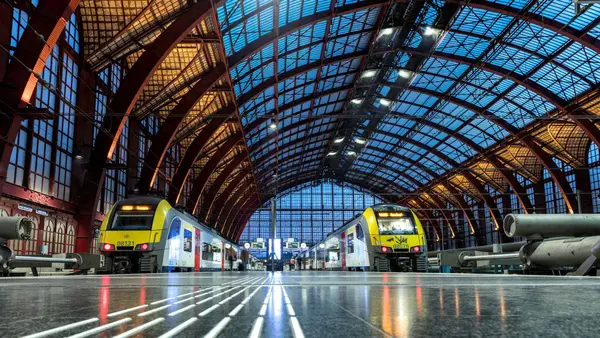
3. Antwerp Central Station
Step into a railway palace so ornate it earns the nickname "Railway Cathedral." Trains dive underground while you wander marble staircases under a vast iron-and-glass canopy.
Quick facts: Zinc and iron cover nearly every surface of the soaring 44-meter dome, earning the station the nickname "the Railway Cathedral." More than 70,000 passengers pass through daily, making it one of the busiest transit hubs in Belgium.
Highlights: The station sits on three stacked levels that drop 20 meters below street level, with the platforms hidden beneath the grand concourse. A 1909 royal decree made it illegal to build anything tall enough to block the train shed's view, which is why the skyline around the station remains surprisingly open today.
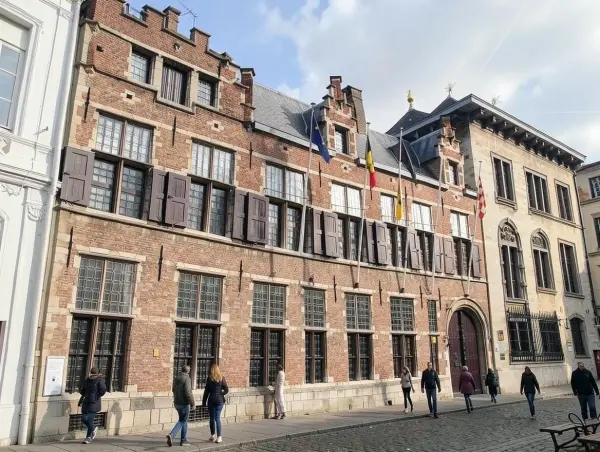
4. Rubens House
Walk through the actual rooms where one of Europe's greatest painters lived and worked. See the grand studio, intimate family quarters, and a serene garden that feels frozen in the 1600s.
Quick facts: Peter Paul Rubens designed this grand home and studio himself, and he lived and worked here for nearly three decades until his death in 1640. The interior hold over a dozen works by the master, along with pieces by other Flemish painters like Van Dyck and Jordaens.
Highlights: The entire building was painstakingly rebuilt in the 20th century after centuries of neglect, with the original 17th century floor plan guiding the restoration. Step into the garden and you'll find a baroque portico and a small pavilion that Rubens himself commissioned, a spot where he once strolled with visiting aristocrats and fellow painters.
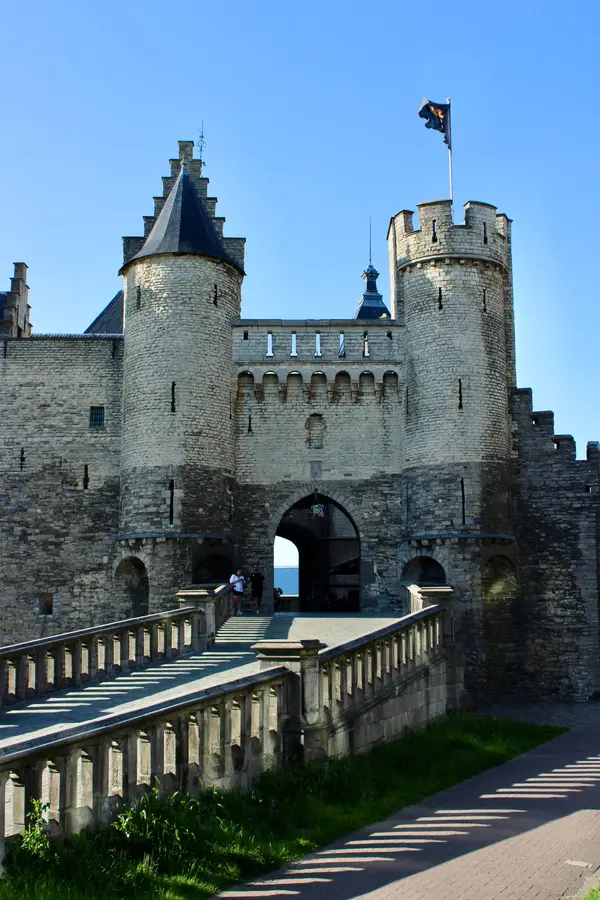
5. Het Steen
Step into the oldest stone building in the city and walk the same stones where medieval traders argued over river tolls. Feel the Scheldt breeze from the river terrace while 900 years of harbor history unfold around you.
Quick facts: The medieval fortress marks the spot where the Scheldt river narrowed, making it the perfect defensive choke point that gave the city its name, from "aan de werpe," meaning "at the wharf." A carved Romanesque figure of a giant named Druon Antigoon stands below, the legendary character who cut off the hands of river toll evaders, giving the city its hand-clipping folklore.
Highlights: Walk through the massive gateway and you'll step onto the terrace where the world's oldest known traffic sign still stands, a small stone tablet from 1550 that once told ships when to drop anchor. From the top floor, you can watch freighters glide past just meters from where traders paid tolls nine centuries ago, the river traffic unchanged while everything else around you has transformed.
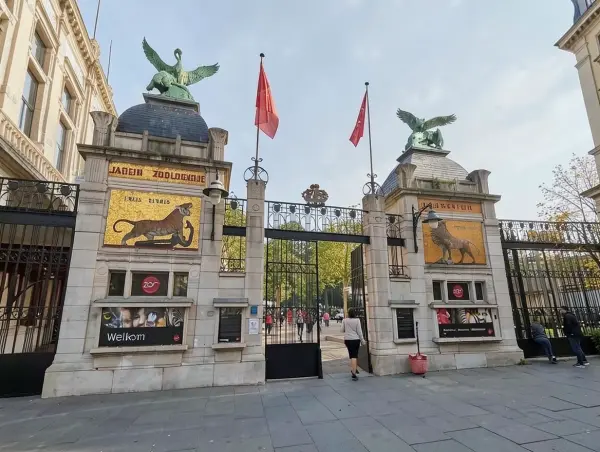
6. Antwerp Zoo
A century and a half of animal history sits right at the city's doorstep, minutes from the train station. Walk from polar bears to pygmy hippos through historic glasshouses and lush gardens.
Quick facts: One of the oldest zoos in the world, it sits right next to Antwerp's central train station and welcomes around 1.4 million visitors each year. The park covers 10.5 hectares and houses over 5,000 animals representing roughly 500 species.
Highlights: The zoo's Egyptian Temple, built for the 1885 World's Fair, still stands and houses a stunning collection of art deco decorations and original frescoes. Behind the temple lies a hidden garden space where peacocks roam freely, giving you a moment of calm that feels worlds away from the adjacent train station plaza.
7. Plantin-Moretus Museum
Step into the world's oldest surviving printing house and see the presses that once printed for half of Europe. You'll wander candle-lit rooms, touch 500-year-old type, and smell the ink in the air.
Quick facts: This 16th-century printing house is a UNESCO World Heritage Site, and it still holds a working printing press from around 1600. The museum's library contains more than 30,000 volumes, including rare editions of works by Erasmus and a Gutenberg-era Bible.
Highlights: You can walk through the actual rooms where one of history's most important printing dynasties worked, and the oldest surviving printing press in the world still sits in the workshop, ready to be demonstrated. The original 1565 building and its inner courtyard have barely changed, so you're essentially stepping into a living 16th-century workspace.
8. Meir
Antwerp's liveliest shopping mile delivers everything from high-end chains to local chocolate shops. Expect grand 19th-century facades, street performers, and a pedestrian stretch that pulses with energy day and night.
Quick facts: Meir is Antwerp's busiest shopping street, stretching about 700 meters from the Groenplaats to the Franklin Rooseveltplaats. The street is lined with neoclassical facades from the 19th century, including the former Royal Palace that now houses a shopping center.
Highlights: The corner building at Meir 78, Haus Hufenslag, features an ornate wrought-iron balcony that survived two world wars while much of the surrounding block was rebuilt. Walk past the Stadsfeestzaal mall and look up at the glass dome ceiling, a stunning 19th-century architectural centerpiece that spans the entire arcade interior.
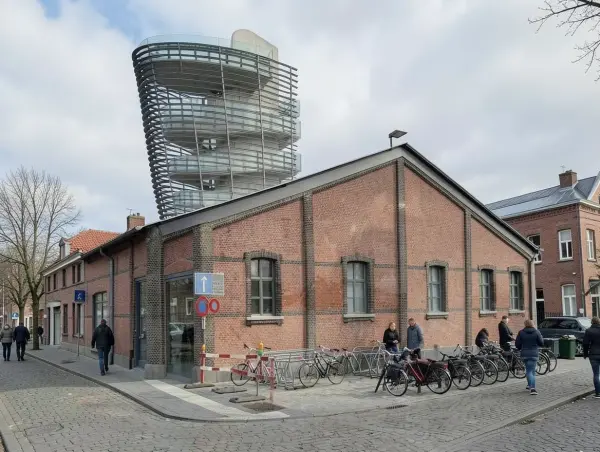
9. Red Star Line Museum
Step into the shoes of the 2 million emigrants who left Europe from this very dock. You'll follow their journey from departure hall to ship deck through personal letters, objects, and immersive exhibits.
Quick facts: More than 2 million passengers passed through this Antwerp harbor terminal between 1873 and 1934, chasing new lives across the Atlantic. The striking white building was restored in 2013 and now holds personal stories, photographs, and objects from those who sailed on the Red Star Line ships.
Highlights: The rooftop terrace offers a panoramic view over the Scheldt river, letting you stand exactly where thousands of emigrants took their last look at Europe. Visitors can trace a single family's journey through an interactive database that connects to passenger lists from the ship manifests.
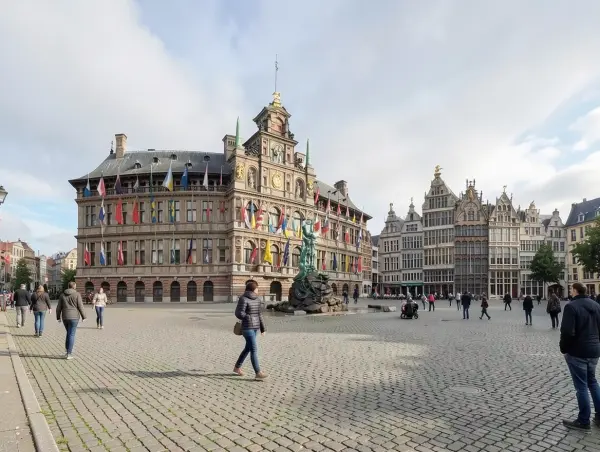
10. Grote Markt
Step onto a medieval plaza where gilded guild halls surround one of Europe's most ornate town halls. Cafes spill onto the cobbles while the Brabo fountain tells a legend of a giant and a severed hand.
Quick facts: The cobblestone square has hosted Antwerp's city hall since the 1560s, and its ornate Brabo fountain tells the legend of a giant whose severed hand gave the city its name. Guild houses lining the square display gilded facades, with each one representing a different medieval trade.
Highlights: Stand in the center and you'll notice the Brabo fountain does something surprising: at noon, the water display choreographs to the carillon bells of the cathedral nearby. Rainy days transform the polished stones into a mirror that doubles the facades, a trick photographers quietly wait for.
Where to Stay in Antwerpen, Belgium
Selected by City Buddy based on guest reviews and proximity to top attractions
Search all hotels in Antwerpen, BelgiumPowered by agoda
Opening days in Antwerpen, Belgium
Which of the top sights close on which day of the week — the classic trip-ruiner, checked for you.
Monday: 2 of 7 top sights closed — plan museums for another day.
Closed on Monday · 2 closed, 5 open
Opening days from Google Maps (checked 2026-10-01). Public holidays, strikes and seasonal hours can differ — check the official website before you go.
Traditional Sweet Dishes

Antwerpse Handjes
These delicate butter cookies are shaped like a hand, inspired by the legend of the giant Druon Antigoon whose severed hand was thrown into the Scheldt River. Locals love to decorate them with almonds and a touch of chocolate.

Cuberdon
This purple, cone-shaped candy has a hard sugar shell with a soft, raspberry-flavored gel inside. It is famously known as the "nose candy" because of its distinctive drippy shape, and it is best eaten fresh within a few weeks.

Limburgse Vlaai
Though originating in Limburg, this fruit-filled pastry tart is beloved all over Antwerp and often enjoyed with a cup of coffee. The most traditional version is filled with apricot jam, but rice pudding and cherry versions are also very popular.
Traditional Savory Dishes
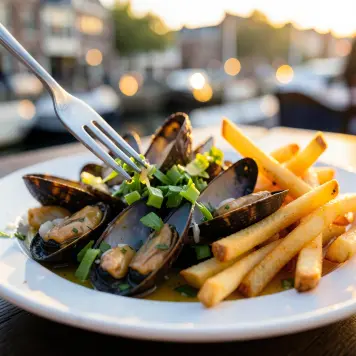
Moules Frites
Steamed mussels served with crispy Belgian fries are a national treasure, and Antwerp's waterfront restaurants serve some of the best in the country. They are traditionally cooked with celery, onions, and white wine, and locals insist on eating them with a fork and an empty shell as the pincer.

Waterzooi
Originally from nearby Ghent but widely served in Antwerp, this creamy fish stew is made with leeks, carrots, potatoes, and a rich egg yolk and cream broth. The chicken version is also common, and it is a comforting dish perfect for chilly Flemish evenings.
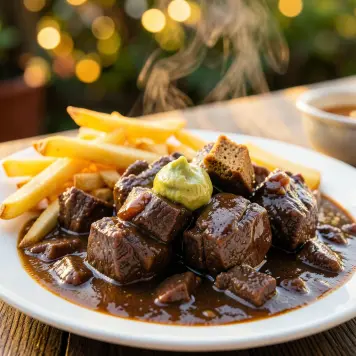
Stoofvlees
This slow-cooked beef stew is simmered for hours in dark Belgian beer, giving it a deep, malty flavor and a tender texture. It is traditionally served with fries and often a dollop of mustard, and some cooks add a slice of gingerbread to thicken and sweeten the sauce.
Traditional Beverages
De Koninck Beer
This amber ale is Antwerp's signature beer, brewed in the city since 1833. It is served in a distinctive bulb-shaped glass called a "bolleke," and locals have a saying that the brewer's copper tuns are the only place where the beer gets to rest.

Elixir d'Anvers
This herbal liqueur has been crafted in Antwerp since 1863 and contains 32 different botanicals including gentian, cinnamon, and nutmeg. It is traditionally enjoyed as a digestif and is said to have medicinal properties, earning it the nickname "the true Antwerp heart warmer."

Jenever
This juniper-flavored spirit is the classic Belgian predecessor to gin and has been distilled in the Low Countries for centuries. It is traditionally sipped from a small tulip-shaped glass, often while standing, as the custom says you must drink it standing on one leg.
Frequently Asked Questions about Antwerpen, Belgium
Is Antwerpen, Belgium safe?
How many days in Antwerpen, Belgium?
Best time to visit Antwerpen, Belgium?
Is Antwerpen, Belgium expensive?
How to get around Antwerpen, Belgium?
Get a PDF with the most popular attractions sent to your email
Get a PDF with all attractions, ratings, and tips. Perfect for offline use.
Most popular day trips
Brussels
Belgium's capital with Grand Place, Atomium, and rich museums
Ghent
Medieval city with canals, Gravensteen castle, and vibrant arts scene
Bruges
Fairytale canal city with cobblestone streets and historic architecture
Rotterdam
Modern Dutch port city with avant-garde architecture and harbors
Leuven
University town with stunning Gothic town hall and lively squares
Getting there
Train stations
Thalys, Eurostar, IC to Brussels, Rotterdam, Amsterdam
Regional and international rail connections
Take bus 51 from Antwerp airport to the center in 20 minutes. From Brussels Airport, the direct train to Antwerpen-Centraal takes about 1 hour.
Useful information for Antwerpen, Belgium
Overview for Antwerpen, Belgium
Want a day-by-day plan for Antwerpen, Belgium? Open the trip planner
Plan your perfect trip to Antwerpen, Belgium
Get a complete travel plan built just for you in under 30 seconds, with daily routes, local food tips, budget estimates and more.
Are any of these especially important to you?
Select all that apply
Getting around
How do you want to move between places?
Plan language: English