CityBuddy
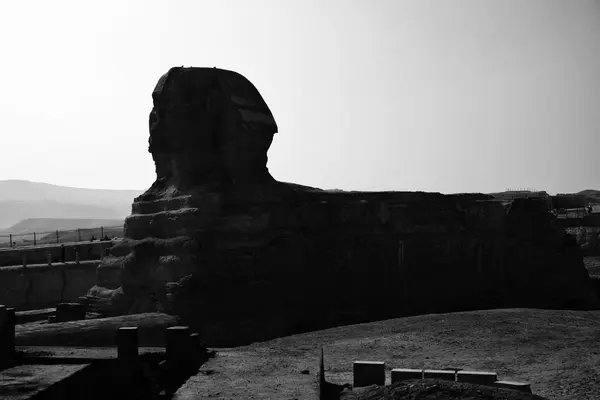
Great Sphinx of Giza
Best time to visit
Arrive right at the 8 a.m. opening to beat tour groups and catch soft golden light raking across the face. Mornings are cooler and far less crowded than midday.
Budget tips
Entry is covered by the Giza Plateau pass, around 540 Egyptian pounds, though the separate tombs and interior tickets cost extra. Egyptians pay a heavily discounted rate, and hiring a local guide often bundles the whole plateau for less than paying piecemeal.
Recommended for
History buffs, Photography enthusiasts, First-time visitors to Egypt, Solo travelers
Plan your visit
1-2 hours
About
Quick facts: With a lion's body and a human head, the 73-meter-long colossus was carved straight from a single limestone ridge. The famous missing nose, which once spanned a full meter, disappeared mysteriously between the 14th and 19th centuries.
Highlights: Between the giant paws sits a small stela that describes a young prince falling asleep and dreaming of the monument buried up to its neck in sand. After he cleared all that sand, the prince became pharaoh Thutmose IV, and he had the story carved into stone so everyone would remember.
Insider tips
- Wear closed-toe shoes, since the sandy path around the enclosure gets slick and hot by afternoon.
- Snap the classic frontal shot from the viewing terrace before 9 a.m., when direct light lands on the face.
- Skip the camel-ride vendors near the entrance and walk ten minutes to the far edge of the plateau for far fewer people.
- Expect constant approach from touts; a firm 'no, shukran' with eye contact sends them on their way.
Where to Stay in Giza
Selected by City Buddy based on guest reviews and proximity to top attractions
Search all hotels in GizaPowered by agoda